Kirjojen hintavertailu. Mukana 12 025 010 kirjaa ja 12 kauppaa.

Kirjahaku

Etsi kirjoja tekijän nimen, kirjan nimen tai ISBN:n perusteella.

1000 tulosta hakusanalla Color Therapy Coloring Books

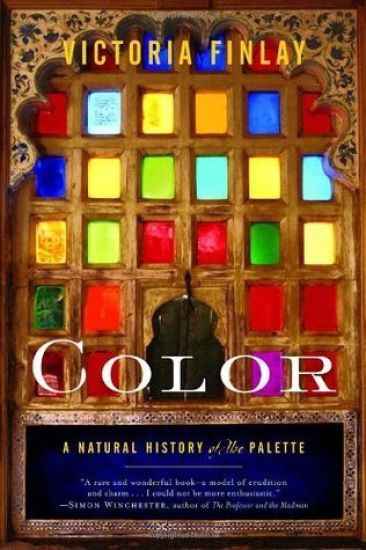
Color: A Natural History of the Palette

Color: A Natural History of the Palette

Victoria Finlay

Random House Trade
2003
nidottu
In this vivid and captivating journey through the colors of an artist's palette, Victoria Finlay takes us on an enthralling adventure around the world and through the ages, illuminating how the colors we choose to value have determined the history of culture itself. How did the most precious color blue travel all the way from remote lapis mines in Afghanistan to Michelangelo's brush? What is the connection between brown paint and ancient Egyptian mummies? Why did Robin Hood wear Lincoln green? In Color, Finlay explores the physical materials that color our world, such as precious minerals and insect blood, as well as the social and political meanings that color has carried through time. Roman emperors used to wear togas dyed with a purple color that was made from an odorous Lebanese shellfish-which probably meant their scent preceded them. In the eighteenth century, black dye was called logwood and grew along the Spanish Main. Some of the first indigo plantations were started in America, amazingly enough, by a seventeen-year-old girl named Eliza. And the popular van Gogh painting White Roses at Washington's National Gallery had to be renamed after a researcher discovered that the flowers were originally done in a pink paint that had faded nearly a century ago. Color is full of extraordinary people, events, and anecdotes-painted all the more dazzling by Finlay's engaging style. Embark upon a thrilling adventure with this intrepid journalist as she travels on a donkey along ancient silk trade routes; with the Phoenicians sailing the Mediterranean in search of a special purple shell that garners wealth, sustenance, and prestige; with modern Chilean farmers breeding and bleeding insects for their viscous red blood. The colors that craft our world have never looked so bright.
Color - Class - Identity

Color - Class - Identity

John Arthur; Amy Shapiro

Westview Press Inc
1996
nidottu
Three recent and dramatic national events have shattered the complacency of many people about progress, however fitful, in race relations in America. The Clarence Thomas—Anita Hill hearings, the O. J. Simpson trial, and the Million Man March of Louis Farrakhan have forced reconsideration of their assumptions about race and racial relations. The Thomas-Hill hearings exposed the complexity and volatility of perceptions about race and gender. The sight of jubilant blacks and despondent whites reacting to the 0. J. Simpson verdict shook our confidence in shared assumptions about equal protection under the law. The image of hundreds of thousands of black men gathering in Washington in defense of their racial and cultural identity angered millions of whites and exposed divisions within the black community. These events were unfolding at a time when there seemed to be considerable progress in fighting racial discrimination. On the legal side, discrimination has been eliminated in more and more arenas, in theory if not always in practice. Economically, more and more blacks have moved into the middle class, albeit while larger numbers have slipped further back into poverty. Intellectually, figures like Cornel West, Henry Louis Gates, Jr., and Patricia J. Williams are playing a central role as public intellectuals. In the face of these disparate trends, it is clear that Americans need to rethink their assumptions about race, racial relations, and inter-racial communication. Color • Class • Identity is the ideal tool to facilitate this process. It provides a richly textured selection of readings from Du Bois, Cornel West, Derrick Bell, and others as well as a range of responses to the particular controversies that are now dividing us. Color • Class. Identity furthers these debates, showing that the racial question is far more complex than it used to be; it is no longer a simple matter of black versus white and racial mistrust. A landmark anthology that will help advance understanding of the present unease, not just between black and white, but within each community, this book will be useful in a broad range of courses on contemporary U.S. society.
Color Atlas of Small Animal Anatomy

Color Atlas of Small Animal Anatomy

Thomas O. McCracken; Robert A. Kainer

Iowa State University Press
2009
nidottu
This new resource provides a basic foundation in small animal anatomy for students of veterinary medicine, animal science, and veterinary technology. Extraordinary accuracy and beautiful original artwork make this a truly unique learning tool that includes the anatomy of all organ systems in the dog, cat, rabbit, rat, and guinea pig - all described in a consistent manner. Learning features include: carefully selected labeling helps students learn and remember structures and relationships; male and female of species are depicted on facing pages so topographic anatomy can be compared; structures common to various animals are labeled several times, whereas unique structures are labeled on one or two species so students can make rapid distinctions of the structures peculiar to certain animals; and an introduction that provides readers with a background in nomenclature and anatomic orientation so they can benefit from the atlas even if they lack training in anatomy. The Atlas depicts topographic relationships of major organs in a simple, yet technically accurate presentation that's free from extraneous material so that those using the atlas can concentrate on the essential aspects of anatomy. It will be an invaluable resource for veterinary students, teachers and practitioners alike.
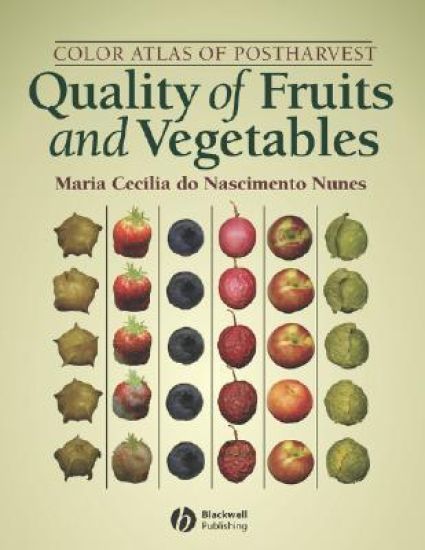
Color Atlas of Postharvest Quality of Fruits and Vegetables

Color Atlas of Postharvest Quality of Fruits and Vegetables

Maria Cecilia do Nascimento Nunes

Iowa State University Press
2008
sidottu
The effects of time and temperature on the postharvest quality of fruits and vegetables are visually depicted in the Color Atlas of Postharvest Quality of Fruits and Vegetables. Through hundreds of vibrant color photographs, this unique resource illustrates how the appearance (e.g., color, shape, defects and injuries) of fruits and vegetables changes throughout their postharvest life and how storage temperature greatly contributes to critical quality changes. The book’s extensive coverage describes 37 different fruits and vegetables from different groups that were stored at five specific temperatures and photographed daily after specified elapsed periods of time. Individual fruits and vegetables from the following groups are covered: subtropical and tropical fruits pome and stone fruits soft fruits and berries cucurbitaceae solanaceous and other fruit vegetables legumes and brassicas stem, leaf and other vegetable and alliums Information is provided about each individual fruit/vegetable such as characteristics, quality criteria and composition; recommendations for storage, transport and retail; and effects of temperature on the visual and compositional quality of each individual fruit or vegetable, associated with photos of the appearance at particular times and temperatures. This visual documentation shows how important is to handle fruits and vegetables at the right temperature and what happens if the recommendations are not followed. Also shown is the importance of the initial harvest quality of the fruit/vegetable and the expected shelf life as a function of quality at harvest, storage temperature and storage time. The Color Atlas of Postharvest Quality of Fruits and Vegetables will appeal to a diverse group of food industry professionals in the areas of processing, distribution, retail, quality control, packaging, temperature control (refrigerated facilities or equipment) and marketing as a reference tool and to establish marketing priority criteria. Academic and scientific professionals in the area of postharvest physiology and technology, food science and nutrition can also use the book as a reference either for their study or in class to help students to visualize changes in the appearance of fruit/vegetables as a function of time/temperature.
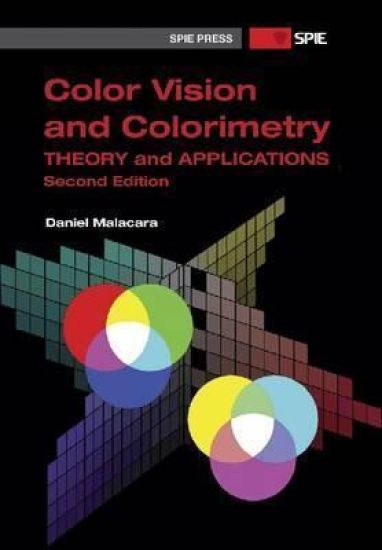
Color Vision and Colorimetry

Color Vision and Colorimetry

Daniel Malacara

SPIE Press
2012
nidottu
This text provides a number of concepts, definitions, and tools useful to students who wish to develop a basic understanding of colorimetry and color vision. Those who have experience in the field will find a compendium of data and other information previously unavailable in a single publication. Numerous references provide a considerable bibliography for readers looking to deepen their knowledge of this fascinating subject.
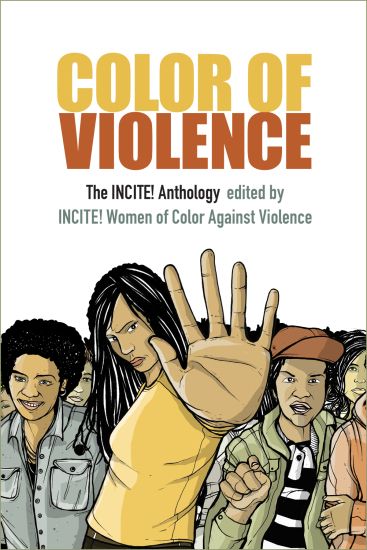
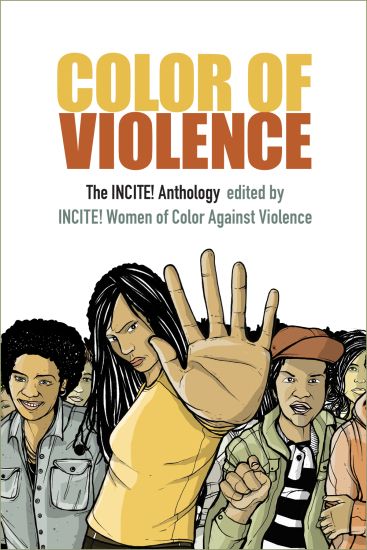
Color of Violence

Color of Violence

Duke University Press
2016
pokkari
The editors and contributors to Color of Violence ask: What would it take to end violence against women of color? Presenting the fierce and vital writing of organizers, lawyers, scholars, poets, and policy makers, Color of Violence radically repositions the antiviolence movement by putting women of color at its center. The contributors shift the focus from domestic violence and sexual assault and map innovative strategies of movement building and resistance used by women of color around the world. The volume's thirty pieces-which include poems, short essays, position papers, letters, and personal reflections-cover violence against women of color in its myriad forms, manifestations, and settings, while identifying the links between gender, militarism, reproductive and economic violence, prisons and policing, colonialism, and war. At a time of heightened state surveillance and repression of people of color, Color of Violence is an essential intervention. Contributors. Dena Al-Adeeb, Patricia Allard, Lina Baroudi, Communities Against Rape and Abuse (CARA), Critical Resistance, Sarah Deer, Eman Desouky, Ana Clarissa Rojas Durazo, Dana Erekat, Nirmala Erevelles, Sylvanna FalcÓn, Rosa Linda Fregoso, Emi Koyama, Elizabeth "Betita" MartÍnez, maina minahal, Nadine Naber, Stormy Ogden, Julia Chinyere Oparah, Beth Richie, Andrea J. Ritchie, Dorothy Roberts, Loretta J. Ross, s.r., Puneet Kaur Chawla Sahota, Renee Saucedo, Sista II Sista, Aishah Simmons, Andrea Smith, Neferti Tadiar, TransJustice, Haunani-Kay Trask, Traci C. West, Janelle White
Color of Violence

Color of Violence

Duke University Press
2016
sidottu
The editors and contributors to Color of Violence ask: What would it take to end violence against women of color? Presenting the fierce and vital writing of organizers, lawyers, scholars, poets, and policy makers, Color of Violence radically repositions the antiviolence movement by putting women of color at its center. The contributors shift the focus from domestic violence and sexual assault and map innovative strategies of movement building and resistance used by women of color around the world. The volume's thirty pieces-which include poems, short essays, position papers, letters, and personal reflections-cover violence against women of color in its myriad forms, manifestations, and settings, while identifying the links between gender, militarism, reproductive and economic violence, prisons and policing, colonialism, and war. At a time of heightened state surveillance and repression of people of color, Color of Violence is an essential intervention. Contributors. Dena Al-Adeeb, Patricia Allard, Lina Baroudi, Communities Against Rape and Abuse (CARA), Critical Resistance, Sarah Deer, Eman Desouky, Ana Clarissa Rojas Durazo, Dana Erekat, Nirmala Erevelles, Sylvanna FalcÓn, Rosa Linda Fregoso, Emi Koyama, Elizabeth "Betita" MartÍnez, maina minahal, Nadine Naber, Stormy Ogden, Julia Chinyere Oparah, Beth Richie, Andrea J. Ritchie, Dorothy Roberts, Loretta J. Ross, s.r., Puneet Kaur Chawla Sahota, Renee Saucedo, Sista II Sista, Aishah Simmons, Andrea Smith, Neferti Tadiar, TransJustice, Haunani-Kay Trask, Traci C. West, Janelle White
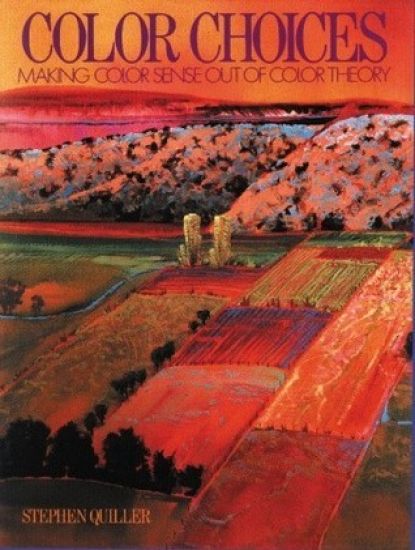
Color Choices

Color Choices

S Quiller

Watson-Guptill Publications Inc.,U.S.
2002
nidottu
INTERNATIONALLY RENOWNED ARTIST and best selling author Stephen Quiller shows readers how to discover their own personal "colour sense" in Color Choices, a book that offers readers a fresh perspective on perfecting their own colour styles. With the help of his own "Quiller Wheel," a special foldout wheel featuring 68 precisely placed colours, the author shows artists how they can develop their own unique colour blends. First, Quiller demonstrates how to use the wheel to interpret colour relationships and mix colours more clearly. Then be explains, step by step, how to develop five structured colour schemes, apply underlays and overlays, and use colour in striking, unusual ways. This book will bring out every artist's unique sense of colour whether he or she works in oil, watercolour, acrylics, gouache, or casein.
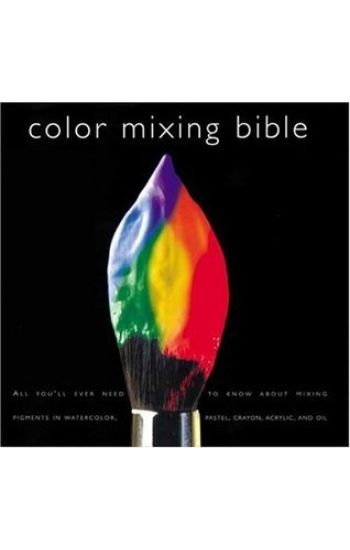
Color Mixing Bible

Color Mixing Bible

Watson-Guptill Publications Inc.,U.S.
2002
pokkari
Mixing colors accurately may be an art unto itself. In fact, many artists are discouraged by the time and expense it takes to mix and match colors, and achieve the right results. Even more frustrating is the vast range of colors available. Now there's a ready-to-use visual directory that takes all the guesswork out of mixing and matching colors . . . making every artist an expert Color Mixing Bible provides a basic color palette for each art medium, demonstrating an array of two-, three-, and four-color mixes, as well as offering full explanations of various paints and pigments. This invaluable guide features scores of tips and techniques for color mixing with oils, acrylics, watercolors, inks, pastels, and virtually every other art medium. It also includes in-depth information on how to determine the opacity and strength of a color, choose a color palette, mix whites, arrange and organize colors prior to mixing, use optical and physical mixing techniques, and much more Plus, hundreds of color illustrations make everything simple. Whether one is an aspiring artist or working professional, Color Mixing Bible is an essential addition to every bookshelf.
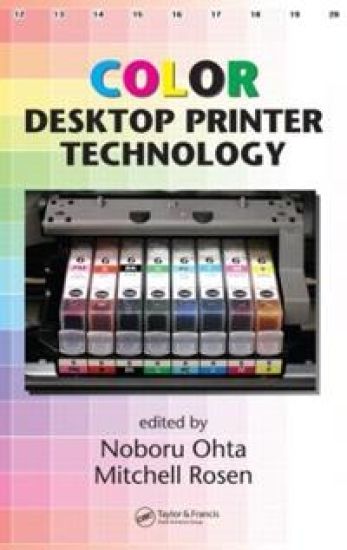
Color Desktop Printer Technology
Printing traces its roots back for centuries, and the invention of moveable type changed the world. However, until the advent of the computer, printing remained a costly and time-consuming operation. From the first humble dot matrix to modern inkjet, laser, and dye sublimation printers, desktop printing has brought low-cost, high quality printing out of the large presses and into the home and office. Color Desktop Printer Technology provides an overview of the current state of the technology, examining both current and emerging applications. With expert contributors from leading companies and universities in the US and Japan, this book examines the color desktop printer from every angle. It begins with an introduction to the basic principles of color printing and the concepts of document and image quality. An overview of the historical background, current trends, and future directions places the technology in its business and market context. The book then devotes four chapters to the major platform: inkjet, laser printer, thermal transfer, and film recording. The last two chapters focus on color management and the quickly developing spectral printing technology. Laying a foundation for continued development and innovation in this ubiquitous field, Color Desktop Printer Technology is fundamental enough to be enjoyed by interested laypersons, yet detailed enough to satisfy the practicing engineer.
Color Atlas and Manual of Microscopy for Criminalists, Chemists, and Conservators
Professionals in many disciplines, from archeology to forensic science and anthropology, must be able to identify organic and inorganic fibers and particles. In a single source, this book presents a range of simple methods to help readers quickly characterize and identify a broad range of materials. Covering substances such as hair and fibers, minerals and soils, paints, drugs, and dust, the book presents the basic principles of microscopy and directions for sample preparation and examination. Most importantly, it offers more than 400 color photomicrographs of the most commonly encountered materials for specimen comparison and rapid identification.
Color Atlas of Human Poisoning and Envenoming
The Color Atlas of Human Poisoning and Envenoming is the only full-color resource available for the immediate visual association and the rapid identification of envenoming species, resultant lesions, clinical outcomes of envenoming or poisoning, and recommended treatment strategies to limit toxic exposures and injuries. With no-nonsense, bulleted text, tables, figure legends, and diagrams, this atlas provides an immediate reference for use in emergency differential diagnosis.
Color Atlas of Dermatopathology
This outstanding dermatopathology atlas emphasizes the correlation of pathological findings with clinical presentations and presents a reader-friendly approach to the diagnosis and interpretation of skin biopsy results. With an abundance of color clinical and histologic photographs, and descriptions of numerous dermatological diseases and conditions, this source is a must-have for anyone preparing for dermatology or pathology board exams, or for those desiring a strong understanding of the clinical or pathological presentations of disease.
Color Atlas of Forensic Histopathology on CD-Rom

Color Atlas of Forensic Histopathology on CD-Rom

Vittorio Fineschi; MD Karch

CRC Press Inc
2023
sidottu
Featuring 700 high quality photographs, Color Atlas of Forensic Histopathology demonstrates a forensic approach to the collection of data and techniques in histopathological diagnosis. This book provides comprehensive coverage of such topics as basic histomorphology, tissues and the putrefaction phenomena, trauma and microscopic diagnosis, traumatic central nervous system injuries, post-mortem changes, and specific cell and organ findings. It includes specific forensic situations like gunshot wounds, drug abuse, poisoning, asphyxia, anaphylaxis, heat-related injury, drowning, electrical injuries, fetal and neonatal deaths, injuries caused by atmospheric conditions, and SIDS.
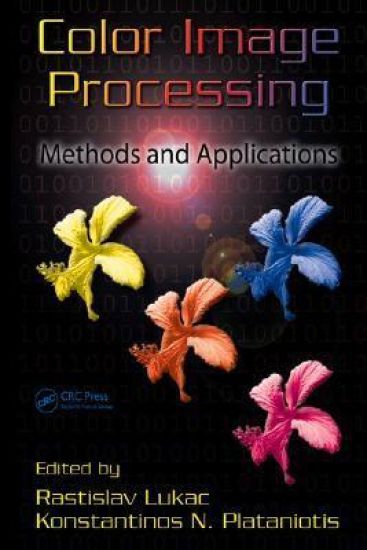
Color Image Processing
Color Image Processing: Methods and Applications embraces two decades of extraordinary growth in the technologies and applications for color image processing. The book offers comprehensive coverage of state-of-the-art systems, processing techniques, and emerging applications of digital color imaging.To elucidate the significant progress in specialized areas, the editors invited renowned authorities to address specific research challenges and recent trends in their area of expertise. The book begins by focusing on color fundamentals, including color management, gamut mapping, and color constancy. The remaining chapters detail the latest techniques and approaches to contemporary and traditional color image processing and analysis for a broad spectrum of sophisticated applications, including:Vector and semantic processingSecure imagingObject recognition and feature detectionFacial and retinal image analysisDigital camera image processingSpectral and superresolution imagingImage and video colorizationVirtual restoration of artworkVideo shot segmentation and surveillanceColor Image Processing: Methods and Applications is a versatile resource that can be used as a graduate textbook or as stand-alone reference for the design and the implementation of various image and video processing tasks for cutting-edge applications.This book is part of the Digital Imaging and Computer Vision series.
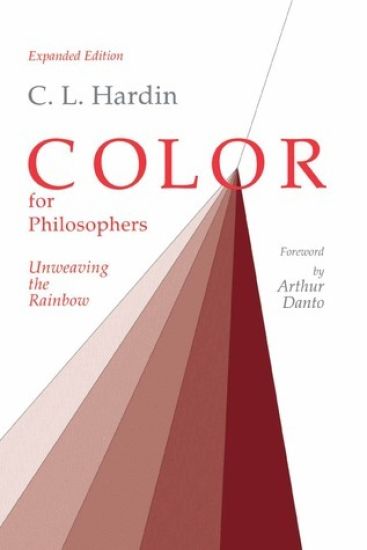
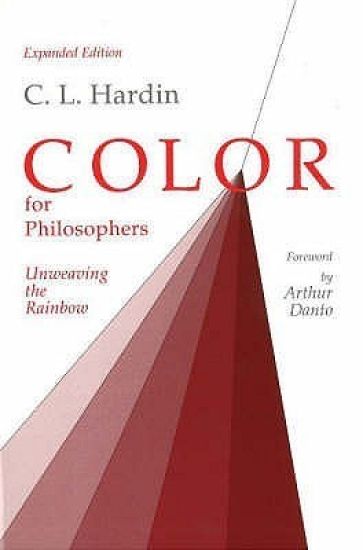
Color for Philosophers

Color for Philosophers

C. L. Hardin

Hackett Publishing Co, Inc
1988
pokkari
Awarded the 1986 Johnsonian Prize in Philosophy. This work on colour features a chapter, 'Further Thoughts: 1993', in which the author revisits the dispute between colour objectivists and subjectivists from the perspective of the ecology, genetics, and evolution of colour vision.
Color for Philosophers

Color for Philosophers

C. L. Hardin; Arthur Danto

Hackett Publishing Co, Inc
1988
sidottu
This expanded edition of C. L. Hardin's ground-breaking work on color features a new chapter, Further Thoughts: 1993, in which the author revisits the dispute between color objectivists and subjectivists from the perspective of the ecology, genetics, and evolution of color vision, and brings to bear new data on individual variability in color perception.