

Kirjahaku
Etsi kirjoja tekijän nimen, kirjan nimen tai ISBN:n perusteella.
1000 tulosta hakusanalla Edmundo LLAMAS ALBA

Edmund Burke's Speech On Conciliation With The American Colonies
Edmund Burke
Hutson Street Press
2025
sidottu

First published in 1971, Edmund Spenser presents a comprehensive overview of Spencer's work, including the minor poems and the prose View of Ireland. There are chapters on the Shepheardes Calendar, the Complaints poems, the great love and religious poetry of 1595-6 and The Faerie Queene. The author illustrates the range of Spencer's imaginative and poetic skills in pastoral, elegy, lyric, satire, sonnet, ode, epithalamium, religious ode and epic, and shows why he was the most popular of Elizabethan poets. This is a must read for scholars of English literature in English poetry.

First published in 1925, Edmund Spenser is a scholarly examination of Edmund Spenser's contributions to Renaissance literature. Renwick delves into Spenser's poetic artistry, exploring his major works, including The Faerie Queene, and their significance within the cultural and intellectual context of the Elizabethan era. The book analyzes Spenser's use of allegory, his innovative approach to language and form, and his influence on the development of English poetry. Renwick's essay remains a valuable resource for understanding Spenser's role in shaping Renaissance poetry and his enduring literary legacy.

Edmund's Little Black Book: The Perfect Dating Companion for a Handsome Man Named Edmund. A secret place for names, phone numbers, and addresses.
Wingman Publishing
Independently Published
2019
nidottu
Keep a record of all the girls that catch your eye

Edmund Kemper: The Co-Ed Killer: The Co-Ed Killer
Judy Dodge Cummings
Essential Library
2024
sidottu


Speech of Edmund Burke on Moving His Resolutions for Conciliation With the Colonies
Edmund Burke; Anna A. (EDT) Fisher
Kessinger Pub
2009
pokkari


Speech Of Edmund Burke On Conciliation With The Colonies (1900)
Edmund Burke
KESSINGER PUBLISHING, LLC
2009
pokkari

Edmund Burke's Speech In The House Of Commons, March 22, 1775, On Moving His Resolutions For Conciliation With The Colonies (1897)
Edmund Burke
KESSINGER PUBLISHING, LLC
2009
pokkari
The Epistolary Correspondence Of The Right Hon. Edmund Burke And Dr. French Laurence (1827)
Edmund Burke; French Laurence
KESSINGER PUBLISHING, LLC
2009
pokkari
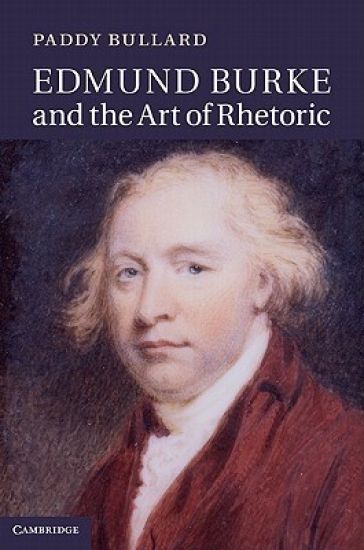
Edmund Burke ranks among the most accomplished orators ever to debate in the British Parliament. But often his eloquence has been seen to compromise his achievements as a political thinker. In the first full-length account of Burke's rhetoric, Bullard argues that Burke's ideas about civil society, and particularly about the process of political deliberation, are, for better or worse, shaped by the expressiveness of his language. Above all, Burke's eloquence is designed to express ethos or character. This rhetorical imperative is itself informed by Burke's argument that the competency of every political system can be judged by the ethical knowledge that the governors have of both the people that they govern and of themselves. Bullard finds the intellectual roots of Burke's 'rhetoric of character' in early modern moral and aesthetic philosophy, and traces its development through Burke's parliamentary career to its culmination in his masterpiece, Reflections on the Revolution in France.
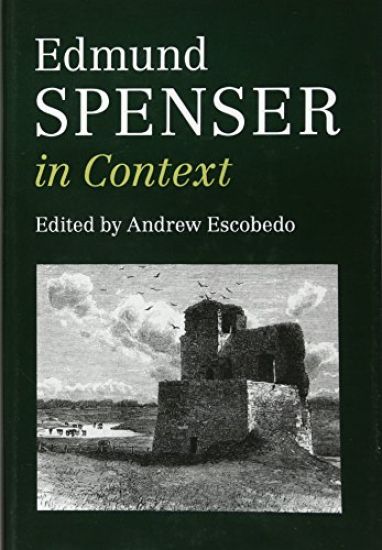
Edmund Spenser in Context
Cambridge University Press
2016
sidottu
Edmund Spenser's poetry remains an indispensable touchstone of English literary history. Yet for modern readers his deliberate use of archaic language and his allegorical mode of writing can become barriers to understanding his poetry. This volume of thirty-seven essays, written by distinguished scholars, offers a rich introduction to the literary, political and religious contexts that shaped Spenser's poetry, including the environment in which he lived, the genres he drew upon, and the influences that helped to fashion his art. The collection reveals the multiple personae that Spenser constructs within his work: to read Spenser is to read a rich archive of literary forms, and this volume provides the contexts in which to do so. A reading list at the end of the volume will prove invaluable to further study.
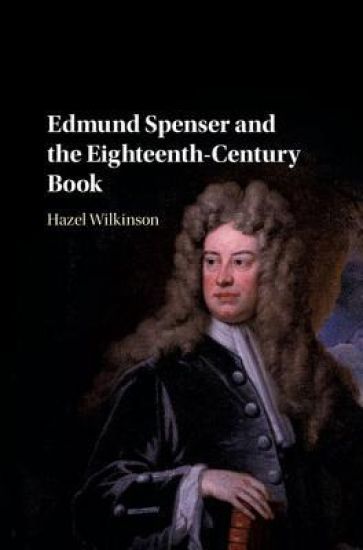
Edmund Spenser and the Eighteenth-Century Book
Hazel Wilkinson
Cambridge University Press
2017
sidottu
Edmund Spenser's epic poem The Faerie Queene (1590–6) occupied an important place in eighteenth-century culture. Spenser influenced almost every major writer of the century, from Alexander Pope to William Wordsworth. What was it like to read Spenser in the eighteenth century? Who made Spenserian books, and how did their owners use and interpret them? The first comprehensive study of all of the eighteenth-century editions of Edmund Spenser addresses these questions through bibliographical analysis, and through examination of the history of the book and of eighteenth-century literature and culture. Within these contexts, Hazel Wilkinson provides new information about the production, contents, texts, and reception of the eighteenth-century editions of Spenser, to illuminate how his cultural presence became so far-reaching. With each chapter structured around a major edition of Spenser's work, this volume provides a timely addition to arguments about the nature of literary history and the growing cult of great writers of the past.

Edmund Burke ranks among the most accomplished orators ever to debate in the British Parliament. But often his eloquence has been seen to compromise his achievements as a political thinker. In the first full-length account of Burke's rhetoric, Bullard argues that Burke's ideas about civil society, and particularly about the process of political deliberation, are, for better or worse, shaped by the expressiveness of his language. Above all, Burke's eloquence is designed to express ethos or character. This rhetorical imperative is itself informed by Burke's argument that the competency of every political system can be judged by the ethical knowledge that the governors have of both the people that they govern and of themselves. Bullard finds the intellectual roots of Burke's 'rhetoric of character' in early modern moral and aesthetic philosophy, and traces its development through Burke's parliamentary career to its culmination in his masterpiece, Reflections on the Revolution in France.
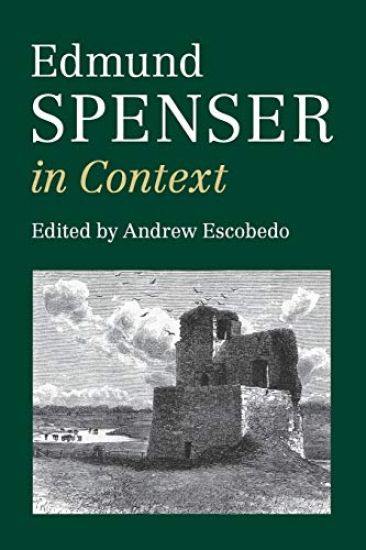
Edmund Spenser in Context
Cambridge University Press
2019
pokkari
Edmund Spenser's poetry remains an indispensable touchstone of English literary history. Yet for modern readers his deliberate use of archaic language and his allegorical mode of writing can become barriers to understanding his poetry. This volume of thirty-seven essays, written by distinguished scholars, offers a rich introduction to the literary, political and religious contexts that shaped Spenser's poetry, including the environment in which he lived, the genres he drew upon, and the influences that helped to fashion his art. The collection reveals the multiple personae that Spenser constructs within his work: to read Spenser is to read a rich archive of literary forms, and this volume provides the contexts in which to do so. A reading list at the end of the volume will prove invaluable to further study.