

Kirjahaku
Etsi kirjoja tekijän nimen, kirjan nimen tai ISBN:n perusteella.
1000 tulosta hakusanalla Emma E. Cook
Emma, by Jane Austen, is a novel about youthful hubris and the perils of misconstrued romance. The novel was first published in December 1815. As in her other novels, Austen explores the concerns and difficulties of genteel women living in Georgian-Regency England; she also creates a lively comedy of manners among her characters. Before she began the novel, Austen wrote, "I am going to take a heroine whom no one but myself will much like." In the first sentence, she introduces the title character as "Emma Woodhouse, handsome, clever, and rich." Emma is spoiled, headstrong, and self-satisfied; she greatly overestimates her own matchmaking abilities; she is blind to the dangers of meddling in other people's lives; and her imagination and perceptions often lead her astray. This novel has been adapted for several films, many television programs, and a long list of stage plays.
Emma, by Jane Austen, is a novel about youthful hubris and the perils of misconstrued romance. As in her other novels, Austen explores the concerns and difficulties of genteel women living in Georgian-Regency England; she also creates a lively comedy of manners among her characters. Before she began the novel, Austen wrote, "I am going to take a heroine whom no one but myself will much like." In the first sentence, she introduces the title character as "Emma Woodhouse, handsome, clever, and rich." Emma is spoiled, headstrong, and self-satisfied; she greatly overestimates her own matchmaking abilities; she is blind to the dangers of meddling in other people's lives; and her imagination and perceptions often lead her astray.

Emma, by Jane Austen, is a novel about youthful hubris and the perils of misconstrued romance. As in her other novels, Austen explores the concerns and difficulties of genteel women living in Georgian-Regency England; she also creates a lively comedy of manners among her characters. Before she began the novel, Austen wrote, "I am going to take a heroine whom no one but myself will much like." In the first sentence, she introduces the title character as "Emma Woodhouse, handsome, clever, and rich." Emma is spoiled, headstrong, and self-satisfied; she greatly overestimates her own matchmaking abilities; she is blind to the dangers of meddling in other people's lives; and her imagination and perceptions often lead her astray.


Emma est un roman de la femme de lettres anglaise Jane Austen, publi anonymement en d cembre 1815. C'est un roman de moeurs, qui, au travers de la description narquoise des tentatives de l'h ro ne pour faire rencontrer aux c libataires de son entourage le conjoint id al, peint avec humour la vie et les probl mes de la classe provinciale ais e sous la R gence.

In one of Austen's finest novels, a lively young heiress takes up matchmaking and creates comic confusion for a social-climbing parson, a chatterbox spinster, an enigmatic Romeo, and others in a 19th-century English village.

Emma is a comic novel by Jane Austen, first published in December 1815, about the perils of misconstrued romance. The main character, Emma Woodhouse, is described in the opening paragraph as "handsome, clever, and rich" but is also rather spoiled. Prior to starting the novel, Austen wrote, "I am going to take a heroine whom no-one but myself will much like."
Emma is a comic novel by Jane Austen, first published in December 1815, about the perils of misconstrued romance. The main character, Emma Woodhouse, is described in the opening paragraph as "handsome, clever, and rich" but is also rather spoiled. Prior to starting the novel, Austen wrote, "I am going to take a heroine whom no-one but myself will much like."
Emma is a comic novel by Jane Austen, first published in December 1815, about the perils of misconstrued romance. The main character, Emma Woodhouse, is described in the opening paragraph as "handsome, clever, and rich" but is also rather spoiled. Prior to starting the novel, Austen wrote, "I am going to take a heroine whom no-one but myself will much like."

Emma is a comic novel by Jane Austen, first published in December 1815, about the perils of misconstrued romance. The main character, Emma Woodhouse, is described in the opening paragraph as "handsome, clever, and rich" but is also rather spoiled. Prior to starting the novel, Austen wrote, "I am going to take a heroine whom no-one but myself will much like."
Emma, by Jane Austen, is a novel about youthful hubris and the perils of misconstrued romance. The novel was first published in December 1815. As in her other novels, Austen explores the concerns and difficulties of genteel women living in Georgian-Regency England; she also creates a lively comedy of manners among her characters. Before she began the novel, Austen wrote, "I am going to take a heroine whom no one but myself will much like." In the first sentence, she introduces the title character as "Emma Woodhouse, handsome, clever, and rich." Emma is spoiled, headstrong, and self-satisfied; she greatly overestimates her own matchmaking abilities; she is blind to the dangers of meddling in other people's lives; and her imagination and perceptions often lead her astray. This novel has been adapted for several films, many television programs, and a long list of stage plays.
Emma is a comic novel by Jane Austen, first published in December 1815, about the perils of misconstrued romance. The main character, Emma Woodhouse, is described in the opening paragraph as "handsome, clever, and rich" but is also rather spoiled. Prior to starting the novel, Austen wrote, "I am going to take a heroine whom no-one but myself will much like."
Emma, by Jane Austen, is a novel about youthful hubris and the perils of misconstrued romance. The story takes place in the fictional village of Highbury and the surrounding estates of Hartfield, Randalls, and Donwell Abbey and involves the relationships among individuals in those locations.
Emma is a comic novel by Jane Austen, first published in December 1815, about the perils of misconstrued romance. The main character, Emma Woodhouse, is described in the opening paragraph as "handsome, clever, and rich" but is also rather spoiled. Prior to starting the novel, Austen wrote, "I am going to take a heroine whom no-one but myself will much like."
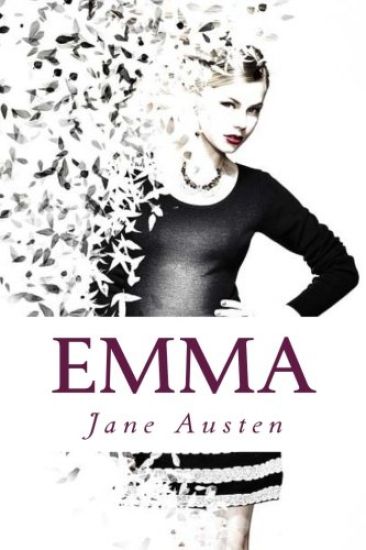
Emma, by Jane Austen, is a novel about youthful hubris and the perils of misconstrued romance. The novel was first published in December 1815. As in her other novels, Austen explores the concerns and difficulties of genteel women living in Georgian-Regency England; she also creates a lively comedy of manners among her characters. Before she began the novel, Austen wrote, "I am going to take a heroine whom no one but myself will much like." 2] In the first sentence she introduces the title character as "Emma Woodhouse, handsome, clever, and rich." Emma is spoiled, headstrong, and self-satisfied; she greatly overestimates her own matchmaking abilities; she is blind to the dangers of meddling in other people's lives; and her imagination and perceptions often lead her astray. Like all of Jane Austen's novels, Emma is a novel of courtship and social manners. The majority of the book focuses on the question of marriage: who will marry whom and for what reasons will they marry: love, practicality, or necessity? At the center of the narration is the title character, Emma Woodhouse, a heiress who lives with her widowed father at their estate, Hartfield. Noted for her beauty and cleverness, Emma is somewhat wasted in the small village of Highbury but takes a great deal of pride in her matchmaking skills. Unique among other women her age, she has no particular need to marry: she is in the unique situation of not needing a husband to supply her fortune. This novel has been adapted for several films, many television programs, and a long list of stage plays.