Discover the hidden, superior approach to mindfulness. In this short, contrarian guide bestselling stress management author Tim Grimes connects Zen Buddhism with the teachings of Neville Goddard to explore the concept of mindfulness. The result is a surprisingly practical explanation of how to become more mindful in our day-to-day lives.
Tim Adams has been matching people with the right equipment for their fitness goals and budgets for 30 years and, whether outfitting an entire commercial facility or selling a single treadmill or spin bike, his objective is always the same; to be sure that his customers get what THEY need - not what he would like to sell. This short book is the next logical step toward that objective.Following this guide will help you determine the best fitness equipment for you - equipment that fits your fitness and health goals as well as your budget requirements. With a little planning and consideration, every piece you purchase will be well-suited to your fitness goals without breaking the bank and will be well-loved and well-used.Whether you want a complete home gym or a single piece of equipment, use this guide to learn the differences between types of fitness equipment, what they're used for and how they might benefit you and, most importantly, whether or not they will be a good fit for your specific needs.This book will make you better equipped to research, shop for, and purchase everything you need to put together your perfect home gym. You will be at ease shopping online or in a store without fear. Armed with the knowledge you need and your carefully laid plan, no salesperson, friend, or relative will be in a position to steer you to a purchase that doesn't meet your needs.
The first book in a series on building improvised weapons and improvised gunsmithing. This book explores building an improvised Sharps action and building a home built weapon using this action.
Newly installed sheriff, Ted Kline, crosses paths with a dangerous, murderous human trafficker called Sobaka, the Russian word for "dog". No one knows his real name or how he can vanish when the law is closing in on him. For Kline, help comes from the expected and unexpected as he closes in on the Ghost Dog. Page turning, nail biting excitement from the characters you love.
Three men in a boat, a tiny boat on a raging sea. The Seventh novel in the award-winning "Tropical Frontier" series, The Hermit continues the tale of Charlie MacLeod.
The Eighth novel in the award-winning "Tropical Frontier" series, The Good Dog is the prequel to The Cow Hunters. This is the story of one dog's journey to discover a place called home.
When Christine and Tim Stevich decided to renovate a unique old house they had lived in for over a decade, located outside a small, rural town, they thought they had made the right decision. After renovating it into their dream home, they celebrat...
When Christine and Tim Stevich decided to renovate a unique old house they had lived in for over a decade, located outside a small, rural town, they thought they had made the right decision. After renovating it into their dream home, they celebrat...
Take a look at the wackier side of history!Why did the first pyramids fall down? How did Tutankhamun die? And what really happened to the pharaoh's brain? Discover the answers to these questions and much more in A Question of History: The Ancient Egyptians!With an engaging question and answer format, this series draws young readers into the fascinating, sometimes gruesome, world of famous peoples and civilisations through history. Each spread opens with a simple question, opening up an exploration of an aspect of the life of a people or civilisation and busting some popular myths along the way!The lively lay-out is supported by annotated photos and cartoons, making history fun and accessible for every young reader.Titles in the series: What happened to mummies' brains? And other questions about the Ancient EgyptiansDid the kings of Benin really keep pet leopards? And other questions about the kingdom of BeninDid the Celts really use hair gel? And other questions about the Stone Age, Iron Age and Bronze AgeWhy did the ancient Greeks use elephants in battle? And other questions about the ancient GreeksWhy did the Maya stick needles in their tongues? And other questions about the MayaDid the Romans really eat flamingos? And other questions about the RomansWhy did the Shang write on turtles? And other questions about the Shang Dynasty Did the Vikings really wear horns on their helmets? And other questions about the Vikings
Take a look at the wackier side of history!Did the Maya really invent hot chocolate? Why did they have pointed heads? And did the Maya civilisation really disappear?With an engaging question and answer format, this series draws young readers into the fascinating, sometimes gruesome, world of famous peoples and civilisations through history. Each spread opens with a simple question, opening up an exploration of an aspect of the life of a people or civilisation and busting some popular myths along the way!.The lively lay-out is supported by annotated photos and cartoons, making history fun and accessible for readers aged 9+.Titles in the series: What happened to mummies' brains? And other questions about the Ancient EgyptiansDid the kings of Benin really keep pet leopards? And other questions about the kingdom of BeninDid the Celts really use hair gel? And other questions about the Stone Age, Iron Age and Bronze AgeWhy did the ancient Greeks use elephants in battle? And other questions about the ancient GreeksWhy did the Maya stick needles in their tongues? And other questions about the MayaDid the Romans really eat flamingos? And other questions about the RomansWhy did the Shang write on turtles? And other questions about the Shang Dynasty Did the Vikings really wear horns on their helmets? And other questions about the Vikings
Discover the weird and wacky history of the Vikings!Why did Viking houses smell of fish (eew)? Did they really have horns on their helmets? And were the Vikings really the vainest people in Europe?With an engaging question and answer format, this series draws young readers into the fascinating, sometimes gruesome, world of famous peoples and civilisations through history. Each spread opens with a simple question, opening up an exploration of an aspect of the life of a people or civilisation and busting some popular myths along the way!.The lively lay-out is supported by annotated photos and cartoons, making history fun and accessible for every young reader.Titles in the series: What happened to mummies' brains? And other questions about the Ancient EgyptiansDid the kings of Benin really keep pet leopards? And other questions about the kingdom of BeninDid the Celts really use hair gel? And other questions about the Stone Age, Iron Age and Bronze AgeWhy did the ancient Greeks use elephants in battle? And other questions about the ancient GreeksWhy did the Maya stick needles in their tongues? And other questions about the MayaDid the Romans really eat flamingos? And other questions about the RomansWhy did the Shang write on turtles? And other questions about the Shang Dynasty Did the Vikings really wear horns on their helmets? And other questions about the Vikings
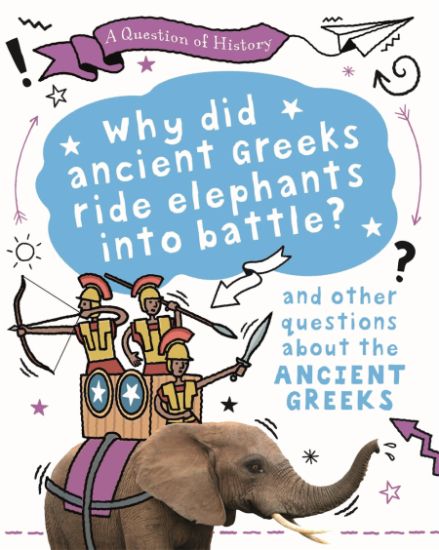
Take a look at the wackier side of history!Why did Minoans have strong ankles? How did an owl inspire a city? And why on Earth did the ancient Greeks exercise NAKED?With an engaging question and answer format, this series draws young readers into the fascinating, sometimes gruesome, world of famous peoples and civilisations through history. Each spread opens with a simple question, opening up an exploration of an aspect of the life of a people or civilisation and busting some popular myths along the way!.The lively lay-out is supported by annotated photos and cartoons, making history fun and accessible for every young reader.Titles in the series: What happened to mummies' brains? And other questions about the Ancient EgyptiansDid the kings of Benin really keep pet leopards? And other questions about the kingdom of BeninDid the Celts really use hair gel? And other questions about the Stone Age, Iron Age and Bronze AgeWhy did the ancient Greeks use elephants in battle? And other questions about the ancient GreeksWhy did the Maya stick needles in their tongues? And other questions about the MayaDid the Romans really eat flamingos? And other questions about the RomansWhy did the Shang write on turtles? And other questions about the Shang Dynasty Did the Vikings really wear horns on their helmets? And other questions about the Vikings
Take a look at the wackier side of history!Who were the Shang people? Why did they LOVE mud and moths? And just what made the Shang such fearsome warriors? A Question of History: The Shang Civilisation answers all these questions and much more.With an engaging question and answer format, this series draws young readers into the fascinating, sometimes gruesome, world of famous peoples and civilisations through history. Each spread opens with a simple question, opening up an exploration of an aspect of the life of a people or civilisation and busting some popular myths along the way!The lively lay-out is supported by annotated photos and cartoons, making history fun and accessible for readers aged 8+.Titles in the series: What happened to mummies' brains? And other questions about the Ancient EgyptiansDid the kings of Benin really keep pet leopards? And other questions about the kingdom of BeninDid the Celts really use hair gel? And other questions about the Stone Age, Iron Age and Bronze AgeWhy did the ancient Greeks use elephants in battle? And other questions about the ancient GreeksWhy did the Maya stick needles in their tongues? And other questions about the MayaDid the Romans really eat flamingos? And other questions about the RomansWhy did the Shang write on turtles? And other questions about the Shang Dynasty Did the Vikings really wear horns on their helmets? And other questions about the Vikings