Kirjojen hintavertailu. Mukana 12 095 112 kirjaa ja 12 kauppaa.

Kirjahaku

Etsi kirjoja tekijän nimen, kirjan nimen tai ISBN:n perusteella.

1000 tulosta hakusanalla Virginia Woolf

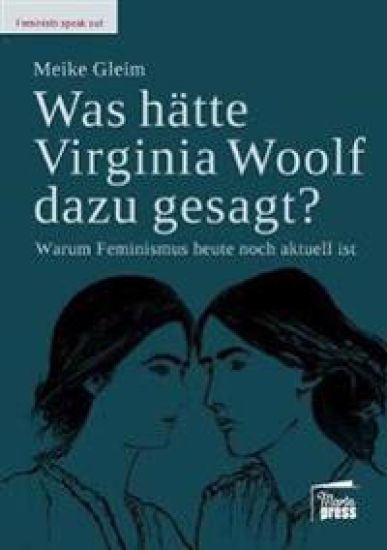
Was hätte Virginia Woolf dazu gesagt?
Was passiert, wenn wir ein altes, "staubiges" Buch wieder in die Hand nehmen? Meistens nichts Aber manchmal ... kann so ein Buch ein wahres Pulverfass sein und eine Explosion von Emotionen, Gedanken und Ideen ausl sen, die ein neues Buch hervorbringen. Das Ergebnis ist das vorliegende Buch: ein Dialog mit Virginia Woolfs Buch "Ein Zimmer f r sich allein" - und mit ihr h chstpers nlich. Es ist eine feministische Bestandsaufnahme der Gegenwart, eine Analyse der Rollenverteilung in Kindererziehung und Caretaking, der Verh ltnisse zwischen den Geschlechtern am Arbeitsplatz und des Bildes der Frauen in den Medien. Zusammengefasst gesagt: Ein erfrischend neuer Zugang zu Virginia Woolfs Buch und ihrem Denken sowie eine Analyse der Gegenwart aus feministischer Perspektive, die selbst in ihrer Methode und Form von Woolf inspiriert ist.
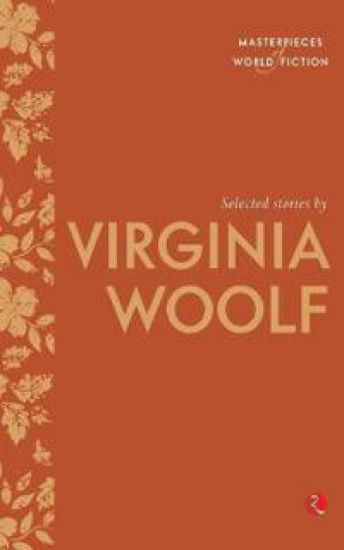
Selected Stories By Virginia Woolf
on the eve of the battle of panipat, zahiruddin muhammad babur gathers his forces to fight the formidable lodhi sultan and regain hindustan, the land of riches that his ancestor temur once ruled. his confidence is boosted by his pride in the martial skills of his beloved son and heir, humayun. but little do the father and son know that their biggest threat lies not in the fields of war, but within the intricate web of relationships they have woven around themselves babur with his wives, who are constantly engaged in games of oneupmanship, and humayun with the alluring concubine sona. can babur really trust anyone, even those who are closest to him? will the mughals be able to defeat their enemies, both outside and within?
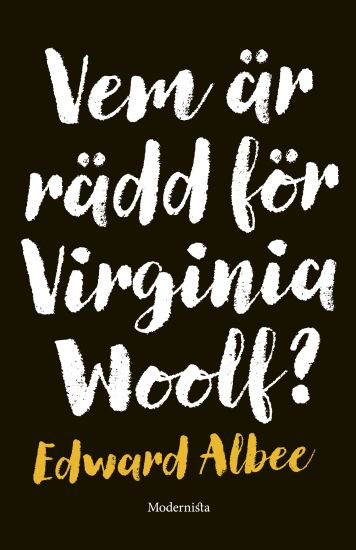
Vem är rädd för Virginia Woolf?

Vem är rädd för Virginia Woolf?

Edward Albee

Modernista
2017
sidottu
Nattsvart komedi och modern klassikerI Edward Albees klassiska nattsvarta komedi Vem är rädd för Virginia Woolf? möter vi George och Martha (namngivna efter presidentmakarna Washington) och några halvfrämlingar de plockat upp på en fest. De står inför en brinnande natt av oförglömliga smädelser - och livsfarliga lekar. Vid nattens ände väntar den knappt uthärdliga klimax som chockerat generationer av läsare och åskådare sedan dramats urpremiär i New York 1962.Titeln är enligt författaren själv en formel för att utmana vem som helst att se »livet minus alla falska illusioner«. Edward Albees Vem är rädd för Virginia Woolf? hör till den moderna amerikanska litteraturens största klassiker.Här i bokform på svenska för första gången på hela 53 år i Sven Barthels klassiska översättning. EDWARD ALBEE [f. 1928] är en amerikansk författare och dramatiker. Hans tidiga dramer räknas som den amerikanska litteraturens viktigaste bidrag till den absurda teatern i Jean Genets, Samuel Becketts och Eugène Ionescos efterföljd. Mest berömt är Vem är rädd för Virginia Woolf? [Who' s Afraid of Virginia Woolf?, 1962], som spelades 664 kvällar efter premiären, och som filmatiserades 1966 i regi av Mike Nichols. Dramat har återuppförts på Broadway ett flertal gånger, senast 2012.»Den finns en stark känsla av fara i Edward Albees verk, och man vet aldrig riktigt vad som ska hända härnäst. Jag tror att en av de viktigaste ingredienserna i hans verk är ofoget.« | Harold Pinter»Det verbala sparrandet och våldet i Edward Albees tidiga mästerverk är häpnadsväckande, rentav skrämmande, och ändå så bittert, fruktansvärt roligt.« | The Times
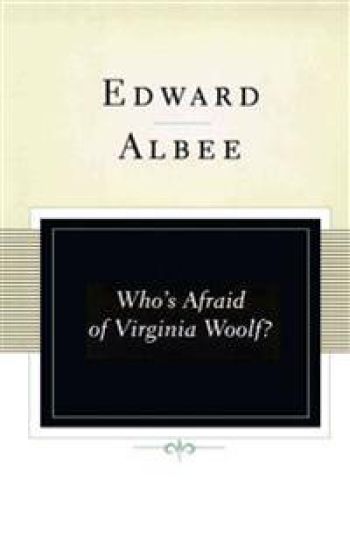
Who's Afraid of Virginia Woolf?

Who's Afraid of Virginia Woolf?

Edward Albee

Simon Schuster
2003
sidottu
George, a disillusioned academic, and Martha, his caustic wife, have just come home from a faculty party. When a handsome young professor and his mousy wife stop by for a nightcap, an innocent night of fun and games quickly turns dark and dangerous. Long-buried resentment and rage are unleashed as George and Martha turn their rapier-sharp wits against each other, using their guests as pawns in their verbal sparring. By night's end, the secrets of both couples are uncovered and the lies they cling to are exposed. Considered by many to be Albee's masterpiece, Who's Afraid of Virginia Woolf? is a brilliantly original work of art -- an excoriating theatrical experience, surging with shocks of recognition and dramatic fire (Newsweek).
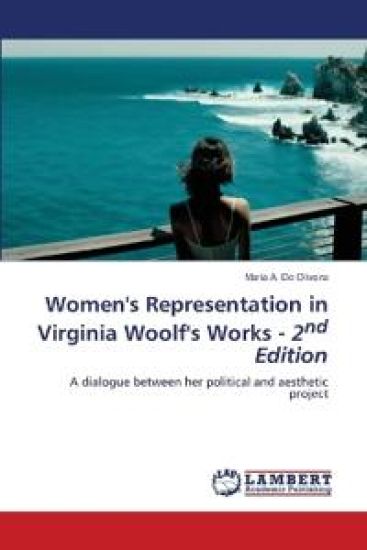
Women's Representation in Virginia Woolf's Works - 2nd Edition

Women's Representation in Virginia Woolf's Works - 2nd Edition

Maria A de Oliveira

Lap Lambert Academic Publishing
2025
pokkari
"The approach here is to focus upon Woolf's fusions of politics and aesthetics, in a complex interweaving of questions regarding the aestheticization of the political (through studies of A Room of One's Own and Three Guineas), and the politicization of the aesthetics (in To The Lighthouse and Mrs Dalloway). This is a sophisticated argument about unities in Virginia Woolf's diverse work genres, her political essays and novels, asking what links them? In reconsidering the essays in a new way, Maria focuses on Woolf's "writing strategies", her "thinking process", a network of connections "to show how her political project is intrinsically linked to her aesthetic project, and her "vision of feminism."" Suzanne Bellamy.
The Edinburgh Companion to Virginia Woolf, Modernism and Religion
The Edinburgh Companion to Virginia Woolf, Modernism and Religion makes exciting interventions into debates about the beliefs and spiritual commitments of one of the most celebrated writers of the twentieth century. Although critics and readers have often assumed that Virginia Woolf is hostile or indifferent to religion, her work is, in fact, from early to late, traversed with reflections about religious, spiritual and sacred meaning and experience. Featuring twenty-eight new essays by established and emerging scholars, this Companion is the first to consider Woolf’s perspectives on global religious traditions including Christianity, Judaism, Islam, Buddhism, Hinduism and Quakerism within the context of literary and cultural modernisms. The volume draws on a diverse range of theoretical and critical methods to showcase the multi-layered complexities of Woolf’s approaches to the sacred. Together the contributors provide a thorough re-assessment of the assumption that Woolf was an atheist and illuminate insights about her work in relation to twenty-first century critical discourse about religion, ethics, spirituality and mysticism while giving new attention to feminist perspectives, queer desire, sacred ecologies and narrative poetics.
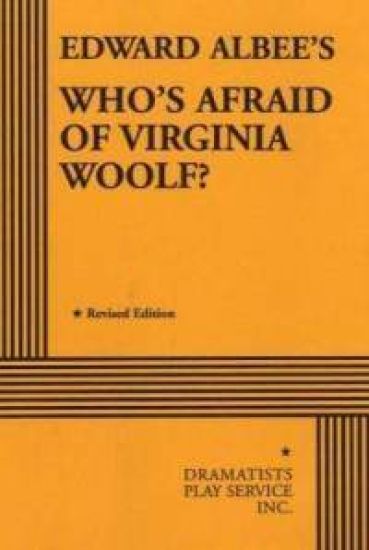
Who's Afraid of Virginia Woolf?

Who's Afraid of Virginia Woolf?

Edward Albee

Dramatists Play Service Inc
1962
nidottu
George, a professor at a small college, and his wife, Martha, have just returned home, drunk from a Saturday night party. Martha announces, amidst general profanity, that she has invited a young couple - an opportunistic new professor at the college and his na ve new bride - to stop by for a nightcap. When they arrive the charade begins. The drinks flow and inhibitions melt. It becomes clear that Martha is determined to seduce the young professor, and George couldn't care less. But underneath the edgy banter which engulfs both couples lurks an undercurrent of tragedy and despair. George and Martha's inhuman bitterness toward one another is provoked by the enormous personal sadness that they have pledged to keep to themselves: a secret that has seemingly been the foundation for their relationship. In the end, the mystery in which the distressed George and Martha have taken refuge is exposed, finally revealing the degrading mess they have made of their lives.
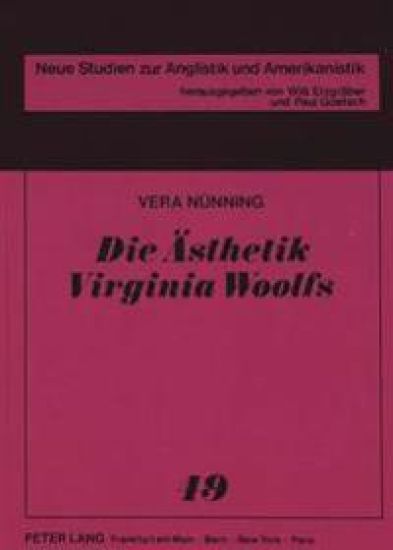
Die Aesthetik Virginia Woolfs

Die Aesthetik Virginia Woolfs

Vera Nünning

Peter Lang AG
1990
nidottu
Wahrend Virginia Woolfs Romane Gegenstand zahlloser Interpretationen sind, haben ihre nichtfiktionalen Schriften, insbesondere ihr breites literaturkritisches Oeuvre, bislang nur wenig Beachtung gefunden. Durch eine Rekonstruktion von Woolfs philosophischen Grundanschauungen und ihrer produktions-, rezeptions- und darstellungsasthetischen Uberlegungen versucht diese Studie, Woolfs Asthetik in ihrem systematischen Zusammenhang darzustellen und die Integrativitat und Koharenz der zugrundeliegenden Literaturtheorie aufzuweisen, vor deren Hintergrund auch Woolfs Theorie des 'Neuen Romans' verstandlich wird."
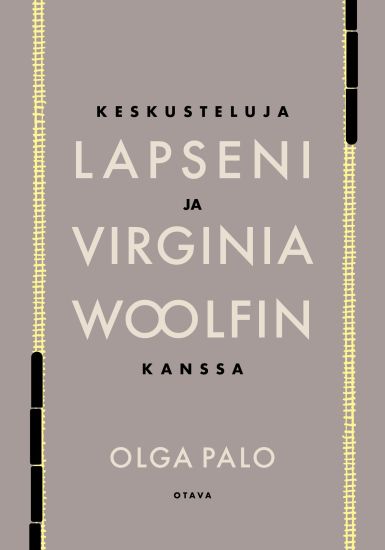
Keskusteluja lapseni ja Virginia Woolfin kanssa
Omakohtainen esseeromaani on fantastisen terävänäköinen, villi ja kaivattu päivitys vanhemmuudesta.Nainen on junamatkalla lapsensa kanssa. Junan kulkiessa eteenpäin hän katsoo taakse ja pohtii avoimesti äitiyden äärellä tuntemaansa kitkaa.Teos tutkii uteliaasti lapsuudenperheen, lasten syntymisen ja taiteentekemisen ydinkysymyksiä. Se on lapsellisen ihmisen Oma Huone - sen seinät vuotavat.Moniaalle kurkottava ja intersektionaalisilla raiteilla kulkeva kertomus kysyy tarkkaan ja koskettavasti, millaista on olla kiinni muissa ihmisissä, ruumiissa ja maailmassa.
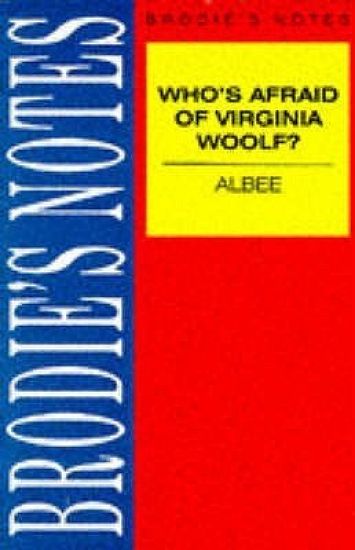
Albee: Who's Afraid of Virginia Woolf?

Albee: Who's Afraid of Virginia Woolf?

Gavin Selerie

Red Globe Press
1992
nidottu
Part of a series of literature guides designed for GCSE coursework requirements, this book contains - author details, background to the work, summaries of the text, critical commentaries, analysis of characterization, and sample questions with guideline answers.
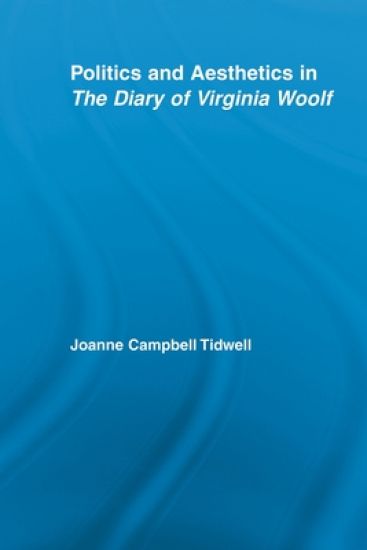
Politics and Aesthetics in The Diary of Virginia Woolf
In this critical study, Tidwell examines the conflict of aesthetics and politics in The Diary of Virginia Woolf. As a modernist writer concerned with contemporary aesthetic theories, Woolf experimented with limiting the representative nature of writing. At the same time, as a feminist, Woolf wanted to incorporate her political interests in her fiction, but overt political statement conflicted with her aesthetic ideals. Her solution was to combine innovative narrative techniques and subject matter traditionally associated with women. Tidwell analyzes several of Woolf’s novels, including To the Lighthouse, Jacob’s Room, and Between the Acts to elucidate the diary’s technique and form, as well as to cast it as a valuable contribution to Woolf’s canon.
Politics and Aesthetics in The Diary of Virginia Woolf
In this critical study, Tidwell examines the conflict of aesthetics and politics in The Diary of Virginia Woolf. As a modernist writer concerned with contemporary aesthetic theories, Woolf experimented with limiting the representative nature of writing. At the same time, as a feminist, Woolf wanted to incorporate her political interests in her fiction, but overt political statement conflicted with her aesthetic ideals. Her solution was to combine innovative narrative techniques and subject matter traditionally associated with women. Tidwell analyzes several of Woolf’s novels, including To the Lighthouse, Jacob’s Room, and Between the Acts to elucidate the diary’s technique and form, as well as to cast it as a valuable contribution to Woolf’s canon.