Observera att förlaget som ger ut denna produkt baserar innehållet i sina produkter på fria källor som Wikipedia. Boken är med stor sannolikhet endast ett utdrag ur dessa informationskällor, alltså inte en vanlig bok i den bemärkelsen.
Observera att förlaget som ger ut denna produkt baserar innehållet i sina produkter på fria källor som Wikipedia. Boken är med stor sannolikhet endast ett utdrag ur dessa informationskällor, alltså inte en vanlig bok i den bemärkelsen.
Observera att förlaget som ger ut denna produkt baserar innehållet i sina produkter på fria källor som Wikipedia. Boken är med stor sannolikhet endast ett utdrag ur dessa informationskällor, alltså inte en vanlig bok i den bemärkelsen.
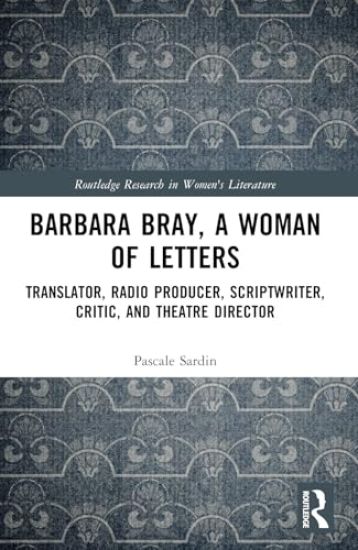
Barbara Bray (1924-2010) was an English woman of letters who translated some hundred novels, plays, and essays from French to English and was Marguerite Duras’s preferred translator. She also collaborated with some of the most prestigious directors and playwrights of the 20th century – Harold Pinter, Samuel Beckett, Joseph Losey, and Franco Zeffirelli – helping them write screenplays and radioplays. This literary biography (re)evaluates in a textual, sociological, and historical perspective the social role of an English writer and translator in the history of ideas and contemporary art. Highlighting Bray’s influence in cultural transfers of ideas and literatures between France, Great Britain, and the United States, it renders visible the yet unrecognised work of a female mediator and creator. It nourishes the debate about women’s public voice and the representation of women in the media industries and contributes to enrich the ‘other’ history that is being currently written by feminist scholars around the world.
A wonderful new novel from Liverpool’s best-loved author. A tale of loss and love set in post-Second World War England and France. This is the story of a young Liverpool woman widowed in the Second World War before she can know the happiness of having a family. With the blessing of her mother, with whom she runs a B&B, she goes to Normandy to see where her husband was killed in the D-Day landings. Once she is there, she meets an impoverished French poultry farmer, now reduced to driving a beaten up (and still rare) taxi and looking after his old mother and dying brother. Will these two find happiness together? A touching love story, a compelling portrayal of the aftermath of war and above all a testament to the courage and endurance of oridinary people, Madame Barbara will delight Helen Forrester’s countless fans.
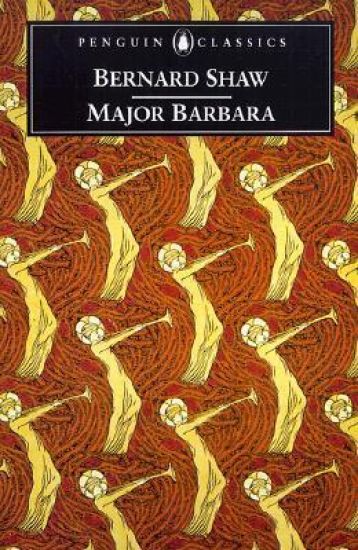
Andrew Undershaft, a millionaire armaments manufacturer, loves money and despises poverty. His estranged daughter Barbara, on the other hand, shows her love for the poor by throwing her energies into her work as a Major in the Salvation Army, and sees her father as another soul to be saved. But when the Army needs funds to keep going, it is Undershaft who saves the day with a large cheque - forcing Barbara to examine her moral assumptions. Are they right to accept money that has been obtained by 'Death and Destruction'? Full of lively comedy and sparkling debate, Major Barbara is one of Shaw's most forward-looking plays, brilliantly testing the tensions between religion, wealth and power, benevolence and equality, and metaphors and realities of war.
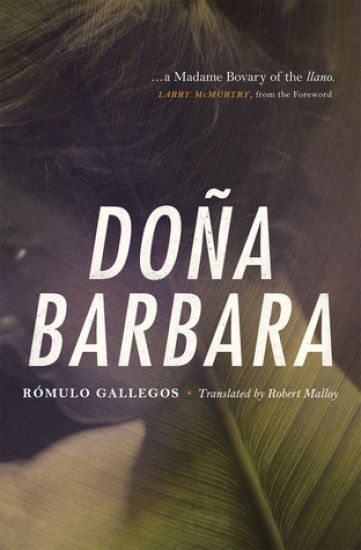
Romulo Gallegos is best known for being Venezuela's first democratically elected president. But in his native land he is equally famous as a writer responsible for one of Venezuela's literary treasures, the novel "Dona Barbara". Published in 1929 and all but forgotten by Anglophone readers, "Dona Barbara" is one of the first examples of magical realism, laying the groundwork for later authors such as Gabriel Garcia Marquez and Mario Vargas Llosa. Following the epic struggle between two cousins for an estate in Venezuela, "Dona Barbara" is an examination of the conflict between town and country, violence and intellect, male and female. Dona Barbara is a beautiful and mysterious woman - rumored to be a witch - with a ferocious power over men. When her cousin Santos Luzardo returns to the plains in order to reclaim his land and cattle, he reluctantly faces off against Dona Barbara, and their battle becomes simultaneously one of violence and seduction. All of the action is set against the stunning backdrop of the Venezuelan prairie, described in loving detail. Gallegos' plains are filled with dangerous ranchers, intrepid cowboys, and damsels in distress, all broadly and vividly drawn. A masterful novel with an important role in the inception of magical realism, "Dona Barbara" is a suspenseful tale that blends fantasy, adventure, and romance. Hailed as "the Bovary of the llano" by Larry McMurtry in his new foreword to this book, "Dona Barbara" is a magnetic and memorable heroine who has inspired numerous adaptations on the big and small screens, including a recent series on Telemundo.