Kirjojen hintavertailu. Mukana 12 049 364 kirjaa ja 12 kauppaa.

Kirjahaku

Etsi kirjoja tekijän nimen, kirjan nimen tai ISBN:n perusteella.

1000 tulosta hakusanalla Dide

Der Dichter Und Die Kunst: Kunstkritik in Frankreich. Baudelaire, Gautier Und Ihre Vorlaufer Diderot, Stendhal Und Heine
Wie brachten die Dichter dem grossen Publikum die Kunstwerke nahe, die in den offentlichen 'Salons' in Paris im Rhythmus von ein oder zwei Jahren ausgestellt wurden? Kunstkritik war oft nicht nur Kritik, sondern poetische Gestaltung des im Kunstwerk enthaltenen emotionellen Gehalts. Bildbetrachtung wurde als ein den ganzen Menschen erfullendes Erleben angesehen. Personliche von einem Kunstwerk ausgeloste Assoziationen und Glucksempfinden wurden kontrovers diskutiert; Stendhal beurteilte die Qualitat eines Gemaldes nach seiner gleichsam erotischen Ausstrahlung; Diderot und Heine nutzten die Besprechung der Ausstellungen zu Plaudereien uber Politik und Religion. Gautier wurde in seiner Leidenschaft fur das tiefgrundig Schone zum Wegbereiter des 'fin de siecle'. Baudelaire formulierte Vorbehalte gegenuber dem sich bildenden Impressionismus sowie der Malerei seines Freundes Manet und skizzierte seine Vision der Moderne.
Otherland

Otherland

Dide

Authorhouse UK
2012
pokkari
A girl's life is changed by a chance encounter with a boy from another planet. Upon meeting, they feel an immediate attraction, leading them to kiss. That catapults the girl into the boy's world. A foreign planet that is geographically similar to her own but full of strange new wonders that fill her with amazement at each discovery. And each breakthrough seems as though it will be the one that changes her life and brings her enlightenment. -KIRKUS REVIEWS
Sredi sadov i tikhikh zavodej
Japonija, XII vek. Katsuro byl luchshim rybakom vo vsej imperii, no eto ne ubereglo ego ot gibeli. On postavljal karpov dlja prudov v imperatorskom gorode i poetomu imel osoboe polozhenie. Teper ego molodaja vdova Mijuki dolzhna zamenit ego i dostavit imperatoru ostavshikhsja posle muzha karpov. Ona budet vynuzhdena prodelat puteshestvie na neskolko soten kilometrov cherez lesa i gory, izbegaja buri i zemletrjasenija, stalkivajas s napadeniem razbojnikov i predatelstvom poputchikov, borjas s vodnymi monstrami i zhestokostju ljudej. I tolko pamjat o schastlivykh mgnovenijakh ikh s Katsuro proshlogo dast Mijuki sily preodolet prepjatstvija i donesti svoju noshu do Sluzhby sadov i zavodej.
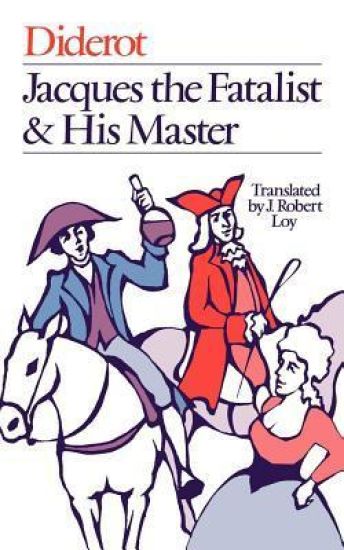
Jacques the Fatalist and His Master

Jacques the Fatalist and His Master

Diderot Denis

WW NORTON CO
1979
nidottu
What happens on the journey? Jacques tells his master his adventures; this story in turn is constantly interrupted by other stories or by Diderot, as narrator, who comes in to tease the reader about the future course of the novel. Diderot is eager to be agreeable, so long as the reader realizes that the fabricator of a novel can as easily proceed in this way as in that. The book foreshadows a number of 19th and 20th century literary techniques, exchanging the rational and classical for shifting perspectives of time, personality, and viewpoint.
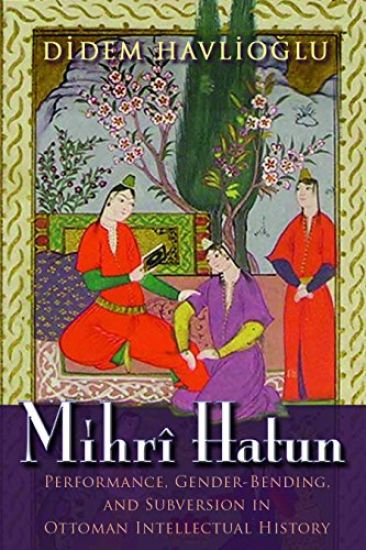
Mihrî Hatun

Mihrî Hatun

Didem Havlioglu

Syracuse University Press
2017
nidottu
The early modern Ottoman poet Mihrî Hatun (1460–1515) succeeded in drawing an admiring audience and considerable renown during a time when few women were accepted into the male-dominated intellectual circles. Her poetry collection is among the earliest bodies of women’s writing in the Middle East and Islamicate literature, providing an exceptional vantage point on intellectual history. With this volume, Havliog?lu not only gives readers access to this rare text but also investigates the factors that allowed Hatun to survive and thrive despite her clear departure from the cultural norms of the time. Placing the poet in the context of her era and environment, Havliog?lu finds that the poet’s dramatic, masterful performance and subversiveness are the very reasons for her endurance and acclaim in intellectual history. Hatun performed in a way that embraced her marginal position as a woman and leveraged it to her advantage. Havliog?lu’s astute and nuanced portrait gives readers a fascinating glimpse into the life of a woman poet in a highly gendered society and suggests that women have been part of intellectual history long before the modern period.