"Just as one feels the density, the pressure of the earth in the hope of the diamond 'waiting in its blue haze' one hundred and fifty miles down, so these poems flare with light precisely because their vision is sharpened by the impediments, the irony of 'Marie Antoinette moving her jewels aside for the blade.'" - Tess Gallagher, reviewing a previous edition or volume
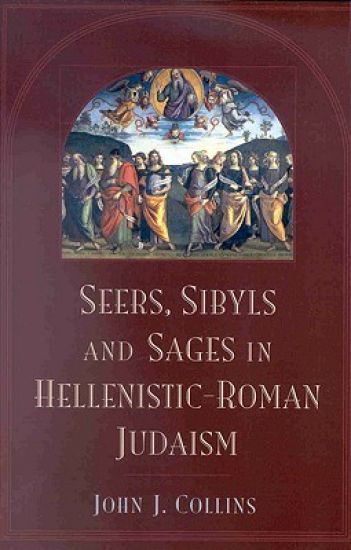
John J. Collins offers readers a model for the scholarly study of all aspects of Judaism, from the Persian period through Late Antiqity, including its influence on early Christianity. The essays are thematically grouped to cover the problem of the Canon in Second Temple Judaism and deal with apocalypticism, the Book of Daniel, the Sibylline Oracles, and the Dead Sea Scrolls. Also analyzed is the relationship between Wisdom and the Apocalypticism. This volume brings together over two decades of research by a leading authority in the field of Judaism.
Since the 1960s 'New Left' emancipatory movements have claimed that women, ethnic minorities, gays and lesbians, and other groups are oppressed. Some liberal theorists have treated their demands for equality as matters of toleration, of securing by law the equal treatment of cultures and conceptions of the good. However, much more is involved. Also at stake are conceptions of identity differences that inform social practices and perpetuate inequalities that are beyond the reach of legislation. This book outlines an alternative approach to a liberal politics of difference. Sybol Anderson begins by constructing a definition of oppression that illuminates, from a liberal perspective, its salient features. Exposing the limits of toleration as a response, Anderson reaches beyond it for a viable concept of recognition. Hegel's theory of recognition proves an indispensable resource in this endeavor. Anderson concludes, contrary to recent critics of Hegelian recognition, that Hegel's theory can successfully guide modern liberal states toward the achievement of social equality.