Kirjojen hintavertailu. Mukana 12 390 323 kirjaa ja 12 kauppaa.

Kirjahaku

Etsi kirjoja tekijän nimen, kirjan nimen tai ISBN:n perusteella.

1000 tulosta hakusanalla Walter Lippmann

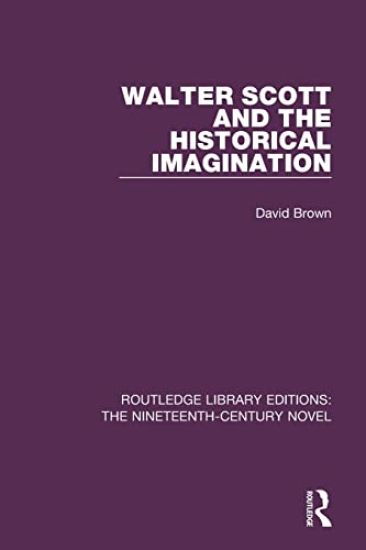
Walter Scott and the Historical Imagination
First published in 1979. This study explores the main critical issues that arise out of a modern reading of Scott’s work, and treats the major novels in detail. It tackles the questions of Scott’s place in literary history and his problems in pioneering the historical novel. As well as examining the greater novels of the Scottish series, the author also deals with the relation between historical fiction and reality, with reference to the Waverley Novels, and Scott’s own attitude to history. Also discussed are some of the possible reasons for Scott’s failure to depict conflicts in his contemporary society. This book would be of interest to students of literature.
Walter Scott

Walter Scott

Robin Mayhead

Routledge
2016
sidottu
First published in 1968, this study is an exciting and challenging introduction to the writings of Sir Walter Scott. The author discusses the more striking features of Scott’s style — his use of language and characterisation — and also evaluates the contemporary moral and political attitudes portrayed in the novels. The use of literary conventions of the time is examined with reference to Scott’s work and extracts exemplify in particular the use of the Heroic. While admitting Scott’s faults as a writer, the author presents a general view of him as one whose works deserve deeper study than was the prevailing opinion at the time. This book will be of interest to students of literature.
Walter Scott

Walter Scott

Robin Mayhead

Routledge
2017
nidottu
First published in 1968, this study is an exciting and challenging introduction to the writings of Sir Walter Scott. The author discusses the more striking features of Scott’s style — his use of language and characterisation — and also evaluates the contemporary moral and political attitudes portrayed in the novels. The use of literary conventions of the time is examined with reference to Scott’s work and extracts exemplify in particular the use of the Heroic. While admitting Scott’s faults as a writer, the author presents a general view of him as one whose works deserve deeper study than was the prevailing opinion at the time. This book will be of interest to students of literature.
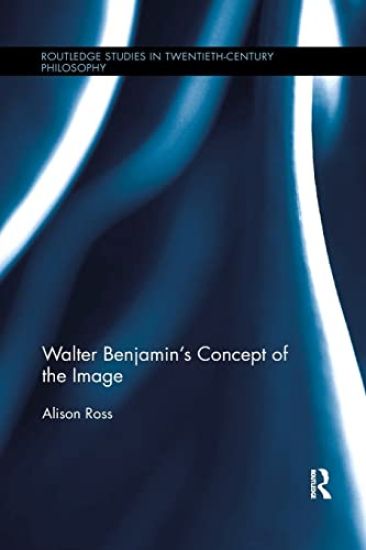
Walter Benjamin's Concept of the Image
In this book, Alison Ross engages in a detailed study of Walter Benjamin’s concept of the image, exploring the significant shifts in Benjamin’s approach to the topic over the course of his career. Using Kant’s treatment of the topic of sensuous form in his aesthetics as a comparative reference, Ross argues that Benjamin’s thinking on the image undergoes a major shift between his 1924 essay on ‘Goethe’s Elective Affinities,’ and his work on The Arcades Project from 1927 up until his death in 1940. The two periods of Benjamin’s writing share a conception of the image as a potent sensuous force able to provide a frame of existential meaning. In the earlier period this function attracts Benjamin’s critical attention, whereas in the later he mobilises it for revolutionary outcomes. The book gives a critical treatment of the shifting assumptions in Benjamin’s writing about the image that warrant this altered view. It draws on hermeneutic studies of meaning, scholarship in the history of religions and key texts from the modern history of aesthetics to track the reversals and contradictions in the meaning functions that Benjamin attaches to the image in the different periods of his thinking. Above all, it shows the relevance of a critical consideration of Benjamin’s writing on the image for scholarship in visual culture, critical theory, aesthetics and philosophy more broadly.
Walter Benjamins Concept of the Image
In this book, Alison Ross engages in a detailed study of Walter Benjamin’s concept of the image, exploring the significant shifts in Benjamin’s approach to the topic over the course of his career. Using Kant’s treatment of the topic of sensuous form in his aesthetics as a comparative reference, Ross argues that Benjamin’s thinking on the image undergoes a major shift between his 1924 essay on ‘Goethe’s Elective Affinities,’ and his work on The Arcades Project from 1927 up until his death in 1940. The two periods of Benjamin’s writing share a conception of the image as a potent sensuous force able to provide a frame of existential meaning. In the earlier period this function attracts Benjamin’s critical attention, whereas in the later he mobilises it for revolutionary outcomes. The book gives a critical treatment of the shifting assumptions in Benjamin’s writing about the image that warrant this altered view. It draws on hermeneutic studies of meaning, scholarship in the history of religions and key texts from the modern history of aesthetics to track the reversals and contradictions in the meaning functions that Benjamin attaches to the image in the different periods of his thinking. Above all, it shows the relevance of a critical consideration of Benjamin’s writing on the image for scholarship in visual culture, critical theory, aesthetics and philosophy more broadly.