This historic 72 Mile route, completed by Bob Graham in 1932, is now a popular long distance endurance challenge. This map is your essential navigational guide, with recommended route and changeover points shown. Detailed clear and easy to read, printed on waterproof paper, lightweight to carry and can be used with GPS.
The Frog Graham Round is a swim and run challenge crossing 18 fell tops and 4 lakes in the Lake District. The route begins and ends in Keswick and covers a distance of approximately 64km (40 miles) with more than 15,000ft of ascent. Also included is a map of the Tadpole Round - at just 11km, this is the perfect introduction to swim and run challenges (map for this is 1:25,000). This map is the essential navigational guide, with recommended route and changeover points. Detailed, clear and easy to read HARVEY mapping.
A handsome presentation of Scottish artist Sarah Graham's up-close drawings of insects and plantsIn her majestic drawings, London-based artist Sarah Graham (born 1973) observes the plant and insect world in close-up, through the prism of a naturalist and a traveler. Graham has been drawing and painting full-time for more than a decade now, making images informed by her knowledge of the unfamiliar and faraway. Her studies of the natural world have the complexity and detail of a Leonardo drawing: rhizomes, bulbs and vividly chromatic large-petaled tropical flowers, visited by the insect and butterfly specimens that she borrows from the Entomology Department of the Natural History Museum, London. She is inspired by the graphic plant imagery of German photographer Karl Blossfeldt, and particularly by the spiky biomorphism of Graham Sutherland's works, which feed her sculptural interpretations in charcoal and graphite. Sutherland is her lodestar, first encountered at Saltwood Castle, home to her godmother Jane Clark and the late Sir Kenneth Clark's superb collection of British modernist painting.
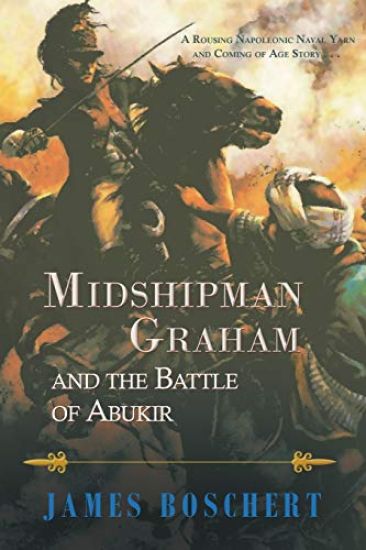
"Midshipman Graham and The Battle of Abukir is both a rousing Napoleonic naval yarn and a convincing coming of age story. The battle scenes are riveting and powerful, the exotic Egyptian locales colorfully rendered." - John Danielski, author of Capital's Punishment
Graham Wentz is an introvert. Painfully timid. Or he was. Until he woke up from a ten-year preservation. Now, he finds himself face-to-face with Kate Bauer, a woman he'd once secretly admired from a distance. Empowered with the knowledge that Kate also has eyes for him, Graham finds the confidence to take action. But Kate is hesitant. He's certain she's attracted to him, but something is holding her back. Graham is nothing if not patient. After all, his experience with women is extremely limited anyway. They're living in a new world-one filled with obstacles at every turn. Their entire Project DEEP team is in trouble, as well as three decades' worth of data. Graham and Kate need to step up to the plate and help the team. Curing diseases is Graham's life. It's all he knows. What if Kate decides that path is no longer her priority? Where does that leave the two of them?
Follow along with Sherman Graham Cracker as he gets lost in Dust Bunny Forest, nearly gets swept away trudging through Cookie Crumb Field, and barely escapes becoming a tasty snack for two flies. Will Sherman discover the hero within himself before the journey is over? Come find out in Sherman Graham Cracker Saves the Town of Crusted Milk.
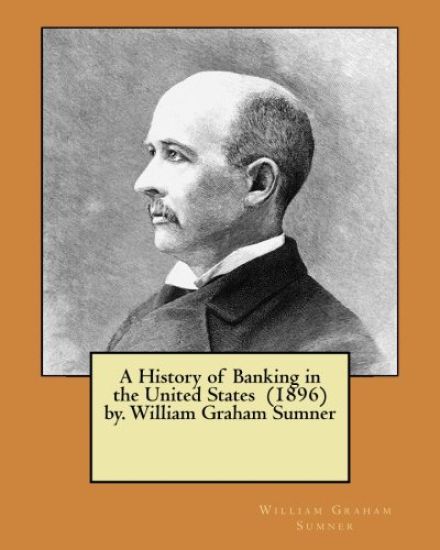
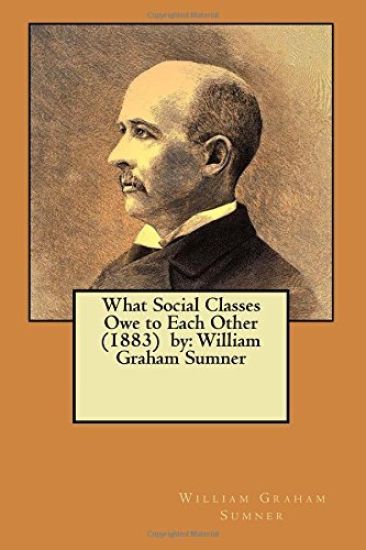
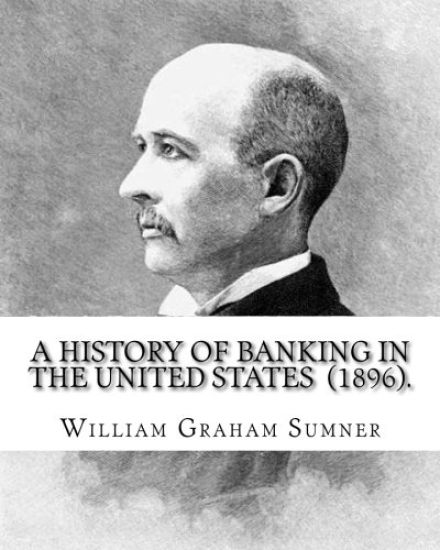
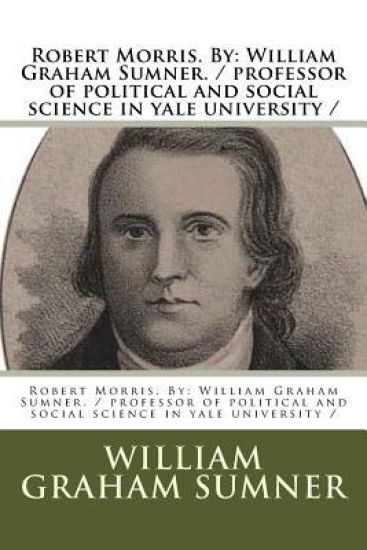
William Graham Sumner (October 30, 1840 - April 12, 1910) was a classical liberal (now a branch of "libertarianism" in American political philosophy) American social scientist. He taught social sciences at Yale, where he held the nation's first professorship in sociology. He was one of the most influential teachers at Yale or any major schools. Sumner was a polymath with numerous books and essays on American history, economic history, political theory, sociology, and anthropology. He supported laissez-faire economics, free markets, and the gold standard. He adopted the term "ethnocentrism" to identify the roots of imperialism, which he strongly opposed. He was a spokesman against imperialism and in favor of the "forgotten man" of the middle class, a term he coined. He had a long-term influence on conservatism in the United States.Sumner wrote an autobiographical sketch for the fourth of the histories of the Class of 1863 Yale College. In 1925, Rev. Harris E. Starr, class of 1910 Yale Department of Theology, published the first full length biography of Sumner. A second full length biography by Bruce Curtis was published in 1981. Other authors have included biographical information about Sumner as shown by citations in this "Biography" section.Sumner was born in Paterson, New Jersey, on October 30, 1840. His father, Thomas Sumner, was born in England and immigrated to the United States in 1836. His mother, Sarah Graham, was also born in England. She was brought to the United States in 1825 by her parents. Sumner's mother died when he was eight.In 1841, Sumner's father went prospecting as far west as Ohio, but came back east to New England and settled in Hartford, Connecticut, in about 1845. Sumner wrote about his high regard for his father: "His principles and habits of life were the best possible." Earlier in his life, Sumner said, that he accepted from others "views and opinions" different from his father's. However, "at the present time," Sumner wrote, "in regard to those matters, I hold with him and not with the others." Sumner did not name the "matters". Sumner was educated in the Hartford public schools. After graduation, he worked for two years as a clerk in a store before going to Yale College from which he graduated in 1863. 5] Sumner achieved an impressive record at Yale as a scholar and orator. He was elected to the Phi Beta Kappa Society in his junior year and in his senior year to the secretive Skull and Bones society. Sumner avoided being drafted to fight in the American Civil War by paying a "substitute" $250, given to him by a friend, to enlist for three years. This and money given to him by his father and friends allowed Sumner to go to Europe for further studies. He spent his first year in the University of Geneva studying Latin and Hebrew and the following two years in the University of G ttingen studying ancient languages, history and Biblical science.All told, in his formal education, Sumner learned Hebrew, Greek, Latin, French, and German. In addition, after middle age he taught himself Dutch, Spanish, Portuguese, Italian, Russian, Polish, Danish, and Swedish. In May 1866, he went to Oxford University to study theology. At Oxford, Henry Thomas Buckle planted the sociology seed in Sumner's mind. However, Herbert Spencer was to have the "dominating influence upon Sumner's thought"....
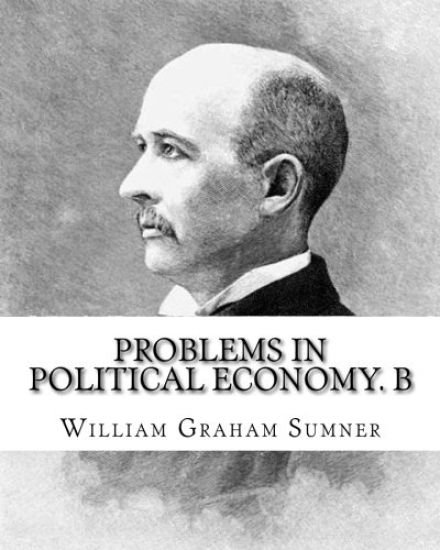
William Graham Sumner (October 30, 1840 - April 12, 1910) was a classical liberal (now a branch of "libertarianism" in American political philosophy) American social scientist. He taught social sciences at Yale, where he held the nation's first professorship in sociology. He was one of the most influential teachers at Yale or any major schools. Sumner was a polymath with numerous books and essays on American history, economic history, political theory, sociology, and anthropology. He supported laissez-faire economics, free markets, and the gold standard. He adopted the term "ethnocentrism" to identify the roots of imperialism, which he strongly opposed. He was a spokesman against imperialism and in favor of the "forgotten man" of the middle class, a term he coined. He had a long-term influence on conservatism in the United States.Sumner wrote an autobiographical sketch for the fourth of the histories of the Class of 1863 Yale College. In 1925, Rev. Harris E. Starr, class of 1910 Yale Department of Theology, published the first full length biography of Sumner. A second full length biography by Bruce Curtis was published in 1981. Other authors have included biographical information about Sumner as shown by citations in this "Biography" section.Sumner was born in Paterson, New Jersey, on October 30, 1840. His father, Thomas Sumner, was born in England and immigrated to the United States in 1836. His mother, Sarah Graham, was also born in England. She was brought to the United States in 1825 by her parents. Sumner's mother died when he was eight.In 1841, Sumner's father went prospecting as far west as Ohio, but came back east to New England and settled in Hartford, Connecticut, in about 1845. Sumner wrote about his high regard for his father: "His principles and habits of life were the best possible." Earlier in his life, Sumner said, that he accepted from others "views and opinions" different from his father's. However, "at the present time," Sumner wrote, "in regard to those matters, I hold with him and not with the others." Sumner did not name the "matters". Sumner was educated in the Hartford public schools. After graduation, he worked for two years as a clerk in a store before going to Yale College from which he graduated in 1863. Sumner achieved an impressive record at Yale as a scholar and orator. He was elected to the Phi Beta Kappa Society in his junior year and in his senior year to the secretive Skull and Bones society. Sumner avoided being drafted to fight in the American Civil War by paying a "substitute" $250, given to him by a friend, to enlist for three years. This and money given to him by his father and friends allowed Sumner to go to Europe for further studies. He spent his first year in the University of Geneva studying Latin and Hebrew and the following two years in the University of G ttingen studying ancient languages, history and Biblical science.All told, in his formal education, Sumner learned Hebrew, Greek, Latin, French, and German. In addition, after middle age he taught himself Dutch, Spanish, Portuguese, Italian, Russian, Polish, Danish, and Swedish. In May 1866, he went to Oxford University to study theology. At Oxford, Henry Thomas Buckle planted the sociology seed in Sumner's mind. However, Herbert Spencer was to have the "dominating influence upon Sumner's thought"....
William Graham Sumner (October 30, 1840 - April 12, 1910) was a classical liberal (now a branch of "libertarianism" in American political philosophy) American social scientist. He taught social sciences at Yale, where he held the nation's first professorship in sociology. He was one of the most influential teachers at Yale or any major schools. Sumner was a polymath with numerous books and essays on American history, economic history, political theory, sociology, and anthropology. He supported laissez-faire economics, free markets, and the gold standard. He adopted the term "ethnocentrism" to identify the roots of imperialism, which he strongly opposed. He was a spokesman against imperialism and in favor of the "forgotten man" of the middle class, a term he coined. He had a long-term influence on conservatism in the United States.Sumner wrote an autobiographical sketch for the fourth of the histories of the Class of 1863 Yale College. In 1925, Rev. Harris E. Starr, class of 1910 Yale Department of Theology, published the first full length biography of Sumner. A second full length biography by Bruce Curtis was published in 1981. Other authors have included biographical information about Sumner as shown by citations in this "Biography" section.Sumner was born in Paterson, New Jersey, on October 30, 1840. His father, Thomas Sumner, was born in England and immigrated to the United States in 1836. His mother, Sarah Graham, was also born in England. She was brought to the United States in 1825 by her parents. Sumner's mother died when he was eight.In 1841, Sumner's father went prospecting as far west as Ohio, but came back east to New England and settled in Hartford, Connecticut, in about 1845. Sumner wrote about his high regard for his father: "His principles and habits of life were the best possible." Earlier in his life, Sumner said, that he accepted from others "views and opinions" different from his father's. However, "at the present time," Sumner wrote, "in regard to those matters, I hold with him and not with the others." Sumner did not name the "matters". Sumner was educated in the Hartford public schools. After graduation, he worked for two years as a clerk in a store before going to Yale College from which he graduated in 1863. Sumner achieved an impressive record at Yale as a scholar and orator. He was elected to the Phi Beta Kappa Society in his junior year and in his senior year to the secretive Skull and Bones society. Sumner avoided being drafted to fight in the American Civil War by paying a "substitute" $250, given to him by a friend, to enlist for three years. This and money given to him by his father and friends allowed Sumner to go to Europe for further studies. He spent his first year in the University of Geneva studying Latin and Hebrew and the following two years in the University of G ttingen studying ancient languages, history and Biblical science.All told, in his formal education, Sumner learned Hebrew, Greek, Latin, French, and German. In addition, after middle age he taught himself Dutch, Spanish, Portuguese, Italian, Russian, Polish, Danish, and Swedish. In May 1866, he went to Oxford University to study theology. At Oxford, Henry Thomas Buckle planted the sociology seed in Sumner's mind. However, Herbert Spencer was to have the "dominating influence upon Sumner's thought"....
William Graham Sumner (October 30, 1840 - April 12, 1910) was a classical liberal (now a branch of "libertarianism" in American political philosophy) American social scientist. He taught social sciences at Yale, where he held the nation's first professorship in sociology. He was one of the most influential teachers at Yale or any major schools. Sumner was a polymath with numerous books and essays on American history, economic history, political theory, sociology, and anthropology. He supported laissez-faire economics, free markets, and the gold standard. He adopted the term "ethnocentrism" to identify the roots of imperialism, which he strongly opposed. He was a spokesman against imperialism and in favor of the "forgotten man" of the middle class, a term he coined. He had a long-term influence on conservatism in the United States.Sumner wrote an autobiographical sketch for the fourth of the histories of the Class of 1863 Yale College. In 1925, Rev. Harris E. Starr, class of 1910 Yale Department of Theology, published the first full length biography of Sumner. A second full length biography by Bruce Curtis was published in 1981. Other authors have included biographical information about Sumner as shown by citations in this "Biography" section.Sumner was born in Paterson, New Jersey, on October 30, 1840. His father, Thomas Sumner, was born in England and immigrated to the United States in 1836. His mother, Sarah Graham, was also born in England. She was brought to the United States in 1825 by her parents. Sumner's mother died when he was eight.In 1841, Sumner's father went prospecting as far west as Ohio, but came back east to New England and settled in Hartford, Connecticut, in about 1845. Sumner wrote about his high regard for his father: "His principles and habits of life were the best possible." Earlier in his life, Sumner said, that he accepted from others "views and opinions" different from his father's. However, "at the present time," Sumner wrote, "in regard to those matters, I hold with him and not with the others." Sumner did not name the "matters". Sumner was educated in the Hartford public schools. After graduation, he worked for two years as a clerk in a store before going to Yale College from which he graduated in 1863. Sumner achieved an impressive record at Yale as a scholar and orator. He was elected to the Phi Beta Kappa Society in his junior year and in his senior year to the secretive Skull and Bones society. Sumner avoided being drafted to fight in the American Civil War by paying a "substitute" $250, given to him by a friend, to enlist for three years. This and money given to him by his father and friends allowed Sumner to go to Europe for further studies. He spent his first year in the University of Geneva studying Latin and Hebrew and the following two years in the University of G ttingen studying ancient languages, history and Biblical science.All told, in his formal education, Sumner learned Hebrew, Greek, Latin, French, and German. In addition, after middle age he taught himself Dutch, Spanish, Portuguese, Italian, Russian, Polish, Danish, and Swedish. In May 1866, he went to Oxford University to study theology. At Oxford, Henry Thomas Buckle planted the sociology seed in Sumner's mind. However, Herbert Spencer was to have the "dominating influence upon Sumner's thought"....
William Graham Sumner (October 30, 1840 - April 12, 1910) was a classical liberal (now a branch of "libertarianism" in American political philosophy) American social scientist. He taught social sciences at Yale, where he held the nation's first professorship in sociology. He was one of the most influential teachers at Yale or any major schools. Sumner was a polymath with numerous books and essays on American history, economic history, political theory, sociology, and anthropology. He supported laissez-faire economics, free markets, and the gold standard. He adopted the term "ethnocentrism" to identify the roots of imperialism, which he strongly opposed. He was a spokesman against imperialism and in favor of the "forgotten man" of the middle class, a term he coined. He had a long-term influence on conservatism in the United States.Sumner wrote an autobiographical sketch for the fourth of the histories of the Class of 1863 Yale College. In 1925, Rev. Harris E. Starr, class of 1910 Yale Department of Theology, published the first full length biography of Sumner. A second full length biography by Bruce Curtis was published in 1981. Other authors have included biographical information about Sumner as shown by citations in this "Biography" section.Sumner was born in Paterson, New Jersey, on October 30, 1840. His father, Thomas Sumner, was born in England and immigrated to the United States in 1836. His mother, Sarah Graham, was also born in England. She was brought to the United States in 1825 by her parents. Sumner's mother died when he was eight.In 1841, Sumner's father went prospecting as far west as Ohio, but came back east to New England and settled in Hartford, Connecticut, in about 1845. Sumner wrote about his high regard for his father: "His principles and habits of life were the best possible." Earlier in his life, Sumner said, that he accepted from others "views and opinions" different from his father's. However, "at the present time," Sumner wrote, "in regard to those matters, I hold with him and not with the others." Sumner did not name the "matters". Sumner was educated in the Hartford public schools. After graduation, he worked for two years as a clerk in a store before going to Yale College from which he graduated in 1863. Sumner achieved an impressive record at Yale as a scholar and orator. He was elected to the Phi Beta Kappa Society in his junior year and in his senior year to the secretive Skull and Bones society. Sumner avoided being drafted to fight in the American Civil War by paying a "substitute" $250, given to him by a friend, to enlist for three years. This and money given to him by his father and friends allowed Sumner to go to Europe for further studies. He spent his first year in the University of Geneva studying Latin and Hebrew and the following two years in the University of G ttingen studying ancient languages, history and Biblical science.All told, in his formal education, Sumner learned Hebrew, Greek, Latin, French, and German. In addition, after middle age he taught himself Dutch, Spanish, Portuguese, Italian, Russian, Polish, Danish, and Swedish. In May 1866, he went to Oxford University to study theology. At Oxford, Henry Thomas Buckle planted the sociology seed in Sumner's mind. However, Herbert Spencer was to have the "dominating influence upon Sumner's thought"....
William Graham Sumner (October 30, 1840 - April 12, 1910) was a classical liberal (now a branch of "libertarianism" in American political philosophy) American social scientist. He taught social sciences at Yale, where he held the nation's first professorship in sociology. He was one of the most influential teachers at Yale or any major schools. Sumner was a polymath with numerous books and essays on American history, economic history, political theory, sociology, and anthropology. He supported laissez-faire economics, free markets, and the gold standard. He adopted the term "ethnocentrism" to identify the roots of imperialism, which he strongly opposed. He was a spokesman against imperialism and in favor of the "forgotten man" of the middle class, a term he coined. He had a long-term influence on conservatism in the United States.Sumner wrote an autobiographical sketch for the fourth of the histories of the Class of 1863 Yale College. In 1925, Rev. Harris E. Starr, class of 1910 Yale Department of Theology, published the first full length biography of Sumner. A second full length biography by Bruce Curtis was published in 1981. Other authors have included biographical information about Sumner as shown by citations in this "Biography" section.Sumner was born in Paterson, New Jersey, on October 30, 1840. His father, Thomas Sumner, was born in England and immigrated to the United States in 1836. His mother, Sarah Graham, was also born in England. She was brought to the United States in 1825 by her parents. Sumner's mother died when he was eight.In 1841, Sumner's father went prospecting as far west as Ohio, but came back east to New England and settled in Hartford, Connecticut, in about 1845. Sumner wrote about his high regard for his father: "His principles and habits of life were the best possible." Earlier in his life, Sumner said, that he accepted from others "views and opinions" different from his father's. However, "at the present time," Sumner wrote, "in regard to those matters, I hold with him and not with the others." Sumner did not name the "matters". Sumner was educated in the Hartford public schools. After graduation, he worked for two years as a clerk in a store before going to Yale College from which he graduated in 1863. Sumner achieved an impressive record at Yale as a scholar and orator. He was elected to the Phi Beta Kappa Society in his junior year and in his senior year to the secretive Skull and Bones society. Sumner avoided being drafted to fight in the American Civil War by paying a "substitute" $250, given to him by a friend, to enlist for three years. This and money given to him by his father and friends allowed Sumner to go to Europe for further studies. He spent his first year in the University of Geneva studying Latin and Hebrew and the following two years in the University of G ttingen studying ancient languages, history and Biblical science.All told, in his formal education, Sumner learned Hebrew, Greek, Latin, French, and German. In addition, after middle age he taught himself Dutch, Spanish, Portuguese, Italian, Russian, Polish, Danish, and Swedish. In May 1866, he went to Oxford University to study theology. At Oxford, Henry Thomas Buckle planted the sociology seed in Sumner's mind. However, Herbert Spencer was to have the "dominating influence upon Sumner's thought"....
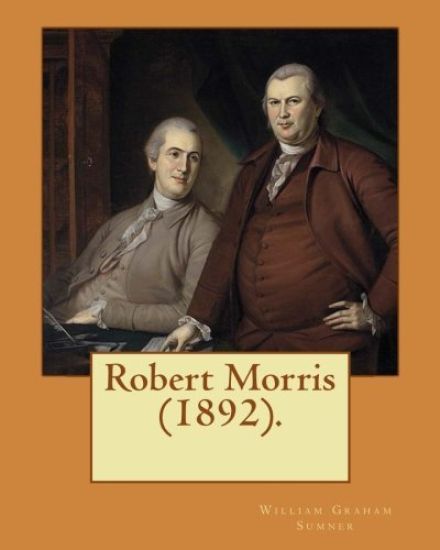
Robert Morris, Jr. ((January 20, 1734 - May 8, 1806), a Founding Father of the United States, was a Liverpool-born American merchant who financed the American Revolution and signed the Declaration of Independence, the Articles of Confederation, and the United States Constitution. Along with Alexander Hamilton and Albert Gallatin, he is widely regarded as one of the founders of the financial system of the United States. Born in Liverpool, Morris migrated to the United States in his teens, quickly becoming a successful businessman. In the aftermath of the French and Indian War, Morris became a prominent opponent of unpopular British policies like the Stamp Act. He was elected to the Pennsylvania Assembly, became the Chairman of the Pennsylvania Committee of Safety, and was chosen as a delegate to the Second Continental Congress. He served as chairman of the "Secret Committee of Trade" and as a member of the Committee of Correspondence. Though reluctant to break with Britain, he ultimately came to support the independence movement and emerged as an important financier of the American Revolutionary War. From 1781 to 1784, he served as the Superintendent of Finance of the United States, a forerunner to the position of Secretary of the Treasury. As the central civilian in the government, Morris was, next to General George Washington, "the most powerful man in America." 1] His successful administration led to the sobriquet, "Financier of the Revolution." At the same time he was Agent of Marine, a position he took without pay, and from which he controlled the Continental Navy. He successfully proposed numerous reforms including the creation of a national bank, but many of his ideas were not enacted. In 1787, he was elected as a delegate to the Philadelphia Convention, which created a more powerful federal government.................. William Graham Sumner (October 30, 1840 - April 12, 1910) was a classical liberal (now a branch of "libertarianism" in American political philosophy) American social scientist. He taught social sciences at Yale, where he held the nation's first professorship in sociology. He was one of the most influential teachers at Yale or any major schools. Sumner was a polymath with numerous books and essays on American history, economic history, political theory, sociology, and anthropology. He supported laissez-faire economics, free markets, and the gold standard. He adopted the term "ethnocentrism" to identify the roots of imperialism, which he strongly opposed. He was a spokesman against imperialism and in favor of the "forgotten man" of the middle class, a term he coined. He had a long-term influence on conservatism in the United States.Sumner wrote an autobiographical sketch for the fourth of the histories of the Class of 1863 Yale College. In 1925, Rev. Harris E. Starr, class of 1910 Yale Department of Theology, published the first full length biography of Sumner. A second full length biography by Bruce Curtis was published in 1981. Other authors have included biographical information about Sumner as shown by citations in this "Biography" section.Sumner was born in Paterson, New Jersey, on October 30, 1840. His father, Thomas Sumner, was born in England and immigrated to the United States in 1836. His mother, Sarah Graham, was also born in England. She was brought to the United States in 1825 by her parents. Sumner's mother died when he was eight.In 1841, Sumner's father went prospecting as far west as Ohio, but came back east to New England and settled in Hartford, Connecticut, in about 1845. Sumner wrote about his high regard for his father: "His principles and habits of life were the best possible." Earlier in his life, Sumner said, that he accepted from others "views and opinions" different from his father's. However, "at the present time," Sumner wrote, "in regard to those matters, I hold with him and not with the others." Sumner did not name the "matters"....
A world without telephones? Impossible for most young readers to imagine. Let them know they can thank inventor Alexander Graham Bell for every ringtone Filled with facts and photos, Bell's story highlights the scientific process he followed, failures and all, from identifying a problem to getting his communication technology into the hands of users.
William Graham Sumner (October 30, 1840 - April 12, 1910) was a classical liberal (now a branch of "libertarianism" in American political philosophy) American social scientist. He taught social sciences at Yale, where he held the nation's first professorship in sociology. He was one of the most influential teachers at Yale or any major schools. Sumner wrote widely within the social sciences, with numerous books and essays on American history, economic history, political theory, sociology, and anthropology. He supported laissez-faire economics, free markets, and the gold standard. He adopted the term "ethnocentrism" to identify the roots of imperialism, which he strongly opposed. He was a spokesman against imperialism and in favor of the "forgotten man" of the middle class, a term he coined. He had a long-term influence on conservatism in the United States.Sumner wrote an autobiographical sketch for the fourth of the histories of the Class of 1863 Yale College. In 1925, Rev. Harris E. Starr, class of 1910 Yale Department of Theology, published the first full length biography of Sumner.A second full length biography by Bruce Curtis was published in 1981. Other authors have included biographical information about Sumner as shown by citations in this "Biography" section.Sumner was born in Paterson, New Jersey, on October 30, 1840. His father, Thomas Sumner, was born in England and immigrated to the United States in 1836. His mother, Sarah Graham, was also born in England. She was brought to the United States in 1825 by her parents. Sumner's mother died when he was eight.