Kirjojen hintavertailu. Mukana 11 627 220 kirjaa ja 12 kauppaa.

Kirjahaku

Etsi kirjoja tekijän nimen, kirjan nimen tai ISBN:n perusteella.

1000 tulosta hakusanalla Jan Scheffler

Jan. Tanets mesti. Tom 1

Jan. Tanets mesti. Tom 1

Seng Cang

Komilfo
2025
nidottu
"Ubit Billa" s tajvanskim koloritom! Tridtsat let nazad molodaja ispolnitelnitsa pekinskoj opery Jan Tekhua byla nespravedlivo osuzhdena za ubijstvo sobstvennoj semi. Posle dvadtsati let zakljuchenija ona skonchalas pri zagadochnykh obstojatelstvakh. I vdrug Jan vozvraschaetsja. Vooruzhivshis novopriobretennymi supersposobnostjami i narjadivshis v jarkij kostjum, vdokhnovlennyj traditsionnym teatrom, devushka reshaet otomstit za sebja i svoikh rodnykh. S podmostkov klassicheskoj stseny - v poraboschennyj mashinami Tajvan buduschego! Manga-laureat premii Golden Comic Award brosaet vyzov zhanram i porazhaet chitatelej vsego mira. Vas zhdut ostrye moralnye protivorechija i nezabyvaemyj boevoj ekshn: "Jan" - eto bolshe, chem prosto slepaja zhazhda mesti. Eto poisk spravedlivosti v mire, gde chelovechestvo terjaet kontrol.
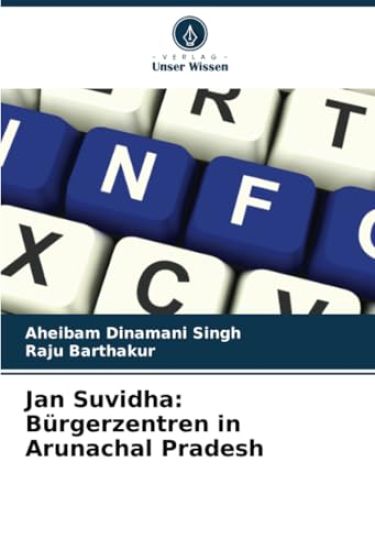
Jan Suvidha

Jan Suvidha

Aheibam Dinamani Singh; Raju Barthakur

Verlag Unser Wissen
2025
pokkari
Das Konzept eines zentralen B rgerb ros namens Jan Suvidha wurde im Mai 2007 in Tezu, dem Hauptort des Distrikts Lohit, als erster Schritt zur Bereitstellung eines transparenten und selbsttragenden Modells der E-Governance im Bundesstaat Arunachal Pradesh ins Leben gerufen. Anschlie end wurden die Jan Suvidha-Zentren in Singchung (Mai 2008), Khonsa (August 2008), Yingkiong (September 2008), Namsai (November 2008) und Bomdila (Mai 2009) eingerichtet. Das Konzept von Jan Suvidha wurde im Mai 2007 von der damaligen Distriktverwaltung von Lohit mit dem Hauptziel entwickelt, alle Dienstleistungen f r die B rger unter Verwendung von Computern unter einem Dach anzubieten. Gleichzeitig sollte damit der Zweck erf llt werden, den Verwaltungsapparat von einem uralten manuellen System auf ein elektronisches Regierungssystem umzustellen, das mit den Ver nderungen in den anderen Bundesstaaten des Landes im Besonderen und weltweit im Allgemeinen Schritt h lt. Einerseits hat ein solcher Schritt zu einer ausgewogenen Erweiterung der Bereitstellung transparenter Regierungsmechanismen gef hrt, indem diese an die Bed rfnisse der Menschen an einem bestimmten Ort angepasst wurden.
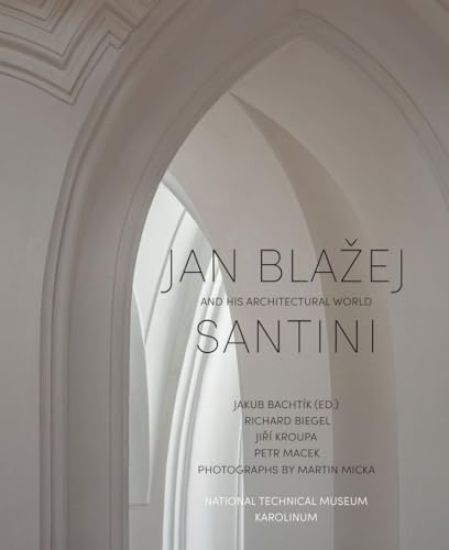
Jan Blažej Santini and His Architectural World

Jan Blažej Santini and His Architectural World

Richard Biegel; Jirí Kroupa; Petr Macek

Karolinum,Nakladatelstvi Univerzity Karlovy,Czech Republic
2026
sidottu
A fascinating look into the life of the famous Czech architect who fused Baroque and Gothic styles. At the turn of the eighteenth century, Jan Blažej Santini Aichel (1677–1723), commonly recognized as Santini, began his career as an architect in Prague and became world-renowned for his mystical Baroque Gothic architecture. In Jan Blažej Santini and His Architectural World, a new generation of scholars draws up a portrait of Santini and his gems of Czech Baroque architecture. From detailing the particulars of the everyday life of a genius architect growing up in Prague and studying under Italian architects to engaging with previous interpretations of Santini’s work, this book interrogates the true value of Santini’s influence on European architecture.
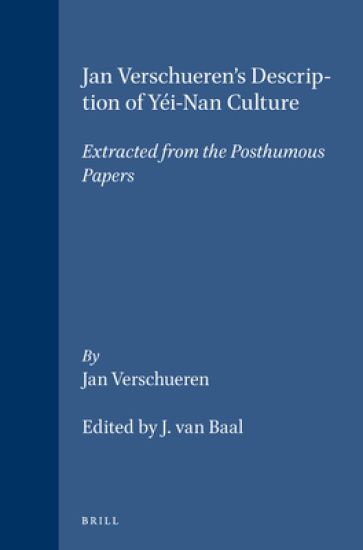
Jan Verschueren's Description of Yéi-Nan Culture

Jan Verschueren's Description of Yéi-Nan Culture

Jan Verschueren

Kluwer Academic Publishers
1982
nidottu
Joannis Cornelis Verschueren (1905-1970) worked as a Roman Catholic missionary in southern Irian from 1931 until 1970. In the 1950s he wrote a number of papers on the Yéi. These papers, based on older field notes and a research trip through the area, are recapitulated in this volume. Verschueren provides genuine inside information and his data are new and authentic. The four papers in this volume create a picture of a typical lowland culture with a surprising emphasis on headhunting, an uncommon way of segregating the sexes, and a highly elaborated system of phallic symbolism. Topics discussed in this volume are territorial, clan and moiety organization; kinship, marriage and conjugal life; the founding myths of Yéi-nan ritual and other rituals; initiation; sickness and healing; death, burial and mortuary feasts; other ceremonies.
Jan Schröder: Recht als Wissenschaft
Jan Schröders Recht als Wissenschaft ist schon wenige Jahre nach seinem Erscheinen ein neuer Klassiker zur Geschichte der juristischen Methodenlehre in der Neuzeit. In seiner dritten Auflage von 2020 handelt es von der Topik des 16. Jahrhunderts über die Historische Rechtsschule und das Kaiserreich bis zu den Methodenlehren der Deutschen Diktaturen und Demokratien des 20. Jahrhunderts. Der vorliegende Kommentar widmet sich in zehn Aufsätzen der kritischen Untersuchung von Jan Schröders gebildeten Epochen sowie der von ihm verwendeten Narrative und großen Linien. Zudem versammelt der Band alle zu den verschiedenen Auflagen erschienenen Rezensionen. Dadurch soll künftigen Forschungen zur Geschichte der juristischen Methodenlehre eine Grundlage geboten und zu alternativen Erzählungen angeregt werden.
Bas Jan Ader

Bas Jan Ader

Alexander Dumbadze

University of Chicago Press
2013
sidottu
On July 9, 1975, Dutch-born artist Bas Jan Ader set sail from Chatham, Massachusetts, on a thirteen-foot sailboat. He was bound for Falmouth, England, on the second leg of a three-part piece titled "In Search of the Miraculous". The damaged boat was found south of the western tip of Ireland nearly a year later. Ader was never seen again. Since his untimely death, Ader has achieved mythic status in the art world as a figure literally willing to die for his art. Considering the artist's legacy and concise oeuvre beyond the romantic and tragic associations that accompany his peculiar end, Alexander Dumbadze resituates Ader's art and life within the conceptual art world of Los Angeles in the early 1970s and offers a nuanced argument about artistic subjectivity that explains Ader's tremendous relevance to contemporary art. Bas Jan Ader blends biography, theoretical reflection, and archival research to draw a detailed picture of the world in which Ader's work was rooted: a vibrant international art scene populated with peers such as Ger van Elk, William Leavitt, and Allen Ruppersberg. Dumbadze looks closely at Ader's engagement with questions of free will and his ultimate success in creating art untainted by mediation. The first in-depth study of this enigmatic conceptual artist, Bas Jan Ader is a thoughtful reflection on the necessity of the creative act and its inescapable relation to death.