Kirjahaku
Etsi kirjoja tekijän nimen, kirjan nimen tai ISBN:n perusteella.
607 tulosta hakusanalla Govind Gopakumar
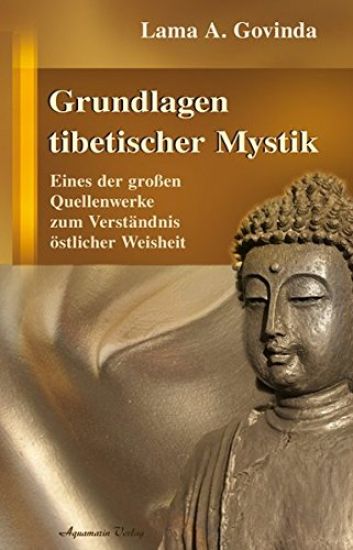
Dieses Buch ist unverzichtbar zum Verständnis der esoterischen Seite des Tibetischen Buddhismus. Lama Anagarika Govinda besaß ein tiefgründiges Wissen über die Grundlagen der mantrischen Wissenschaft und die verborgene Bedeutung mystischer Lautsymbole. Er dringt mit dieser Studie nicht nur in das innerste Herz der uralten Weisheit vom "Dach der Welt" ein, sondern analysiert zugleich die Grundstrukturen der menschlichen Psyche. Ein Meisterschlüssel zum Verständnis innerer, speziell meditativer Prozesse und der wahrhaften Transformation des Bewusstseins!
kerala navodhanam yugasanthathikal yugashilpikal moonam sanchika
P Pillai Govinda
Chintha Publishers
2013
pokkari
യുഗസ്രഷ്ടാക്കളുടെ വ്യക്തിമുദ്രകള്] പതിഞ്ഞ വിമോചനകേരളത്തിന്റെ നാള്]വഴികള്]. നമ്മെ നാമാക്കിയ നവോത്ഥാനചരിത്രത്തിന്റെ ജ്വാലാമുഖങ്ങള്]. ഒരു യുഗത്തിന്റെ വിമോചനമുദ്രാവാക്യങ്ങള്]ക്ക് ജീവന്] പകര്]ന്ന ജനതയുടെയും അവര്] കലഹിക്കുകയും അഭിരമിക്കുകയും ചെയ്ത അധികാരബന്ധങ്ങളുടെയും കഥ.
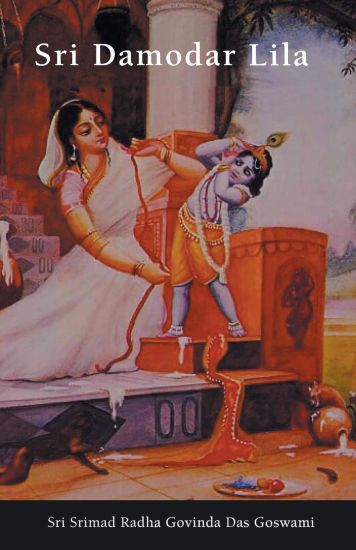
Because of mother Yashoda's hard labor, her whole body became covered with perspiration, and the flowers were falling from her hair. When child Krishna saw His mother thus fatigued, He became merciful to her and agreed to be bound. Thus there was a competition between a devotee and Krishna. In the end, seeing His devotee's total unalloyed determination to tie Him, Krishna had to accept defeat. In this way, mother Yashoda tied Him to a wooden grinding mortar
26 ESSAYS ON DIVERSE THEMES SUCH AS CULTURE,HISTORY,ENVIRONMENT AND POLITICS
Kaunis ja runollinen matkakertomus, joka herättää eloon kadonneen Tiibetin.Lama Anagarika Govinda oli yksi viimeisistä ulkomaalaisista, joka matkasi Tiibetissä ennen kuin Kiina miehitti maan vuonna 1950. Tämän Tiibetin kulttuurin puolestapuhujan ja hartaan buddhalaisen valoisa ja vilpitön kertomus maalaa herkän kuvan tiibetiläisistä perinteistä. Eteesi avautuu Tiibet yhden 1900-luvun merkittävimpien ajattelijoiden kokemana. Kirja ei ole ainoastaan vaikuttavan runollinen kertomus upeasta löytöretkestä, vaan pyhiinvaellus sanan syvimmässä merkityksessä. Valkeiden pilvien tie onkin yksi kaikkien aikojen kauneimpia matkakuvauksia itsensä löytämisestä.Lama Anagarika Govinda (1898 - 1985) syntyi Saksassa nimellä Ernst Lothar Hoffman. Hän opiskeli yliopistossa filosofiaa, psykologiaa ja arkeologiaa ja oli myös taidemaalari ja runoilija. Vakaumuksellinen buddhalainen hänestä tuli jo 18-vuotiaana. Lama Anagarika Govinda on kiistattomasti huomattavimpia buddhalaisia ajattelijoita länsimaissa.
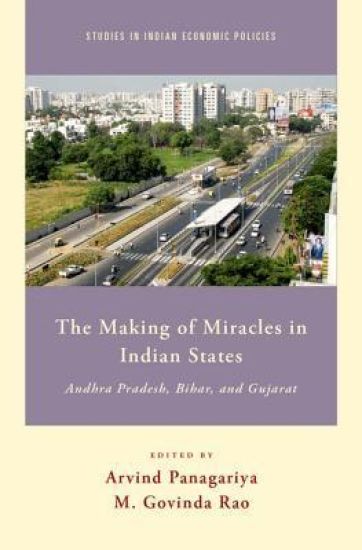
Growth miracles typically have been studied at the country level. The Making of Miracles in Indian States breaks from that tradition and studies three growth miracles in India at the level of the state: Andhra Pradesh, Bihar, and Gujarat. These are three of the largest and most diverse states in India. Andhra Pradesh is situated in the south of India, Bihar in the east, and Gujarat in the west. Bihar is the poorest among all states in India, Gujarat the third richest among the largest eighteen states, and Andhra Pradesh in the middle. Andhra Pradesh and Gujarat have long coastal lines while Bihar is landlocked. Yet, all of these states have grown at rates exceeding 8% for an entire decade in the 21st century. Despite many differences in the initial conditions, several common threads tie the high-growth experiences of the three states. First, accelerated growth has permitted acceleration in the growth of development expenditures in all three states, which has helped improve connectivity to markets. Alongside this growth, poverty has seen accelerated decline. Second, the composition of growth matters. Growth in high-value commodities such as fruits and vegetables, commercial crops, dairy, and animal husbandry in Andhra Pradesh and Gujarat has led to accelerated reduction in rural poverty. However, the failure of labor-intensive industry has stunted the migration of workers out of agriculture into industry. Third, the quality of leadership that brings improved governance with it is central to improved outcomes in the states. Visionary leaders---Chandrababu Naidu in Andhra Pradesh, Nitish Kumar in Bihar, and Narendra Modi in Gujarat---played critical roles in the making of all three miracles. Fourth, the three studies also bring out the importance of pro-market reforms and the adoption of technology in development. Finally, the studies show that good economics is also good politics: voters reward the chief ministers who bring about significant improvement to the people's lives.
Studies in Indian Public Finance is a comprehensive analytical study of Indian public finance evaluated in the background of theories and best practice approaches. It is a comprehensive analysis of the nature and composition of public spending and its financing. Beginning with normative questions on the role of the State, the book argues that public expenditure policies in India are dominated by political economy considerations. Low revenue productivity of the tax system has constrained the ability of the government to adequately finance physical and social infrastructure at required levels causing elevated levels of large deficits and debt threatening stability, and sustainability. The book also analyses the trends and issues in Indian fiscal federalism and evaluates the effectiveness of intergovernmental transfers in a country marked with wide inter-regional disparities. The analysis also extends to the devastating effects of the COVID-19 pandemic on Indian public finances. The book will be useful to students of economics, scholars working on the subject, and policy makers.
This is a Comprehensive Survey of the Bhakti Movement as it sprang in South India to spread across the subcontinent in independent and multifarious manifestations yet marked with amazing commonalities. Spanning a period of 11 centuries starting from the 6th CE, the movement encompassed in its sweep a vast range of dimensions; Social, political, economic, religious, cultural, linguistic, ethical and philosophical. Among the multifarious movements which contributed to the formation of India and its Culture, the Bhakti was undoubtedly the most pervasive and persistent, says the author. Besides its sweep and depth, what proved most remarkable about the movement was that it arose almost everywhere from the masses who belonged to the lowest class and castes. Though spirituality was its leitmotif, Bhakti proved to be a stirring song of the subaltern in their varied expressions of resistance and revolt. A seemingly conservative phenomenon became a potent weapon against entrenched hierarchies of orthodoxy and oppression, in a wonderful dialectical expression. This qualifies Bhakti movement to be reckoned on a par with European renaissance as it marked a massive upsurge in the societal value system to directly impact a range of fields like arts, politics, culture or religion. Even as he takes note of the elements of reactionary revivalism that also marked the Bhakti movement, the author convincingly argues that those of renaissance and progress far outweighed the former.
This companion gives a comprehensive overview of the history of primary education in India. It presents an analytical narrative of the progress of primary education as a national endeavour in colonial, post-colonial and contemporary India, and studies its transformative policy journey culminating in the adoption of education as a fundamental human right. The book looks behind and beyond stated policy goals and outcomes to examine the processes involved in implementing positive change and discusses the underlying socio-political factors affecting education in India. The author also shares reflections on the reform measures needed to achieve the goal of education for all in India.Rich in archival resources, this companion will be essential reading for scholars and researchers of history of education, education, Indian history, colonial history and South Asian history. It will also be useful for policymakers, organizations and professionals working in the field of education.
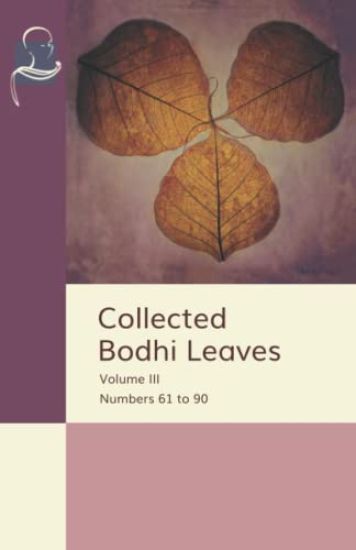
Collected Bodhi Leaves Volume III
Karel Werner; Lama Govinda; Francis Story
Bps Pariyatti Editions
2020
pokkari
Collected Bodhi Leaves Publications Volume II (includes Bodhi Leaves 61-90) This book contains 30 of the Bodhi Leaves Publication series, dealing with various aspects of the Buddha's teaching.BL61: The Law of Karma and Mindfulness by Dr. Karel WernerBL62: Drugs or Meditation? by Lama GovindaBL63: The Buddha a Unique Teacher by Francis StoryBL64: Arahantship by Jacqueline DunningtonBL65: When the Ego Meets Buddhism by Carlo GragnaniBL66: The Twin Pillars and Other Essays by John Andrew StoreyBL67: The Buddha's Teachings by Soma TheraBL68: The Elimination of Anger by K. Piyatissa TheraBL69: The Search For Buddhist Economics by Padmasiri De SilvaBL70: The Buddhist Code of Discipline by Soma TheraBL71: The Taste of Freedom by Bhikkhu BodhiBL72: The Development of the Will by Wladyslaw Misiewicz and Perfection of Energy by ShantidevaBL73: Emancipation from the World by Buddhadasa BhikkhuBL74: What Meditation Implies by Acariya BuddharakkhitaBL75: Perfections of Buddhahood by Nina van GorkomBL76: The Population Crisis and Conservation in Buddhist Perspective by Dr. Douglas M. BurnsBL77: Coming to Terms With One's Shadow by Ruth WalsheBL78: The Concept of Peace as the Central Notion of Buddhist Social Philosophy by O. H. de A. WijesekeraBL79: Words Leading to Disenchantment and Sa?sara by Soma TheraBL80: Two Buddhist Essays by J. F. McKechnie (Bhikkhu Silacara)BL81: The Path to Purity by M. B. WerapitiyaBL82: A New Age? A Buddhist View and Relating Religions by Bhikkhu KhantipaloBL83: Heredity Beyond Materiality and Causality and Moral Responsibility by D. D. P. NanayakkaraBL84: Insight Meditation in the Forest by Ron OhayvBL85: Beginning Insight Meditation by Dorothy FigenBL86: Buddhism in Daily Life by M. O' C. WalsheBL87: Buddhism as a Practical Teaching by H. L. SeneviratneBL88: Buddhist Tales from Sanskrit Sources retold by Ratna HandurukandeBL89: Anattā and Moral Responsibility by D. JayasundereBL90: Your Best Friend by M. B. Werapitiya(Note: This title was previously published under ISBN 9781681720807. Due to technical issues a new ISBN had to be assigned. Rest assured that both versions of this title are exactly the same.)
Oracle Enterprise Manager Grid Control 11g R1: Business Service Management
Ashwin Kumar Karkala; Govinda Raj Sambamurthy
Packt Publishing Limited
2011
nidottu
A practical, focused tutorial, this book will show you how to use Oracle Enterprise Manager Grid Control 11g R1 to deliver Business Service Management (BSM). Best practices cutting across multiple product verticals like Database, Middleware, Packaged Applications, and Custom Business Services are also covered. If you are a System Administrator or Application Administrator who is responsible for Business Service Management (BSM) using Oracle Enterprise Manager Grid Control 11g R1, then this book is for you. You need basic knowledge of Middleware/Application Servers, Business Service Management, and Oracle Enterprise Manager Grid Control.
Medicinal properties of Borassus flabellifer seed coat
Nagendra Sastry Yarla; Govinda Rao Duddukuri; Bharath Kumar Allam
LAP Lambert Academic Publishing
2014
pokkari
Ein Weitergereister kehrt zurück: Wege der Asche Anagarika Govindas
Birgit Zotz; Lama Anagarika Govinda
Edition Habermann
2021
sidottu
Der K nstler, Autor und buddhistische Gelehrte Anagarika Govinda wurde 1898 in der mittels chsischen Stadt Waldheim geboren. Von hier trat er seinen Weg von Europa ber Afrika, Ceylon und Birma nach Indien und Tibet an, auf dem ein reiches schriftstellerisches und bildnerisches Werk entstand. Dieses Buch stellt Govindas Schaffen vor und erhellt die Beziehungen zu seiner Geburtsstadt. Zudem gehen Beitr ge dem Schicksal seiner sterblichen berreste nach, dessen Bewegtheit dem abenteuerlichen Leben Govindas auf vier Kontinenten kaum nachsteht.