Kirjojen hintavertailu. Mukana 12 016 292 kirjaa ja 12 kauppaa.

Kirjahaku

Etsi kirjoja tekijän nimen, kirjan nimen tai ISBN:n perusteella.

768 tulosta hakusanalla Jury Dimitrin

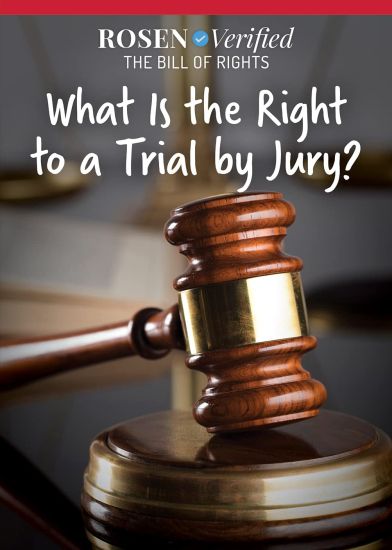
What Is the Right to a Trial by Jury?

What Is the Right to a Trial by Jury?

Jenna Tolli

ROSEN PUBLISHING GROUP
2023
sidottu
The Sixth Amendment to the U.S. Constitution protects people who have been accused of crimes. It ensures American citizens can receive a "speedy and public trial . . . by an impartial jury." It also ensures that trials will be held in the state in which the alleged crime occurred. Perhaps most significant, the Sixth Amendment says people have a right to a lawyer, even if they can't afford it. The Seventh Amendment extends the right to a trial by jury to federal civil cases. Inside this volume, readers will explore the language and impact of the Sixth and Seventh Amendments and read the history behind these two components of the Bill of Rights. The text is supported by primary sources, fact boxes, and graphics, and provides further resources for readers to learn even more.
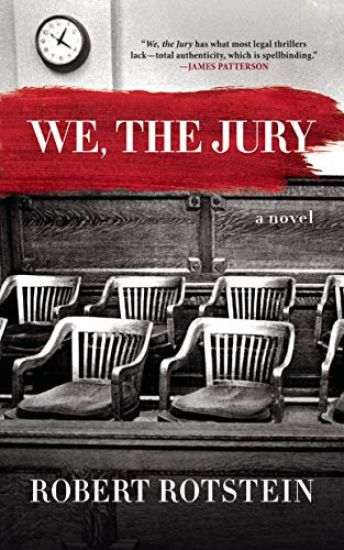
We, the Jury

We, the Jury

Robert Rotstein

Blackstone Publishing
2019
nidottu
"We, the Jury has what most legal thrillers lack--total authenticity, which is spellbinding." --James Patterson On the day before his twenty-first wedding anniversary, David Sullinger buried an ax in his wife's skull. Now, eight jurors must retire to the deliberation room and decide whether David committed premeditated murder--or whether he was a battered spouse who killed his wife in self-defense. Told from the perspective of over a dozen participants in a murder trial, We, the Jury examines how public perception can mask the ghastliest nightmares. As the jurors stagger toward a verdict, they must sift through contradictory testimony from the Sullingers' children, who disagree on which parent was Satan; sort out conflicting allegations of severe physical abuse, adultery, and incest; and overcome personal animosities and biases that threaten a fair and just verdict. Ultimately, the central figures in We, the Jury must navigate the blurred boundaries between bias and objectivity, fiction and truth.
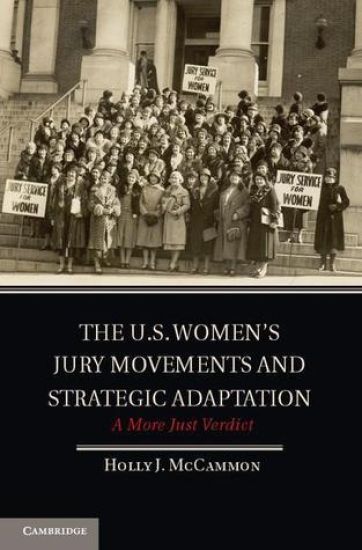
The U.S. Women's Jury Movements and Strategic Adaptation

The U.S. Women's Jury Movements and Strategic Adaptation

Holly J. McCammon

Cambridge University Press
2012
sidottu
When women won the vote in the United States in 1920 they were still routinely barred from serving as jurors, but some began vigorous campaigns for a place in the jury box. This book tells the story of how women mobilized in fifteen states to change jury laws so that women could gain this additional right of citizenship. Some campaigns quickly succeeded; others took substantially longer. The book reveals that when women strategically adapted their tactics to the broader political environment, they were able to speed up the pace of jury reform, while less strategic movements took longer. A comparison of the more strategic women's jury movements with those that were less strategic shows that the former built coalitions with other women's groups, took advantage of political opportunities, had past experience in seeking legal reforms and confronted tensions and even conflict within their ranks in ways that bolstered their action.
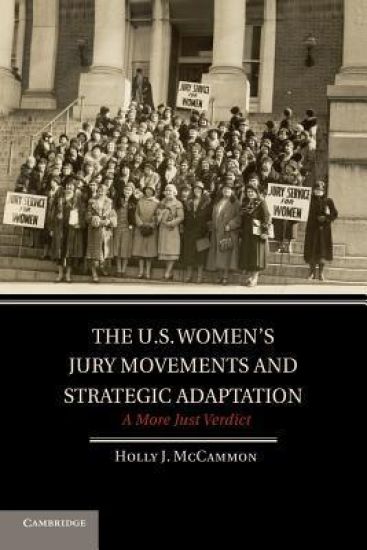
The U.S. Women's Jury Movements and Strategic Adaptation

The U.S. Women's Jury Movements and Strategic Adaptation

Holly J. McCammon

Cambridge University Press
2014
pokkari
When women won the vote in the United States in 1920 they were still routinely barred from serving as jurors, but some began vigorous campaigns for a place in the jury box. This book tells the story of how women mobilized in fifteen states to change jury laws so that women could gain this additional right of citizenship. Some campaigns quickly succeeded; others took substantially longer. The book reveals that when women strategically adapted their tactics to the broader political environment, they were able to speed up the pace of jury reform, while less strategic movements took longer. A comparison of the more strategic women's jury movements with those that were less strategic shows that the former built coalitions with other women's groups, took advantage of political opportunities, had past experience in seeking legal reforms and confronted tensions and even conflict within their ranks in ways that bolstered their action.