The Way of the World is a play premiering in 1700 widely regarded as being one of the best Restoration comedies written and is still performed sporadically to this day. William Congreve William Congreve was born in Bardsey, Yorkshire, England near Leeds.His parents were William Congreve (1637-1708) and Mary n e Browning (1636?-1715). The family moved to London in 1672. They relocated again in 1674 to the Irish port town of Youghal where his father served as a lieutenant in the British army. Congreve spent his childhood in Ireland, where his father, a Cavalier, had settled during the reign of Charles II. Congreve was educated at Kilkenny College where he met Jonathan Swift, and at Trinity College in Dublin. Upon graduation, he matriculated in the Middle Temple in London to study law, but preferred literature, drama, and the fashionable life. Congreve used the pseudonym Cleophil, under which he published Incognita: or, Love and Duty reconcil'd in 1692. This early work, written when he was about 17 years of age, gained him recognition among men of letters and an entrance into the literary world. He became a disciple of John Dryden whom he met through gatherings of literary circles held at Will's Coffeehouse in the Covent Garden District of London. John Dryden supported Congreve's work throughout his life, taking the form of complimentary introductions written for some of Congreve's publications.(24 January 1670 - 19 January 1729) was an English playwright and poet of the Restoration period. He is known for his clever, satirical dialogue and influence on the comedy of manners style of that period. He was also a minor political figure in the British Whig Party.
Love for Love is a Restoration comedy written by British playwright William Congreve. It premiered on 30 April 1695 at Betterton's Co., Lincoln's Inn Fields. The play is a comical farce enlivened by its witty dialogue and its humorous characters, and perhaps more successful in its day than The Way of the World, now considered Congreve's best. The main character is Valentine, then Jeremy, Valentine's resourceful servant; Sir Sampson, with his 'blunt vivacity'; Ben, the rough young sea-dog, who intends to marry whom he chooses; Miss Prue, only too ready to learn the lessons in love given her by Tattle, the vain, half-witted beau, who finds himself married to Mrs. Frail, the lady of easy virtue, when he thinks he has captured Angelica; and Foresight, the gullible old astrologer
he Old Bachelor is the first play written by British playwright William Congreve, produced in 1693. The 'Old Bachelor' is Heartwell, 'a surly old pretended woman-hater', who falls in love with Silvia, not knowing her to be the forsaken mistress of Vainlove, and is lured into marrying her, only discovering her true character afterwards, from the gibes of his acquaintances. The parson who has been brought in to marry them, however, is in fact Vainlove's friend Belmour, who has assumed the disguise for the purpose of an intrigue with Laetitia, the young wife of an uxorious old banker, Fondlewife; and Heartwell is relieved to discover that the marriage was a pretence. The comedy includes the amusing characters of Sir Joseph Wittol, a foolish knight, who allows himself to be really married to Silvia, under the impression that she is the wealthy Araminta; and his companion, the cowardly bully, Captain Bluffe, who under the same delusion is married to Silvia's maid. The success of this comedy was in part due to the acting of performers Thomas Betterton and Anne Bracegirdle
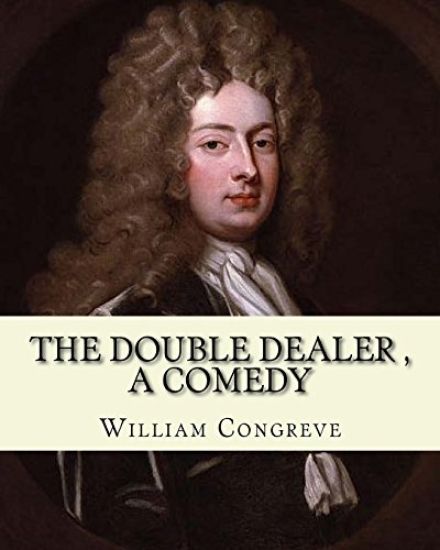
William Congreve (24 January 1670 - 19 January 1729) was an English playwright and poet of the Restoration period. He is known for his clever, satirical dialogue and influence on the comedy of manners style of that period. He was also a minor political figure in the British Whig Party. Early life: William Congreve was born in Bardsey, Yorkshire, England near Leeds. note 1] His parents were William Congreve (1637-1708) and Mary n e Browning (1636?-1715). The family moved to London in 1672. They relocated again in 1674 to the Irish port town of Youghal where his father served as a lieutenant in the British army. Congreve spent his childhood in Ireland, where his father, a Cavalier, had settled during the reign of Charles II. Congreve was educated at Kilkenny College where he met Jonathan Swift, and at Trinity College in Dublin. Upon graduation, he matriculated in the Middle Temple in London to study law, but preferred literature, drama, and the fashionable life. Congreve used the pseudonym Cleophil, under which he published Incognita: or, Love and Duty reconcil'd in 1692. This early work, written when he was about 17 years of age, gained him recognition among men of letters and an entrance into the literary world. He became a disciple of John Dryden whom he met through gatherings of literary circles held at Will's Coffeehouse in the Covent Garden District of London. John Dryden supported Congreve's work throughout his life, taking the form of complimentary introductions written for some of Congreve's publications. Literary career: William Congreve shaped the English comedy of manners through his use of satire and well-written dialogue. Congreve achieved fame in 1693 when he wrote some of the most popular English plays of the Restoration period. This period was distinguished by the fact that female roles were beginning to be played predominately by women, and was evident in Congreve's work. One of Congreve's favorite actresses was Mrs. Anne Bracegirdle, who performed many of the female lead roles in his plays. His first play The Old Bachelor, written to amuse himself while convalescing, was produced at the Drury Lane Theatre in 1693 and later produced by the Theatre Royale. It was recognized as a success, and ran for a two-week period when it opened. Congreve's mentor John Dryden gave the production rave reviews and proclaimed it to be a brilliant first piece. The second play to be produced was called The Double-Dealer which was not nearly as successful as the first production. By the age of thirty, he had written four comedies, including Love for Love (premiered 30 April 1695) staged in Lincoln's Inn Field which was nearly as well received as the first major success for Congreve, and The Way of the World (premiered March 1700). This play was a failure at the time of production but is seen as one of his masterpieces today, and is still revived. He wrote one tragedy, The Mourning Bride (1697) which was extremely popular at the time of creation but is now one of his least regarded dramas. After the production of Love for Love, Congreve became one of the managers for the Lincoln's Inn Fields in 1695. During that time, he wrote public occasional verse. As a result of his success and literary merit, he was awarded one of the five positions of commissioner for licensing hackney coaches. Congreve's career as a playwright was successful but brief. He only wrote five plays, authored from 1693 to 1700, in total. This was partly in response to changes in taste, as the public turned away from the sort of high-brow sexual comedy of manners in which he specialized. Congreve may have been forced off of the stage due to growing concerns about the morality of his theatrical comedies....
William Congreve (24 January 1670 - 19 January 1729) was an English playwright and poet of the Restoration period. He is known for his clever, satirical dialogue and influence on the comedy of manners style of that period. He was also a minor political figure in the British Whig Party. Early life: William Congreve was born in Bardsey, Yorkshire, England near Leeds. note 1] His parents were William Congreve (1637-1708) and Mary n e Browning (1636?-1715). The family moved to London in 1672. They relocated again in 1674 to the Irish port town of Youghal where his father served as a lieutenant in the British army. Congreve spent his childhood in Ireland, where his father, a Cavalier, had settled during the reign of Charles II. Congreve was educated at Kilkenny College where he met Jonathan Swift, and at Trinity College in Dublin. Upon graduation, he matriculated in the Middle Temple in London to study law, but preferred literature, drama, and the fashionable life. Congreve used the pseudonym Cleophil, under which he published Incognita: or, Love and Duty reconcil'd in 1692. This early work, written when he was about 17 years of age, gained him recognition among men of letters and an entrance into the literary world. He became a disciple of John Dryden whom he met through gatherings of literary circles held at Will's Coffeehouse in the Covent Garden District of London. John Dryden supported Congreve's work throughout his life, taking the form of complimentary introductions written for some of Congreve's publications. Literary career: William Congreve shaped the English comedy of manners through his use of satire and well-written dialogue. Congreve achieved fame in 1693 when he wrote some of the most popular English plays of the Restoration period. This period was distinguished by the fact that female roles were beginning to be played predominately by women, and was evident in Congreve's work. One of Congreve's favorite actresses was Mrs. Anne Bracegirdle, who performed many of the female lead roles in his plays. His first play The Old Bachelor, written to amuse himself while convalescing, was produced at the Drury Lane Theatre in 1693 and later produced by the Theatre Royale. It was recognized as a success, and ran for a two-week period when it opened. Congreve's mentor John Dryden gave the production rave reviews and proclaimed it to be a brilliant first piece. The second play to be produced was called The Double-Dealer which was not nearly as successful as the first production. By the age of thirty, he had written four comedies, including Love for Love (premiered 30 April 1695) staged in Lincoln's Inn Field which was nearly as well received as the first major success for Congreve, and The Way of the World (premiered March 1700). This play was a failure at the time of production but is seen as one of his masterpieces today, and is still revived. He wrote one tragedy, The Mourning Bride (1697) which was extremely popular at the time of creation but is now one of his least regarded dramas. After the production of Love for Love, Congreve became one of the managers for the Lincoln's Inn Fields in 1695. During that time, he wrote public occasional verse. As a result of his success and literary merit, he was awarded one of the five positions of commissioner for licensing hackney coaches...............
William Congreve (24 January 1670 - 19 January 1729) was an English playwright and poet of the Restoration period. He is known for his clever, satirical dialogue and influence on the comedy of manners style of that period. He was also a minor political figure in the British Whig Party. Early life: William Congreve was born in Bardsey, Yorkshire, England near Leeds. note 1] His parents were William Congreve (1637-1708) and Mary n e Browning (1636?-1715). The family moved to London in 1672. They relocated again in 1674 to the Irish port town of Youghal where his father served as a lieutenant in the British army. Congreve spent his childhood in Ireland, where his father, a Cavalier, had settled during the reign of Charles II. Congreve was educated at Kilkenny College where he met Jonathan Swift, and at Trinity College in Dublin. Upon graduation, he matriculated in the Middle Temple in London to study law, but preferred literature, drama, and the fashionable life. Congreve used the pseudonym Cleophil, under which he published Incognita: or, Love and Duty reconcil'd in 1692. This early work, written when he was about 17 years of age, gained him recognition among men of letters and an entrance into the literary world. He became a disciple of John Dryden whom he met through gatherings of literary circles held at Will's Coffeehouse in the Covent Garden District of London. John Dryden supported Congreve's work throughout his life, taking the form of complimentary introductions written for some of Congreve's publications. Literary career: William Congreve shaped the English comedy of manners through his use of satire and well-written dialogue. Congreve achieved fame in 1693 when he wrote some of the most popular English plays of the Restoration period. This period was distinguished by the fact that female roles were beginning to be played predominately by women, and was evident in Congreve's work. One of Congreve's favorite actresses was Mrs. Anne Bracegirdle, who performed many of the female lead roles in his plays. His first play The Old Bachelor, written to amuse himself while convalescing, was produced at the Drury Lane Theatre in 1693 and later produced by the Theatre Royale. It was recognized as a success, and ran for a two-week period when it opened. Congreve's mentor John Dryden gave the production rave reviews and proclaimed it to be a brilliant first piece. The second play to be produced was called The Double-Dealer which was not nearly as successful as the first production. By the age of thirty, he had written four comedies, including Love for Love (premiered 30 April 1695) staged in Lincoln's Inn Field which was nearly as well received as the first major success for Congreve, and The Way of the World (premiered March 1700). This play was a failure at the time of production but is seen as one of his masterpieces today, and is still revived. He wrote one tragedy, The Mourning Bride (1697) which was extremely popular at the time of creation but is now one of his least regarded dramas. After the production of Love for Love, Congreve became one of the managers for the Lincoln's Inn Fields in 1695. During that time, he wrote public occasional verse. As a result of his success and literary merit, he was awarded one of the five positions of commissioner for licensing hackney coaches................
The Way of the World is a play written by the English playwright William Congreve. It premiered in early March 1700 in the theatre in Lincoln's Inn Fields in London. It is widely regarded as one of the best Restoration comedies and is still occasionally performed. At the time, however, the play struck many audience members as continuing the immorality of the previous decades, and it was not well received. Plot Act 1 is set in a chocolate house where Mirabell and Fainall have just finished playing cards. A footman comes and tells Mirabell that Waitwell (Mirabell's male servant) and Foible (Lady Wishfort's female servant) were married that morning. Mirabell tells Fainall about his love of Millamant and is encouraged to marry her. Witwoud and Petulant appear and Mirabell is informed that should Lady Wishfort marry, he will lose 6000 of Millamant's inheritance.He will only get this money if he can make Lady Wishfort consent to his and Millamant's marriage. Act 2 is set in St. James' Park. Mrs. Fainall and Mrs. Marwood are discussing their hatred of men. Fainall appears and accuses Mrs. Marwood (with whom he is having an affair) of loving Mirabell (which she does). Meanwhile, Mrs. Fainall (Mirabell's former lover) tells Mirabell that she hates her husband, and they begin to plot to deceive Lady Wishfort into giving her consent to the marriage. Millamant appears in the park and, angry about the previous night (when Mirabell was confronted by Lady Wishfort), she tells Mirabell of her displeasure in his plan, which she only has a vague idea about. After she leaves, the newly wed servants appear and Mirabell reminds them of their roles in the plan. Acts 3, 4 and 5 are all set in the home of Lady Wishfort. We are introduced to Lady Wishfort who is encouraged by Foible to marry the supposed Sir Rowland - Mirabell's supposed uncle - so that Mirabell will lose his inheritance. Sir Rowland is, however, Waitwell in disguise, and the plan is to entangle Lady Wishfort in a marriage which cannot go ahead, because it would be bigamy, not to mention a social disgrace (Waitwell is only a serving man, Lady Wishfort an aristocrat). Mirabell will offer to help her out of the embarrassing situation if she consents to his marriage. Later, Mrs. Fainall discusses this plan with Foible, but this is overheard by Mrs. Marwood. She later tells the plan to Fainall, who decides that he will take his wife's money and go away with Mrs. Marwood. Mirabell and Millamant, equally strong-willed, discuss in detail the conditions under which they would accept each other in marriage (otherwise known as the "proviso scene"), showing the depth of their feeling for each other. Mirabell finally proposes to Millamant and, with Mrs. Fainall's encouragement (almost consent, as Millamant knows of their previous relations), Millamant accepts. Mirabell leaves as Lady Wishfort arrives, and she lets it be known that she wants Millamant to marry her nephew, Sir Wilfull Witwoud, who has just arrived from the countryside. Lady Wishfort later gets a letter telling her about the Sir Rowland plot. Sir Rowland takes the letter and accuses Mirabell of trying to sabotage their wedding. Lady Wishfort agrees to let Sir Rowland bring a marriage contract that night...... William Congreve (24 January 1670 - 19 January 1729) was an English playwright and poet of the Restoration period. He is known for his clever, satirical dialogue and influence on the comedy of manners style of that period. He was also a minor political figure in the British Whig Party............
First presented in 1697, The Mourning Bride is William Congreve's only tragic drama, which includes two of his most quoted phrases, "Musick has Charms to sooth a savage Breast," (Act I, Scene 1), and "Heav'n has no Rage, like Love to Hatred turn'd, Nor Hell a Fury, like a Woman scorn'd." (Act III, Scene 2).................. William Congreve (24 January 1670 - 19 January 1729) was an English playwright and poet of the Restoration period. He is known for his clever, satirical dialogue and influence on the comedy of manners style of that period. He was also a minor political figure in the British Whig Party. Early life: William Congreve was born in Bardsey, Yorkshire, England near Leeds. note 1] His parents were William Congreve (1637-1708) and Mary n e Browning (1636?-1715). The family moved to London in 1672. They relocated again in 1674 to the Irish port town of Youghal where his father served as a lieutenant in the British army. Congreve spent his childhood in Ireland, where his father, a Cavalier, had settled during the reign of Charles II. Congreve was educated at Kilkenny College where he met Jonathan Swift, and at Trinity College in Dublin. Upon graduation, he matriculated in the Middle Temple in London to study law, but preferred literature, drama, and the fashionable life. Congreve used the pseudonym Cleophil, under which he published Incognita: or, Love and Duty reconcil'd in 1692. This early work, written when he was about 17 years of age, gained him recognition among men of letters and an entrance into the literary world. He became a disciple of John Dryden whom he met through gatherings of literary circles held at Will's Coffeehouse in the Covent Garden District of London. John Dryden supported Congreve's work throughout his life, taking the form of complimentary introductions written for some of Congreve's publications. Literary career: William Congreve shaped the English comedy of manners through his use of satire and well-written dialogue. Congreve achieved fame in 1693 when he wrote some of the most popular English plays of the Restoration period. This period was distinguished by the fact that female roles were beginning to be played predominately by women, and was evident in Congreve's work. One of Congreve's favorite actresses was Mrs. Anne Bracegirdle, who performed many of the female lead roles in his plays. His first play The Old Bachelor, written to amuse himself while convalescing, was produced at the Drury Lane Theatre in 1693 and later produced by the Theatre Royale. It was recognized as a success, and ran for a two-week period when it opened. Congreve's mentor John Dryden gave the production rave reviews and proclaimed it to be a brilliant first piece. The second play to be produced was called The Double-Dealer which was not nearly as successful as the first production. By the age of thirty, he had written four comedies, including Love for Love (premiered 30 April 1695) staged in Lincoln's Inn Field which was nearly as well received as the first major success for Congreve, and The Way of the World (premiered March 1700). This play was a failure at the time of production but is seen as one of his masterpieces today, and is still revived. He wrote one tragedy, The Mourning Bride (1697) which was extremely popular at the time of creation but is now one of his least regarded dramas. After the production of Love for Love, Congreve became one of the managers for the Lincoln's Inn Fields in 1695..........



![The Comedies of William Congreve Volume 1 [Of 2]](/covers/9783847240235.jpg)