Kirjojen hintavertailu. Mukana 12 390 323 kirjaa ja 12 kauppaa.

Kirjahaku

Etsi kirjoja tekijän nimen, kirjan nimen tai ISBN:n perusteella.

1000 tulosta hakusanalla Andrew P Partington

Introduction to Systems Engineering

Introduction to Systems Engineering

Andrew P. Sage; James E. Armstrong

John Wiley Sons Inc
2000
sidottu
An easy-to-use, comprehensive guide to systems engineering methods. Systems engineering (SE), or the engineering of large-scale systems, is key to achieving reliable, efficient, cost-effective products and services in diverse fields, including communication and network systems, software engineering, information systems, manufacturing, command and control, and defense systems acquisition and procurement. This book offers a unique introduction to the world of systems engineering, focusing on analysis and problem-solving techniques that can be applied throughout the life cycle of product systems and service systems. While the authors provide a framework for the functional levels involved in systems engineering processes and system management, the bulk of the discussion is devoted to the practical application of formulation, analysis, and interpretation methods. Through the use of real-world examples and useful graphs, readers will learn to:*Choose the most appropriate methods and tools for a given project*Apply issue formulation methods to assure that the right problem has been identified*Work with formal analysis methods to assure that the problem is solved correctly*Apply issue interpretation methods to insure that decisions reflect human values and technological realities, and thereby make interpretation work for them in the decision-making process*Develop an appreciation for the engineering and troubleshooting of large systems
Systems Engineering

Systems Engineering

Andrew P. Sage

John Wiley Sons Inc
1992
sidottu
Addresses some fundamental considerations associated with the engineering of large scale systems. The first part deals with systems methodology, design and management including a detailed examination of operational and task level system quality assurance through configuration management, audits and reviews, standards and systems integration. The second part discusses a variety of systems design and management approaches, particularly those concerned with system effectiveness evaluation and the human role in systems.
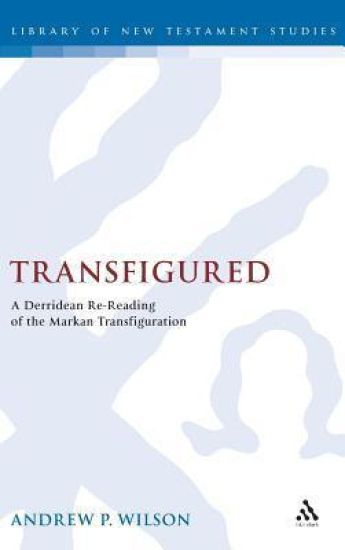
Transfigured

Transfigured

Andrew P. Wilson

T. T.Clark Ltd
2007
sidottu
At first glance the Markan transfiguration scene (Mk. 9:2-8) is all about light, sound and spectacle. Commentators see revealed in this scene a sparkling vision of God's glory the light that banishes the shadow of incomprehension and by which the hidden truth of the Gospel finally becomes clear. But have commentators been blinded by their dazzling evaluations of Mark's theology? For, despite all the splendor and sparkle, the Markan transfiguration remains a difficult scene to interpret. Transfigured asks what would be seen if one were to squint past the sun-like glory that dominates this vision. Wilson focuses on the problematic elements, the gaps and inconsistencies of the scene, and re-evaluates them in order to re-read the transfiguration from an altered perspective. The theoretical work of Jacques Derrida, particularly his notion of "otherness," which draws together and realigns the reader (subject), the reading (method), and what is read (text), will be central to the orientation of this re-reading. Ultimately, the transfiguration story can be seen ably to accommodate readings that challenge traditionally prescribed metaphysical structures and presuppositions. In the end, the application of Derridean theory issues its own challenges to traditional scholarship in such a way that the approach to the Markan transfiguration and the theology one inevitably brings to it, require a certain amount of reformulation.
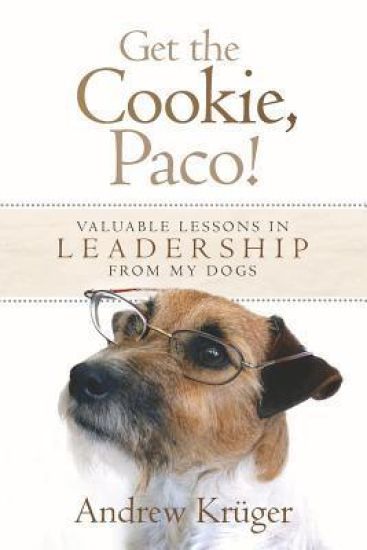
Get the Cookie, Paco!: Valuable Lessons in Leadership from My Dogs
To date, most of the discourse revolving around leadership has either been too superficial to be useful or far too academic and dry to appeal-and make sense to-the general public. Bringing the most important findings from leadership studies and presenting their key lessons and concepts in an approachable and enjoyable format, Andrew Kr ger's debut changes that paradigm forever. While it can be characterized as fifty-one practical ways you can increase your leadership ability at home or in the office, Kr ger's book is much more than that. Using the behavior of his two dogs to make sophisticated concepts more readily understood and memorable, he displays a multitude of cogent points such as leaders must act without knowing all the information, leaders are aware of their strengths and limitations and use them effectively and efficiently, as well as lessons including personal resilience, emotional intelligence, and fear-based leading versus love-based leading. The concepts are broken down into five key categories to further delineate and underscore the importance of the overall framework of a leader: working on yourself, working with others, reading others, leading others, and the bigger picture. Combined, the information presented paints a clear and vibrant picture of how to change your life-and style of leadership-for the better. By taking the success of the business parable format of Johnson in Who Moved My Cheese and combining it with logical and endearing observations of our canine friends in such books as Marley & Me and The Other End of the Leash, Kr ger creates an enjoyable, playful, and casual approach to self-improvement in all facets of your life. The perfect read traveling companion, Get the Cookie, Paco : Valuable Lessons in Leadership from My Dogs will change the way you run your business-and the business of your life. From the author: "The concept of leadership is one that has been gaining popularity in recent years. In business school it was a required course, even though many of my hardened classmates felt it was too 'soft' to be of any use. I disagreed then, and I still do. In my ensuing years as a consultant I witnessed how the human element of business continues to wreak havoc for owners and employees alike. There is a pervasive assumption that if you have the technical answer to a problem it should be solved. As long as you know what should be done, then people should fall in line. How wrong this is. It completely ignores the human element, the fact that emotions rule decision- making. This is true both in and out of the office. Many people are kept back from their potential, and from inspiring others, because they haven't been taught-or simply don't consider-what it is to be a leader and how to become one. They don't know how to effectively implement change through motivating others. As one client told me "The problem with business is that you have to deal with people." And that's messy. It struck me that most people couldn't imagine themselves as leaders. The role to them is mysterious and opaque, a peak in the distance with no path up. It's viewed as an all-or-nothing condition. The common misconception is that there are leaders, and there are followers, but nothing in between. I disagree. The more I work with the concept of leadership the more I realize that it's like climbing a mountain: there are easy ways up and difficult ones. Some people are in better shape than others. Guidance, either in the form of a map, GPS, or skilled guide, always helps. Most importantly, not everyone is going to reach the summit but with a little effort they can climb a bit higher and enjoy the view."
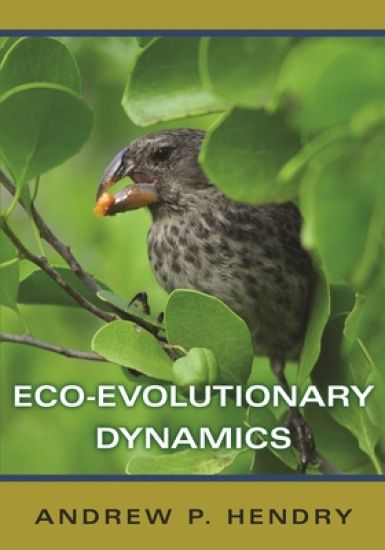
Eco-evolutionary Dynamics

Eco-evolutionary Dynamics

Andrew P. Hendry

Princeton University Press
2020
pokkari
An invaluable guide for students and researchers working at the interface of evolution and ecologyScientists are increasingly realizing that evolution can occur on timescales much shorter than the "long lapse of ages" that was emphasized by Darwin. In fact, evolutionary change is occurring all around us all the time. This book provides an authoritative and accessible introduction to eco-evolutionary dynamics, an exciting field that unifies evolution and ecology into a common conceptual framework focusing on rapid and dynamic ecological and evolutionary change. Topics range from natural selection, adaptive divergence, ecological speciation, and gene flow to population and community dynamics, ecosystem function, plasticity, and genomics. An essential introduction for students and researchers alike, Eco-evolutionary Dynamics reveals how evolution and ecology interact on short timescales to shape the world around us.
Ecotourism Development in Costa Rica

Ecotourism Development in Costa Rica

Andrew P. Miller

Lexington Books
2012
sidottu
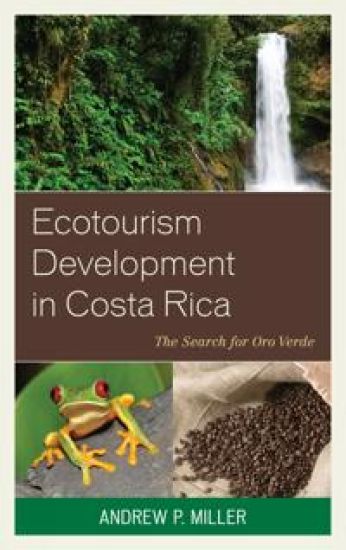
Ecotourism Development in Costa Rica: The Search for Oro Verde, by Andrew P. Miller, examines the use of ecotourism as a development strategy in Costa Rica and its applicability to other Central American states. Ecotourism provides an important environmental check on industry, giving the environment a voice by making its preservation an economic necessity due to the number of people who derive their income from it. The move away from agriculture to ecotourism is a natural fit because many of those who are engaged in agriculture have extensive knowledge of plants and animals that can be utilized by the ecotourism industry. The use of ecotourism as a development strategy is distinctive. For ecotourism to succeed, it must preserve the natural environment, but it must do so in a way that does not preclude growth in other sectors of the economy. Miller shows how the successful pursuit of foreign direct investment coupled with Costa Rica’s immense biodiversity and its attractiveness to tourists is key to understanding the success of the Costa Rican economy. Many of the preferences that ecotourists have for a vacation destination also help create an amenable atmosphere for business. These factors include: political and social stability, high quality of life, low levels of corruption, economic freedom, high levels of education, and a suitable infrastructure. The most important part of this research is its development of strategies based upon the Costa Rican model that would be useful for other states in the region. When looking at whether states can replicate the development strategy of Costa Rica, environmental sustainability is an important concern. Ecotourism Development in Costa Rica is an essential text for students and scholars interested in Latin American politics and history, development studies, and environmental sustainability.
Sustainable Ecotourism in Central America

Sustainable Ecotourism in Central America

Andrew P. Miller

Lexington Books
2016
sidottu
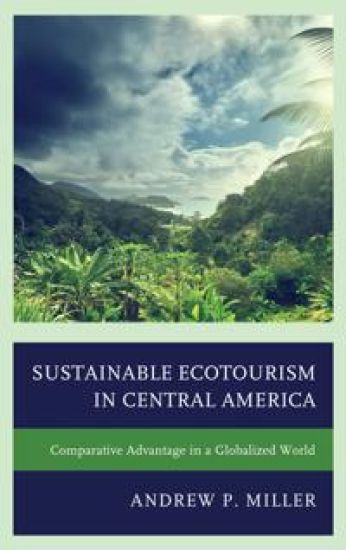
Sustainable Ecotourism in Central America: Comparative Advantage in a Globalized World examines the factors necessary for Nicaragua, Panama, and Belize to implement an economic development model based on the growth of ecotourism and foreign direct investment. In order to determine what factors are necessary to implement this model, this book analyzes the state of ecotourism development in Costa Rica and the lessons that the Costa Rican case can provide for other Central American states. It also assesses the effects of globalization and the increasing implementation of free market policies on the development of ecotourism. The book ultimately argues that globalization and neoliberalism have made it more likely that states will be able to adopt a development model based on ecotourism and foreign direct investment due to the manner in which neoliberalism and globalization help to create ever-increasing economic interconnectedness and openness. While globalization has served to shrink the world and make it easier for people to travel, the economic openness of neoliberalism has facilitated global flows of both tourists and international capital into every corner of the world. Understanding the way globalization and neoliberalism interact with ecotourism development and foreign direct investment is the key to formulating policy recommendations for states in Central America to jumpstart their economic development.
Ecotourism Development in Costa Rica

Ecotourism Development in Costa Rica

Andrew P. Miller

Lexington Books
2014
nidottu
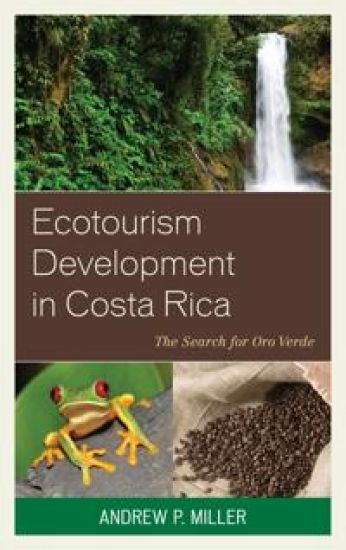
Ecotourism Development in Costa Rica: The Search for Oro Verde, by Andrew P. Miller, examines the use of ecotourism as a development strategy in Costa Rica and its applicability to other Central American states. Ecotourism provides an important environmental check on industry, giving the environment a voice by making its preservation an economic necessity due to the number of people who derive their income from it. The move away from agriculture to ecotourism is a natural fit because many of those who are engaged in agriculture have extensive knowledge of plants and animals that can be utilized by the ecotourism industry. The use of ecotourism as a development strategy is distinctive. For ecotourism to succeed, it must preserve the natural environment, but it must do so in a way that does not preclude growth in other sectors of the economy. Miller shows how the successful pursuit of foreign direct investment coupled with Costa Rica’s immense biodiversity and its attractiveness to tourists is key to understanding the success of the Costa Rican economy. Many of the preferences that ecotourists have for a vacation destination also help create an amenable atmosphere for business. These factors include: political and social stability, high quality of life, low levels of corruption, economic freedom, high levels of education, and a suitable infrastructure. The most important part of this research is its development of strategies based upon the Costa Rican model that would be useful for other states in the region. When looking at whether states can replicate the development strategy of Costa Rica, environmental sustainability is an important concern. Ecotourism Development in Costa Rica is an essential text for students and scholars interested in Latin American politics and history, development studies, and environmental sustainability.
Explaining Human Actions and Environmental Changes

Explaining Human Actions and Environmental Changes

Andrew P. Vayda

AltaMira Press,U.S.
2009
sidottu
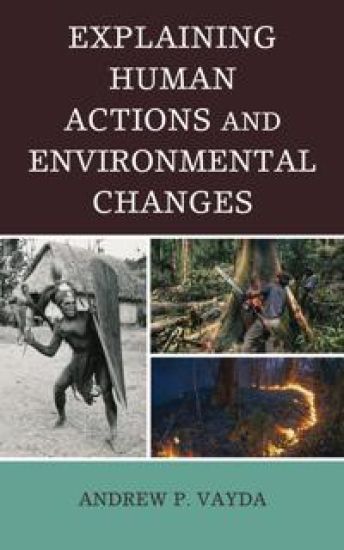
In this collection of recent essays, Andrew P. Vayda argues for a pragmatic approach to explanation and explanation-oriented research in social and environmental sciences. He supports his arguments with causal analyses of both human actions, such as cutting down trees and fighting over resources, and environmental changes, such as forest fires; and he voices his opposition to methodological and ethnographic holism and the notion that explanation can be achieved by deploying theories rather than by obtaining evidence of the causal histories of concrete actions and events. Vayda is critical of much recent scholarship_in such areas as political ecology, local knowledge studies, discourse studies, and evolutionary human behavioral ecology_for its indifference to questions of evidence and methodology and its failure to give proper consideration to multiple and alternative possible causes of whatever is being explained. He also discusses the use and misuse of evidence and generalizations, the payoffs and pitfalls of moving from one level of analysis to another, the dos and don'ts in interdisciplinary research, the uses of statistics, and the importance of being clear about objects of explanation. This original and challenging work makes sense of the future of ecological anthropology and will be of interest to researchers in the social and environmental sciences in general.
A Short Guide to Academic Writing

A Short Guide to Academic Writing

Andrew P. Johnson

University Press of America
2003
nidottu
A Short Guide to Academic Writing de-mystifies the process of writing and describes everything that is needed to write in an academic and professional style. Contained are instructions related to the writing process and what the product should look like. Written in a crisp, concise style, Andrew Johnson makes these ideas easily accessible to readers of all levels of writing experience. This text contains information that is appropriate for any undergraduate or graduate student who is learning to write academic papers or professional documents using APA (5th edition) style.
The Culture of Shame

The Culture of Shame

Andrew P. Morrison

Jason Aronson Inc. Publishers
1998
nidottu
The author exposes the many masks of shame and examines the way it paralyzes us, individually and collectively. He draws on powerful case stories to illustrate the language and impact of shame and how it can be overcome.