Fredrik Jonsson; Karolina Stenström; Johannes Nilsson; Magdalena Nordin; Pontus Lundkvist; Klara Wiksten; John Porcellino; Caroline Sury; Tom Karlsson; Sabina Ostermark; Mika Wiborgh; Marit Olanders; Grace Wilson; David Lasky; Emmi Valve; Björn Ahlén; Anna Mørch Bendixen; Jonas Juuso; Karolina Dahl; Mats Kejonen; Elin Hansson; Kerstin Björk
"I stället för att mingla med bemanningsutsugare borde våra folkvalda ta en kopp beskt kaffe och läsa två texter ur detta magasin: Först Jonas Juuso och Karolina Dahls rysarbrevväxling om de bisarra och årligt försämrade villkoren i deras vårdjobb. Därefter Hanna Alfredssons serieberättelse om timanställningar. Jag får en knut i magen som håller i sig flera dagar. Alla måste läsa!" - Ida Therén, Aftonbladet "Få tidskrifter är lika bra som Det grymma svärdet på att bejaka tidskriftsformatets många möjligheter. När andra lägger fokus på pliktskyldiga temanummer ger man i DGS plats åt det ofärdiga, det rastlösa, det långa och vindlande. I #21 finns till exempel en chat mellan Pontus Lundkvist och Johannes Nilsson om den samtida vänstern, ett reportage om alternativa sociala medier av Magdalena Nordin och en härligt knastrig dagbokstext av Karolina Stenström. Ett andningshål, mitt i all torftighet" - Rebecka Kärde, Arbetaren
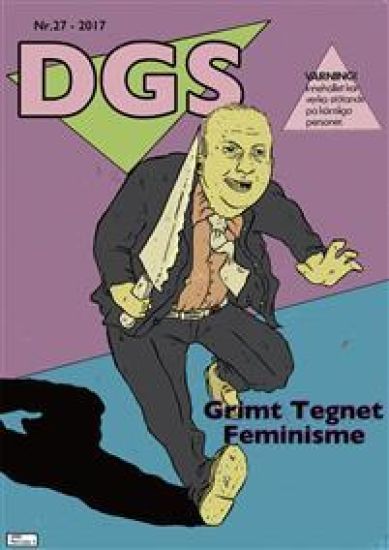
Vi tänkte göra ett nummer om pengar, men det blev mer ett nummer om klass och om över- och underordning än något om pengar i sig. Väldigt mycket serier blev det också, en del av folk som aldrig publicerats på svenska innan som Tommi Parrish, Simon Hanselmann och Berliac. Andra Det Grymma Svärdet-debutanter denna gång: Noah Van Sciver, Evelina Mohei, Anders Kvammen och Stella Tallinger. De medverkande kommer från nio länder i fyra världsdelar!
Ronelle Alexander; Anamaria Beligan; Karina Coates; Piotr Czajkowski; Pietro Iagnocco; Gordana & Ivan Ivetac; Michael Janes; James Jenkin; Emma Koch; Arzu Kurklu; Robert Landon; Marta Lopez; Dana Lovinesku; Christina Mayer; Gunter Muehl; Richard Nebesky; Thanasis Spilias; Grant Taylor; Susie Walker; Anabela de Azevedo Teixeira Sobrinho
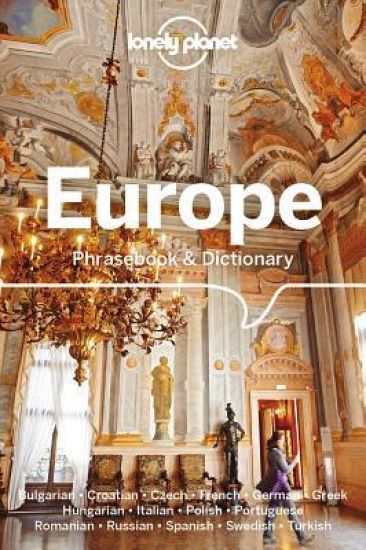
Lonely Planet's Europe Phrasebook & Dictionary is your handy passport to culturally enriching travels with the most relevant and useful European phrases and vocabulary for all your travel needs. Ask for directions to historical sites, delve further into local culture, and order culinary specialties with confidence - all with your trusted travel companion. With language tools in your back pocket, you can truly get to the heart of wherever you go, so begin your journey now!Get More From Your Trip with Easy-to-Find Phrases for Every Travel Situation!Order with confidence, explain food allergies, and try new foods with the menu decoderSave time and hassles with vital phrases at your fingertipsNever get stuck for words with the 3500-word two-way, quick-reference dictionaryBe prepared for both common and emergency travel situations with practical phrases and terminologyMeet friends with conversation starter phrasesGet your message across with easy-to-use pronunciation guidesInside Lonely Planet's Europe Phrasebook & Dictionary:Phrases to Learn Before You GoWays to Start a SentencePhrases to Sound like a LocalListen For - phrases you may hearLook For - phrases you may see on signsShortcuts - easy-to-remember alternatives to the full phrasesQ&A - suggested answers to questions askedCoversBasics - time, dates, numbers, amounts, pronunciation, reading tips, grammar rulesPractical - travel with kids, disabled travellers, senior travellers, sightseeing, business, banking, post office, internet, phones, repairs, shopping, bargaining, accommodations, directions, border crossing, transportSocial - meeting people, interests, feelings, opinions, going out, romance, culture, activities, weatherSafe Travel - emergencies, police, doctor, chemist, dentist, symptoms, conditionsFood - ordering, at the market, at the bar, dishes, ingredientsThe Perfect Choice: Lonely Planet's Europe Phrasebook & Dictionary, our pocket-sized comprehensive language guide, provides on-the-go language assistance. Great for language students and travellers looking to interact with locals and immerse themselves in local culture.
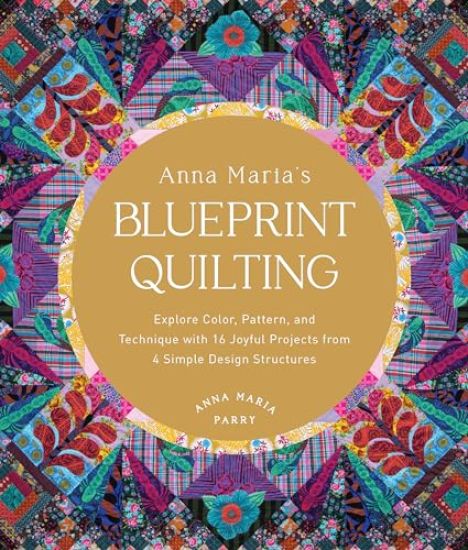
Stitch 16 stunning quilts and patchwork projects based on four underlying “blueprints” while learning skills to create your own original designs.Uncover the mystery of quilt design with Anna Maria’s Blueprint Quilting. Celebrated fiber artist Anna Maria Parry demystifies her seemingly complex patterns and sumptuous color combinations as she breaks down her signature designs into accessible “blueprints,” or underlying structures. This accessible, visually inspiring book features:A behind-the-scenes glimpse into an expert quilt designer’s processFour quilt blueprints and accessible projects for different skill levelsTechniques for intensifying details, adjusting colors, and scaling designs for endless possibilitiesInsight into planning and executing quilting and appliqué techniquesClear illustrations and photography for an inspiring and informative experienceQR codes linked to videos that further illuminate important techniquesWith easy-to-follow projects and insightful techniques for all levels of quilters, Anna Maria’s Blueprint Quilting will empower your quilting journey as you infuse your creations with the beauty and inspiration found within Parry’s extraordinary designs.
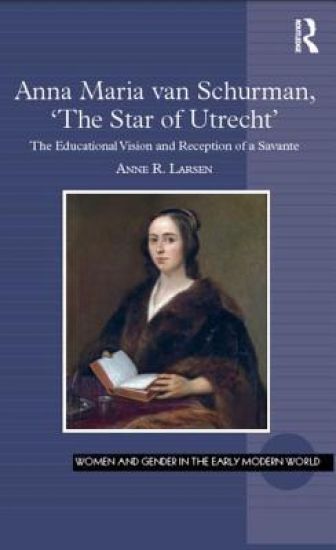
Dutch Golden Age scholar Anna Maria van Schurman was widely regarded throughout the seventeenth century as the most learned woman of her age. She was 'The Star of Utrecht','The Dutch Minerva','The Tenth Muse', 'a miracle of her sex', 'the incomparable Virgin', and 'the oracle of Utrecht'. As the first woman ever to attend a university, she was also the first to advocate, boldly, that women should be admitted into universities. A brilliant linguist, she mastered some fifteen languages. She was the first Dutch woman to seek publication of her correspondence. Her letters in several languages Hebrew, Greek, Latin, and French – to the intellectual men and women of her time reveal the breadth of her interests in theology, philosophy, medicine, literature, numismatics, painting, sculpture, embroidery, and instrumental music. This study addresses Van Schurman's transformative contribution to the seventeenth-century debate on women's education. It analyses, first, her educational philosophy; and, second, the transnational reception of her writings on women's education, particularly in France. Anne Larsen explores how, in advocating advanced learning for women, Van Schurman challenged the educational establishment of her day to allow women to study all the arts and the sciences. Her letters offer fascinating insights into the challenges that scholarly women faced in the early modern period when they sought to define themselves as intellectuals, writers, and thoughtful contributors to the social good.
Come embroider alongside admired fabric designer Anna Maria HornerAdmired for her luminous palette and innovative patterns, Anna Maria's brand means color and inspiration in the form of fabric, sewing patterns, needlework patterns, books, and friendly instruction. Now, her legion of fans will thrill to the publication of a brand-new addition to her growing library.Anna Maria's Needleworks Notebook gives readers 24 original motifs in a variety of embroidery types, from gridwork to crewel and fine detailed handwork. Readers will long to make projects to embellish their homes and wardrobes.Anna Maria presents each motif in a warm personal notebook-style with inspiration adn advice to turn each motif into a treasured finished pieceOffers practical instruction in gridwork, traditional embroidery and crewel, and precise instruction to complete fine detail workVivid full-color photographs invite you into the creative processWhether you're a beginner or a veteran, the 24 needlework motifs in this beautiful book will transform your home and wardrobe into a collection of unique treasures.
The 18th century was a wealth of knowledge, exploration and rapidly growing technology and expanding record-keeping made possible by advances in the printing press. In its determination to preserve the century of revolution, Gale initiated a revolution of its own: digitization of epic proportions to preserve these invaluable works in the largest archive of its kind. Now for the first time these high-quality digital copies of original 18th century manuscripts are available in print, making them highly accessible to libraries, undergraduate students, and independent scholars.Western literary study flows out of eighteenth-century works by Alexander Pope, Daniel Defoe, Henry Fielding, Frances Burney, Denis Diderot, Johann Gottfried Herder, Johann Wolfgang von Goethe, and others. Experience the birth of the modern novel, or compare the development of language using dictionaries and grammar discourses. ++++The below data was compiled from various identification fields in the bibliographic record of this title. This data is provided as an additional tool in helping to insure edition identification: ++++John Rylands University Library of ManchesterT162111Hookham and Carpenter had already published vol. 2 of this work in 1795, which was intended to accompany vol. 1, published by different booksellers in 1793.London: printed for the author, and sold by Hookham and Carpenter, 1796. 6],3-157, 1]p.; 8
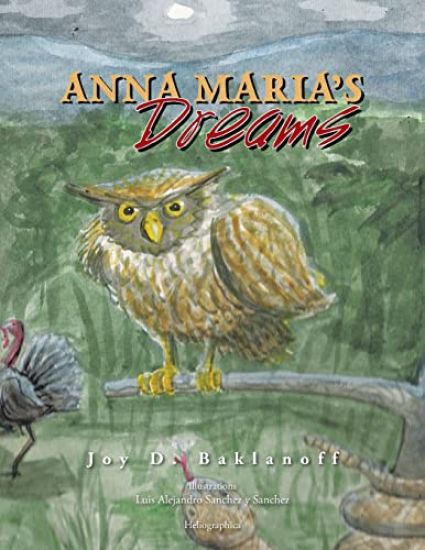
Anna Maria's Dream is an adventure story of an eight-year old girl during the time of her Mayan village's patronal fiesta. Told in a culturally sensitive manner, this story is rich in the sights, sounds and smells encountered throughout this lively occasion. During the celebration, Anna Maria dreams nightly about local animals and their relationship to their environment and to her. In the end, she discovers the meaning of the dreams and her life is forever changed for the better. The book features magnificent illustrations as envisioned through the eyes of a local Yucaten, award-winning artist. The reading level is for grades three, four and five.
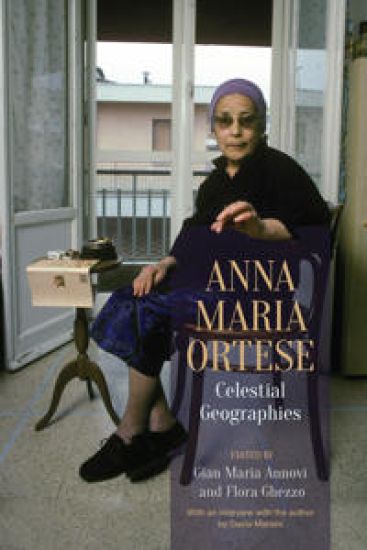
After years of obscurity, Anna Maria Ortese (1914–1998) is emerging as one of the most important Italian authors of the twentieth-century, taking her place alongside such luminaries as Italo Calvino, Primo Levi, and Elsa Morante. Anna Maria Ortese: Celestial Geographies features a selection of essays by established Ortese scholars that trace her remarkable creative trajectory. Bringing a wide range of critical perspectives to Ortese’s work, the contributors to this collection map the author’s complex textual geography, with its overlapping literary genres, forms, and conceptual categories, and the rhetorical and narrative strategies that pervade Ortese’s many types of writing. The essays are complemented by material translated here for the first time: Ortese’s unpublished letters to her mentor, the writer Massimo Bontempelli; and an extended interview with Ortese by fellow Italian novelist Dacia Maraini.
Dutch Golden Age scholar Anna Maria van Schurman was widely regarded throughout the seventeenth century as the most learned woman of her age. She was 'The Star of Utrecht','The Dutch Minerva','The Tenth Muse', 'a miracle of her sex', 'the incomparable Virgin', and 'the oracle of Utrecht'. As the first woman ever to attend a university, she was also the first to advocate, boldly, that women should be admitted into universities. A brilliant linguist, she mastered some fifteen languages. She was the first Dutch woman to seek publication of her correspondence. Her letters in several languages Hebrew, Greek, Latin, and French – to the intellectual men and women of her time reveal the breadth of her interests in theology, philosophy, medicine, literature, numismatics, painting, sculpture, embroidery, and instrumental music. This study addresses Van Schurman's transformative contribution to the seventeenth-century debate on women's education. It analyses, first, her educational philosophy; and, second, the transnational reception of her writings on women's education, particularly in France. Anne Larsen explores how, in advocating advanced learning for women, Van Schurman challenged the educational establishment of her day to allow women to study all the arts and the sciences. Her letters offer fascinating insights into the challenges that scholarly women faced in the early modern period when they sought to define themselves as intellectuals, writers, and thoughtful contributors to the social good.