Kirjojen hintavertailu. Mukana 11 627 485 kirjaa ja 12 kauppaa.

Kirjahaku

Etsi kirjoja tekijän nimen, kirjan nimen tai ISBN:n perusteella.

668 tulosta hakusanalla Bodo Lampe

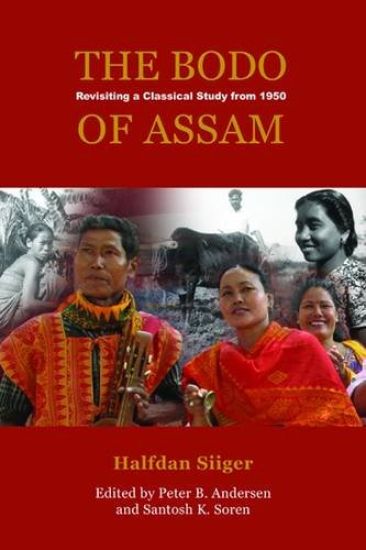
The Bodo of Assam

The Bodo of Assam

Halfdan Siiger

NIAS Press
2015
sidottu
The Bodo (or Boros) are one of the indigenous tribal peoples of Assam. During colonial times they resisted Christianization and in recent decades they have been involved both in interethnic violence and separatist insurgencies. Much research has gone into understanding the Boros and their aspirations but an issue has been that earlier accounts of this once-animist people are meagre and date from the colonial period.The rediscovery and publication of the ethnographic material based on fieldwork carried out by Halfdan Siiger among the Boros in 1949-50 is thus hugely important. Siiger's manuscript is unique, offering detailed descriptions of the social and ritual life of the Boros and new insights into the traditions and myths as they were told in the village he studied before the transformation of religious life in recent decades.Thanks to Siiger's diligent translation and interpretation, the manuscript also preserves a number of ritual formulas and songs in the Boro language. Siiger's manuscript is given even greater relevance by the inclusion of more recent material contributed by the editors and other contemporary scholars. In addition, his original photos are augmented by new photos from the village and by rare images from the collections of the National Museum of Denmark.
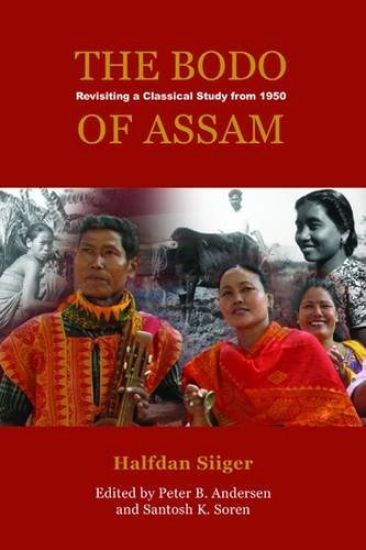
The Bodo of Assam

The Bodo of Assam

Halfdan Siiger

NIAS Press
2015
nidottu
The Bodo (or Boros) are one of the indigenous tribal peoples of Assam. During colonial times they resisted Christianization and in recent decades they have been involved both in interethnic violence and separatist insurgencies.Much research has gone into understanding the Boros and their aspirations but an issue has been that earlier accounts of this once-animist people are meagre and date from the colonial period. The rediscovery and publication of the ethnographic material based on fieldwork carried out by Halfdan Siiger among the Boros in 1949-50 is thus hugely important. Siiger's manuscript is unique, offering detailed descriptions of the social and ritual life of the Boros and new insights into the traditions and myths as they were told in the village he studied before the transformation of religious life in recent decades.Thanks to Siiger's diligent translation and interpretation, the manuscript also preserves a number of ritual formulas and songs in the Boro language. Siiger's manuscript is given even greater relevance by the inclusion of more recent material contributed by the editors and other contemporary scholars. In addition, his original photos are augmented by new photos from the village and by rare images from the collections of the National Museum of Denmark.
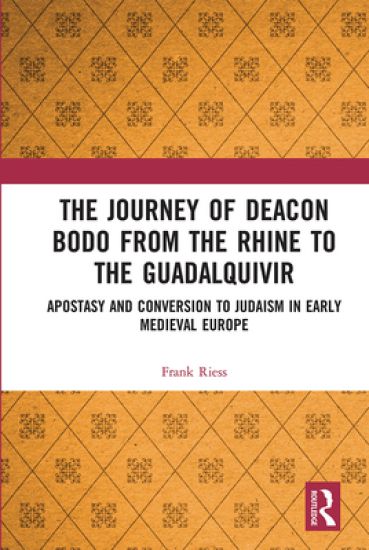
The Journey of Deacon Bodo from the Rhine to the Guadalquivir
The story of Bodo begins in the ninth century around the time of the death of Charlemagne in 814. It centres on a young Aleman aristocrat and his conversion to Judaism in 838, followed by his flight to the Muslim world of Al-Andalus. His apostasy constitutes an arresting footnote in the history of the Carolingian period, his change of faith viewed as a shocking episode attributed by some to an overly lax policy towards Judaism and its powerful merchants. Another factor could be ascribed to the study of Judaism and its links with Christianity, which was a feature of the time.Bodo moved from a monastery on the Rhine, where he went as a small boy, to the imperial court, where he was now a gifted young scholar groomed for a top position. His unexpected abandonment of Christianity challenged his background and learning, and this was seen as a rebuke of the court network to which he belonged. Bodo left behind a growing conflict over succession between the emperor, Louis the Pious, and his sons that culminated in a civil war following the emperor’s death. As a result, the Frankish Empire was partitioned into three separate kingdoms in 843.Meanwhile in Spain, two years after fleeing the Frankish world, Bodo debated the merits of Judaism and Christianity in Córdoba with Albarus Paulus, a beleaguered Christian in the Muslim world, not only airing criticisms of Christianity, but also some failings of the Carolingian imperial court. In 847 he is mentioned in the court annals as stirring up opposition in Islamic Spain against Christians, asserting that they should be forced to convert or be executed. This reported incident may be linked to a significant number of self-imposed deaths by Christians who, feeling increasingly persecuted, sought to provoke Islam by denouncing the Prophet and bringing about their execution.The experience of Bodo’s apostasy was far from unique: other men and women who renounced Christianity for Judaism are also examined in conversion narratives recorded in the following two centuries. These episodes offer an illuminating study of religious changes taking place in Europe and the East where Christianity, Islam and Judaism competed in the ninth century and beyond. Bodo’s experience can be viewed as part of a wider phenomenon depicting men and women who travelled as pilgrims, refugees or converts seeking to find a home and escape persecution because of their beliefs.
The Journey of Deacon Bodo from the Rhine to the Guadalquivir
The story of Bodo begins in the ninth century around the time of the death of Charlemagne in 814. It centres on a young Aleman aristocrat and his conversion to Judaism in 838, followed by his flight to the Muslim world of Al-Andalus. His apostasy constitutes an arresting footnote in the history of the Carolingian period, his change of faith viewed as a shocking episode attributed by some to an overly lax policy towards Judaism and its powerful merchants. Another factor could be ascribed to the study of Judaism and its links with Christianity, which was a feature of the time.Bodo moved from a monastery on the Rhine, where he went as a small boy, to the imperial court, where he was now a gifted young scholar groomed for a top position. His unexpected abandonment of Christianity challenged his background and learning, and this was seen as a rebuke of the court network to which he belonged. Bodo left behind a growing conflict over succession between the emperor, Louis the Pious, and his sons that culminated in a civil war following the emperor’s death. As a result, the Frankish Empire was partitioned into three separate kingdoms in 843.Meanwhile in Spain, two years after fleeing the Frankish world, Bodo debated the merits of Judaism and Christianity in Córdoba with Albarus Paulus, a beleaguered Christian in the Muslim world, not only airing criticisms of Christianity, but also some failings of the Carolingian imperial court. In 847 he is mentioned in the court annals as stirring up opposition in Islamic Spain against Christians, asserting that they should be forced to convert or be executed. This reported incident may be linked to a significant number of self-imposed deaths by Christians who, feeling increasingly persecuted, sought to provoke Islam by denouncing the Prophet and bringing about their execution.The experience of Bodo’s apostasy was far from unique: other men and women who renounced Christianity for Judaism are also examined in conversion narratives recorded in the following two centuries. These episodes offer an illuminating study of religious changes taking place in Europe and the East where Christianity, Islam and Judaism competed in the ninth century and beyond. Bodo’s experience can be viewed as part of a wider phenomenon depicting men and women who travelled as pilgrims, refugees or converts seeking to find a home and escape persecution because of their beliefs.