
Kirjahaku
Etsi kirjoja tekijän nimen, kirjan nimen tai ISBN:n perusteella.
1000 tulosta hakusanalla Charles Timothy Brooks


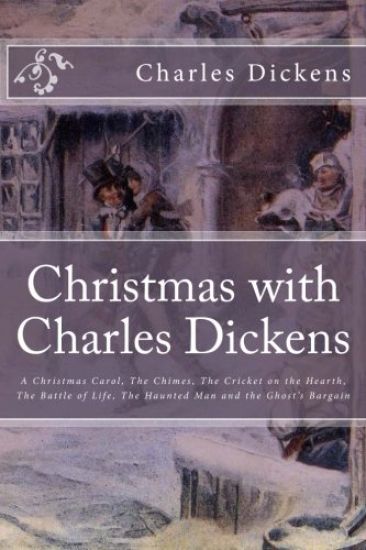
Christmas with Charles Dickens: A Christmas Carol, The Chimes, The Cricket on the Hearth, The Battle of Life, The Haunted Man and the Ghost's Bargain
Timothy Bertrand; Charles Dickens
Createspace Independent Publishing Platform
2014
nidottu
Charles Dickens is largely responsible for the modern idea of "Christmas". His timeless writings preserved the English traditions associated with the holiday and inspired many more. Characters such as Tiny Tim and Scrooge have entered our literature and consciousness. It's no wonder Dickens has been referred to as "the man who invented Christmas". Bertrand Media proudly presents Dickens' five Christmas themed works: The Battle of Life A Christmas Carol The Haunted Man and the Ghost's Bargain The Chimes The Cricket on the Hearth
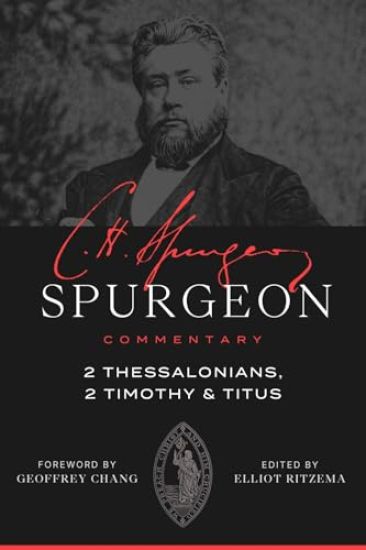
Spurgeon Commentary: 2 Thessalonians, 2 Timothy, Titus
Charles Haddon Spurgeon
Lexham Press
2026
nidottu
The best of Spurgeon's writings on 2 Thessalonians, 2 Timothy, and TitusC. H. Spurgeon's writings on 2 Thessalonians, 2 Timothy, and Titus in a commentary formatSermon illustrations and life applications for each passageIllustrations are indexed by themeIncludes updated English for greater readabilitySpurgeon Commentary: 2 Thessalonians, 2 Timothy, Titus collects Charles Spurgeon's thoughts on in a commentary format, along with sermon illustrations and applications. Illustrations are indexed by theme, enabling you to quickly find a fitting observation, whether you're searching by topic or verse. Updated language brings greater clarity to the teachings of Spurgeon, allowing you to better understand and apply his rich insights.
Life Of Timothy Pickering V2
Octavius Pickering; Charles Upham
KESSINGER PUBLISHING, LLC
2010
sidottu
Life Of Timothy Pickering V3
Octavius Pickering; Charles Upham
KESSINGER PUBLISHING, LLC
2010
sidottu
Life Of Timothy Pickering V4
Octavius Pickering; Charles Upham
KESSINGER PUBLISHING, LLC
2010
sidottu



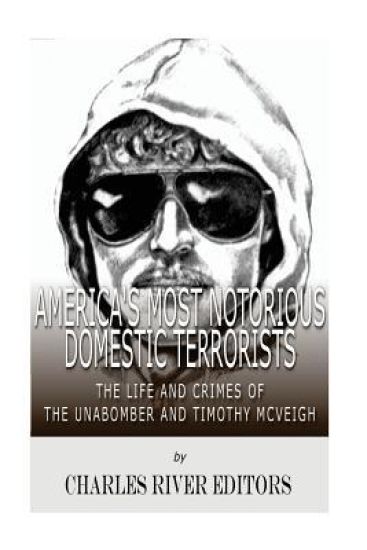
America's Most Notorious Domestic Terrorists: The Life and Crimes of the Unabomber and Timothy McVeigh
Charles River
Createspace Independent Publishing Platform
2016
nidottu
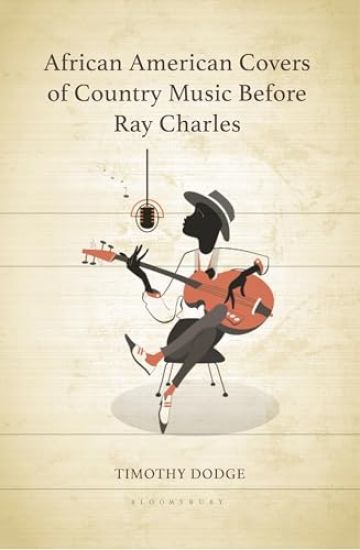
African American Covers of Country Music Before Ray Charles
Timothy Dodge
BLOOMSBURY PUBLISHING PLC
2026
sidottu
Timothy Dodge explores African American interest in and participation in country music dates from the earliest days of the recording industry’s racial segregation of vernacular music into African American “race” and white “hillbilly” music.Ray Charles’s then-controversial decision to record an entire album of country music covers in 1962 turned out to be a major success that, in effect, made it “legitimate” for African Americans to record country music. However, the author’s intensive research reveals that African Americans had been recording such music as far back as the early 1920s.Previous scholarship has focused on the important influence of African American popular music, especially the blues, on country music. This study investigates the prevalence of country music first recorded by white artists subsequently recorded by African Americans artists from several musical genres including blues, R &B, gospel, jazz, and pop.The author analyzes and discusses his findings to confirm that African American interest in and participation in country has been part of the music’s history from the beginning despite the segregation of such vernacular music by the early recording industry into the basic racial categories of “race” and “hillbilly,” the influence of which to some extent continues to inform contemporary 21st.-century understandings of country music.
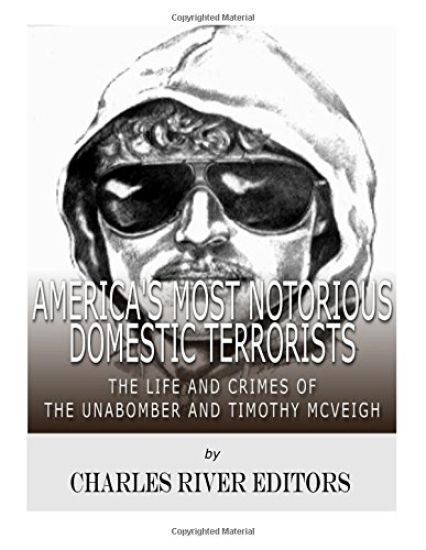
America's Most Notorious Domestic Terrorists: The Life and Crimes of the Unabomber and Timothy McVeigh
Charles River
Createspace Independent Publishing Platform
2017
nidottu
*Includes pictures *Includes the terrorists' quotes *Includes a bibliography for further reading Most Americans old enough to follow the news during the 1990s are instantly familiar with the Unabomber, a name given to the man behind a series of bombs that were periodically mailed or delivered to university professors and airlines, which led to the FBI giving the investigation the codename "UNABOM," an acronym for "University and Airline Bomber." Over nearly 20 years, the Unabomber, as he was dubbed by the media, would kill 3 and wound dozens with his homemade bombs, some of which were primitive but others of which were strong enough to destroy an airplane. While authorities struggled to find him from the first time he targeted someone with a bomb in 1978, the Unabomber 's choice of targets and the materials he used offered a glimpse into the kind of man he was. Profilers rightly assumed that it was a man who had received a higher education and had some sort of interest in the environment and big business. What they could not know at the time was that it was all the work of one man, Ted Kaczynski, who was the product of a Harvard education and had briefly taught at UCLA before retiring to a cabin in Montana without electricity or running water. Ultimately, it was Kaczynski who tripped himself up thanks to his insistence that a major media outlet publish his lengthy essay Industrial Society and Its Future. Now known almost universally as the Unabomber Manifesto, it was a long screed against the effects of industry and technology on nature, and the way technology has impacted the psychology and personalities of people in society. Often incorporating "FC" in his bombs and writings as shorthand for Freedom Club, Kaczynski also asserted that the dependence on technology limited people's freedom and sapped them of their desire for personal autonomy. After the controversial siege at Waco ended in April 1993, a disillusioned young veteran named Timothy McVeigh was determined to strike back at the federal government. In 1994, McVeigh and an old Army buddy, Michael Fortier, decided they would bomb the Alfred P. Murrah Federal Building in Oklahoma City because several federal agencies had offices inside, including the ATF. With the help of Terry Nichols, McVeigh constructed a bomb out of fertilizer that weighed over two tons and placed it in a rented Ryder truck, the same company the 1993 World Trade Center bomber, Ramzi Yousef, had rented a van from. At 9:00 a.m. on April 19, 1995, the second anniversary of the end of the siege in Waco, McVeigh's bomb exploded with a force so powerful that it registered seismic readings across much of Oklahoma and could be heard 50 miles away. The explosion killed 168 people, including young children in the building's day-care center. McVeigh was captured shortly after the explosion, and he never displayed remorse for his actions. When he later learned about the day-care center, McVeigh called the children "collateral damage." At the time, the bombing was the deadliest terrorist attack on American soil in history, and McVeigh was executed on June 11, 2001, three months before the bombing became the second deadliest terrorist attack on American soil in history. America's Most Notorious Domestic Terrorists: The Life and Crimes of the Unabomber and Timothy McVeigh chronicle the stories of two of the most famous domestic terrorists of the 20th century. Along with pictures of important people, places, and events, you will learn about the Unabomber and Timothy McVeigh like never before.
Reminiscences of the Military Life and Sufferings of Col. Timothy Bigelow
Charles Hersey
Anson Street Press
2025
nidottu
Experience the American Revolution through the eyes of a dedicated officer. "Reminiscences of the Military Life and Sufferings of Col. Timothy Bigelow" offers a firsthand account of the challenges and hardships faced by the Continental Army. This compelling biography, meticulously prepared for print republication, chronicles the military career of Colonel Timothy Bigelow, commander of the Fifteenth Regiment of the Massachusetts Line. Charles Hersey vividly portrays Bigelow's experiences, providing a valuable glimpse into military life during the Revolutionary War. Readers gain insight into the daily realities of soldiers fighting for American independence. Explore the trials, tribulations, and unwavering commitment of a leader within the Continental Army. This historical narrative serves as an important resource for those interested in the American Revolution, military history, and the personal stories of those who shaped the nation. Delve into a critical period in United States history and discover the enduring legacy of Colonel Timothy Bigelow.This work has been selected by scholars as being culturally important, and is part of the knowledge base of civilization as we know it.This work is in the public domain in the United States of America, and possibly other nations. Within the United States, you may freely copy and distribute this work, as no entity (individual or corporate) has a copyright on the body of the work.Scholars believe, and we concur, that this work is important enough to be preserved, reproduced, and made generally available to the public. We appreciate your support of the preservation process, and thank you for being an important part of keeping this knowledge alive and relevant.
Reminiscences Of The Military Life And Sufferings Of Col. Timothy Bigelow, Commander In The Continental Army, During The War Of The Revolution
Charles Hersey
KESSINGER PUBLISHING, LLC
2010
sidottu