Kirjahaku
Etsi kirjoja tekijän nimen, kirjan nimen tai ISBN:n perusteella.
1000 tulosta hakusanalla Dane Mainella


Dane dotyczace podzialu terytorialnego rosyjskiego funduszu lesnego
Alexandra Podolskaya
Wydawnictwo Nasza Wiedza
2021
pokkari
Dane oddzialu terytorialnego (TD) funduszu leśnego - dane dotyczące granic przedsiębiorstw gospodarki leśnej, jednostek lotniczych i stref monitorowania zagrożenia pożarowego. Granice TD podlegają corocznym zmianom związanym z organizacją nowych, likwidacją starych, rozwiązaniem lub konsolidacją jednostek lotniczych/przedsiębiorstw leśnych; przydzieleniem teren w funduszu leśnego do r żnych stref monitorowania. Zachodzące zmiany muszą byc uwzględnione w strukturze Systemu Informatycznego Zdalnego Monitoringu (ISDM-Rosleskhoz). Książka zawiera przegląd technologii aktualizacji danych TD funduszu leśnego, w tym analizę aktualnego stanu danych o granicach podzialu terytorialnego, opis technologii zarządzania lasami w oparciu o GIS. Szczeg lowo opisano proces projektowania i rozwoju technologii geoinformacyjnej do aktualizacji danych o granicach lasu w ramach ISDM-Rosleskhoz. Książka zawiera aprobatę opracowanej technologii na obszarze testowym w sezonie pożarowym 2009. Książka jest przeznaczona dla ekspert w GIS pracujących w dziedzinie leśnictwa w Rosji.

Dane satelitarne i obserwacje powierzchniowe podczas burz piaskowych i bryz
Karim Bouchlaghem; Ridha Chouikh; Amenallah Guizani
Wydawnictwo Nasza Wiedza
2025
pokkari

Dane z obserwacji Ziemi i technologia geoprzestrzenna do modelowania osuwisk
Subhajit Bandopadhyay
Wydawnictwo Nasza Wiedza
2025
pokkari

Dane powi¿zane: odkrywanie starszych danych w erze sieci semantycznej
Wydawnictwo Nasza Wiedza
2026
pokkari

Dane demograficzne dotycz¿ce producentów pasz i produkcji pasz w stanie Tripura w Indiach
Wydawnictwo Nasza Wiedza
2026
pokkari

This gripping nineteenth-century adventure stars Jorgen Jorgenson, who ran away to sea at fourteen and began a brilliant career by sailing to establish the first colony in Tasmania.
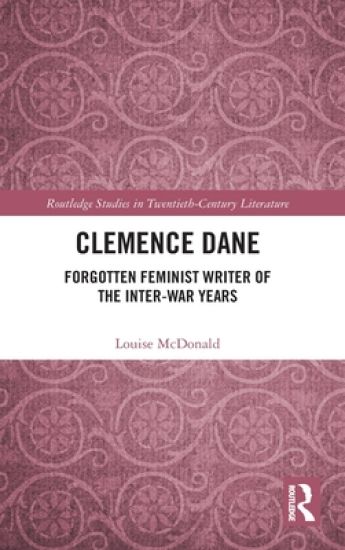
This feminist investigation of the works of Clemence Dane joins the growing body of research into the relationship of female-authored texts to the ideology and cultural hegemony of the Edwardian and inter-war period. An amalgam of single-author study and thematic period analysis, through sustained cultural engagement, this book explores Dane’s journalism, drama and fiction to interrogate a range of issues: inter-war women’s writing, the Middlebrow, feminism, (homo) sexuality, liberal politics, domesticity, and concepts of the spinster. It examines form and a range of fictional genres: drama, bildungsroman, detective fiction, historical saga and gothic fiction. It relates back to the genre writing of comparable authors. These include Rosamond Lehmann, Vita Sackville-West, Ivy Compton-Burnett, Dorothy Strachey, Dodie Smith, Rachel Ferguson, May Sinclair, Sylvia Townsend Warner, Daphne Du Maurier, G.B.Stern, and detective writers: Dorothy L. Sayers, Agatha Christie, Gladys Mitchell, Marjorie Allingham and Ngaio Marsh. Offering a picture of an era, focalised through Dane and contextualised through her journalism and the work of her female peers, it argues that Dane is often markedly more radically feminist than these contemporaries. She engages with broad issues of social justice irrespective of gender and her humanity is demonstrated through her sympathetic representations of marginalised characters of both sexes. However, she most specifically evidences a gender politics consistent with the fragmented and multifarious essentialist feminism that emerged following the Great War, which esteemed ‘womanly’ qualities of care and mothering but simultaneously valued female autonomy, single status and professionalism. Adopting the critical paradigms of domestic modernism and women‘s liminality, the book will particularly focus on the trajectories of Dane’s extraordinary modern heroines, who possess qualities of altruism, candour, integrity, imagination, intuition, resilience and rebelliousness. Over the course of her work, these fictional women increasingly challenge oppressive normative forms of domesticity, traversing physical thresholds to create alternative domesticities in self-defining living and working spaces.
This feminist investigation of the works of Clemence Dane joins the growing body of research into the relationship of female-authored texts to the ideology and cultural hegemony of the Edwardian and inter-war period. An amalgam of single-author study and thematic period analysis, through sustained cultural engagement, this book explores Dane’s journalism, drama and fiction to interrogate a range of issues: inter-war women’s writing, the Middlebrow, feminism, (homo) sexuality, liberal politics, domesticity, and concepts of the spinster. It examines form and a range of fictional genres: drama, bildungsroman, detective fiction, historical saga and gothic fiction. It relates back to the genre writing of comparable authors. These include Rosamond Lehmann, Vita Sackville-West, Ivy Compton-Burnett, Dorothy Strachey, Dodie Smith, Rachel Ferguson, May Sinclair, Sylvia Townsend Warner, Daphne Du Maurier, G.B.Stern, and detective writers: Dorothy L. Sayers, Agatha Christie, Gladys Mitchell, Marjorie Allingham and Ngaio Marsh. Offering a picture of an era, focalised through Dane and contextualised through her journalism and the work of her female peers, it argues that Dane is often markedly more radically feminist than these contemporaries. She engages with broad issues of social justice irrespective of gender and her humanity is demonstrated through her sympathetic representations of marginalised characters of both sexes. However, she most specifically evidences a gender politics consistent with the fragmented and multifarious essentialist feminism that emerged following the Great War, which esteemed ‘womanly’ qualities of care and mothering but simultaneously valued female autonomy, single status and professionalism. Adopting the critical paradigms of domestic modernism and women‘s liminality, the book will particularly focus on the trajectories of Dane’s extraordinary modern heroines, who possess qualities of altruism, candour, integrity, imagination, intuition, resilience and rebelliousness. Over the course of her work, these fictional women increasingly challenge oppressive normative forms of domesticity, traversing physical thresholds to create alternative domesticities in self-defining living and working spaces.
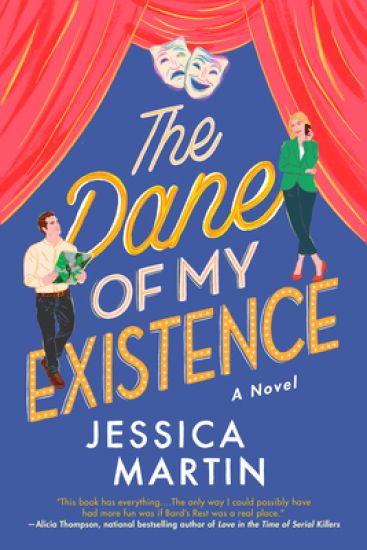
When the history and character of her Shakespeare-obsessed hometown is threatened, a powerhouse lawyer goes toe to toe with a commercial developer in a hilarious rom-com from the author of For the Love of the Bard. Portia Barnes is the youngest managing partner in her law firm's history, and she and her stilettos are poised to step into the role of her dreams--leading the firm's new Boston office. But first she's taking a summer sabbatical in her hometown of Bard's Rest, New Hampshire, where she discovers something's rotten in the midst of the town's annual Shakespeare festival. Hotshot commercial developer Benjamin Dane is sniffing around Bard's, and while Portia isn't necessarily a Shakespeare fanatic like the rest of her family, she's not about to let him bulldoze the town's beloved outdoor theater. Yet to Portia's dismay, Ben proves as skilled as she is when it comes to outworking, outmaneuvering, and one-upping the competition. While she's never hesitated to wage war against hyper-successful alpha males, Portia is caught off guard by Ben's openness and lack of arrogance. As her own long-constructed walls start to come down, Portia begins to wonder if he might be more than an archnemesis. With her heart on the line and the future of the town hanging in the balance, Portia faces an impossible decision--Ben or Bard's?--unless she finds a way to broker the merger of her life, and ensures the curtain falls on a happy ending for everyone.
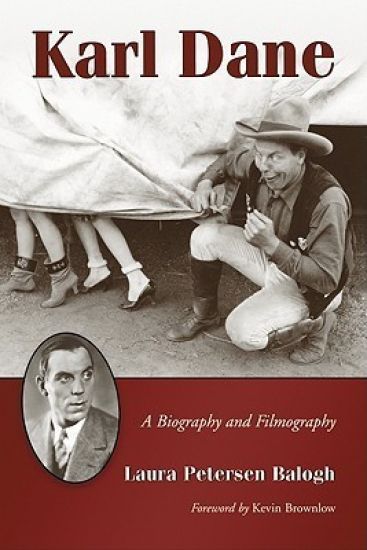
Karl Dane's life was a Cinderella story gone horribly wrong. The immigrant from Copenhagen was rapidly transformed from a machinist to a Hollywood star after his turn as the tobacco-chewing Slim in The Big Parade in 1925. After that, Dane appeared in more than 40 films with such luminaries as Lillian Gish, John Gilbert and William Haines until development of talkies virtually ruined his career. The most famous casualty of the transition from silent to sound film, Dane reportedly lost his career because of his accent. He was broke and alone at the height of the Depression and committed suicide in 1934.

It's was made for Great Dane addicts, by Great Dane addicts, or someone who just likes to relax coloring. Great Dane in floral and mandala style with heartwarming quotes. Makes the perfect gift for your friends who are a pet lover. This book has a total of 42 pages, contains 1 inner cover, 10 different designs with a copy for two chances to coloring, and 21 blank pages for your freestyle drawing.


"Surviving the Great Depression and doggedly striving for prosperity in both city and country is recounted here in this moving tale of Danish immigrant ancestors and successful descendants of Minnesota pioneers who jumped blindfolded into an uncertain future. This human legacy is bequeathed to readers of this most enjoyable story told by the reminiscences of a precocious child turned successful professor of education." --Patricia Lucas, author of Congo Mission and the Desperada trilogy, Green Valley, AZ
Great Dane Training - Dog Training for your Great Dane puppy The training of dogs is often...... confused with classical dog training drills... only considered necessary for demanding dogs... mocked by other dog owners... replaced by anti-authoritarian methods... considered too difficult to achieve without experience. What constitutes dog training and what is it good for? And how can you and your Great Dane profit from it without having any experience?The most important thing is to understand how a dog sees his world, what is "normal" for him and how you can use this to your advantage. In addition, the characteristics of each breed are significant when you get beyond the basic training phase. Your Great Dane will show characteristics which are different to those of a Husky, for example, and this is predominantly what you need to consider during training. This book is vol. 1 of the Great Dane training books. Vol. 2 for your grown up Great Dane is also available with the title "Great Dane Training Vol. 2: Dog Training for your grown-up Great Dane" Author Claudia Kaiser says about her book: "It was my desire to let other dog owners profit from the knowledge I have gained over many years, and after making many mistakes. I love my dog and know how important it is to adapt the training to suit each breed. It is exactly this desire that prompted me to write this book. My aim is to help every beginner, not only to understand his dog better, but also to know exactly how to get the best results, step-by-step, so that you can achieve a close, positive and trusting human-dog relationship."Quench your curiosity to know about background information, read reports on other experiences and obtain step-by-step instructions and secret tips which are tailor-made for your Great Dane. Get your copy of this book today and experience...... how your Great Dane sees his world... and how you can progressively train your dog to receive the best results. Your Great Dane will appreciate it...... so this is my advice: Don't hesitate to buy this book Content of this book: About the AuthorPrefaceWhat you need to know about your Great DaneCornerstones of training puppiesBefore the puppy arrivesThe first few weeksThe first commandsTraining basic knowledgeSpecial Chapter - The hunting instinctCheck list for the startConclusion
Clemence Dane and Good Housekeeping: Modernity and Common Reading examines Dane's tenure as a literary critic for Good Housekeeping between 1923 and 1933, firmly locating it within a vibrant interwar periodical culture. By expressing confidence in a shared literary heritage, modelling enjoyment of a wide variety of literature and linking women's reading habits to the revitalisation of national literary culture, Dane's serial essays implicitly challenged academic and modernist approaches to literature. Moreover, Dane's monthly book pages, in dialogue with book authors and with other feminist contributors, fulfilled and exceeded Good Housekeeping's mission by preparing women for their new responsibilities as British citizens. Dane's journalism sheds new light on the heterogeneity intrinsic to quality domestic magazines and the roles they played in fostering women's multi-faceted modern identities. Stella Deen demonstrates that Dane's corpus of Good Housekeeping essays makes a significant contribution to the conceptualisation of the common reader and to the history of twentieth-century literary criticism.