Kirjojen hintavertailu. Mukana 11 342 296 kirjaa ja 12 kauppaa.

Kirjahaku

Etsi kirjoja tekijän nimen, kirjan nimen tai ISBN:n perusteella.

1000 tulosta hakusanalla David Peace

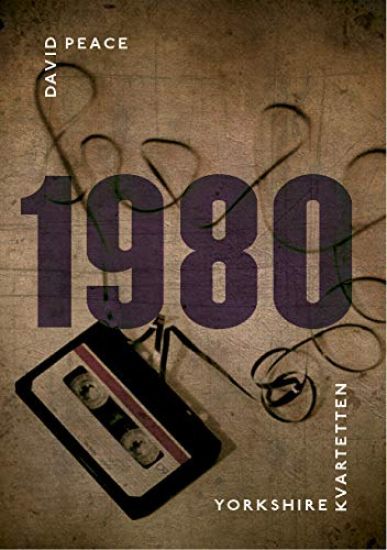
1980 : (tredje boken i Yorkshire-kvartetten)
Vintern 1980. The Yorkshire Ripper har just skördat sitt trettonde offer. Tretton till mördaren, noll till polisen.När allmänhetens ilska växer skickas assisterande polischef Peter Hunter för att ta över utredningen. Skjutningarna i Strafford har förblivit olösta, och morden under jubileumssommaren 1977 tillskrivs fortfarande The Yorkshire Ripper.Men Hunter förstår snart att allt inte är som det verkar och att polisen är mer djupt involverad i morden än någon kunde ha föreställt sig. Jack Whitehead, ensam och galen på en psykiatrisk klinik efter att med hammare och spik ha försökt fördriva demonerna ur sitt huvud, tycks hålla i nyckeln.Vilken är kopplingen mellan The Yorkshire Ripper och denna nya våldsvåg? Och vad kommer att ske när dessa mäns olika helveten kolliderar?DAVID PEACE [f. 1967] växte upp i Yorkshire på sjuttiotalet. 1980 är den tredje boken i den hyllade kvartett kriminalromaner som fått det samlande namnet Yorkshire-kvartetten. [Red Riding Quartet]. Efter att ha varit bosatt i Japan i femton år är David Peace sedan 2009 tillbaka i Yorkshire.Svenska pressröster om »1974«:»David Peace skriver så tätt och rafflande, och har sådana fantastiska personporträtt och en sådan miljöbeskrivning att man bara läser andlöst och tänker: usch, hur ska det gå, hur ska det gå?« YUKIKO DUKE, GOMORRON SVERIGE, SVT»David Peace skriver hårdkokt och rasande, med svärtan hos en igenbommad gruva. Så snart jag hämtat andan är jag redo att dyka ner i 1977, nästa installation i en kvartett som fått en kraftfull, infernaliskt gnistrande start.« SAM SUNDBERG, SVENSKA DAGBLADET»Den märkligaste, mest personliga och bästa nya deckarförfattaren från England.« BENGT ERIKSSON, KRISTIANSTADSBLADET
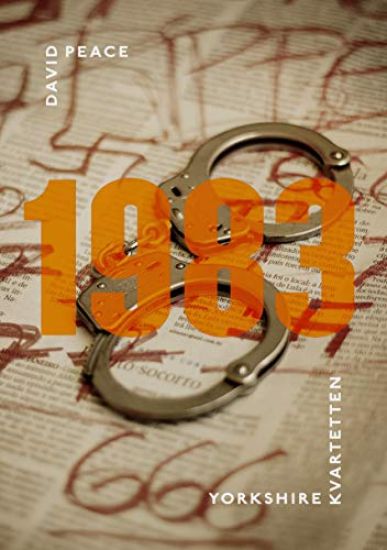
1983 : (Fjärde boken i Yorkshire-kvartetten)
»David Peace är en säregen röst och en stor begåvning. För mig framstår Yorkshirekvartetten som någonting av det mest fascinerande som skrivits inom kriminalgenren på mycket länge. Och 1983 blir på ett sätt den naturliga höjdpunkten.« | KRISTIAN LUNDBERG»David Peace skriver så tätt och rafflande, och har sådana fantastiska personporträtt och en sådan miljöbeskrivning att man bara läser andlöst och tänker: Usch, hur ska det gå, hur ska det gå?« | YUKIKO DUKE, GOMORRON SVERIGE, SVTLeeds, maj 1983. Den tioåriga Hazel Atkins försvinner på väg hem från skolan och trots polisens officiella förnekanden anar man ett samband med andra händelser i traktens mörka historia: Jeanette Garland 1969; Susan Ridyard 1972; Clare Kemplay 1974; barn som försvunnit på liknande sätt och som aldrig återfunnits levande.Parallellt med att kriminalpolisöverintendent Maurice Jobson drar i gång sökandet efter Hazel tar Michael Myshkin - den man som fällts för de tidigare morden - tillbaka sitt erkännande i fallet Kemplay. Hans advokat, John Piggott, påbörjar nu en privat utredning, ett sökande som leder honom rakt in i det intrikata nät av lögner och korruption som Jobson och hans kollegor byggt upp.Längs slingrande vägar rör sig Piggott och Jobson obevekligt mot varandra. Och från ett tredje håll närmar sig en gestalt som till slut lösgjort sig från Yorkshires blodtyngda skuggor - barnet som försvann, men slapp undan; som överlevde och nu söker sin hämnd DAVID PEACE [f. 1967] växte upp i Yorkshire på sjuttiotalet. 1983 är den fjärde och sista boken i den hyllade kvartett kriminalromaner som fått det samlande namnet Yorkshire-kvartetten [Red Riding Quartet]. Efter att i femton år varit bosatt i Japan är David Peace sedan 2009 tillbaka i YorkshirePressröster om »Yorkshire-kvartetten«:»David Peace skriver hårdkokt och rasande, med svärtan hos en igenbommad gruva.« | SAM SUNDBERG, SVENSKA DAGBLADET»1977 är en nattsvart djupdykning i ofattbar, mänsklig ondska.« | INGALILL MOSANDER, AFTONBLADET»Yorkshirekvartetten är en läsupplevelse utöver det vanliga.« | MIKAEL R KARLSSON, BORÅS TIDNING»I 1983 finns det så mycket av spänning att det knappt går att ta in. Romanen bör nog mera läsas som ett diktverk, ett ilsket och speedat requiem över en medmänsklighet som (nästan) gått förlorad i Yorkshire och på andra håll.« | PÄR ALEXANDERSSON, DAST MAGAZINE
Ockuperad stad : och vad författaren hittade där
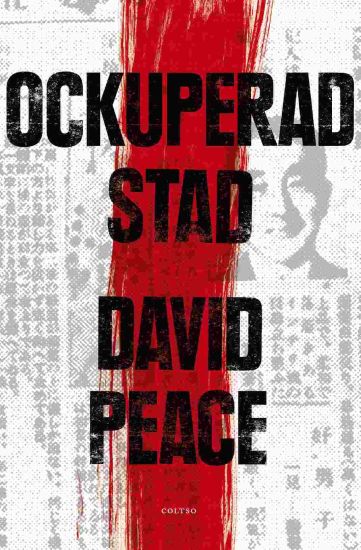
"Jag kan inte säga annat än att jag älskar det. Det är stort, fasansfullt, grymt. Och bland det bästa jag har läst." - Kristian Lundberg i HD Tokyo, 26 januari 1948, i början av den amerikanska ockupationens tredje år. En man kommer in på Teikokubanken i stadens centrum. Han säger att en dysenteriepidemi har brutit ut och att han är en doktor, utskickad av Ockupationsmyndigheten för att behandla alla som kan ha drabbats. En klar vätska hälls upp i sexton tekoppar. Sexton av bankens anställda följer de strikta anvisningarna och dricker. Inom några minuter är tolv döda och fyra medvetslösa. Mannen försvinner med en del av bankens pengar, men långt ifrån allt. Så börjar den största polisjakten i Japans historia. I Ockuperad stad iscensätter och undersöker David Peace de rykten om delaktighet, konspiration och mörkläggning som omger det blodisande fallet med Teikokumassakern, mannen som dömdes för brottet, de biologiska vapenprogrammen, offren och de överlevande. Ockuperad stad är den andra boken i den brittiska kriminalförfattaren David Peaces hyllade Tokyotrilogi - ett porträtt av en sörjande stad.. "Det är stor litteratur /... så enkelt är det ... befriande bra" - Kristian Lundberg om Tokyo år noll
Tokyo år noll

Tokyo år noll

David Peace

Coltso
2013
pokkari
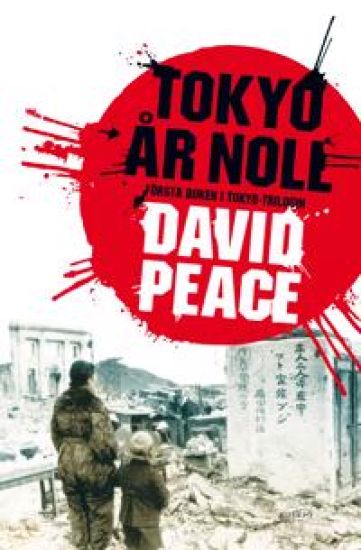
»En historisk knockout, en deckare à la Kurosawa - och alltigenom banbrytande.« James Ellroy »En stark deckare, som är mycket mer än spänningsroman. En klar femma. Ett måste att läsa.« Yukiko Duke, Gomorron Sverige En av världens främsta deckarförfattare, för första gången i svensk översättning. Tokyo, augusti 1946. Ett år efter kapitulationen. Den sönderbombade staden kämpar för att komma på fötter igen under den amerikanska ockupationsmaktens vakande öga. Polisen fungerar med knapp nöd och kriminella gäng strider om makten över Tokyos blomstrande svarta marknad. Mitt i detta kaos får kriminalinspektör Minami ett svårt fall: två mördade kvinnor hittas i Shibaparken, och när Minami gräver djupare i det tätnande mysteriet finner han att hans eget förflutna och hans egna hemligheter tycks förknippade med den okände mördaren och dennes brutala dåd. Den första boken i David Peaces bästsäljande Tokyo-trilogi är en nyskapande kriminalroman som hyllats världen över. Andlös spänning i förening med en unik skildring av livet bland Tokyos ruiner direkt efter krigsslutet. David Peace (f. 1967 i Ossett, England) betraktas som en av världens mest nyskapande deckarförfattare, känd för noir-romaner med förankring i verkligheten. Efter kriminalromaner som »GB84«, »The Damned Utd« och »Red Riding Quartet« utsågs han av Granta till en av de bästa författarna i Storbritannien 2003. Peace har levt många år i Japan och är en stor kännare av landets historia och kultur. KRITIKERRÖSTER »Nu utkommer på svenska den suggestiva och mycket märkliga Tokyo år noll av David Peace vilken utspelar sig i Tokyo - och om det verkligen är år noll eller ett inkarnerat framtidsminne är svårt att säga, för vad Peace gör är helt enkelt att förnya genren. ... Det är stor litteratur, så enkelt är det. Befriande bra.« Kristian Lundberg, Expressen »Tokyo år noll har likheter med Dennis Lehanes svårt klaustrofobiska och suggestiva Shutter Island, men kanske än mer med James Ellroys skam- och skuldtyngda Den svarta dahlian.« Andres Lokko, Borås Tidning
Munichs

Munichs

David Peace (Author)

Faber Faber
2024
pokkari
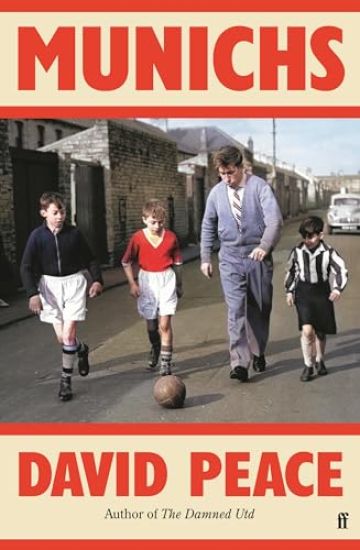
**AVAILABLE TO PRE-ORDER NOW** 'Peace writes the boldest and most original British fiction of his generation.' RICHARD LLOYD PARRY, NEW YORK TIMES 'Hypnotic.' GUARDIAN, on Red or Dead 'Probably the best novel ever written about sport.' THE TIMES, on
David Trimble: Peacemaker

David Trimble: Peacemaker

Stephen Walker

Gill
2025
sidottu
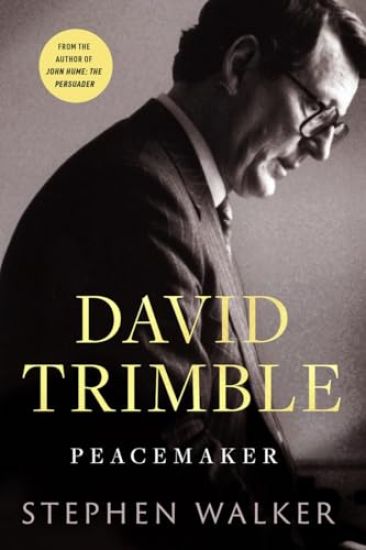
David Trimble was one of the most influential figures in modern British and Irish history. A Nobel Laureate, he negotiated the Good Friday Agreement in 1998 that helped to secure peace in Northern Ireland. In this first biography to chart Trimble’s life and death, award-winning journalist Stephen Walker vividly details how this shy Belfast academic changed the political landscape of Northern Ireland. With the cooperation of the Trimble family, Peacemaker offers unparalleled insights into the life of a history maker: the first person to be elected First Minister of Northern Ireland and the last Ulster unionist to hold that title. Using interviews with his widow Lady Trimble and their grown-up children, the book colourfully charts Trimble’s story from the County Down city of Bangor, through the divisive world of unionist politics, to his crowning moment at the Nobel Peace Prize ceremony in Oslo. It is a tale of how the leaders of unionism and nationalism worked together to end decades of violence to compromise and share power.
Spiritual Wisdom for Peace on Earth from Sananda Channeled Through David J Adams
We have shown you the focus of PEACE, and through that we invite you to look at YOUR DIVINE PLAN, and to work with it through both your energy bodies and your physical bodies, by HARMONIZING the CONSCIOUSNESS and the MIND in a single purpose of PEACEFUL BEINGNESS The more you radiate the ESSENCE OF PEACE from within yourself, the greater the PEACE that will be achieved on the Planet itself. From a tiny acorn the oak Tree will grow And from your INDIVIDUAL LIGHT OF PEACE, the greater Planetary PEACE will grow. This is the message I took to the BLUE PLANET eons of time ago. It is the message that I bring to YOU now. It is for YOU to determine if you run with it or ignore it, individually or collectively. I merely offer an alternative .. PEACE, LOVE AND HARMONY IN ALL HEARTS AND MINDS. From Sananda, January 21, 2001
Spiritual Wisdom for Peace on Earth from Sananda Channeled Through David J Adams
We have shown you the focus of PEACE, and through that we invite you to look at YOUR DIVINE PLAN, and to work with it through both your energy bodies and your physical bodies, by HARMONIZING the CONSCIOUSNESS and the MIND in a single purpose of PEACEFUL BEINGNESS The more you radiate the ESSENCE OF PEACE from within yourself, the greater the PEACE that will be achieved on the Planet itself. From a tiny acorn the oak Tree will grow And from your INDIVIDUAL LIGHT OF PEACE, the greater Planetary PEACE will grow. This is the message I took to the BLUE PLANET eons of time ago. It is the message that I bring to YOU now. It is for YOU to determine if you run with it or ignore it, individually or collectively. I merely offer an alternative .. PEACE, LOVE AND HARMONY IN ALL HEARTS AND MINDS. From Sananda, January 21, 2001
Peacemaker's Guide to Warmongers: Exposing Robert Spencer, David Horowitz, and other Enemies of Peace
Peacemaker's Guide to Warmongers: Exposing Robert Spencer, Osama bin Laden, David Horowitz, Mullah Omar, Bill Warner, Ali Sina and other Enemies of Peace. This book comprises of eight sections: 1. An Invitation to Jews, Christians, Muslims, and All, an excerpt from the last section of the Manifesto for Islamic Reform. 2. An analysis of selected Quranic verses that are distorted or taken out of context to justify violence and terror, an excerpt from notes of Quran: a Reformist Translation. 3. Interview with FrontPage Magazine about my life and cause to promote Islamic reform. 4. A debate between me and Robert Spencer, Bill Warner, and Thomas Haidon, which was organized by and published at FrontPage Magazine. 5. Another debate between me and Khalim Massoud, Thomas Haidon, Abul Kasem, Robert Spencer, and Bill Warner. 6. A lengthy debate between me and Ali Sina, the agitator-in-chief of the faithfreedom.org site. The debate is presented in 16 sessions. 7. Various essays I have written on violence, peace and war. 8. Various related news and essays by other authors. The royalty from this book will be distributed among the following non-profit peace organizations, and I invite readers to donate to any and all of these and other organizations as long as they promote peace, justice and progress: - Amnesty International - Code Pink: Women for Peace - Common Dreams - Democracy in Action - Democracy Now - If Americans Knew - Jewish Voice for Peace - Kucinich.us - Muslims for Peace, Justice and Progress - Unitarian Universalist Association - United for Peace and Justice
Violent Peace

Violent Peace

David R. Mares

Columbia University Press
2001
sidottu
When is military force an acceptable tool of foreign policy? Why do democracies use force against each other? David R. Mares argues that the key factors influencing political leaders in all types of polities are the costs to their constituencies of using force and whether the leader can survive their displeasure if the costs exceed what they are willing to pay. Violent Peace proposes a conceptual scheme for analyzing militarized conflict and supports this framework with evidence from the history of Latin America. His model has greater explanatory power when applied to this conflict-ridden region than a model emphasizing U.S. power, levels of democracy, or the balance of power. Mares takes conflict as a given in international relations but does not believe that large-scale violence must inevitably result, arguing that it is the management of conflict, and not necessarily its resolution, that should be the focus of students, scholars, and practitioners of international relations. Mares argues that deterrence represents the key to conflict management by directly affecting the costs of using force. Conflicts escalate to violence when leaders ignore the requisites for credible and ongoing deterrence. Successful deterrence, he suggests, lies in a strategy that combines diplomatic and military incentives, allowing competition among heterogenous states to be managed in a way that minimizes conflict and maximizes cooperation.
Violent Peace

Violent Peace

David R. Mares

Columbia University Press
2001
pokkari
When is military force an acceptable tool of foreign policy? Why do democracies use force against each other? David R. Mares argues that the key factors influencing political leaders in all types of polities are the costs to their constituencies of using force and whether the leader can survive their displeasure if the costs exceed what they are willing to pay. Violent Peace proposes a conceptual scheme for analyzing militarized conflict and supports this framework with evidence from the history of Latin America. His model has greater explanatory power when applied to this conflict-ridden region than a model emphasizing U.S. power, levels of democracy, or the balance of power. Mares takes conflict as a given in international relations but does not believe that large-scale violence must inevitably result, arguing that it is the management of conflict, and not necessarily its resolution, that should be the focus of students, scholars, and practitioners of international relations. Mares argues that deterrence represents the key to conflict management by directly affecting the costs of using force. Conflicts escalate to violence when leaders ignore the requisites for credible and ongoing deterrence. Successful deterrence, he suggests, lies in a strategy that combines diplomatic and military incentives, allowing competition among heterogenous states to be managed in a way that minimizes conflict and maximizes cooperation.
Making Peace With The Plo

Making Peace With The Plo

David Makovsky

Routledge
2019
sidottu
After decades of branding Yasser Arafat an arch-terrorist, Israel has embraced the PLO leader as a partner for peace. In this study of one of the most extraordinary examples of secret diplomacy in the second half of the twentieth century, David Makovsky, diplomatic correspondent for the Jerusalem Post, explores the personal, domestic, regional, and
Making Peace with the 60s

Making Peace with the 60s

David Burner

Princeton University Press
1998
pokkari
David Burner's panoramic history of the 1960s conveys the ferocity of debate and the testing of visionary hopes that still require us to make sense of the decade. He begins with the civil rights and black power movements and then turns to nuanced descriptions of Kennedy and the Cold War, the counterculture and its antecedents in the Beat Generation, the student rebellion, the poverty wars, and the liberals' war in Vietnam. As he considers each topic, Burner advances a provocative argument about how liberalism self-destructed in the 1960s. In his view, the civil rights movement took a wrong turn as it gradually came to emphasize the identity politics of race and ethnicity at the expense of the vastly more important politics of class and distribution of wealth. The expansion of the Vietnam War did force radicals to confront the most terrible mistake of American liberalism, but that they also turned against the social goals of the New Deal was destructive to all concerned. Liberals seemed to rule in politics and in the media, Burner points out, yet they failed to make adequate use of their power to advance the purposes that both liberalism and the left endorsed. And forces for social amelioration splintered into pairs of enemies, such as integrationists and black separatists, the social left and mainline liberalism, and advocates of peace and supporters of a totalitarian Hanoi. Making Peace with the 60s will fascinate baby boomers and their elders, who either joined, denounced, or tried to ignore the counterculture. It will also inform a broad audience of younger people about the famous political and literary figures of the time, the salient moments, and, above all, the powerful ideas that spawned events from the civil rights era to the Vietnam War. Finally, it will help to explain why Americans failed to make full use of the energies unleashed by one of the most remarkable decades of our history.
Making Peace With Your Father

Making Peace With Your Father

David Stoop

Revell, a division of Baker Publishing Group
2004
nidottu
In this revised and updated copy of his bestselling book, Dr. David Stoop encourages readers to celebrate the positive influences their dads had on them and to make peace with their fathers for the difficulties and problems they may have caused. Making Peace with Your Father offers a comprehensive look at the role of the father, a study of father-absence, and a thorough description of the impact of abusive fathers. Readers will learn the 11-step process that gives hope and healing for relationships with fathers. This is a journey toward healing that all of us must take if we want to be whole.