A comprehensive study guide offering in-depth explanation, essay, and test prep for Charles Dickens's David Copperfield, an autobiographical novel of the main character. As an 1800s English work, David Copperfield shows how power leads to corruption, a still-relevant theme today. Moreover, the novel draws from several of Charles Dickens's own personal experiences and demonstrates the harsh life caused by greed along with the hope that is born from love. This Bright Notes Study Guide explores the context and history of Dickens's classic work, helping students to thoroughly explore the reasons it has stood the literary test of time. Each Bright Notes Study Guide contains: - Introductions to the Author and the Work - Character Summaries - Plot Guides - Section and Chapter Overviews - Test Essay and Study Q&As The Bright Notes Study Guide series offers an in-depth tour of more than 275 classic works of literature, exploring characters, critical commentary, historical background, plots, and themes. This set of study guides encourages readers to dig deeper in their understanding by including essay questions and answers as well as topics for further research.
Title: David Pannell, a study of conscience. A novel.]Publisher: British Library, Historical Print EditionsThe British Library is the national library of the United Kingdom. It is one of the world's largest research libraries holding over 150 million items in all known languages and formats: books, journals, newspapers, sound recordings, patents, maps, stamps, prints and much more. Its collections include around 14 million books, along with substantial additional collections of manuscripts and historical items dating back as far as 300 BC.The GENERAL HISTORICAL collection includes books from the British Library digitised by Microsoft. This varied collection includes material that gives readers a 19th century view of the world. Topics include health, education, economics, agriculture, environment, technology, culture, politics, labour and industry, mining, penal policy, and social order. ++++The below data was compiled from various identification fields in the bibliographic record of this title. This data is provided as an additional tool in helping to insure edition identification: ++++ British Library Hoppus, Mary A.; 1894. 351 p.; 8 . 012629.ff.17.
A Study Guide for Anne Holm's "I Am David," excerpted from Gale's acclaimed Novels for Students. This concise study guide includes plot summary; character analysis; author biography; study questions; historical context; suggestions for further reading; and much more. For any literature project, trust Novels for Students for all of your research needs.
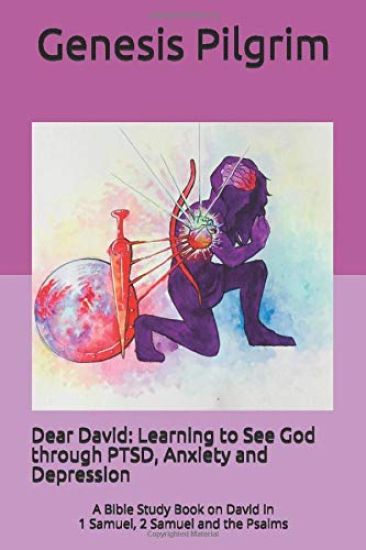
8 ready-to-use, discussion-based Bible lessons on the topic of The Life of David as Reflected in the Psalms.Lessons include: The Early Years / Psalm 19, 8, 29The Exile / Psalm 37, 59, 52, 1The Exile, Part 2 / Psalm 56, 54, 57The King / Psalm 18, 33The King, Part 2 / Psalm 24, 110, 60The Tears of the Penitent / Psalm 51, 32Chastisements / Psalm 41, 39, 55The Songs of the Fugitive / Psalm 3, 4, 63, 62, 37Each lesson consists of 20 or so ready-to-use questions that get groups talking. Answers are provided in the form of quotes from respected authors such as John Piper, Max Lucado and Beth Moore.These lessons will save you time as well as provide deep insights from some of the great writers and thinkers from today and generations past. I also include quotes from the same commentaries that your pastor uses in sermon preparation. Ultimately, the goal is to create conversations that change lives.
A comprehensive study guide offering in-depth explanation, essay, and test prep for Walden and On the Duty of Civil Disobedience by Henry David Thoreau, a leading figure in transcendentalism. As a transcendentalist of the nineteenth-century, Thoreau's work reflected his belief in the correspondence between Man and Nature. Moreover, his anti-materialistic ideology was influential in Western philosophy. This Bright Notes Study Guide explores the context and history of Thoreau's classic work, helping students to thoroughly explore the reasons they have stood the literary test of time. Each Bright Notes Study Guide contains: - Introductions to the Author and the Work - Character Summaries - Plot Guides - Section and Chapter Overviews - Test Essay and Study Q&As The Bright Notes Study Guide series offers an in-depth tour of more than 275 classic works of literature, exploring characters, critical commentary, historical background, plots, and themes. This set of study guides encourages readers to dig deeper in their understanding by including essay questions and answers as well as topics for further research.
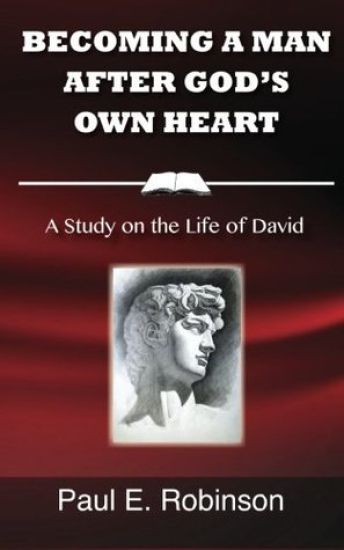
King David was a man after God's own heart. He was the only person in the Bible with this title. How could such a thing be said of one man? In this book, Paul E. Robinson brings out the powerful truths and characteristics of Israel's greatest king in order to show us what God is looking for in every man today. Points of study include the heart, leadership, the danger of sin, honor, friendship, Bible study, and more. Dig into this exciting life and learn what it means to be a man after God's own heart.
An exploration of the relationship between literature and religion, which adopts an interdisciplinary approach, aiming to provide an introduction to the variety of ways in which literature, literary theory and theology are related.
SCM Studyguide to Biblical Hermeneutics offers entry-level undergraduates a framework for interpreting the Bible. The book goes beyond offering guidance on how to do exegesis, and is intended as a practical tool to help readers develop good interpretative strategies for themselves. As such it features pedagogical tools such as Try it Out boxes to assist students to develop a tested and thought - through overall interpretative strategy of their own. Market-tested to ensure a good coverage of the typical topics found on a standard level-one hermeneutics course, this "Studyguide" is designed as a practical and comprehensive companion to coursework, be that within a secular institution, a theological institution or within Church reading groups. The authors set out from the beginning to make clear that interpretation of the Bible is largely affected by the reader's own situation and therefore, the text is designed to guide the reader through the myriad of accepted methods of interpretation, no matter what the reader's own perspective or situation may be.
The SCM Studyguide: Biblical Hermenuetics offers entry-level undergraduates a framework for interpreting the Bible. The book goes beyond offering guidance on how to do exegesis, and is intended as a practical tool to help readers develop good interpretative strategies for themselves. As such it features pedagogical tools such as Try-it-Out boxes to assist students to develop a tested and thought - through overall interpretative strategy of their own. This fully updated 2nd edition takes into account the changing church and world context, and the new challenges this context brings as students seek to read the Bible with attentiveness, integrity and faithfulness.
"Why do we spend time reading and discussing books which tell of events which never in fact occurred?" The question is elementary – and yet, as David Daiches suggests in this provocative study, it is the elementary questions that are never answered. Although literary criticism today is more concerned with technique than with the basic question of value, the question of value underlies all the others. Professor Daiches therefore directs this book to the search for the basic function and purpose of imaginative prose and poetry. A Study of Literature is not, however, an obscure book of literary theory; it contains abundant and pungent examples and critical analyses – of prose fiction, of modern writing, and of the nature of poetry. "It's main purpose," as Professor Daiches says, "is to help the reader of works of imaginative literature to see what he is reading, to understand just what it is that he gets from different kinds of reading, and to discriminate between those different kinds."
In this introduction for undergraduate students, the author surveys the development of the study of organizations from an historical point of view. He studies organizations within the framework of the main schools of thought, looks into the various levels of analysis involved, and considers the influence of the environment on the organization, particularly that of technology and of other organizations.



![David Pannell, a Study of Conscience. [A Novel.]](/covers/9781241380465.jpg)