
Kirjahaku
Etsi kirjoja tekijän nimen, kirjan nimen tai ISBN:n perusteella.
1000 tulosta hakusanalla Dieter Karstropp

Dieter Rams: Zehn Thesen für gutes Design: Dieter Rams
PRESTEL VERLAG
2017
sidottu
Dieter Rams
Prestel
2021
pokkari
For decades, anyone who cared about product design looked to the Braun label when choosing their appliances, radios, and other consumer items. Dieter Rams, the guiding force behind the Braun look, breaks down his design principles and processes in this elegant new paperback edition. Enumerating each of his ten principles such as good design is innovative; good design is aesthetic; good design is useful, etc., this book presents one hundred items that embody these guidelines. Readers will find items that are familiar such as the ubiquitous coffee grinder but also those that are more unusual such as shelving systems and cigarette lighters. A fascinating essay places Dieter Rams in the context of modern design, from Bauhaus to Philip Johnson. Archival materials include photos of Rams’ design team and excerpts from his publications and speeches.
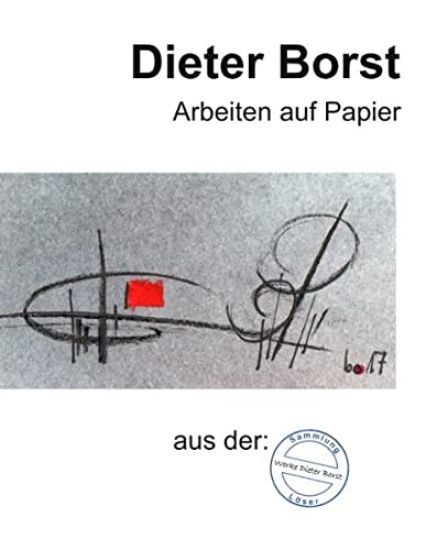
Dieter Borst Arbeiten auf Papier aus der Sammlung Löser
Eberhard Löser
Aus der Sammlung Löser
2017
sidottu
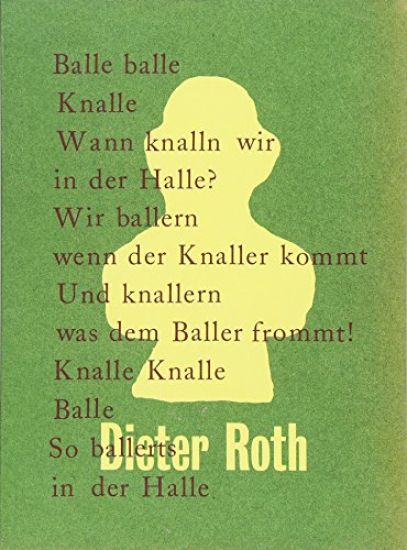
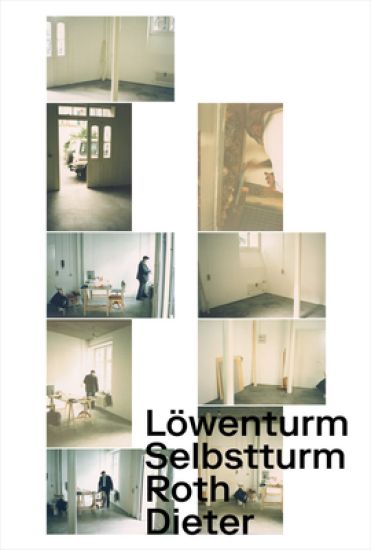
Dieter Roth. Balle balle Knalle
Sven Beckstette; Julia Gelshorn; Benjamin Meyer-Krahmer
Verlag der Buchhandlung Walther Konig
2024
sidottu
Although he is regarded as one of the most influential artists of the twentieth century for his artists' books, prints and sculptures often made with found materials, Dieter Roth (1930-1998) always thought of himself mainly as a writer, viewing his artistic work as a way to earn money for his writing. The use of language accordingly forms a leitmotif throughout Roth's entire oeuvre. Drawing on significant works from various phases of Roth's career, Dieter Roth: Balle Balle Knalle explores an essential connective thread in Roth's varied body of work, showing how text and image were intimately connected for the artist and how his literary and artistic endeavors cross-pollinated each other. This volume, published to accompany an exhibition at the Kunstmuseum Stuttgart, includes new texts by Sven Beckstette, Julia Gelshorn, Benjamin Meyer-Krahmer and Stefan Ripplinger.
Dieter Krieg
Wienand Verlag Medien
2025
sidottu

Dieter Roth, Richard Hamilton : Collaborations
Vicente Todoli
Buchhandlung Walther Konig GmbH Co. KG. Abt. Verlag
2003
sidottu
Dieter Jungling Und Andreas Hagmann
Quart Publishers
2014
pokkari
For each new assignment, the Chur architects Dieter Jungling and Andreas Hagmann explore the multi-faceted qualities and moods of the site and the specific aspects of the task itself. They develop this raw material into new and autonomous architectural statements."
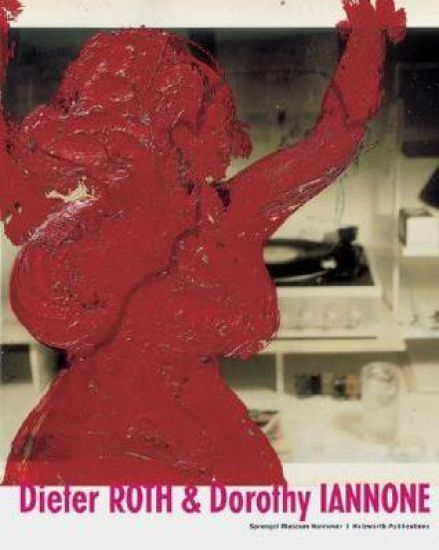
Dieter Roth & Dorothy Iannone
Dieter Roth; Dorothy Iannone; Dietmar Elger
Holzwarth Publications
2006
sidottu
Dieter Appelt
Kerber Verlag
2026
sidottu
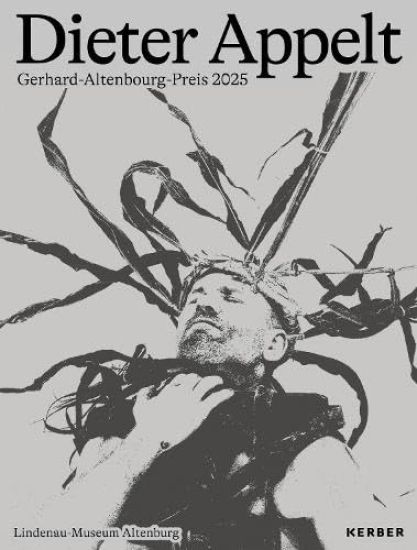
Since the 1960s, Berlin-born artist Dieter Appelt (b. 1935) has traced the losses of modern society through his camera lens. The trained musician and opera singer discovered photography as a means of reconnecting with nature, mythology, and mortality. In countless activities that he documented with his camera, Appelt incorporates his own body into the images with a poetic approach, exploring its fragility and relationship with nature. Time and again, he circles around existential questions of life and death, memory and recurrence. The Lindenau Museum in Altenburg is honouring Dieter Appelt with the 2025 Gerhard Altenbourg Prize for his life’s work and has dedicated an exhibition to him. This publication provides an extensive and profound insight into Appelt’s artistic development and, in addition to important projects and large-scale series of photographs, also documents drawings, objects, and films from the artist’s oeuvre. Text in English and German.
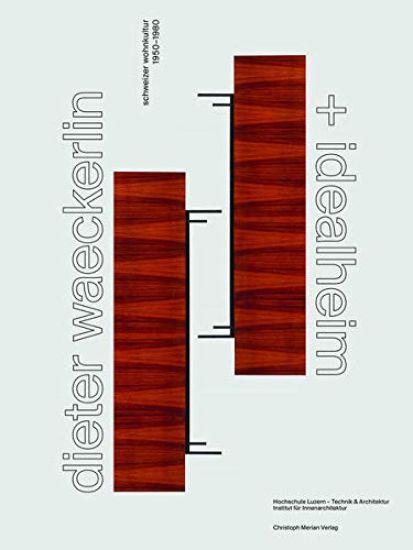
Dieter Waeckerlin und Idealheim
Merian, Christoph Verlag
2018
nidottu
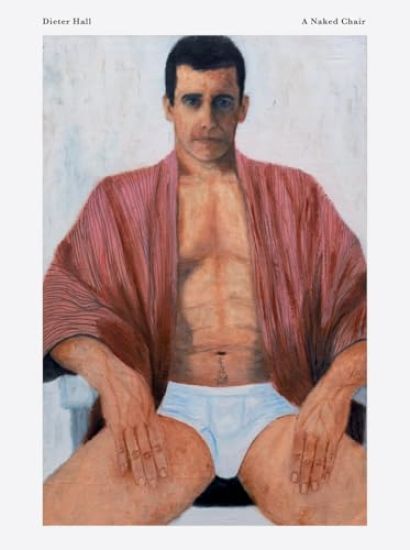
Dieter Hall A Naked Chair
Edition Patrick Frey
2025
sidottu
Dieter Hall portrays man thrown back on himself. Ecce Homo, behold the man—without his social attributes, often nude, in splendid isolation. Hall seeks the common denominator—metonymically called the Naked Chair—of mere existence in the images of others’ (mostly male) bodies. He regards things, objects, gardens and landscapes with the same searching gaze. His minutely arranged still lifes—a glass, a flower, a chair – call to mind Bonnard and Matisse. Hall’s bare chairs are recurrent silent echoes of isolation and transience, intensified by the dark shadow the AIDS epidemic cast on his life and work while living in New York. Although his works are not referential in the traditional sense, Hall reacts to the works of other artists, including painter Alice Neel’s psychological realism and the work of photographers like David Armstrong and Peter Hujar. Hall was friends with Hujar and moved in the same scene—until the latter’s early death from AIDS. Photography plays a key part in Hall’s work — though never as an end in itself: it helps him compose his pictures. He selects details—a foot or a hand, for example—and transposes them into painterly renditions, wholly reinventing the subject portrayed in the process. The resulting works, characterized above all by their radical intimacy, tell of isolation and a deep-seated need for connection.
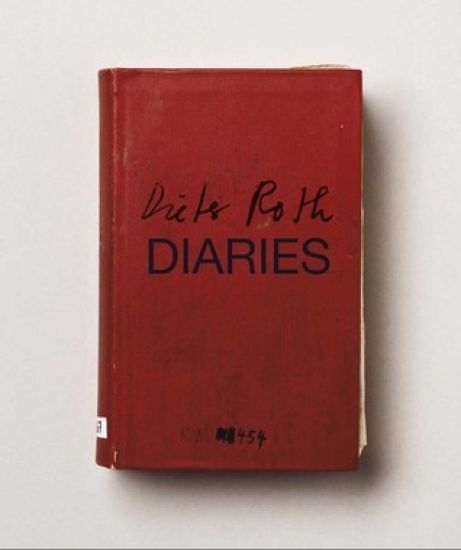
Dieter Roth (1930–1998) was an artist of astonishing breadth and diversity, producing graphics, drawings, paintings, sculptures, assemblages, and installation works involving sound recordings and video. He was also a composer, musician, poet, and writer. Roth was particularly noted for his influential artist's books, including Literaturwurst (1961–74), a series of books made using traditional sausage recipes but replacing the sausage meat with pages torn from other publications. Roth kept diaries and notebooks throughout his life, using and reusing them in his art and writing. The idea of keeping a diary—finding a way to record the passing of time and document his life—is a fundamental theme of his artwork. Illustrations of pages from Roth's diaries and copybooks of his major works, including A Diary (1982), Flat Waste (1975), Solo Scenes (1997–98), and Bar II (1983–97), accompany art historical assessments by contemporary scholars and contributions from his peer Jan Vos and his son Björn Roth. Distributed for The Fruitmarket Gallery Exhibition Schedule: The Fruitmarket Gallery, Edinburgh(08/02/12–10/14/12)
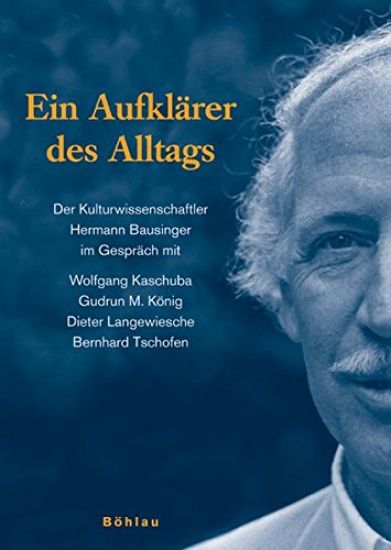
Ein Aufklarer Des Alltags: Der Kulturwissenschaftler Hermann Bausinger Im Gesprach Mit Wolfgang Kaschuba, Gudrun M. Konig, Dieter Langewiesche Und Ber
Dieter Langewiesche; Gudrun M. Konig; Wolfgang Kaschuba
Vandenhoeck Ruprecht
2006
sidottu
Die basale und oft banale Modellierung des taglichen Lebens ist in der Wissenschaft lange unterbelichtet geblieben. In den meisten Kulturwissenschaften konzentrierte man sich auf die Hohenlagen und uberliess das ubrige Feld einer Volkskunde, die sich vorzugsweise um aussterbende landliche Traditionen kummerte. Das hat sich geandert: Das antiquarisch eingeengte Fach wurde zu einer umfassenden, empirisch ausgerichteten Kulturwissenschaft ausgeweitet, die Beitrage zur Geschichte des sozialen Lebens wie zu den Praktiken und Orientierungen in heutigen Gesellschaften liefert. Ein halbes Jahrhundert hat Hermann Bausinger diese Entwicklung mitgetragen und teilweise auch angestossen; Wolfgang Kaschuba, Gudrun Konig, Bernhard Tschofen und Bernd Jurgen Warneken sind wichtige Wegstrecken mitgegangen, und der Historiker Dieter Langewiesche hat die Bemuhungen aus der fachlichen Nachbarschaft begleitet. Im Gesprach blicken Bausinger und seine Partner zuruck auf eine Bruchen und Verwerfungen ausgesetzte, aber doch kontinuierliche Arbeit an der Aufklarung des Alltags. Ein Gesprachsband aus Anlass des 80. Geburtstages von Hermann Bausinger.