
Kirjahaku
Etsi kirjoja tekijän nimen, kirjan nimen tai ISBN:n perusteella.
1000 tulosta hakusanalla E M Foster

Howards End is a novel by E. M. Forster, first published in 1910, about social conventions, codes of conduct and relationships in turn-of-the-century England. Howards End is considered by many to be Forster's masterpiece.
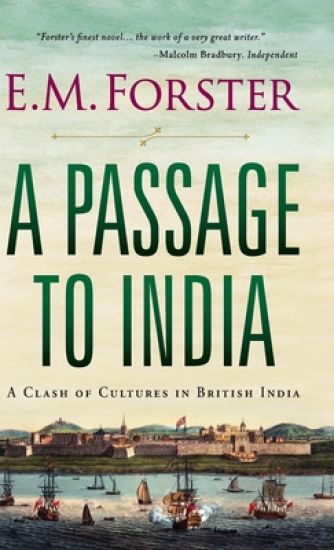
E.M. Forster's 1924 political and philosophical masterpiece, 'A Passage to India', is among the greatest novels of the twentieth century. The book mirrors the troubled politics of colonialism and questions whether a friendship between a British person and an Indian would have been possible in those prejudiced times. Adela Quested and her fellow British travelers, set to experience the 'real' India, develop a friendship with the suave Dr. Aziz. A mysterious incident occurs while they are exploring the Marabar Caves, and the trip results in a shocking accusation on the well-respected doctor that throws Chandrapore into a fever of racial tension and results in a devastating series of events, revealing how deeply the bigotry has taken root. A powerful depiction of a society in the grasp of imperialism, 'A Passage to India' portraits the future of individuals caught between the major political and cultural conflicts of the modern world.

Managing the Diabetic Foot
Michael E. Edmonds; Alethea V. M. Foster
John Wiley Sons Inc
2014
nidottu
Foot problems in diabetic patients are some of the most challenging complications to treat, due to an often quite late presentation of symptoms from the patient. Therefore visual recognition of presenting clinical signs is absolutely key for a successful diagnosis and subsequently, the right management programme. The 3rd edition of Managing the Diabetic Foot once again provides a practical, handy and accessible pocket guide to the clinical management of patients with severe feet problems associated with diabetes, such as ulcers, infections and necrosis. By focusing on the need for a speedy response to the clinical signs, it will enable doctors make rapid, effective management decisions in order to help prevent deterioration and avoid the need for evental foot amputation. Each chapter focuses specifically on the different stages of foot disease and the clinical management required at that particular stage, ie, the normal foot; high-risk foot, ulcerated foot, infected foot, necrotic foot and unsalvageable foot. Full colour throughout, it will feature over 150 clinical photos, numerous hints and tips to aid rapid-reference, as well as the latest national and international guidelines on diabetic foot management. Managing the Diabetic Foot, 3E, is the ideal go-to clinical tool for all diabetes professionals, specialist diabetes nurses and podiatrists managing patients with diabetic foot problems.

Health Economics and Financing Diabetic Foot Care: Case Studies in Clinical Management uses an illustrated patient case study format to demonstrate the multidisciplinary care and clinical management of patients with feet and lower limb problems as a result of diabetes. Every case has colour illustrations highlighting both the initial presentation of the foot, right through to treatment and long term follow-up care. Of particular focus are the management problems, barriers to effective care, preventable mistakes, unnecessary delays in presentations, challenging situations, conflicts, dilemmas and solutions that podiatrists and diabetic specialists face. Sections in the book include: Neuropathic and neuroischaemic foot, neuropathic ulcers, ischaemic ulcers, infections, gangrene, traumatic injuries, Charcot’s osteoarthropathy, dermatological problems associated with diabetes, painful neuropathy, diabetic foot emergencies, angiology and foot surgery/amputation. With key points and summaries at the beginning and end of each section, this book is clear and easy to navigate, making it an ideal tool for diabetes specialists, diabetes nurses and podiatrists. Titles of Related Interest Practical Manual of Diabetic Foot Care 2E The Foot in Diabetes 4E Boulton. 978-0-470-01504-9 Handbook of Diabetes 4E Bilous. 978-1-4051-8409-0
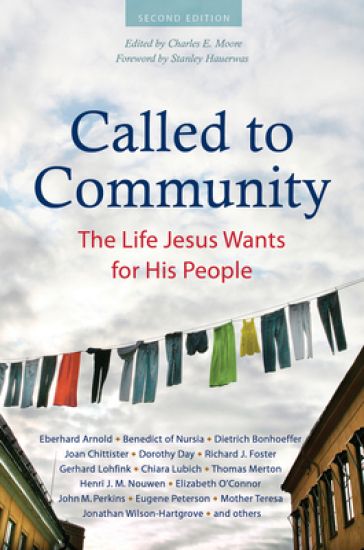
Called to Community
Eberhard Arnold; Dietrich Bonhoeffer; Joan Chittister; Dorothy Day; Fyodor Dostoyevsky; Richard J. Foster; Jonathan Wilson-Hartgrove; David Janzen; Søren Kierkegaard; C. S. Lewis; Chiara Lubich; Thomas Merton; Henri J. M. Nouwen; John M. Perkins; Eugene H. Peterson; Christine D. Pohl; Howard A. Snyder; Mother Teresa; Saint Benedict; Jeremiah Barker; Amy Carmichael; Hans Denck; Andreas Ehrenpreis; Thomas R Kelly; Penelope Lawson; Juan Mateos; Kathleen Norris; Thomas E Powers; Peter Riedemann; Christopher C Smith; Ulrich Stadler
PLOUGH PUBLISHING HOUSE
2024
pokkari
Fifty-two readings on living in intentional Christian community to spark group discussion.Gold Medal Winner, 2017 Illumination Book Awards, Christian LivingSilver Medal Winner, 2017 Benjamin Franklin Award in Religion, Independent Book Publishers AssociationWhy, in an age of connectivity, are our lives more isolated and fragmented than ever? And what can be done about it? The answer lies in the hands of God’s people. Increasingly, today’s Christians want to be the church, to follow Christ together in daily life. From every corner of society, they are daring to step away from the status quo and respond to Christ’s call to share their lives more fully with one another and with others. As they take the plunge, they are discovering the rich, meaningful life that Jesus has in mind for all people, and pointing the church back to its original calling: to be a gathered, united community that demonstrates the transforming love of God.Of course, such a life together with others isn’t easy. The selections in this volume are, by and large, written by practitioners—people who have pioneered life in intentional community and have discovered in the nitty-gritty of daily life what it takes to establish, nurture, and sustain a Christian community over the long haul.Whether you have just begun thinking about communal living, are already embarking on sharing life with others, or have been part of a community for many years, the pieces in this collection will encourage, challenge, and strengthen you. The book’s fifty-two chapters can be read one a week to ignite meaningful group discussion.Contributors include: John F. Alexander, Eberhard Arnold, J. Heinrich Arnold, Johann Christoph Arnold, Alden Bass, Benedict of Nursia, Christoph Friedrich Blumhardt, Leonardo Boff, Dietrich Bonhoeffer, Joan Chittister, Stephen B. Clark, Andy Crouch, Dorothy Day, Anthony de Mello, Elizabeth Dede, Catherine de Hueck Doherty, Fyodor Dostoyevsky, Jenny Duckworth, Friedrich Foerster, Richard J. Foster, Jodi Garbison, Arthur G. Gish, Helmut Gollwitzer, Adele J Gonzalez, Stanley Hauerwas, Joseph H. Hellerman, Roy Hession, David Janzen, Rufus Jones, Emmanuel Katongole, Arthur Katz, Søren Kierkegaard, C. Norman Kraus, C.S. Lewis, Gerhard Lohfink, Ed Loring, Chiara Lubich, George MacDonald, Thomas Merton, Hal Miller, José P. Miranda, Jürgen Moltmann, Charles E. Moore, Henri J. M. Nouwen, Elizabeth O’Connor, John M. Perkins, Eugene H.Peterson, Christine D. Pohl, Chris Rice, Basilea Schlink, Howard A. Snyder, Mother Teresa, Thomas à Kempis, Elton Trueblood, and Jonathan Wilson-Hartgrove.
E.M.Forster: A Passage to India
Red Globe Press
1970
nidottu


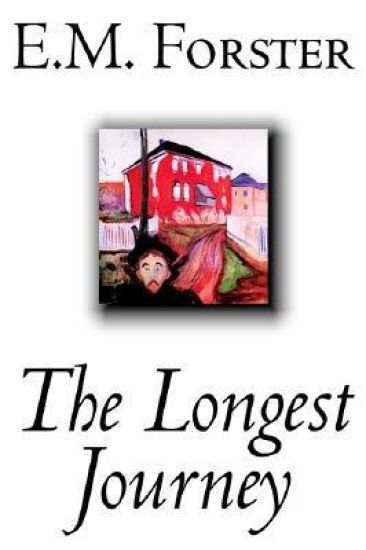

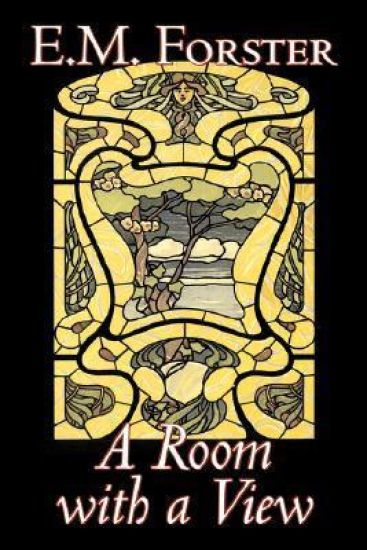
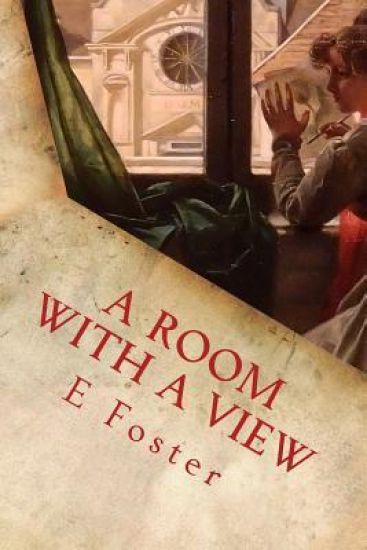
Lucy is a well-mannered Edwardian lady who finds that true love has no interest in playing by her rules. But how can she choose between what she wants and what everyone around her expects her to want? This gentle but sharp comedy has it all: surprise encounters, jealousy and revenge, conventional fools and unconventional sages, confrontation, loss, and eventual triumph.


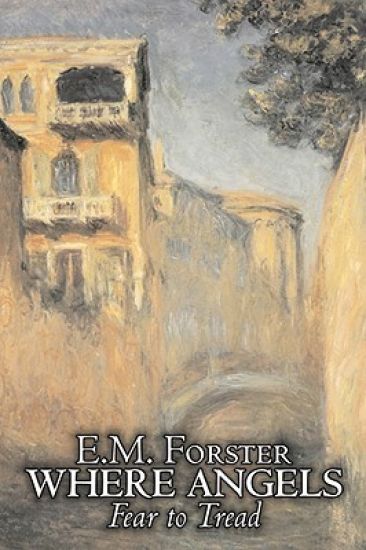
"No, Mother, Lilia was really keen on going to Italy " said Philip, finding the situation full of whimsical romance. There was something half attractive, half repellent in the thought of this vulgar woman journeying to places he loved and revered. But why should she not be transfigured by her journeys? The same had happened to the Goths When a man or woman is "neither well-bred, nor well-connected, nor handsome, nor clever, nor rich," what chance does he or she have for success, in turn-of-the-century England -- at least in that portion of London society almost ridiculously proper and well-behaved? The Philistines, the vulgar, the ones talented in making absurd impressions when in public . . . could they do well for themselves? Horrid thought
"No, Mother, Lilia was really keen on going to Italy " said Philip, finding the situation full of whimsical romance. There was something half attractive, half repellent in the thought of this vulgar woman journeying to places he loved and revered. But why should she not be transfigured by her journeys? The same had happened to the Goths When a man or woman is "neither well-bred, nor well-connected, nor handsome, nor clever, nor rich," what chance does he or she have for success, in turn-of-the-century England -- at least in that portion of London society almost ridiculously proper and well-behaved? The Philistines, the vulgar, the ones talented in making absurd impressions when in public . . . could they do well for themselves? Horrid thought


E.M.Forster, Mulk Raj Anand and Gabriel Garcia Marquez
Suresh Ranjan Basak
LAP Lambert Academic Publishing
2011
pokkari
Modernismo e Colonialismo em E.M Forster's Uma Passagem para a Índia
Zaid Hilal
Edicoes Nosso Conhecimento
2023
pokkari
Este livro sobre ilustra o para o colonialismo brit nico e como E.M Forster tinha funcionado todas as suas ferramentas para dar personifica o e an lise aos elementos do romance pela realidade das coisas daqui conclu que a rela o do conte do deste romance deve ser mostrada com todos os factos que n o s o claros para os leitores . Embora E.M Forster fosse um brit nico mas ao mesmo tempo rejeitasse a ideia de ser imperialista e desse a impress o, para os indianos e outros pa ses, de que a Inglaterra tinha dado os direitos ao povo indiano e retratava como a Gr -Bretanha os tinha transferido da ignor ncia para o esclarecimento e aqui estava o Modernismo.
Modernism and Colonialism in E.M Forster's A Passage To India
Zaid Hilal
LAP Lambert Academic Publishing
2018
pokkari
This book is about illustration for the British Colonialism and how E.M Forster had functioned all his tools to give personification and analyzing to the elements of the novel by the reality of things from here I have concluded that the relation of the contents for this novel should be shown with all the facts that's not clear for the readers . Although that E.M Forster was a British but in same time he was rejecting the idea of being imperialist and he gave the impression for the Indian and other Countries that England had given for the Indian people the rights and he portrays how Great Britain had shift them from the ignorance to enlightenment and here the Modernism lay .