Kirjojen hintavertailu. Mukana 11 699 587 kirjaa ja 12 kauppaa.

Kirjahaku

Etsi kirjoja tekijän nimen, kirjan nimen tai ISBN:n perusteella.

1000 tulosta hakusanalla Edward G. Ward

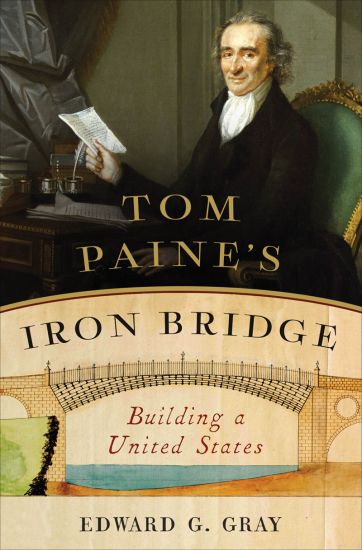
Tom Paine's Iron Bridge

Tom Paine's Iron Bridge

Edward G. Gray

WW Norton Co
2016
sidottu
In a letter to his wife Abigail, John Adams judged the author of Common Sense as having “a better hand at pulling down than building.” Adams’s dismissive remark has helped shape the prevailing view of Tom Paine ever since. But, as Edward G. Gray shows in this fresh, illuminating work, Paine was a builder. He had a clear vision of success for his adopted country. It was embodied in an architectural project that he spent a decade planning: an iron bridge to span the Schuylkill River at Philadelphia. When Paine arrived in Philadelphia from England in 1774, the city was thriving as America’s largest port. But the seasonal dangers of the rivers dividing the region were becoming an obstacle to the city’s continued growth. Philadelphia needed a practical connection between the rich grain of Pennsylvania’s backcountry farms and its port on the Delaware. The iron bridge was Paine’s solution. The bridge was part of Paine’s answer to the central political challenge of the new nation: how to sustain a republic as large and as geographically fragmented as the United States. The iron construction was Paine’s brilliant response to the age-old challenge of bridge technology: how to build a structure strong enough to withstand the constant battering of water, ice, and wind. The convergence of political and technological design in Paine’s plan was Enlightenment genius. And Paine drew other giants of the period as patrons: Benjamin Franklin, George Washington, Thomas Jefferson, and for a time his great ideological opponent, Edmund Burke. Paine’s dream ultimately was a casualty of the vicious political crosscurrents of revolution and the American penchant for bridges of cheap, plentiful wood. But his innovative iron design became the model for bridge construction in Britain as it led the world into the industrial revolution.
Modern Buffets

Modern Buffets

Edward G. Leonard

John Wiley Sons Inc
2011
sidottu
Buffets have often been referred to as "a melting pot of flavors and types of food" influenced by many things. Modern Buffets: Blueprint for Success offers students inspiration, recipes, and ideas to advance the craft of buffets to a more modern place. The recipes featured in this text offer modern interpretations of classic recipes with contemporary presentations and new dishes. This text can be used as a resource in buffets, catering, and garde manger courses or by industry professionals to learn about buffet service and menus, as well as to develop presentation concepts and ideas. More than 100 beautiful color photos show completed buffet presentations, which can be used as models or inspiration for buffet presentations. In addition, blueprint drawings help demonstrate how to properly set up the displays for successful presentations. Modern Buffets: Blueprint for Success focuses on methodology and recipes to ensure students understand what it takes to execute successful buffets in today's culinary environment.
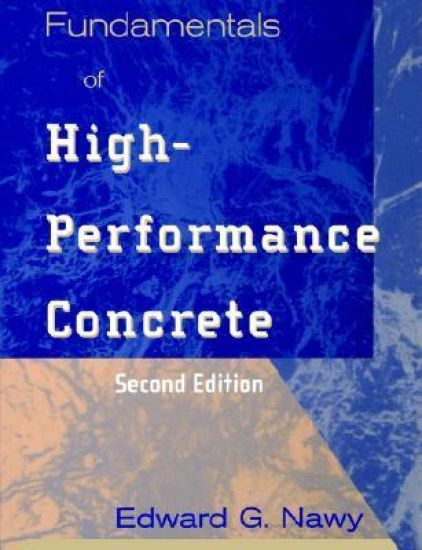
Fundamentals of High-Performance Concrete

Fundamentals of High-Performance Concrete

Edward G. Nawy

John Wiley Sons Inc
2000
nidottu
High performance concrete is a key element in virtually all-large construction projects, from tall office and residential buildings to bridges, tunnels and roadways. The fully updated Second Edition helps professionals to understand the performance capabilities of these construction materials when selecting the type of concrete to use for particular projects. The author is one of the worlds acknowledged experts on high performance concrete.
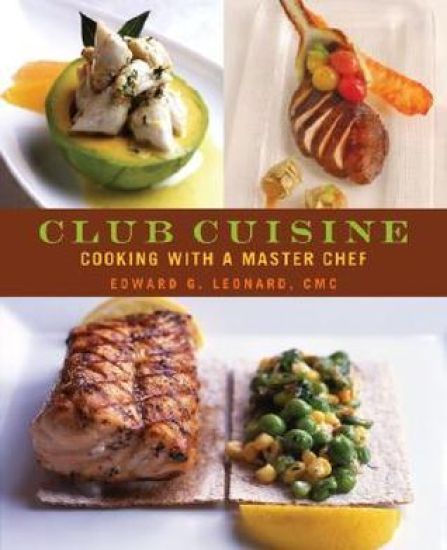
Club Cuisine

Club Cuisine

Edward G. Leonard

John Wiley Sons Inc
2006
sidottu
In Club Cuisine, Master Chef Edward Leonard presents his personal tips and insights into creating dishes that meet the expectations of private club members. Endorsed by the American Culinary Federation, this visual cookbook of dynamic club cuisine features 75 recipes, dozens of color photographs, and seasonal menus taken from some of the most prestig-ious diners in top private clubs.
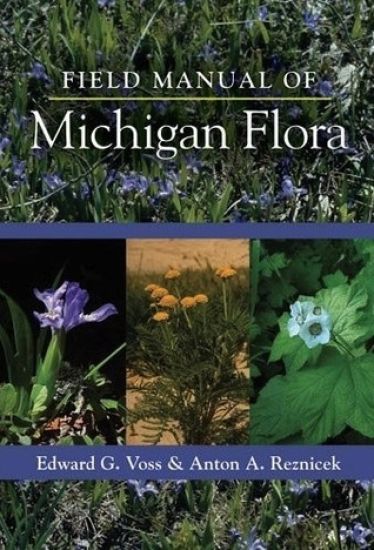
Field Manual of Michigan Flora

Field Manual of Michigan Flora

Edward G. Voss; Anton A. Reznicek; U-M Herbarium

The University of Michigan Press
2012
sidottu
Field Manual of Michigan Flora is the most up-to-date guide available for all seed plants growing wild in Michigan. Significantly expanding and updating the three-volume Michigan Flora, the book incorporates the discoveries of numerous additional species, recent systematic research, and a vast trove of new information on the shifting distributions of Michigan species. It presents concise identification keys, information about habitats, and completely updated distribution maps for all the seed plants, native or naturalized, that have been recorded from the state, fully treating over 2,700 species. All non-native species are included with notes on their first discovery in the state and comments on invasive tendencies. Rare native species that appear to be declining or to have shrinking ranges are also noted. This book is an essential reference for anyone interested in appreciating Michigan's natural heritage and understanding our ever-changing environment.
A Literary History of Persia: Volume 1, From the Earliest Times until Firdawsi
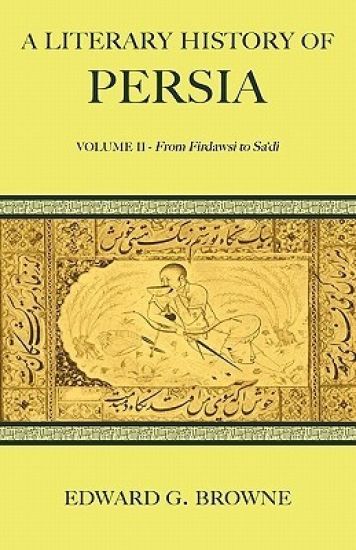
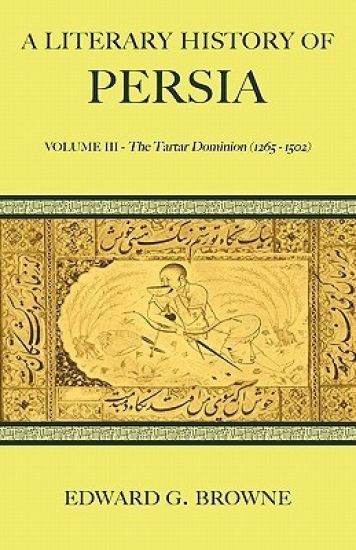
Nearly a hundred years since its publication, E. G. Browne's A Literary History of Persia remains a classic work in English on the subject. Spanning four volumes, it took Browne over 25 years to write and whilst it concentrates on Persian literature, it surveys many aspects of Persian culture from pre-history to the twentieth century. Volume one covers the period from the earliest periods of Persian history until Firdawsi (AD 935–1020) a highly revered poet. Volume two looks at the early medieval period and in particular on the poet Saadi (1184–1283). Volume three focuses on the Tartar Dominion (1265–1502) and volume four 'Modern Times' covers from 1500 to 1924. A remarkable achievement upon first publication, Cambridge University Press is pleased to be able to bring its edition of this seminal work back into print.
A Literary History of Persia: Volume 4, Modern Times (1500–1924)
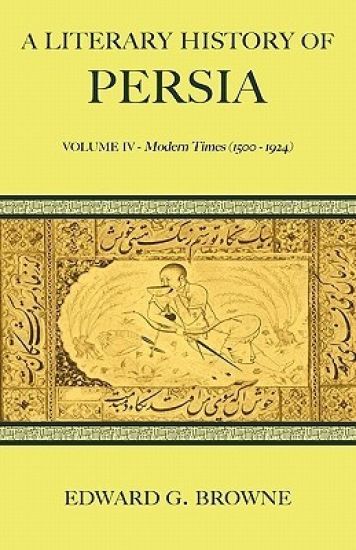
Nearly a hundred years since its publication, E. G. Browne's A Literary History of Persia remains a classic work in English on the subject. Spanning four volumes, it took Browne over 25 years to write and whilst it concentrates on Persian literature, it surveys many aspects of Persian culture from pre-history to the twentieth century. Volume one covers the period from the earliest periods of Persian history until Firdawsi (AD 935–1020) a highly revered poet. Volume two looks at the early medieval period and in particular on the poet Saadi (1184–1283). Volume three focuses on the Tartar Dominion (1265–1502) and volume four 'Modern Times' covers from 1500 to 1924. A remarkable achievement upon first publication, Cambridge University Press is pleased to be able to bring its edition of this seminal work back into print.
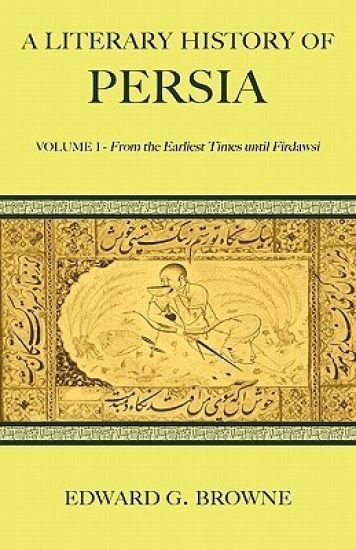
A Literary History of Persia

A Literary History of Persia

Edward G. Browne

Cambridge University Press
2009
pokkari
Nearly a hundred years since its publication, E. G. Browne's A Literary History of Persia remains a classic work in English on the subject. Spanning four volumes, it took Browne over 25 years to write and whilst it concentrates on Persian literature, it surveys many aspects of Persian culture from pre-history to the twentieth century. Volume one covers the period from the earliest periods of Persian history until Firdawsi (AD 935–1020) a highly revered poet. Volume two looks at the early medieval period and in particular on the poet Saadi (1184–1283). Volume three focuses on the Tartar Dominion (1265–1502) and volume four 'Modern Times' covers from 1500 to 1924. A remarkable achievement upon first publication, Cambridge University Press is pleased to be able to bring its edition of this seminal work back into print.
A Literary History of Persia

A Literary History of Persia

Edward G. Browne

Cambridge University Press
2009
pokkari
Nearly a hundred years since its publication, E. G. Browne's A Literary History of Persia remains a classic work in English on the subject. Spanning four volumes, it took Browne over 25 years to write and whilst it concentrates on Persian literature, it surveys many aspects of Persian culture from pre-history to the twentieth century. Volume one covers the period from the earliest periods of Persian history until Firdawsi (AD 935–1020) a highly revered poet. Volume two looks at the early medieval period and in particular on the poet Saadi (1184–1283). Volume three focuses on the Tartar Dominion (1265–1502) and volume four 'Modern Times' covers from 1500 to 1924. A remarkable achievement upon first publication, Cambridge University Press is pleased to be able to bring its edition of this seminal work back into print.
A Literary History of Persia

A Literary History of Persia

Edward G. Browne

Cambridge University Press
2009
pokkari
Nearly a hundred years since its publication, E. G. Browne's A Literary History of Persia remains a classic work in English on the subject. Spanning four volumes, it took Browne over 25 years to write and whilst it concentrates on Persian literature, it surveys many aspects of Persian culture from pre-history to the twentieth century. Volume one covers the period from the earliest periods of Persian history until Firdawsi (AD 935–1020) a highly revered poet. Volume two looks at the early medieval period and in particular on the poet Saadi (1184–1283). Volume three focuses on the Tartar Dominion (1265–1502) and volume four 'Modern Times' covers from 1500 to 1924. A remarkable achievement upon first publication, Cambridge University Press is pleased to be able to bring its edition of this seminal work back into print.
A Literary History of Persia

A Literary History of Persia

Edward G. Browne

Cambridge University Press
2009
pokkari
Nearly a hundred years since its publication, E. G. Browne's A Literary History of Persia remains a classic work in English on the subject. Spanning four volumes, it took Browne over 25 years to write and whilst it concentrates on Persian literature, it surveys many aspects of Persian culture from pre-history to the twentieth century. Volume one covers the period from the earliest periods of Persian history until Firdawsi (AD 935–1020) a highly revered poet. Volume two looks at the early medieval period and in particular on the poet Saadi (1184–1283). Volume three focuses on the Tartar Dominion (1265–1502) and volume four 'Modern Times' covers from 1500 to 1924. A remarkable achievement upon first publication, Cambridge University Press is pleased to be able to bring its edition of this seminal work back into print.
The Microscope in the Dutch Republic

The Microscope in the Dutch Republic

Edward G. Ruestow

Cambridge University Press
1996
sidottu
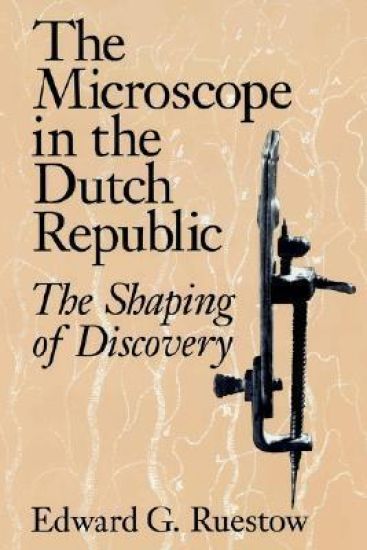
Focusing on the two seventeenth-century pioneers of microscopic dicovery, the Dutchmen Jan Swammerdam and Antoni van Leewenhoek, Ruestow demonstrates that their uneasiness with their social circumstances spurred their discoveries. Though arguing that aspects of Dutch culture impeded serious research with the microscope, Ruestow also shows, however, that the culture of the period shaped how Swammerdam and Leewenhoek responded to what they saw through the lens. He concludes by emphasising how their early microscopic efforts differed from the institutionalised microscopic research that began in the nineteenth century.
Golden Age Of American Oratory

Golden Age Of American Oratory

Edward G. Parker

Nobel Press
2010
nidottu
This book, "The Golden Age Of American Oratory", by Edward G. Parker, is a replication of a book originally published before 1857. It has been restored by human beings, page by page, so that you may enjoy it in a form as close to the original as possible. This book was created using print-on-demand technology. Thank you for supporting classic literature.