

Kirjahaku
Etsi kirjoja tekijän nimen, kirjan nimen tai ISBN:n perusteella.
1000 tulosta hakusanalla Frank B. Farrell


The Tribute Book: A Record Of The Munificence, Self-Sacrifice And Patriotism Of The American People During The War For The Union (1865)
Frank B. Goodrich
KESSINGER PUBLISHING, LLC
2008
sidottu

On a Passing Frontier; Sketches from the Northwest
Frank B Linderman
Trieste Publishing
2018
nidottu

The Dynamic Dominion tells the dramatic story of Virginia's political transformation from the Second World War to the Reagan Revolution. The cradle of American democracy — and thus of the democratic movement that is sweeping the globe today — the venerable Old Dominion has emerged again in the second half of the 20th century as a dynamic political pace setter for the nation. In 1945, Virginia was a one-party, one-faction state under the aristocratic rule of conservative Democratic Senator Harry F. Byrd and his famed 'Byrd organization.' From his perch as the uncontested leader of the state that led the south, Virginia's Byrd became a regional symbol, a congressional kingpin, and a national power. With its political system and culture static, Virginia's voice was heard nationally mostly in dissent, as it had been for a century. Within a few decades, emerging two-party competition and an unprecedented party realignment combined to place the rapidly changing commonwealth in the national vanguard. Well before Republican parties throughout the South became competitive, Virginia's Republicans in the 1970s compiled the most impressive winning streak of any state party in the country. They did it by constructing a coalition of rural conservative Democrats and suburban Republicans — the same coalition that Ronald Reagan assembled nationwide in 1980, ushering in the Reagan Revolution. As told in The Dynamic Dominion, the Virginia story contains all the excitement, drama, conflict, and intrigue of a fast-paced thriller. It is a story of triumph and tragedy, celebrities and statesmen, heroes and scoundrels — of shifting party loyalties and makeshift coalitions, hard-fought campaigns and razor-close elections — of ambition and cynicism alongside sacrifice and idealism. Best of all, the tale is true. It is the fascinating story of contemporary democracy flourishing in Virginia . . . the place where it was born.

The Dynamic Dominion tells the dramatic story of Virginia's political transformation from the Second World War to the Reagan Revolution. The cradle of American democracy — and thus of the democratic movement that is sweeping the globe today — the venerable Old Dominion has emerged again in the second half of the 20th century as a dynamic political pace setter for the nation. In 1945, Virginia was a one-party, one-faction state under the aristocratic rule of conservative Democratic Senator Harry F. Byrd and his famed "Byrd organization." From his perch as the uncontested leader of the state that led the south, Virginia's Byrd became a regional symbol, a congressional kingpin, and a national power. With its political system and culture static, Virginia's voice was heard nationally mostly in dissent, as it had been for a century. Within a few decades, emerging two-party competition and an unprecedented party realignment combined to place the rapidly changing commonwealth in the national vanguard. Well before Republican parties throughout the South became competitive, Virginia's Republicans in the 1970s compiled the most impressive winning streak of any state party in the country. They did it by constructing a coalition of rural conservative Democrats and suburban Republicans — the same coalition that Ronald Reagan assembled nationwide in 1980, ushering in the Reagan Revolution. As told in The Dynamic Dominion, the Virginia story contains all the excitement, drama, conflict, and intrigue of a fast-paced thriller. It is a story of triumph and tragedy, celebrities and statesmen, heroes and scoundrels — of shifting party loyalties and makeshift coalitions, hard-fought campaigns and razor-close elections — of ambition and cynicism alongside sacrifice and idealism. Best of all, the tale is true. It is the fascinating story of contemporary democracy flourishing in Virginia . . . the place where it was born.
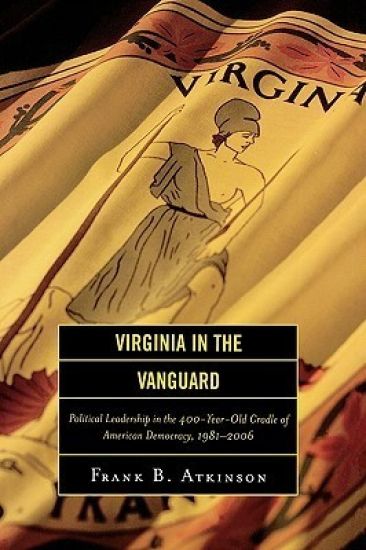
Virginia in the Vanguard continues the story, begun in the Dynamic Dominion, of Virginia’s reemergence as a competitive, trend-setting state. In the 1980s, with Reagan’s revolution underway in Washington, Democrats led by Chuck Robb and Doug Wilder, the nation’s only African American elected governor, reclaimed the governor’s mansion and focused attention on a centrist formula as a prescription for Democratic renewal nationally. In the 1990s, hard-charging Republican George Allen reversed the party’s fortunes and propelled the GOP toward control of the state’s legislature and both U.S. Senate seats. Virginia in the Vanguard describes these and other dramatic events that have placed the 400 year-old cradle of democracy back in the forefront of American politics and produced two dynamic leaders—Republican Senator George Allen and former Democrat Governor Mark Warner—widely touted as presidential timber.

Miracle Drugs - How They Work and What You Should Know about Them
Frank B Minirth; Paul Meier; Stephen Arterburn
Thomas Nelson Publishers
1996
pokkari
Highlighting 250 of the most widely prescribed and recognized medications, Miracle Drugs helps you make informed, educated decisions about common health problems and where drugs fit into the picture. The doctors from the Minirth Meier New Life Clinics, one of the largest psychiatric clinics in the United States, show you what to expect -and what not to expect-from today's miracle drugs.
Information Technologies
Frank B Raymond Iii; Leon Ginsberg; Debra Gohagan
Haworth Press Inc
1999
sidottu
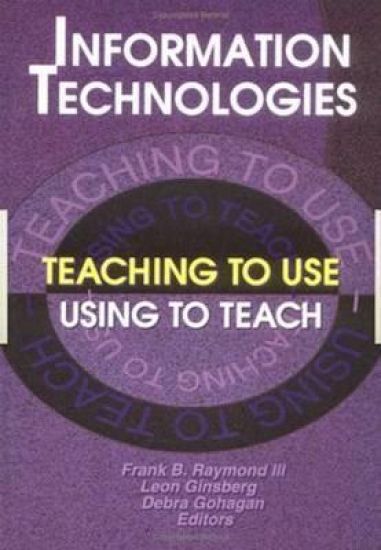
This insightful volume explores examples of the use of technology to teach social work knowledge, values, and skills across the curriculum. The chapters cover a wide range of perspectives, including international views of the role of information technology in Great Britain and Malaysia, training approaches for faculty development, and computer-based software that has the potential to transform the manner in which curriculum objectives are met. Prepare for technology-based instruction in social work education for the 21st century!Information Technologies: Teaching to Use--Using to Teach Information Technologies: Teaching to Use--Using to Teach, addresses your need to fully prepare today?s social work graduates to work and live in this rapidly changing, technology-enhanced environment. Based on the 1997 Information Technologies Conference: Using to Teach--Teaching to Use, held in Charleston, South Carolina, this book covers the multitude of topics that were presented on technology-based instruction as we head into the 21st century. Articles in Information Technologies range from the use of the Internet and computer applications to research projects that address the effectiveness of technology-based teaching and learning activities. It also dicusses international views on the role of information technology in Britian and Malaysia. Information Technologies gives particular attention to distance education, and it is the most thorough treatment to date of the use and teaching of technology in social work education. Specific areas you?ll gain valuable information from include:establishing a faculty development labstarting intensive faculty training sessionscomputer-based software that has the potential to transform the manner in which curriculum objectives are metinternational perspectives on information technologythe use of Geographic Information Systems technology in social work practice as a tool for improved visualization of social and economic inequalitiesmodels for teaching social work curriculum with technologyWith Information Technologies, you will gain a competetive edge in preparing your faculty and students with the latest world-wide information on studies pretaining to technology use in a social work setting. A conglomeration of diverse and well-researched articles on the use of technology to enhance social work education await you in this special volume.
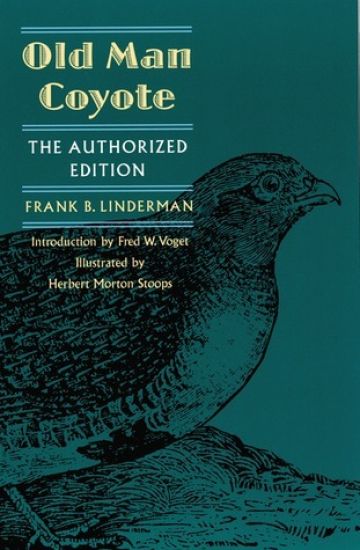
Trickster and transformer, powerful and vulnerable, Coyote is a complex figure in Indian legend. He was often the ultimate example of how not to be: foolish, proud, self-important. The tales in Old Man Coyote were told by the Crow Indians of present-day southeastern Montana. During long winter evenings by the lodge fire, they enjoyed hearing about the only warrior ever to visit the Bird Country, the Little-people who adopted a lost boy, the two-faced tribe that gambled for keeps, the marriage of Worm-face, and the origin of the buffalo. Wandering through these well-spun tales is the irrepressible Old Man Coyote, sometimes scoring a coup, sometimes getting his comeuppance.
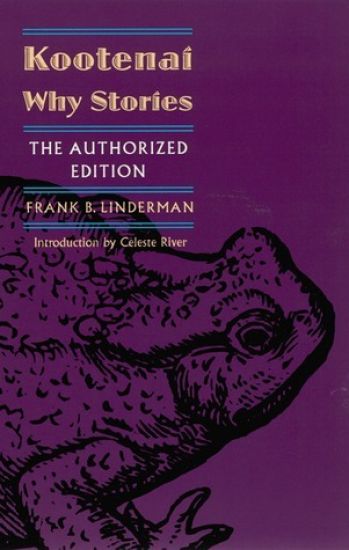
While trapping in Montana during the 1880s, young Frank B. Linderman befriended the Kootenai Indians. At their campfires he heard about Skinkoots the coyote, Co-pee the owl, Frog Chief, and the other animal people. The telling impressed him, and in 1926 he was able, from long familiarity, to translate the tales for Kootenai Why Stories. Old-Man appears as the flawed undergod known by different names to other tribes, a figure provoking more hilarity than reverence. The frog is another prominent character in this northwestern Indian lore. Also recognizable for their distinctive attributes are the grizzly bear, deer, rabbit, and skunk. Making sense of nature, the stories explain why the coyote has thin legs, why the moose has a moose's nose, why the deer carries a black mark on the underjaw, and how the animals stole the springtime and put an end to winter. Linderman's retelling captures the mystery and spirit of a forested world.