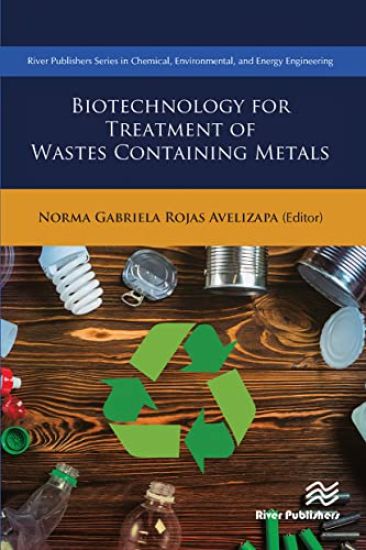
Biotechnology for Treatment of Wastes Containing Metals addresses various aspects related to different wastes that have a metallic content and represent a serious risk for the environment and human health. These wastes, due to their physical and chemical characteristics, have been the object of studies which have led to the development of different technologies in recycling, reuse or adequate disposal, biotechnology being one of these alternatives. Biotechnology offers a range of options for the treatment of types of waste using microorganisms, biomass and their by-products. The mechanisms involved in these waste treatment processes are diverse and complex, and its optimization and efficiency is multifactorial.This text contains nine chapters related to the problem of the metal contamination in the environment as well as some of the different biotechnological alternatives that have been applied for the reduction and/or recovery of metal contamination.
Waste management poses increasing challenges to both the protection of the environment and to human health. To face these challenges, this book claims that environmental law needs to shift attention from media-specific pollution regimes to integrative life-cycle approaches of waste management i.e., from the prevention of waste generation to the actual handling of wastes. Furthermore, the cooperation of States and the establishment of coordinated activities is essential because states can no longer have separate standards for wastes posing transboundary risks and for ‘purely domestic’ wastes. Drawing upon both International and EU law, the book provides a detailed analysis of the regimes set up to deal with the transboundary movement of wastes and ship-source pollution, so as to elucidate the obligations and legal principles governing such regimes. It concludes that treaty obligations concerning transboundary movements of wastes are inapplicable to ship wastes while on board ships and on land. However, despite the limitations of the transboundary movement of wastes regime, the principle of Environmentally Sound Management (ESM) embodied in this regime has gradually transformed into a legal principle. ESM works to address the legal gaps in the regulation of wastes, and consequently, it provides the desired coherence to the legal system since it acts as a bridge between several regulatory and sectoral levels. Furthermore, ESM offers a new light with which to understand and interpret existing obligations, and it provides a renewed impetus to regimes that directly and indirectly govern wastes. This impetus translates into greater coordination and the establishment of cross-sectional policies.By offering alternative ways to solve problems linked to the management of ship wastes in the sea-land interface, this book will appeal to anyone with an interest in International Environmental Law.
Waste management poses increasing challenges to both the protection of the environment and to human health. To face these challenges, this book claims that environmental law needs to shift attention from media-specific pollution regimes to integrative life-cycle approaches of waste management i.e., from the prevention of waste generation to the actual handling of wastes. Furthermore, the cooperation of States and the establishment of coordinated activities is essential because states can no longer have separate standards for wastes posing transboundary risks and for ‘purely domestic’ wastes. Drawing upon both International and EU law, the book provides a detailed analysis of the regimes set up to deal with the transboundary movement of wastes and ship-source pollution, so as to elucidate the obligations and legal principles governing such regimes. It concludes that treaty obligations concerning transboundary movements of wastes are inapplicable to ship wastes while on board ships and on land. However, despite the limitations of the transboundary movement of wastes regime, the principle of Environmentally Sound Management (ESM) embodied in this regime has gradually transformed into a legal principle. ESM works to address the legal gaps in the regulation of wastes, and consequently, it provides the desired coherence to the legal system since it acts as a bridge between several regulatory and sectoral levels. Furthermore, ESM offers a new light with which to understand and interpret existing obligations, and it provides a renewed impetus to regimes that directly and indirectly govern wastes. This impetus translates into greater coordination and the establishment of cross-sectional policies.By offering alternative ways to solve problems linked to the management of ship wastes in the sea-land interface, this book will appeal to anyone with an interest in International Environmental Law.
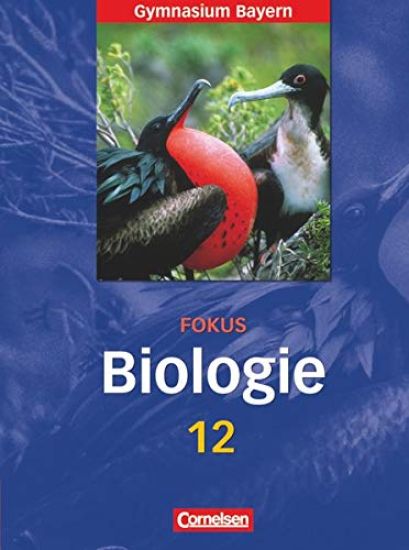
'Fokus Biologie ' gehört zu einer neuen Lehrwerkreihe für den mathematisch-naturwissenschaftlichen Unterricht an Gymnasien. Die Lehrwerke für die einzelnen Unterrichtsfächer weisen eine gemeinsame Konzeption und eine einheitliche Gestaltung auf. Zur Konzeption Orientiert an den aktuellen Lehrplänen und Bildungsstandards, legt 'Fokus Biologie ' besonderes Gewicht auf die Fachmethoden, auf handlungsorientiertes Lernen und auf inhaltsbezogene Kompetenzen. - Das Lehrwerk ist problem- und handlungsorientiert angelegt, stellt immer wieder Bezüge zur Lebenswelt der Schüler/innen her und enthält zahlreiche Vorschläge für Schüleraktivitäten. So regt es die Lernenden dazu an, sich experimentierend und beobachtend mit Naturphänomenen auseinanderzusetzen. - Biologische Basiskonzepte werden gemäß den Bildungsstandards immer wieder aufgegriffen und miteinander verknüpft. Das unterstützt kumulatives Lernen und den Aufbau von anschlussfähigem Wissen. Zum Aufbau - Eine 'Einstiegsseite ' eröffnet jedes Kapitel mit einem großformatigen Foto und einem kurzen, problemorientierten Text. - Mithilfe von Grundlagentexten, Bildmaterial und Arbeitsaufträgen können die fachlichen Inhalte selbstständig erarbeitet werden. - Es gibt eine breite Palette von Arbeitsaufträgen: Aufgaben zum Textverständnis, zum selbstständigen Wissenserwerb, zur Problemlösung, zur Systematisierung von Fachwissen, Aufgaben zur Wiederholung und Festigung sowie Experimente. - 'Methodenseiten' stellen zentrale fachliche und überfachliche Methoden anhand von Beispielen exemplarisch dar. - Das Grundlagenwissen fasst die Rubrik 'Kurz und knapp' zusammen. - Außerdem: 'Check-up-Seiten' , um den erreichten Lernstand selbst zu überprüfen. Digitaler Unterrichtsplaner (Lehrersoftware) zur komfortablen Unterrichtsvorbereitung: Der 'Stoffverteilungsplaner' erstellt automatisch eine realistische, stundengenaue Verteilung des Lehrbuchstoffes auf die verfügbaren Stunden des Schuljahrs. Der 'Materialienpool' enthält - Abbildungen und Seiten des Schülerbuchs - Lösungen der Aufgaben des Schülerbuchs - editierbare Kopiervorlagen mit Lösungen - zusätzliche Infotexte - Simulationen, Animationen, Bilderserien, interaktive Übungen - Handreichungen für den Unterricht - verschiedene Werkzeuge (Lexikon, Datenbank, interaktives PSE). Ausgezeichnet mit der Comenius-Medaille Der Band setzt das 'Fokus' -Konzept für bayerische Gymnasien in oberstufengemäßer Weise fort. Neu gegenüber den Mittelstufenbänden: - Die 'Kompetenzenseite' am Kapitelende nennt die erworbenen Kompetenzen und bietet umfassende, vorwiegend materialgebundene Aufgaben zur Überprüfung an. Sie dient so der Vorbereitung auf das Abitur. - 'Material-Methode-Praxis-Seiten' demonstrieren Anwendungen in Wirtschaft und Forschung und geben Handlungs- und Diskussionsanlässe. - In den projektartigen Unterrrichtsvorhaben 'Biologie angewandt' steht der Erwerb von Methodenkompetenzen im Vordergrund.
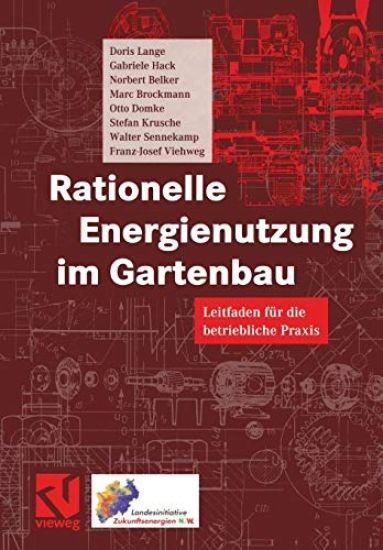
Der vorliegende Leitfaden verschafft einen Uberblick uber die technischen Moglichkeiten zur Energieeinsparung im Gartenbau. Bei der Vielzahl der unterschiedlichsten Betriebsstrukturen und Gegebenheiten ist es nicht moglich, ein allgemeingultiges Rezept zur optimalen Energieeinsparung zu erstellen. Vielmehr geht es darum, die Palette der Moglichkeiten zur Energieeinsparung aufzuzeigen und mittels des erarbeiteten Energiechecks eine Starken- und Schwachenanalyse des betrieblichen Energieverbrauchs durchzufuhren. Das Ziel ist es, den Betrieben einen Uberblick uber die Massnahmen der rationellen Energienutzung zu verschaffen, Entscheidungshilfen anzubieten und Alternativen aufzuzeigen.
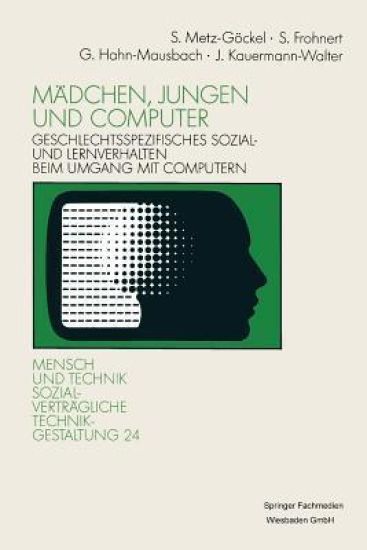
Das Buch ist aus einem Forschungsprojekt entstanden, das im Programm Mensch und Technik - Sozialverträgliche Technikgestaltung des Ministeriums für Arbeit, Gesundheit und Soziales von Nordrhein-Westfalen gefördert wurde. Es ist iden tisch mit dem Forschungsbericht und gibt den Stand der Diskussion sowie die ver arbeitete einschlägige Literatur bis zum Frühjahr 1988 wieder. Die Forschungen wurden im Schwerpunkt Technik und Naturwissenschafts potentiale am Hochschuldidaktischen Zentrum der Universität Dortmund durch geführt, denen weitere zum weiblichen Sachverstand und Technikkompetenz sowie den Technikinteressen und weiblichen Lebensläufen folgten. Zu dem hier veröffentlichten Forschungsbericht liegt eine fachjournalistische Aufbereitung "Mädchen und Jungen am Computer", ein Lesebuch für Eltern und Lehrerinnen vor und kann beim Hochschuldidaktischen Zentrum der Universität Dortmund, Rheinlanddamm 199,4600 Dortmund 1, bestellt werden. Dieses Buch wäre nicht möglich gewesen ohne die zusätzliche Arbeit und Phantasie, Lernbereitschaft und Frustrationstoleranz einiger Frauen. An erster Stelle möchte ich Brigitte Evertz-Jägers für die Anfertigung der Druckformat vorlagen, die technische Betreuung und Einweisung der Sekretärinnen danken. Ihrer Ruhe und Kompetenz ist es zu verdanken, daß dieses Manuskript nebenbei noch fertiggestellt werden konnte. Zu danken habe ich auch herzlich Frau Margot Hein und Frau Eleonore Meier, die beide engagiert und kompetent die Fertigstellung sichergestellt haben. Mein Dank ist sicherlich nicht genug für die Leistung und keine Entschädigung für die ungeheure Mühe, die sie für andere aufgebracht haben. 1 Einleitung • Der lachende Computer" ,. Margot W. , eine Computerexpertin, versuchte, ihren Computer zumLachen zu bringen was zunächst nicht klappte. Sie bastelte ihm Ohren, die sie ihm hineinkonstruierte.
Der Alkoholkonsum Jugendlicher ist seit Jahren allgegenwärtiges Thema in Medien und Fachöffentlichkeit. Zuschreibungen und Dramatisierung bestimmen bisher überwiegend den Diskurs. Kaum werden jedoch die subjektiven und kollektiven Sinnstrukturen dieser riskanten jugendkulturellen Praxis und ihrer biografischen Bedeutung genauer untersucht. Diese Publikation stellt Ergebnisse einer qualitativen Längschnittstudie vor, mit umfassendem Hintergrundwissen zum Phänomen des Umgangs mit Alkohol im Jugendalter. Sie soll bewusst zu einer reflexiven Entdramatisierung der Debatte beitragen.
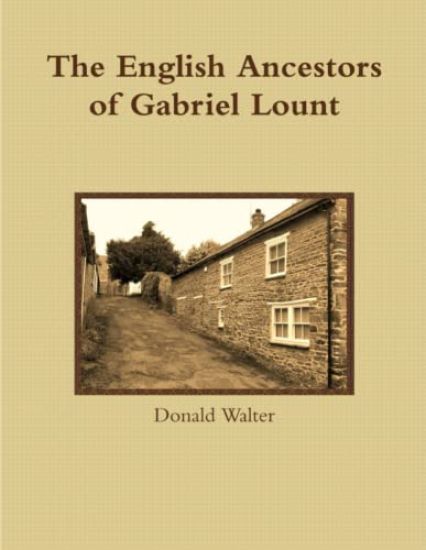
Graham Lount in his account of the North American Lount family attributes its origin to the emigration of Gabriel Lount who was "an unaccompanied lad of about 14 when he arrived in Pennsylvania from England in 1773 aboard the sailing ship 'Snow Britannia'. With a few minor exceptions, all persons bearing the Lount name in North America are descendants of Gabriel." Based on this Gabriel Lount would have been born about 1759. Over the years researchers in the USA and the UK have sought to identify the English parents of Gabriel Lount the Emigrant. Gabriel Lount is an uncommon name and intriguingly three generations of persons named Gabriel Lount, a grandfather, father and son, have been found in the parish records of Slawston in Leicestershire. More recent research presented here strongly suggests that Gabriel Lount of Slawston and Mary Cook of Brixworth in Northamptonshire were the English parents of Gabriel Lount the Emigrant who was born in Brixworth in 1754.
Gypsy Gabriel - A Romantic Comic Opera in Three Acts is an unchanged, high-quality reprint of the original edition of 1887. Hansebooks is editor of the literature on different topic areas such as research and science, travel and expeditions, cooking and nutrition, medicine, and other genres. As a publisher we focus on the preservation of historical literature. Many works of historical writers and scientists are available today as antiques only. Hansebooks newly publishes these books and contributes to the preservation of literature which has become rare and historical knowledge for the future.
This work has been selected by scholars as being culturally important and is part of the knowledge base of civilization as we know it.This work is in the public domain in the United States of America, and possibly other nations. Within the United States, you may freely copy and distribute this work, as no entity (individual or corporate) has a copyright on the body of the work.Scholars believe, and we concur, that this work is important enough to be preserved, reproduced, and made generally available to the public. To ensure a quality reading experience, this work has been proofread and republished using a format that seamlessly blends the original graphical elements with text in an easy-to-read typeface.We appreciate your support of the preservation process, and thank you for being an important part of keeping this knowledge alive and relevant.