Troilus and Criseyde (Modern English: is a poem by Geoffrey Chaucer which re-tells in Middle English the tragic story of the lovers Troilus and Criseyde set against a backdrop of war during the Siege of Troy. It was composed using rime royale and probably completed during the mid 1380s. Many Chaucer scholars regard it as the poet's finest work. As a finished long poem it is more self-contained than the better known but ultimately uncompleted Canterbury Tales. This poem is often considered the source of the phrase: "all good things must come to an end" (3.615). Although Troilus is a character from Ancient Greek literature, the expanded story of him as a lover was of Medieval origin. The first known version is from Beno t de Sainte-Maure's poem Roman de Troie, but Chaucer's principal source appears to have been Boccaccio who re-wrote the tale in his Il Filostrato. Chaucer attributes the story to a "Lollius" (whom he also mentions in The House of Fame), although no writer with this name is known. 1] Chaucer's version can be said to reflect a less cynical and less misogynistic world-view than Boccaccio's, casting Criseyde as fearful and sincere rather than simply fickle and having been led astray by the eloquent and perfidious Pandarus. It also inflects the sorrow of the story with humour.
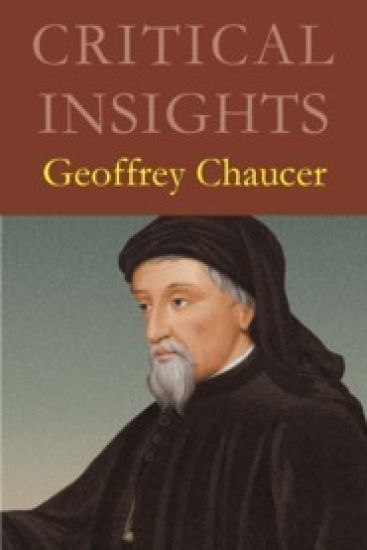
A great starting point for students seeking an introduction to Geoffrey Chaucer and the critical discussions surrounding his work.Geoffrey Chaucer, fourteenth-century master storyteller and comic genius, was the greatest English author of the Middle Ages. This volume includes essays that help explain why Chaucer is called ""the father of English letters."" Essay topics include Chaucer as an international poet, gender and horror in The Canterbury Tales and Chaucer's links to Shakespeare.Each essay is 2,500 to 5,000 words in length, and all essays conclude with a list of ""Works Cited,"" along with endnotes. Finally, the volume's appendixes offer a section of useful reference resources: A chronology of the author's life; A complete list of the author's works and their original dates of publication; A general bibliography; A detailed paragraph on the volume's editor; Notes on the individual chapter authors; A subject index.
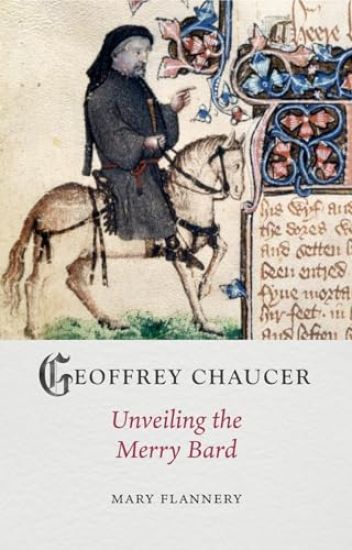
This is a new account of the life and accomplishments of medieval England’s most famous poet, Geoffrey Chaucer. For over six centuries, Chaucer has epitomized poetic greatness, though in more recent years the lively and often risqué style of his best-known work, The Canterbury Tales, has made his name synonymous with bawdy humour. Nevertheless, beyond his poetic achievements, Chaucer assumed various roles, including those of royal attendant, soldier, customs officer and Justice of the Peace. Mary Flannery chronicles Chaucer’s journey during one of the most turbulent periods of English history, illuminating how he came to be known as not only the ‘father of English poetry’, but England’s ‘merry bard’.
Chaucer's Canterbury Tales presented in the original Middle English version. They are a collection of stories written at the end of the 14th century; given mostly in verse, (although a number of them are in prose) they are told as part of a story-telling contest by a group of pilgrims during their travel together on a journey from Southwark to the shrine of Saint Thomas Becket at Canterbury Cathedral. The first version of the tales to be published in print is William Caxton's 1478 print edition.
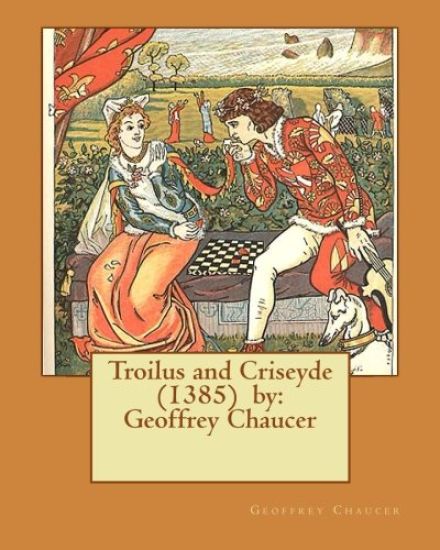
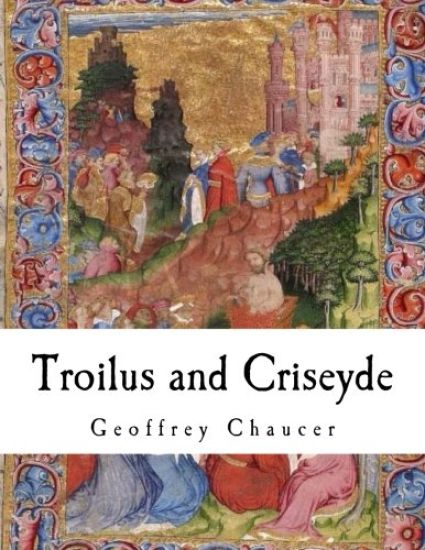
Troilus and Criseyde by Geoffrey Chaucer. Troilus and Criseyde is an epic poem by Geoffrey Chaucer which re-tells in Middle English the tragic story of the lovers Troilus and Criseyde set against a backdrop of war during the Siege of Troy. It was composed using rime royale and probably completed during the mid 1380s. Many Chaucer scholars regard it as the poet's finest work. As a finished long poem it is more self-contained than the better known but ultimately unfinished Canterbury Tales. This poem is often considered the source of the phrase: "all good things must come to an end." Calchas, a soothsayer, foresees the fall of Troy and abandons the city in favour of the Greeks; his daughter, Criseyde, receives some ill will on account of her father's betrayal. Troilus, a warrior of Troy, publicly mocks love and is punished by the God of Love by being struck with irreconcilable desire for Criseyde, whom he sees passing through the temple. With the help of sly Pandarus, Criseyde's uncle, Troilus and Criseyde begin to exchange letters. Eventually, Pandarus develops a plan to urge the two into bed together; Troilus swoons when he thinks the plan is going amiss, but Pandarus and Criseyde revive him. Pandarus leaves, and Troilus and Criseyde spend a night of bliss together.