Kirjojen hintavertailu. Mukana 11 244 527 kirjaa ja 12 kauppaa.

Kirjahaku

Etsi kirjoja tekijän nimen, kirjan nimen tai ISBN:n perusteella.

1000 tulosta hakusanalla Hugo Mercier

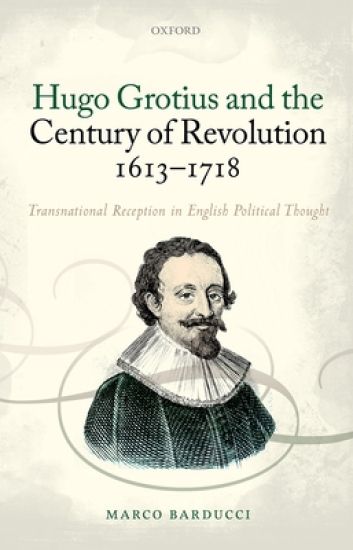
Hugo Grotius and the Century of Revolution, 1613-1718

Hugo Grotius and the Century of Revolution, 1613-1718

Marco Barducci

Oxford University Press
2017
sidottu
Hugo Grotius and the Century of Revolution, 1613-1718 is a reconstruction of the way Hugo Grotius (1583-1645) was read and used by English political and religious writers in the seventeenth and early eighteenth centuries. Engaging with the reception of all of Grotius's key works and a wide range of topics, the volume has much to say about the search for peace in an age of religious conflict and about the cultural roots of the Enlightenment. Most of all, Marco Barducci aims to deepen our understanding of the connections that made English political thought part of the history of European thought. To this end, it brings together a succinct account of Grotius's own thinking on key topics, mapping these accounts within English debates, to show why his ideas were seen to be relevant at key moments; shows awareness of the possibilities for the misappropriation inherent in reception; and adds something new to our understanding of why seventeenth-century Englishmen argued in the ways that they did.
Hugo Von Hofmannsthal and His Time

Hugo Von Hofmannsthal and His Time

Hermann Broch

University of Chicago Press
1984
nidottu
Hermann Broch (1886-1951) is remembered among English-speaking readers for his novels The Sleepwalkers and The Death of Virgil, and among German-speaking readers for his novels as well as his works on moral and political philosophy, his aesthetic theory, and his varied criticism. This study reveals Broch as a major historian as well, one who believes that true historical understanding requires the faculties of both poet and philosopher. Through an analysis of the changing thought and career of the Austrian poet, librettist, and essaist Hugo von Hofmannsthal (1874-1929), Broch attempts to define and analyze the major intellectual issues of the European fin de siecle, a period that he characterizes according to the Nietzschean concepts of the breakdown of rationality and the loss of a central value system. The result is a major examination of European thought as well as a comparative study of political systems and artistic styles.
Hugo Munsterberg on Film

Hugo Munsterberg on Film

Hugo Münsterberg

Routledge
2001
sidottu
Hugo Münsterberg's The Photoplay (1916) is one of the first and most important early works of film theory. Münsterberg's work on the emerging art of cinema remains a key document for film scholars, but it has long been out of print. In this new edition, Allan Langdale provides a critical introduction to the seminal text and collects numerous hard-to-find writings on film by Münsterberg.
Hugo Munsterberg on Film

Hugo Munsterberg on Film

Hugo Münsterberg

Routledge
2001
nidottu
Hugo Münsterberg's The Photoplay (1916) is one of the first and most important early works of film theory. Münsterberg's work on the emerging art of cinema remains a key document for film scholars, but it has long been out of print. In this new edition, Allan Langdale provides a critical introduction to the seminal text and collects numerous hard-to-find writings on film by Münsterberg.
Hugo Pepper

Hugo Pepper

Chris Riddell; Paul Stewart

Random House Childrens Books
2007
pokkari
Raised in the Frozen North by reindeer herders, his parents eaten by polar bears when he was just a baby, Hugo discovers that the sled they arrived in has a very special compass - one that can be set to 'Home'.
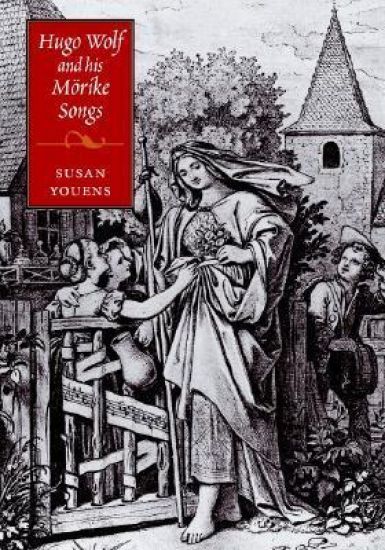
Hugo Wolf and his Mörike Songs

Hugo Wolf and his Mörike Songs

Youens Susan

Cambridge University Press
2006
pokkari
Viennese composer Hugo Wolf produced one of the most important song collections of the nineteenth century when he set to music fifty-three poems by the great German poet Eduard Mörike. Susan Youens reappraises this singular collaboration to shed new light on the sophisticated interplay between poetry and music in the songs. Wolf is customarily described as 'the Poet's Composer', someone who revered poetry and served it faithfully in his music. Yet, as Youens reveals, this cliché overlooks the rich terrain in which his songs are often at cross purposes with his chosen poetry. Although Wolf did much to draw the world's attention to the neglected Swabian poet, his musical interpretation of the poetry was also influenced by his own life, psychology and experiences. This book examines selected Mörike songs in detail, demonstrating that the poems and music each have their own distinctive stories which at times intersect but also diverge.
Hugo Wolf and the Wagnerian Inheritance

Hugo Wolf and the Wagnerian Inheritance

Glauert Amanda

Cambridge University Press
2006
pokkari
Wolf has been regarded as a composer who followed the style and aesthetics of Wagnerian music drama without question, while writing in a genre often seen as less challenging than the symphony or opera. This 1999 book re-examines the evidence concerning Wolf's responses to Wagner and Wagnerism and suggests ways in which he voiced his criticism through song, and his one completed opera Der Corregidor. This opens up insights into the kind of impact Wagner had on those following in his wake, and into the complexity and subtlety of the late nineteenth-century Lied. From this perspective, Wolf emerges as a persuasive and articulate figure of wide musical and artistic significance.
Hugo Riemann and the Birth of Modern Musical Thought

Hugo Riemann and the Birth of Modern Musical Thought

Rehding Alexander

Cambridge University Press
2009
pokkari
Generally acknowledged as the most important German musicologist of his age, Hugo Riemann (1849–1919) shaped the ideas of generations of music scholars, not least because his work coincided with the institutionalisation of academic musicology around the turn of the last century. This influence, however, belies the contentious idea at the heart of his musical thought, an idea he defended for most of his career - harmonic dualism. By situating Riemann's musical thought within turn-of-the-century discourses about the natural sciences, German nationhood and modern technology, this book reconstructs the cultural context in which Riemann's ideas not only 'made sense' but advanced an understanding of the tonal tradition as both natural and German. Riemann's musical thought - from his considerations of acoustical properties to his aesthetic and music-historical views - thus regains the coherence and cultural urgency that it once possessed.
Hugo von Hofmannsthal

Hugo von Hofmannsthal

Benjamin Bennett

Cambridge University Press
2009
pokkari
This book focuses on Hugo von Hofmannsthal's intense, lifelong concentration upon a single cohesive set of poetic, philosophical and ethical concerns, a quality of his work which has been neglected in the bulk of existing scholarship. Professor Bennett examines Hofmannsthal's work in the context of literary theory and the history of philosophy, referring especially to Nietzsche, German Idealism and the poetics of German Classicism. He identifies three principal areas of concern to Hofmannsthal: the theory of genre, the question of the role of literature in society and the search for a fruitful response to the problem of the historical development of culture. The argument proceeds by way of detailed interpretation of texts, including Der Tor und der Tod, the Chandos letter, Ariadne auf Naxos, Der Schwierige, Das Salzburger Grosse Welttheater and Der Turm.
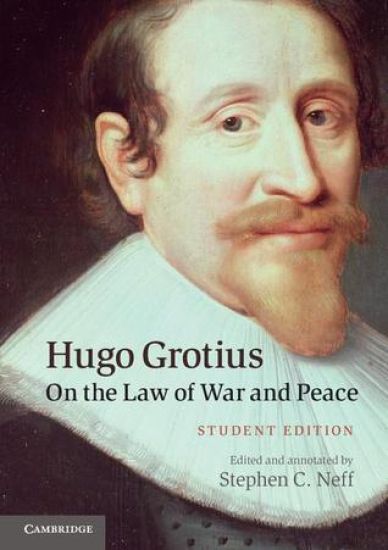
Hugo Grotius on the Law of War and Peace
Despite its significant influence on international law, international relations, natural law and political thought in general, Grotius's Law of War and Peace has been virtually unavailable for many decades. Stephen Neff's edited and annotated version of the text rectifies this situation. Containing the substantive portion of the classic text, but shorn of extraneous material, this edited and annotated edition of one of the classic works of Western legal and political thought is intended for students and teachers in four primary areas: history of international law, history of political thought, history of international relations and history of philosophy.
Hugo Grotius on the Law of War and Peace
Despite its significant influence on international law, international relations, natural law and political thought in general, Grotius's Law of War and Peace has been virtually unavailable for many decades. Stephen Neff's edited and annotated version of the text rectifies this situation. Containing the substantive portion of the classic text, but shorn of extraneous material, this edited and annotated edition of one of the classic works of Western legal and political thought is intended for students and teachers in four primary areas: history of international law, history of political thought, history of international relations and history of philosophy.
Hugo von Hofmannsthal

Hugo von Hofmannsthal

Benjamin Bennett

Cambridge University Press
1988
sidottu
This book focuses on Hugo von Hofmannsthal's intense, lifelong concentration upon a single cohesive set of poetic, philosophical and ethical concerns, a quality of his work which has been neglected in the bulk of existing scholarship. Professor Bennett examines Hofmannsthal's work in the context of literary theory and the history of philosophy, referring especially to Nietzsche, German Idealism and the poetics of German Classicism. He identifies three principal areas of concern to Hofmannsthal: the theory of genre, the question of the role of literature in society and the search for a fruitful response to the problem of the historical development of culture. The argument proceeds by way of detailed interpretation of texts, including Der Tor und der Tod, the Chandos letter, Ariadne auf Naxos, Der Schwierige, Das Salzburger Grosse Welttheater and Der Turm.
Hugo Wolf and the Wagnerian Inheritance

Hugo Wolf and the Wagnerian Inheritance

Glauert Amanda

Cambridge University Press
1999
sidottu
In spite of growing interest in the songs of Hugo Wolf, there is still a lack of serious critical discussion of the nature of his achievements, in particular his relationship to Richard Wagner. Wolf has been regarded as a composer who followed the style and aesthetics of Wagnerian music drama without question, while writing in a genre often seen as less challenging than the symphony or opera. This book re-examines the evidence concerning Wolf’s responses to Wagner and Wagnerism and suggests ways in which he voiced his criticism through song, and his one completed opera Der Corregidor. This opens up new insights into the kind of impact Wagner had on those following in his wake, and into the complexity and subtlety of the late nineteenth-century Lied. From this perspective, Wolf emerges as a persuasive and articulate figure, of wider musical and artistic significance than has yet been recognised.
Hugo Wolf and his Mörike Songs

Hugo Wolf and his Mörike Songs

Youens Susan

Cambridge University Press
2000
sidottu
Viennese composer Hugo Wolf produced one of the most important song collections of the nineteenth century when he set to music fifty-three poems by the great German poet Eduard Mörike. Susan Youens reappraises this singular collaboration to shed new light on the sophisticated interplay between poetry and music in the songs. Wolf is customarily described as 'the Poet's Composer', someone who revered poetry and served it faithfully in his music. Yet, as Youens reveals, this cliché overlooks the rich terrain in which his songs are often at cross purposes with his chosen poetry. Although Wolf did much to draw the world's attention to the neglected Swabian poet, his musical interpretation of the poetry was also influenced by his own life, psychology and experiences. This book examines selected Mörike songs in detail, demonstrating that the poems and music each have their own distinctive stories which at times intersect but also diverge.
Hugo Riemann and the Birth of Modern Musical Thought

Hugo Riemann and the Birth of Modern Musical Thought

Alexander Rehding

Cambridge University Press
2003
sidottu
Generally acknowledged as the most important German musicologist of his age, Hugo Riemann (1849-1919) shaped the ideas of generations of music scholars, not least because his work coincided with the institutionalisation of academic musicology around the turn of the last century. This influence, however, belies the contentious idea at the heart of his musical thought, an idea he defended for most of his career - harmonic dualism. By situating Riemann's musical thought within turn-of-the-century discourses about the natural sciences, German nationhood and modern technology, this book reconstructs the cultural context in which Riemann's ideas not only 'made sense' but advanced an understanding of the tonal tradition as both natural and German. Riemann's musical thought - from his considerations of acoustical properties to his aesthetic and music-historical views - thus regains the coherence and cultural urgency that it once possessed.
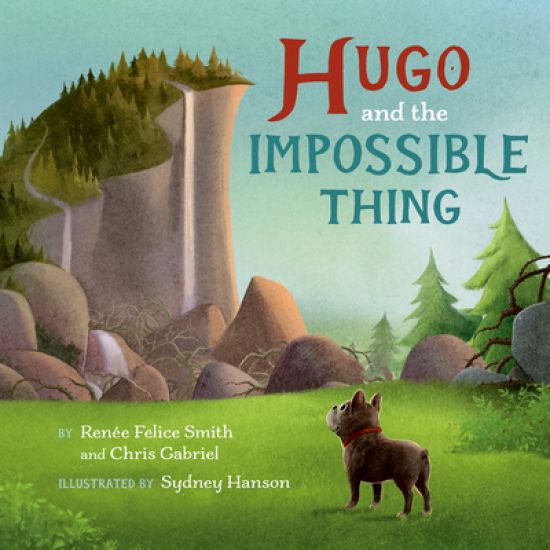
Hugo and the Impossible Thing

Hugo and the Impossible Thing

Renée Felice Smith; Chris Gabriel

Flamingo Books
2021
sidottu
Hugo has one goal - to conquer the Impossible Thing. At the edge of the forest stood the Impossible Thing. All the animals in the forest often wondered what was beyond the Impossible Thing, but since everyone said getting through it would be impossible, no animal ever tried. Until a brave little dog named Hugo decides he just might be up to the challenge. With determination and some unexpected help from his friends, Hugo learns that what may seem impossible might just be possible after all.
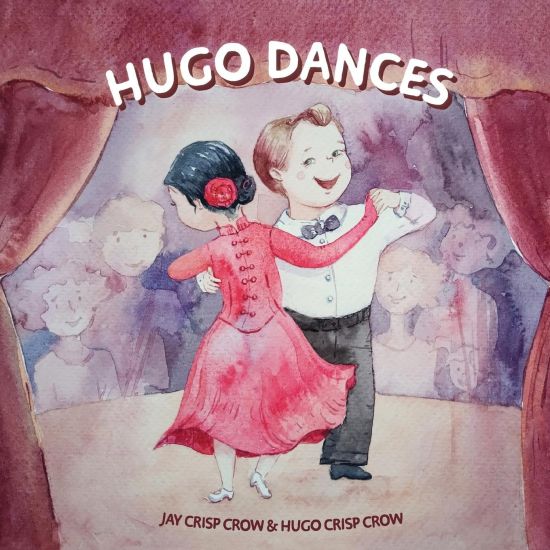
Hugo Dances

Hugo Dances

Jay Crisp Crow; Hugo Crisp Crow

various Australia publishers
2023
pokkari
Hugo is a boy with a passion for dance. He tries different sports at the urging of his family, but can't escape the rhythmic beat of his true calling. With unwavering determination, he convinces his mother to let him explore Ballroom Dancing.It seems as if Hugo has found his happiness, but doubt creeps in when he realises he looks different from the other dancers.Hugo Dances is a gentle tale of self-discovery, embracing uniqueness, and the power of following your dreams.
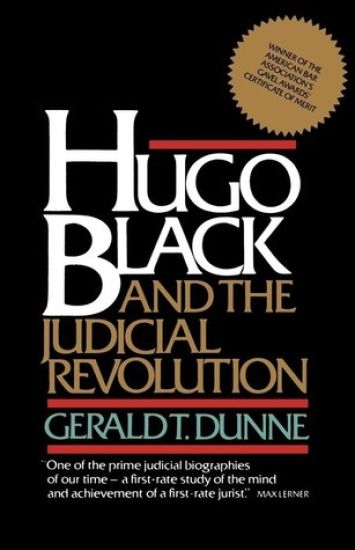
Hugo Black and the Judicial Revolution
From Simon & Schuster, Hugo Black and the Judicial Revolution is "one of the prime judicial biographies of our time." (Max Lerner)A native of St. Louis, Professor Dunne is a graduate of Georgetown University and St. Louis University Law School. He is the author of Monetary Decisions of the Supreme Court and Justice Joseph Story and The Rise of the Supreme Court.