Kirjojen hintavertailu. Mukana 11 244 527 kirjaa ja 12 kauppaa.

Kirjahaku

Etsi kirjoja tekijän nimen, kirjan nimen tai ISBN:n perusteella.

163 tulosta hakusanalla Intaek Oh

ARFID Avoidant Restrictive Food Intake Disorder
ARFID Avoidant Restrictive Food Intake Disorder: A Guide for Parents and Carers is an accessible summary of a relatively recent diagnostic term. People with ARFID may show little interest in eating, eat only a very limited range of foods or may be terrified something might happen to them if they eat, such as choking or being sick. Because it has been poorly recognised and poorly understood it can be difficult to access appropriate help and difficult to know how best to manage at home.This book covers common questions encountered by parents or carers whose child has been given a diagnosis of ARFID or who have concerns about their child. Written in simple, accessible language and illustrated with examples throughout, this book answers common questions using the most up-to-date clinical knowledge and research.Primarily written for parents and carers of young people, ARFID Avoidant Restrictive Food Intake Disorder includes a wealth of practical tips and suggested strategies to equip parents and carers with the means to take positive steps towards dealing with the problems ARFID presents. It will also be relevant for family members, partners or carers of older individuals, as well as professionals seeking a useful text, which captures the full range of ARFID presentations and sets out positive management advice.

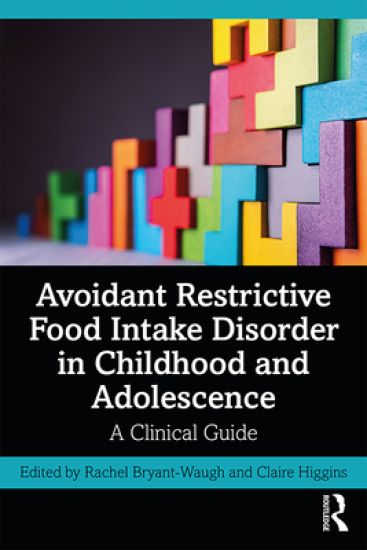
Avoidant Restrictive Food Intake Disorder in Childhood and Adolescence
Avoidant Restrictive Food Intake Disorder, more commonly known as ARFID, is a relatively newly introduced diagnostic category. Research in the field, although growing, remains limited, with clinical knowledge and expertise varying across clinicians. There may be uncertainty how to correctly identify and diagnose the disorder as well as how best to direct treatment.This clinical guide sets out to be a trailblazer in the field, providing up-to-date information and comprehensive clinical guidance on ARFID in childhood and adolescence. Chapters in the book are divided into five sections, the first focussing on the importance of attending to the perspectives of those directly affected by ARFID. Three subsequent sections cover diagnosis and presentation, including chapters on aetiology, epidemiology, assessment, and outcome measures; clinical assessment, including psychological, family, nutritional, medical, and sensory components; and management, discussing nutritional, medical, psychological, and wider system approaches. The final section discusses prognosis and outcomes, and considers future research directions.This clinically focussed book, with contributions from a multi-disciplinary authorship, is intended to function as an accessible, practical guide, and reference resource. It includes summaries of available evidence, with related recommendations for clinical practice. The advice and suggestions included will assist clinicians in targeting their attention appropriately, to ensure that children, adolescents, and their families receive the best possible care.
Avoidant Restrictive Food Intake Disorder in Childhood and Adolescence
Avoidant Restrictive Food Intake Disorder, more commonly known as ARFID, is a relatively newly introduced diagnostic category. Research in the field, although growing, remains limited, with clinical knowledge and expertise varying across clinicians. There may be uncertainty how to correctly identify and diagnose the disorder as well as how best to direct treatment.This clinical guide sets out to be a trailblazer in the field, providing up-to-date information and comprehensive clinical guidance on ARFID in childhood and adolescence. Chapters in the book are divided into five sections, the first focussing on the importance of attending to the perspectives of those directly affected by ARFID. Three subsequent sections cover diagnosis and presentation, including chapters on aetiology, epidemiology, assessment, and outcome measures; clinical assessment, including psychological, family, nutritional, medical, and sensory components; and management, discussing nutritional, medical, psychological, and wider system approaches. The final section discusses prognosis and outcomes, and considers future research directions.This clinically focussed book, with contributions from a multi-disciplinary authorship, is intended to function as an accessible, practical guide, and reference resource. It includes summaries of available evidence, with related recommendations for clinical practice. The advice and suggestions included will assist clinicians in targeting their attention appropriately, to ensure that children, adolescents, and their families receive the best possible care.
The Integral Intake

The Integral Intake

Andre Marquis

Routledge
2007
nidottu
Using formal assessment instruments in counseling and psychotherapy is an efficient and systematic way to obtain information about clients and to subsequently tailor a counseling approach most likely to serve clients optimally. The more information a counselor obtains during the initial interview and first sessions, the more likely the client will be deeply understood by the counselor, which in turn increases the likelihood that an appropriate course of counseling will be taken, and ultimately leading to a more successful outcome. The Integral Intake is an idiographic, biographical, multidimensional assessment instrument based upon the Integral Psychology pioneered by Ken Wilber. From the perspective of Integral theory, comprehensive and holistic conceptualization of clients seeking counseling and psychotherapy includes knowledge of four distinct perspectives (quadrants) of each client: the client’s experience (the individual viewed subjectively/from within), the client’s behavior (the client viewed objectively/from without), the client’s culture (the client’s system viewed subjectively/from within), and the client’s social system (the client’s system viewed objectively/from without). The intake form is designed to provide the practitioner with a range of background information that can then be used to more quickly and effectively formulate a counseling/treatment approach. The assessment form and accompanying materials will be included on a downloadable resource, formatted to be printed and reproduced for use with each new client. The book will provide an overview of the Integral Psychology model, describe the development of the assessment form and its use, and provide general guidelines for the evaluation of responses and planning for an appropriate counseling approach. A series of case examples, based on actual completed intake forms, will provide insight into the use of the Integral Intake.
Regulation of Feed Intake
Feed intake is the central issue in animal husbandry, being the key factor in determining health, welfare, environmental impact and productivity. With the focus on these issues, this book has been developed from the 5th Zodiac Symposium held in Wageningen in April 1998. The book reflects research conducted by observing natural behaviour, by investigating form-function relationships, physiology, metabolism and genetic make-up, and by offering choices of feed and environment. Information from studies on humans, wildlife and fish, as well as farm animals, is presented. It is divided into three parts:Natural Feeding, Feeding Modes, Preferences and BehaviourPhysiological Regulation of Feed Intake: Genetic, Metabolic, Hormonal and Neural RegulationsEnvironmental Factors and Feed Intake: Feeding Behaviour, Feed Choice and Feeding HabitsContributors include leading research workers from several European countries and Africa.
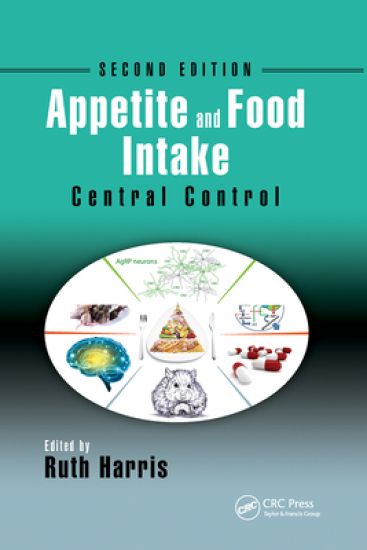
Appetite and Food Intake

Appetite and Food Intake

Taylor Francis Ltd
2021
nidottu
Nearly half of the world’s adult population is either clinically obese or overweight. Excess weight increases risk for multiple other chronic diseases and represents a major global health issue. Weight gain results from an imbalance between energy intake and expenditure, which can only be corrected if the physiologic and neuroendocrine systems that have the potential to control energy balance are identified. The first edition of this book reviewed knowledge on the intake of micro- and macronutrients, food choice, and opposing views on whether or not there are mechanisms that control food intake. Appetite and Food Intake: Central Control, Second Edition contains all new chapters and serves as a companion to the first by reviewing current knowledge on neuroendocrine mechanisms that influence food intake and glucose metabolism, including environmental influences on their development, with an emphasis on recent progress in understanding forebrain and hindbrain control of ingestive behavior.In addition, there is a discussion on the benefits derived from novel models for exploring ingestive behavior and the progress that has been achieved due to new technologies. Although major progress is being made in understanding the complex interplay between different control systems, the limits of our knowledge are acknowledged in chapters that review the efficacy of current weight control drugs and the relative importance of fat free mass and body fat in driving food intake.
The Integral Intake

The Integral Intake

Andre Marquis

Routledge
2016
sidottu
Using formal assessment instruments in counseling and psychotherapy is an efficient and systematic way to obtain information about clients and to subsequently tailor a counseling approach most likely to serve clients optimally. The more information a counselor obtains during the initial interview and first sessions, the more likely the client will be deeply understood by the counselor, which in turn increases the likelihood that an appropriate course of counseling will be taken, and ultimately leading to a more successful outcome. The Integral Intake is an idiographic, biographical, multidimensional assessment instrument based upon the Integral Psychology pioneered by Ken Wilber. From the perspective of Integral theory, comprehensive and holistic conceptualization of clients seeking counseling and psychotherapy includes knowledge of four distinct perspectives (quadrants) of each client: the client’s experience (the individual viewed subjectively/from within), the client’s behavior (the client viewed objectively/from without), the client’s culture (the client’s system viewed subjectively/from within), and the client’s social system (the client’s system viewed objectively/from without). The intake form is designed to provide the practitioner with a range of background information that can then be used to more quickly and effectively formulate a counseling/treatment approach. The assessment form and accompanying materials will be included on a downloadable resource, formatted to be printed and reproduced for use with each new client. The book will provide an overview of the Integral Psychology model, describe the development of the assessment form and its use, and provide general guidelines for the evaluation of responses and planning for an appropriate counseling approach. A series of case examples, based on actual completed intake forms, will provide insight into the use of the Integral Intake.
Appetite and Food Intake

Appetite and Food Intake

Productivity Press
2017
sidottu
Nearly half of the world’s adult population is either clinically obese or overweight. Excess weight increases risk for multiple other chronic diseases and represents a major global health issue. Weight gain results from an imbalance between energy intake and expenditure, which can only be corrected if the physiologic and neuroendocrine systems that have the potential to control energy balance are identified. The first edition of this book reviewed knowledge on the intake of micro- and macronutrients, food choice, and opposing views on whether or not there are mechanisms that control food intake. Appetite and Food Intake: Central Control, Second Edition contains all new chapters and serves as a companion to the first by reviewing current knowledge on neuroendocrine mechanisms that influence food intake and glucose metabolism, including environmental influences on their development, with an emphasis on recent progress in understanding forebrain and hindbrain control of ingestive behavior.In addition, there is a discussion on the benefits derived from novel models for exploring ingestive behavior and the progress that has been achieved due to new technologies. Although major progress is being made in understanding the complex interplay between different control systems, the limits of our knowledge are acknowledged in chapters that review the efficacy of current weight control drugs and the relative importance of fat free mass and body fat in driving food intake.
A Sharp Intake of Breath

A Sharp Intake of Breath

John Miller

Dundurn Group Ltd
2007
pokkari
Born with a split lip and cleft palate, Toshy Wolfman's life is an uphill battle. Believing he is dim-witted and ugly, Toshy finds his resentment slowly building as he is ridiculed, used, and misled. Ultimately, he is imprisoned after being caught stealing a valuable and famous diamond, the Orange Sunset. But Toshy's story is not his alone - it is shared with his two sisters: Lil, a radical and a devotee of anarchist Emma Goldman; and Bessie, who goes to work for one of Goldmans enemies, the owners of the Orange Sunset. Toshy's love for his sisters drives him to make some of the bravest decisions of his life. But despite having seemingly overcome his obstacles, an aging Toshy stuns his nephew by asking for his assistance in committing suicide.Toshy wont fully explain his decision. Nor will he fully explain why, at this late stage in life, he is obsessed with making a journey to France.
Mastering Work Intake

Mastering Work Intake

Thomas M. Cagley; Jeremy Willets

J ROSS PUBLISHING
2024
pokkari
Regardless of whether you’re creating, enhancing, or maintaining software products, work intake is a challenge you deal with constantly. Doing the right work at the right time can make or break your project, and there are surprisingly few resources to show you how to manage this process effectively. You need to know what your team is executing, what work is next, and the skill sets required to do the work.Mastering Work Intake: From Chaos to Predictable Delivery focuses on the full pipeline that work follows as it enters and exits your organization, including the different types of work that enter at different levels and times. It is a must-read for agile coaches, Scrum Masters, product owners, project and portfolio managers, team members, and anyone who touches the software development process. Mastering work intake involves recognizing that it’s easy to say “yes” and much harder to say “no.”
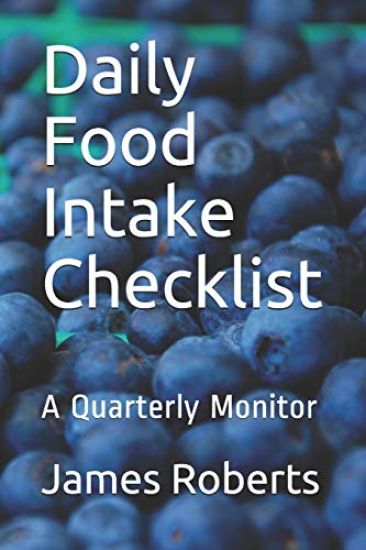
Daily Food Intake Checklist: A Quarterly Monitor

Daily Food Intake Checklist: A Quarterly Monitor

James L. Roberts

Independently Published
2019
nidottu
This is a handy tool to track food intake on a daily basis. You can actually monitor your oral intake for better health. This checklist is fun, because you have a record that you can pick up at any time without having to log into a smart phone application or a desktop computer. There is something satisfying about holding this record in your hand and evaluating your progress toward better health.
Tracking Your Daily Intake - A Food Journal for Food Notes

Tracking Your Daily Intake - A Food Journal for Food Notes

@ Journals and Notebooks

Speedy Publishing LLC
2016
pokkari
Why should you track your daily intake of food? Well, because that's the key to shedding off excess pounds to achieve a healthy weight. When you track what you eat, you become a conscious eater. You calculate calories, and you check labels. You identify the right foods and the wrong ones, too. So eat, write and be a happy and healthy person!
Voluntary Food Intake and Diet Selection of Farm Animals
The feeding of farm animals directly effects their growth, health, reproduction and ultimately their economic value and is consequently one of the most studied areas of animal science. Building on the first edition and its predecessor, 'The Voluntary Food Intake of Farm Animals,' Forbes has produced an up-to-date and more focused examination of developments in the understanding of voluntary food intake and new ideas and studies relating to diet selection. Chapters have been reorganized and updated to provide a more streamlined approach.
Dietary Patterns and Nutrient Intake in Pregnant Women
Optimum nutrition in pregnancy is important for the health and wellbeing of the mother and the developing child. Nutrition at this time influences the physiological development and metabolism of the foetus and has the potential to determine the future health and disease risk of the offspring. The nutritional status during pregnancy also influences the mother's breast milk, her nutritional status for future pregnancies, and impacts on the burden of chronic disease worldwide. Determining optimal nutrition for different stages of pregnancy and measuring nutrient intake is challenging. Across the world and within communities, different dietary patterns have been identified and linked to health outcomes. Dietary patterns, rather than individual food constituents and nutrients, may have a greater influence on health. This Special Issue brought together global research on dietary patterns and nutrient intakes during pregnancy to further our understanding of the influence of diet on maternal and foetal/infant outcomes.
Environmental Influences on Dietary Intake of Children and Adolescents
Childhood is a crucial period for establishing lifelong healthy nutritional habits. The environment has an important influence on children's dietary intake. This book focuses on the influence of environmental factors on the dietary intake of children and adolescents (0-18 years of age) within various settings including home, early care and education, school, college, holiday clubs, neighborhoods, and supermarkets. The reported studies examine a variety of factors within these settings, including the influence of cooking and parenting, teacher style, resources and barriers within various settings, marketing, and many other factors. The dietary intake behaviors examined include snacking, fruit and vegetable intake, beverage intake, and also nutrition in general. In addition, several papers focus on problems caused by inadequate nutrition, such as hunger and obesity. This work underlines the importance of the environment in influencing children's and adolescents' dietary intake. In addition, the papers identified some crucial barriers and facilitators for the implementation of environmental changes to enable a healthy diet for young children. Therefore, it provides some important directions for both future research and practice.
Effects of Iodine Intake on Human Health
Iodine, a key component of thyroid hormones, is considered an essential micronutrient for proper health at all life stages. Indeed, an inadequate dietary intake of iodine is responsible for several functional and developmental abnormalities. The most serious consequences of iodine deficiency include hypothyroidism, early abortion, low birth weight, preterm delivery, neurocognitive impairment, and mental retardation. On the other hand, the consequences of mild-to-moderate iodine deficiency, such as goiter, are less well understood but represent an important priority for research and public health practice. Over the last several decades, many countries across the globe have introduced mandatory salt iodization programs, which have dramatically reduced the number of iodine-deficient countries. However, despite substantial progress worldwide, mild-to-moderate deficiency is still prevalent even in many developed countries. Thus, the ongoing monitoring of the population iodine status remains crucially important, and attention may need to be paid to vulnerable life stage groups.