Does success in school protect teenagers from drug use? Does drug use impair scholastic success? This book tackles a key issue in adolescent development and health - the education-drug use connection. The authors examine the links and likely causal connections between educational experiences, delinquent behavior, and adolescent use of tobacco, alcohol, marijuana, and cocaine.The book uses data from the University of Michigan's Monitoring the Future project. It focuses on a large and nationally representative sample of 8th grade students in the United States who were initially surveyed in 1991-1993 and then followed over the vitally important developmental period between ages 14 and 22. The volume uses a variety of statistical analysis techniques, and the findings can be understood by individuals with limited, as well as with extensive, backgrounds in research design. The findings convincingly demonstrate that if young people can be successful in school, it can improve a broad range of outcomes in their lives, not the least of which is their ability to resist pressures to use drugs. The book provides: a summary of the findings and conclusions; a review of relevant literature; a detailed discussion of the survey and analysis methods; the academic attainment of those in the longitudinal panel; the delinquent behaviors of panel members as they relate to measures of educational success; and the patterns of initiation, continuation, and cessation for each substance: cigarettes, marijuana, cocaine, and alcohol.This book is intended for anyone who deals with education and/or substance use, including educational, developmental, and social psychologists; sociologists; epidemiologists; educators; and policy makers. The analysis of panel survey data, using a variety of techniques, will also appeal to survey methodologists and students.

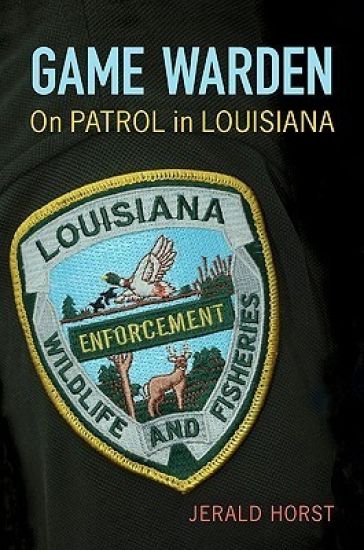
Of all law enforcement officers, game wardens inspire the most awe in the mind of the public. Working day and night, often in challenging terrain and bad weather, game wardens typically operate alone in remote areas and must understand the natural rhythms and cycles of the creatures and ecosystems they protect, all while encountering and sometimes interacting with people who are usually armed. Outdoors writer Jerald Horst spent one year riding on patrol with game wardens in the Louisiana Department of Wildlife and Fisheries. In riveting episodes, he chronicles their adventures, providing an up-close view of this demanding job and the band of men who take it on. From the piney woods of the northwestern part of the state to the soggy Mississippi River delta and beyond to the deep waters of the Gulf of Mexico, Horst accompanied dozens of wildlife agents, observing them, asking questions, sometimes sitting for hours with no action, and occasionally fearing for his life, as in the case of one speedboat chase. His candid observations show that the work of agents is often mentally and physically challenging, sometimes tedious, and -- more often than would be expected -- humorous, but never dull. Whether wardens are conducting routine checks of law-abiding sportsmen or in pursuit of suspected poachers, the unanticipated is the norm. A seemingly ordinary stop can turn deadly in an instant. As one officer told Horst ""complacency can get you killed."" More than a job, serving as a game warden is a way of life, and Horst relates how the agents he met came to their calling.An objective look at a heroic career, Game Warden offers an enthralling portrait of both the profession and the men behind the badge.
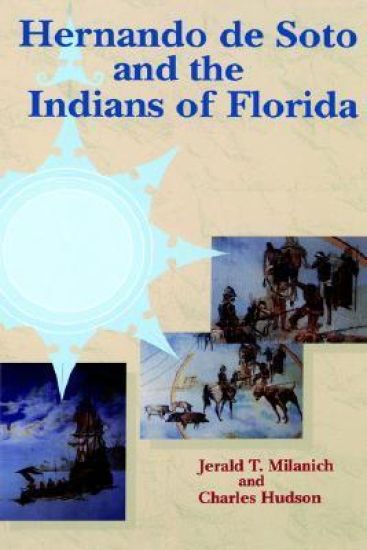
Hernando de Soto, the Spanish conquistador, is legendary in the United States today: counties, cars, caverns, shopping malls and bridges all bear his name. This work explains the historical importance of his expedition, a journey that began at Tampa Bay in 1539 and ended in Arkansas in 1543. De Soto's explorations, the first European penetration of eastern North America, preceded a demographic disaster for the aboriginal peoples in the region. Old World diseases, perhaps introduced by the de Soto expedition and certainly by other Europeans in the 16th and 17th centuries, killed many thousands of Indians. By the middle of the 18th century only a few remained alive. The de Soto narratives provide the first European account of many of these Indian societies as they were at the time of European contact. This work interprets these and other 16th-century accounts in the light of new archaeological information, resulting in a more comprehensive view of the native peoples. Matching de Soto's camps to sites where artifacts from the de Soto era have been found, the authors reconstruct his route in Florida and at the same time clarify questions about the social geography and political relationships of the Florida Indians. They link names once known only from documents (for example, the Uzita, who occupied territory at the de Soto landing site, and the Aguacaleyquen of north peninsular Florida) to actual archaeological remains and sites.
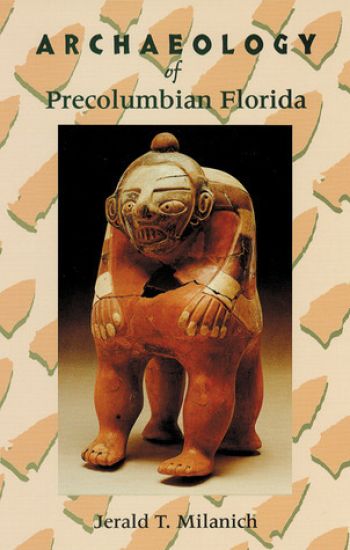
This record of pre-Columbian Florida relates the 12,000-year story of the native peoples who inhabited the state. Using information gathered by archaeological investigations, many carried out since 1980, Jerald Milanich describes the indigenous cultures and explains why they developed as they did. Milanich introduces the material heritage of the first This record of pre-Columbian Florida relates the 12,000-year story of the native peoples who inhabited the state. Using information gathered by archaeological investigations, many carried out since 1980, Jerald Milanich describes the indigenous cultures and explains why they developed as they did. Milanich introduces the material heritage of the first Floridi ans through the interpretation of artifacts and archaeological sites. Weaving together discoveries from such sites as the Lake Jackson mounds near Tallahassee, Crystal River on the Gulf Coast and Granada on the Miami River, he relates the long histories of the native groups whose descendents were decimated during the European conquest of the 16th and 17th centuries. Milanich begins with an overview of the history of archaeology in Florida. He then describes the earliest aboriginal cultures: the Paleoindians and the people of the Archaic period. The later, regional cultures (Weeden Island, Fort Walton, Glades, Caloosahatchee and many others are correlated with geographical and environmental regions and then compared to provide insights about the nature of chiefdom societies, the effects of wetlands on pre-Columbian settlement systems and the environmental history of the state. Maps and illustrations document this history of archaeological research in Florida and of the sites and artifacts (including Weeden Island pottery vessels and Belle Glade wooden carvings) left behind by the pre-Columbian people.
This record of pre-Columbian Florida relates the 12,000-year story of the native peoples who inhabited the state. Using information gathered by archaeological investigations, many carried out since 1980, Jerald Milanich describes the indigenous cultures and explains why they developed as they did. Milanich introduces the material heritage of the first This record of pre-Columbian Florida relates the 12,000-year story of the native peoples who inhabited the state. Using information gathered by archaeological investigations, many carried out since 1980, Jerald Milanich describes the indigenous cultures and explains why they developed as they did. Milanich introduces the material heritage of the first Floridians through the interpretation of artifacts and archaeological sites. Weaving together discoveries from such sites as the Lake Jackson mounds near Tallahassee, Crystal River on the Gulf Coast and Granada on the Miami River, he relates the long histories of the native groups whose descendents were decimated during the European conquest of the 16th and 17th centuries. Milanich begins with an overview of the history of archaeology in Florida. He then describes the earliest aboriginal cultures: the Paleoindians and the people of the Archaic period. The later, regional cultures (Weeden Island, Fort Walton, Glades, Caloosahatchee and many others are correlated with geographical and environmental regions and then compared to provide insights about the nature of chiefdom societies, the effects of wetlands on pre-Columbian settlement systems and the environmental history of the state. Maps and illustrations document this history of archaeological research in Florida and of the sites and artifacts (including Weeden Island pottery vessels and Belle Glade wooden carvings) left behind by the pre-Columbian people.
Bringing together 19 Caribbean specialists, this text examines the people of the Caribbean, their social organization, religion, language, lifeways, and contribution to the culture of their modern descendants - to provide a comprehensive reader on Caribbean archaelogy, ethnohistory, and ethnology.
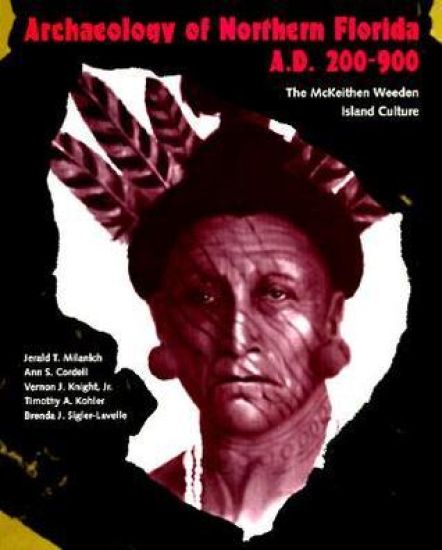
Focusing on the pre-Columbian south east of the United States, the authors draw on north Florida archaeological excavations and site surveys to reveal the Weeden Island culture and its ceramics. The McKeithen site, a multi-mound village site, provides information on native society culture.
Ancient moundbuilders and ceremonial sites of prehistoric Amerindians are two explanations for pre-Columbian earthen enclosures refuted by this collection of essays by leading archaeologists. In doing so, the difficulties in interpreting such sites and their diversity of usage are illuminated.
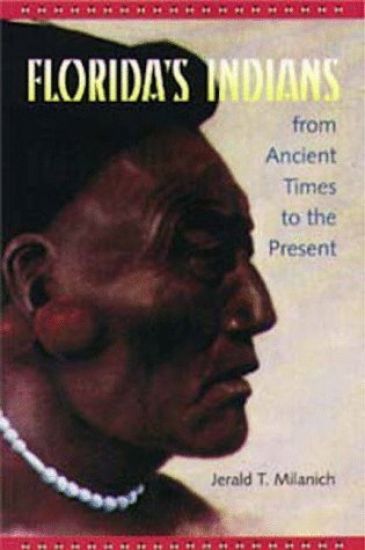
Integrating archaeological and historical information, this text tells the story of the native Indian societies that have lived in Florida for twelve millennia, from the early hunters at the end of the Ice Age to the modern Seminole, Miccosukee and Creeks.
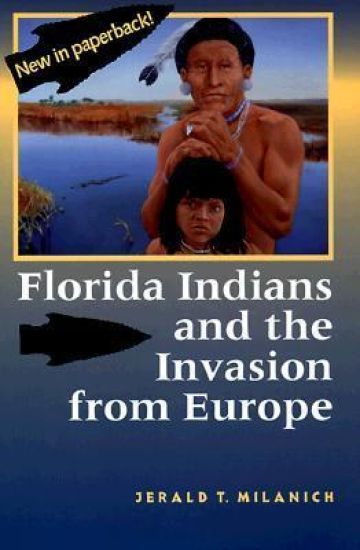
When the conquistadors arrived in Florida as many as 350,000 native Americans lived there. Two and a half centuries later, Florida's Indians were gone. This text focuses on these native peoples and their lives, and attempts to explain what happened to them.
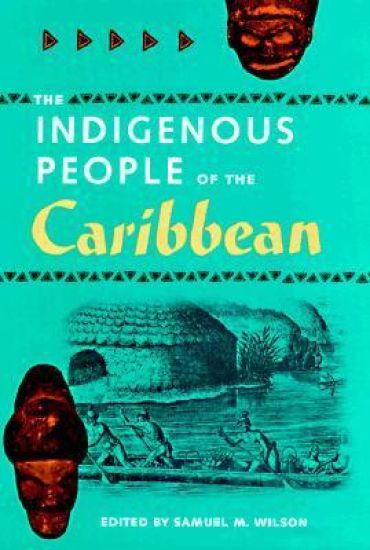
Bringing together 19 Caribbean specialists, this text examines the people of the Caribbean, their social organization, religion, language, lifeways, and contribution to the culture of their modern descendants - to provide a comprehensive reader on Caribbean archaeology, ethnohistory, and ethnology.
These important essays address the biological consequences of the arrival of Europeans in the New World and on the lifeways of native populations following contact in the late 16th century. Moving away from monocausal explanations of population change, they maintain that disease should be viewed as only a facet of a complex problem and that issues relating to diet, nutrition, activity, the work environment, and social and political change are equally important.
This volume documents the lives and work of pioneering women archaeologists in the southeastern United States, from the 1920s through the 1960s, portraying their professional accomplishments in the context of their personal lives. Some of the women are working today, and they either wrote their own stories or were interviewed. Others are no longer living; their biographies are gleaned from archival research. Rich with humor, tragedy, and important information for the history of anthropology and archaeology in the South and beyond, this book includes the story of African-American women excavators on WPA crews during the Great Depression; tales of innovative lab work, adventurous fieldwork, and public archaeology; and provocative discussions of women in archaeology and of gender in the archaeological record.
Rich with the objects of the day-to-day lives of illiterate or common people in the southeastern United States, this book offers an archaeological reevaluation of history itself: where it is, what it is, and how it came to be. Through clothing, cooking, eating, tool making, and other mundane forms of social expression and production, traditions were altered daily in encounters between missionaries and natives, between planters and slaves, and between native leaders and native followers. As this work demonstrates, these ""unwritten texts"" proved to be potent ingredients in the larger-scale social and political events that shaped peoples, cultures, and institutions.
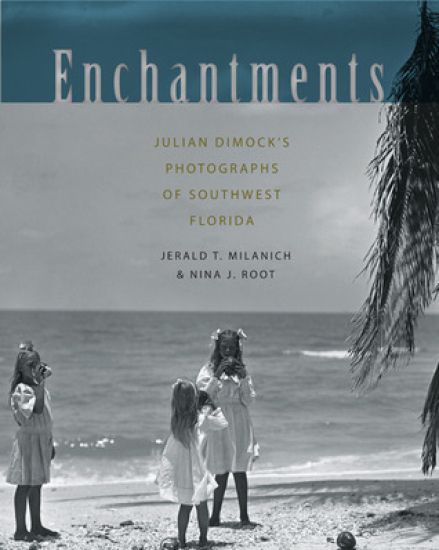
In the first decade of the twentieth century, Julian Dimock and his father traveled throughout southwest Florida photographing the land, the people, and the waterways of this frontier Eden. The former Wall Street moguls turned gentlemen explorers published hundreds of articles documenting their journeys in Harper's, Field & Stream, and other periodicals, introducing Americans to the mysterious world of the Florida Everglades and its inhabitants. While photographer Julian was keenly interested in the isolated but culturally rich lives of the Seminole Indians, he was also drawn to the outcasts and wanderers, refugees and outlaws who had staked out hardscrabble lives far from the fledgling towns of Miami and Fort Myers.From their base camp in the then-undeveloped outpost of Marco Island, the Dimocks trekked through the swamps and savannahs of southwest Florida as few whites had ever done. They canoed the Ten Thousand Islands, the Everglades, and Big Cypress Swamp. They traveled overland by oxcart to reach hidden places, including Deep Lake Plantation and its historic citrus grove, the tiny Henderson Creek settlement on Rookery Bay, and America's southernmost bee tree. From their houseboat they photographed Chatham Bend, the island home of the notorious killer Edgar Watson. Shedding light on these remote and wild lands, the Dimocks inspired interest and appreciation in people who never would have known such places existed. Documenting the lives of the Seminoles who inhabited the wetlands in south Florida’s interior after the Seminole Wars, the Dimocks’ articles and photographs served as a call to protect this special area from poachers, hunters, and developers. Their historical importance is beyond question. Enchantments presents a large selection of Julian’s photographs, accompanied by excerpts from the original magazine articles written by the Dimocks. The captions, often supplemented by the Dimocks’ firsthand observations, tell a number of stories, each a vignette about life on the southward-moving Florida frontier. These vivid duotone reproductions from original glass negatives--donated by Dimock to the American Museum of Natural History in the 1920s--preserve a rare and beautiful slice of history.
Cool Songs for Cool Kids (book 2) features 21 fun and Cool sounding early intermediate - intermediate level piano pieces composed specifically for teenage piano students - especially teenage boys. Each of these Cool Songs were composed by Jerald Simon during actual piano lessons with many of his own teenage piano students to help motivate and inspire them to learn music theory the fun way - through original Cool Songs.The songs are:1. Boot Camp Boogie2. Tick-Tock Click 'n Clock3. The Spy Kid4. Renegade Rogue5. Paparazzi Polka6. Wishful Thinking7. The Kick Box Kid8. Sweet Serenity9. Fancy That10. Smooth Sailing11. Third Time's the Charm12. Bored Game Blues13. Amazed14. Keepin' it Real15. Slip 'n Slide Summertime16. Pogo Stick Punch Out17. The Gigabyte Guru"18. Chillaxing19. Suspense Thriller20. Je Ne Sais Quoi21. Skillz
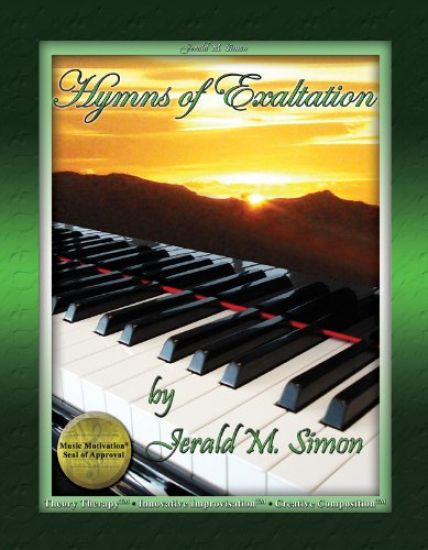
I hope you enjoy "Hymns of Exaltation." This book contains 8 instrumental piano hymn arrangements. There are 72 pages in this piano/vocal intermediate - advanced level piano book. This book includes all of the lyrics so performers can sing along with the accompaniment. You will enjoy playing and singing these hymns as you have never heard them performed like this before. Each of the hymns is presented in lesson format to help teach the theory used in arranging each of the hymns. The book is broken down into 8 individual lessons - one for each of the 8 hymns arranged in this book: (1) "For the Beauty of the Earth"(2) "Be Still My Soul"(3) "Nearer My God to Thee"(4) "I Stand All Amazed"(5) "Abide with Me"(6) "I Need Thee Every Hour/Lead Kindly Light"(7) "More Holiness Give Me", and(8) "If You Could Hie to Kolob", (also known as "I Heard the Voice of Jesus," and "O Sing a Song of Bethlehem," among other names). It is the hope of the author and publisher that each of these hymn arrangements will uplift, inspire, comfort, and empower the performers and the listeners. Hymns are magnificent, because they help us focus on that which is of most worth to us. As we listen to the melodies, we think of the inspired words of each hymn. They help us do our best each as we strive to do our part to help those around us. The order of the hymn selections in this book has a deliberate order. As we look at the beauty of this earth, our souls are stilled. We have imperfections, but we strive to be nearer to God. By doing so, we stand amazed and ask God to abide with us. We need Him and His light in our lives, because He gives us more holiness. We hear His voice and come to Him because He loves us and we are His.
Jazzed about Christmas contains 18 fun and easy to play, teacher friendly Christmas favorites. The arrangements are for the early intermediate piano student. Each arrangement is in the key of C. The songs are fun and upbeat. The book has lessons that teach students how to jazz up songs using the Christmas favorites as an example. The 18 Christmas favorites are: 1. Jingle Bells2. Jolly Old Saint Nicholas3. Up On the House Top4. Deck the Halls5. Joy to the World6. God Rest Ye Merry Gentlemen7. Hark the Herald Angels Sing8. O Christmas Tree9. Angels We Have Heard On High10. Silent Night11. The First Noel12. Good King Wenceslas13. Bring a Torch Jeannette, Isabella14. I Saw Three Ships15. Still, Still, Still16. Dance of the Sugar Plum Fairies17. The Holly and the Ivy18. We Wish You a Merry Christmas