Kirjahaku
Etsi kirjoja tekijän nimen, kirjan nimen tai ISBN:n perusteella.
1000 tulosta hakusanalla Jeremiah Lynch

The Book of Jeremiah ruminates on his role as a servant of God. Jeremiah is intended as a message to the Jews in exile in Babylon, explaining the disaster of exile as God's response to Israel's pagan worship: the people, says Jeremiah, are like an unfaithful wife and rebellious children, their infidelity and rebelliousness made judgement inevitable, although restoration and a new covenant are foreshadowed.


This book is about God visiting Jeremiah to tell him that he has called him before the world began. Even though Jeremiah made excuses as to why he could not fulfill the call, God let Jeremiah know that he had already taken his inabilities into consideration. All God wanted Jeremiah to do was say yes. Not only did God tell him of his calling, but he equipped him with holy boldness and power. In this book, we will discuss how God called Jeremiah; how he dealt with Jeremiah's inadequacies; how he anointed Jeremiah for his assignment, gave him instructions, and opened his spiritual eyes. We will also discuss how this can apply to your life. I pray that you will find this book a blessing to you as you read it.


Completely retypeset including a new chapter on the history of rhetorical criticism in North America and a fully updated bibliography, Jack Lundbom’s landmark contribution to rhetorical criticism is here reissued by Eisenbrauns. This book serves a dual purpose as both an introduction to Jeremiah and an introduction (with illustration) to rhetorical criticism of the Hebrew Bible.



Jeremiah Walker moved to Three Rivers with one rule: No women. Ever. After being left at the altar, he's sworn off love, focusing on his ranch and cooking for his brothers. But as he watches his brothers find happiness, he realizes he might be missing something.Whitney Wilde, a talented photographer with a secret passion for baby photography, is determined to shoot at Seven Sons Ranch. Jeremiah's refusal only fuels her persistence-and her undeniable attraction to him. Despite his gruff exterior, Whitney can't ignore the chemistry between them.When Jeremiah needs a favor, he proposes a fake marriage to Whitney-and he'll let her shoot at the ranch anytime she wants. Surprised but intrigued, Whitney agrees, hoping to break through his tough exterior. As they spend more time together, their pretend relationship starts to feel all too real.Whitney must decide if she can trust Jeremiah with her secret passion, and Jeremiah must confront the deep wounds of his past. Will their real relationship be able to weather the storms that come when Jeremiah discovers Whitney's secret? Or will his fears and grumpiness prevent them from achieving their happily-ever-after?This sweet, closed door cowboy billionaire romance features a grumpy-sunshine dynamic and an enemies-to-lovers twist. Set in a charming small Texas town, this story will make you believe in the power of love and second chances
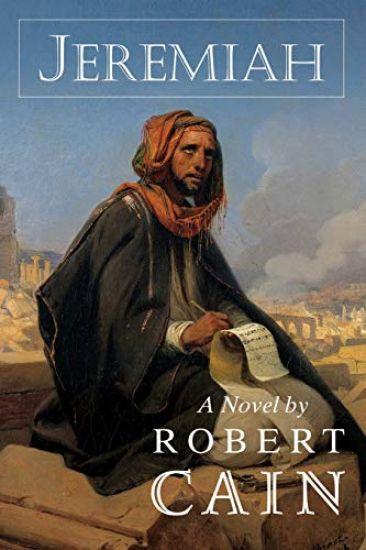
Evil pervades the people and land of 650BCE Judah, not only in worshiping foreign gods but by alienating the one, true God. Thus, Jeremiah is called upon to become one of the Lord's prophets, but the sixteen-year-old has other, worldlier, plans; a fianc e, a career that leads to happiness, security and comfort. The boy's life is turned upside down as God's Spirit grows within him. Friends, family and his community turn against him, though not merely human hatred wants him eliminated but demonic evil seeks to destroy Jeremiah as well. Jerusalem's council hears of this would-be prophet and, after questioning Jeremiah, wants rid of him as well. He is cast out of his hometown Anathoth and the long arduous journey to becoming a prophet truly begins.Shalev, a wandering merchant, is payed to take Jeremiah to a group of ascetics living in the hills near Jericho. Along the way there are interactions with people and tests of endurance which begin to widen Jeremiah's knowledge of life and allow God's Spirit to grow within him; the spoiled, carefree boy is beginning to grow up mentally, physically and spiritually. Jeremiah begins to recognize that the simplicity of established religion is child's play in light of the majesty and power of God's interaction within the world."Will this place help me find true happiness?" This is the initial question from Jeremiah's lips upon arriving at the ascetic community. The human Jeremiah yearns for the physical identity and security that the world furnishes, yet his spirit wishes to commune with its Creator. Thus, Jeremiah is torn in two. God, of course, prevails as Jeremiah is drawn closer in spirit by visions and discernment. A dramatic vision culminates with Jeremiah's profession of faith in God and full acceptance of his calling, completing the seven years he has spent in the desert. He is now a prophet with a divine mission.The prophet Jeremiah proclaims God's words to the people of Jerusalem, but they choose not to hear. In fact, the leaders of Judah no longer want their country to be a vassal state of the Babylonian Empire and compel the king to revolt. Because of Judah's sinfulness, the people and land must be punished then cleansed. King Nebuchadnezzar of Babylon is the instrument the Lord employs to achieve this. Judah is invaded. The sacking, burning and destruction of Jerusalem and the Temple is the termination of God's covenant relationship with his people; God no longer resides in their midst.Jeremiah, his disciple Baruch and a palace servant named EBED travel to Mizpah, a modest city north of Jerusalem. As the prophet awaits an answer from God as to what he must do next, terror strikes. A rogue Judean army attacks the city as retribution for siding with the Babylonians. Gedaliah is assassinated and hundreds of men, women and children are slaughtered. The remaining population, including Jeremiah and his companions are marched off into the desert. The Judean general Johanan comes to their rescue and is hailed by the people as their savior. The decision is made to head south, to Egypt, where they will find happiness, peace and comfort, but the Lord God commands them to remain in the Promised Land. The people ignore God's wishes and the journey to Egypt commences. Jeremiah continues to insist that they do not step onto foreign soil, or God's punishment will follow. They cross into Egypt and are embraced. It seems all is well; they have found peace and happiness after all. Jeremiah says no. The prophet declares that no one who crossed over the border onto Egyptian soil will ever return to the land of God. For saying this, the prophet Jeremiah is stoned to death by his own people. The demonic and human evils that have ever been near him prevail.
Evil pervades the people and land of 650BCE Judah, not only in worshiping foreign gods but by alienating the one, true God. Thus, Jeremiah is called upon to become one of the Lord's prophets, but the sixteen-year-old has other, worldlier, plans; a fianc e, a career that leads to happiness, security and comfort. The boy's life is turned upside down as God's Spirit grows within him. Friends, family and his community turn against him, though not merely human hatred wants him eliminated but demonic evil seeks to destroy Jeremiah as well. Jerusalem's council hears of this would-be prophet and, after questioning Jeremiah, wants rid of him as well. He is cast out of his hometown Anathoth and the long arduous journey to becoming a prophet truly begins.Shalev, a wandering merchant, is payed to take Jeremiah to a group of ascetics living in the hills near Jericho. Along the way there are interactions with people and tests of endurance which begin to widen Jeremiah's knowledge of life and allow God's Spirit to grow within him; the spoiled, carefree boy is beginning to grow up mentally, physically and spiritually. Jeremiah begins to recognize that the simplicity of established religion is child's play in light of the majesty and power of God's interaction within the world."Will this place help me find true happiness?" This is the initial question from Jeremiah's lips upon arriving at the ascetic community. The human Jeremiah yearns for the physical identity and security that the world furnishes, yet his spirit wishes to commune with its Creator. Thus, Jeremiah is torn in two. God, of course, prevails as Jeremiah is drawn closer in spirit by visions and discernment. A dramatic vision culminates with Jeremiah's profession of faith in God and full acceptance of his calling, completing the seven years he has spent in the desert. He is now a prophet with a divine mission.The prophet Jeremiah proclaims God's words to the people of Jerusalem, but they choose not to hear. In fact, the leaders of Judah no longer want their country to be a vassal state of the Babylonian Empire and compel the king to revolt. Because of Judah's sinfulness, the people and land must be punished then cleansed. King Nebuchadnezzar of Babylon is the instrument the Lord employs to achieve this. Judah is invaded. The sacking, burning and destruction of Jerusalem and the Temple is the termination of God's covenant relationship with his people; God no longer resides in their midst.Jeremiah, his disciple Baruch and a palace servant named EBED travel to Mizpah, a modest city north of Jerusalem. As the prophet awaits an answer from God as to what he must do next, terror strikes. A rogue Judean army attacks the city as retribution for siding with the Babylonians. Gedaliah is assassinated and hundreds of men, women and children are slaughtered. The remaining population, including Jeremiah and his companions are marched off into the desert. The Judean general Johanan comes to their rescue and is hailed by the people as their savior. The decision is made to head south, to Egypt, where they will find happiness, peace and comfort, but the Lord God commands them to remain in the Promised Land. The people ignore God's wishes and the journey to Egypt commences. Jeremiah continues to insist that they do not step onto foreign soil, or God's punishment will follow. They cross into Egypt and are embraced. It seems all is well; they have found peace and happiness after all. Jeremiah says no. The prophet declares that no one who crossed over the border onto Egyptian soil will ever return to the land of God. For saying this, the prophet Jeremiah is stoned to death by his own people. The demonic and human evils that have ever been near him prevail.

Jeremiah is one of the central figures of an exciting period which has to be reconstructed by a combined effort of criticism and imagination. It is nearly twenty years since I first began to prepare for a commentary Jeremiah, and since then the book and its author have retained an interest for me. The Exposition in the ""Pulpit Commentary"" (1883-1885) is a most fragmentary realization of my original plan, and I was glad to take up the pen once more. In the summer of 1887 I preached a course of sermons Jeremiah in Rochester Cathedral, similar to a course which I have printed on Elijah. These sermons are the gems of the present volume. - From the Preface

Jeremiah is one of the central figures of an exciting period which has to be reconstructed by a combined effort of criticism and imagination. It is nearly twenty years since I first began to prepare for a commentary Jeremiah, and since then the book and its author have retained an interest for me. The Exposition in the ""Pulpit Commentary"" (1883-1885) is a most fragmentary realization of my original plan, and I was glad to take up the pen once more. In the summer of 1887 I preached a course of sermons Jeremiah in Rochester Cathedral, similar to a course which I have printed on Elijah. These sermons are the gems of the present volume. - From the Preface