

Kirjahaku
Etsi kirjoja tekijän nimen, kirjan nimen tai ISBN:n perusteella.
1000 tulosta hakusanalla Jeremy a. Frazier

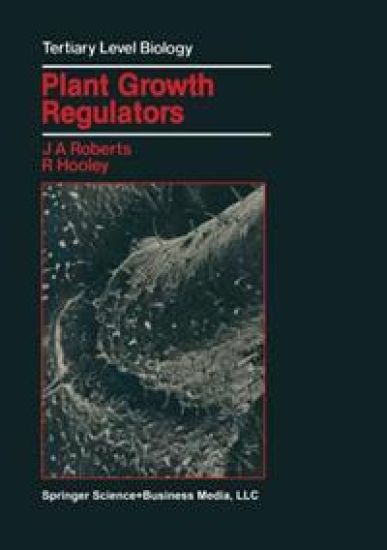
What are plant growth regulators? In the title, and throughout the text, we have adopted this expression to describe a population of endogenous molecules and synthetic compounds of similar structure that are be lieved to play important roles in the regulation of plant differentiation and development. For many years, plant scientists have endeavoured to understand the nature and action of plant growth regulators and, as a result, an awesome quantity of written material now exists describing these chemicals and their effects. In this book we have aimed to distil this wealth of information into a more digestible form, and in particular we have focused our attention on a critical appraisal of the literature. The past few years have witnessed a change of emphasis in plant growth regulator research, which has been fuelled by powerful new techniques in molecular and cell biology. Today we can do more than just apply a plant growth regulator and quantify its effects; we have reached an exciting crossroads where plant scientists, molecular bio logists and chemists can pool their expertise and apply it to the out standing problems in this area. The combination of these three disciplines within the book is clear evidence of this. In keeping with a volume of this size, we have assumed that the reader has a sound knowledge of plant physiology and biochemistry. However, wherever possible, we have highlighted useful reviews which provide background information, along with recent publications that have contributed significantly to the literature.

Devon Cattle: Perfect for Pasture, Perfect for Plate
Jeremy a. Engh
Createspace Independent Publishing Platform
2014
nidottu

FBI Ghosts: Church of the Fallen: Church of the Fallen
Jeremy a. Szekely
Createspace Independent Publishing Platform
2013
nidottu


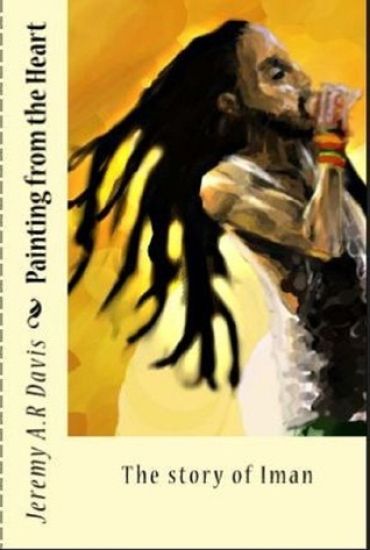
Painting from the Heart: The story of Iman
Jeremy a. R. Davis
Createspace Independent Publishing Platform
2013
nidottu
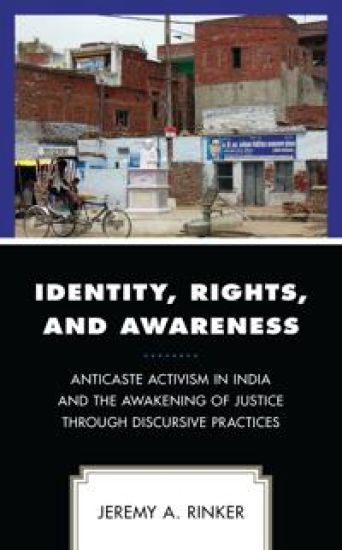
For over a decade, Jeremy Rinker, Ph.D. has interacted, observed, and studied Dalit anti-caste social movements in India. In this critical comparative approach to India’s modern anti-caste resistance, Dr. Rinker emphasizes the complex interdependence between narrative practices and social transformation in understanding the centuries old caste basis of India’s most fundamental of social conflicts. Through the comparative case study of three modern social movement organizations, this book provides a fresh lens to both better understand and potentially transform caste marginalization and oppression. Through theoretical analysis, auto-ethnographic field notes, and narrative storytelling, Dr. Rinker brings the lived experience of modern Dalits to life for a Western reader unfamiliar with the entrenched nature of India’s complex caste dynamics. The book is also written for anti-caste activists in that it endeavors to develop reflective practice insights into activists’ own sense and use of narrative agency. A timely reappraisal of Indian anti-caste movement infighting and ideological discord, this book will be of interest to both students of South Asian caste and those that want to better understand injustice narration as an important means of structural change. With sharp analysis and insight Identity, Rights, and Awareness: Anticaste Activism in India and the Awakening of Justice through Discursive Practices will be of interest to scholars of South Asian studies as well as activists working for conflict transformation and peace.
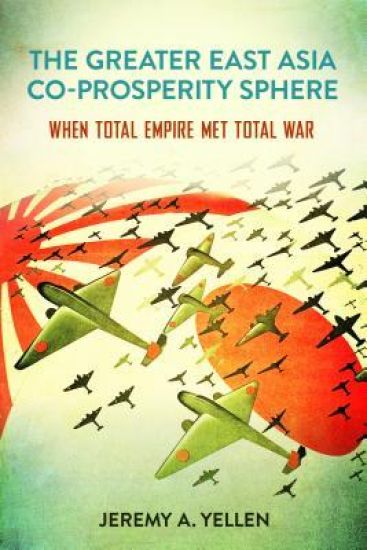
"The Greater East Asia Co-Prosperity Sphere offers a lucid, dynamic, and highly readable history of Japan's attempt to usher in a new order in Asia during World War II." â• Cross-Currents: East Asian History and Culture Review In The Greater East Asia Co-Prosperity Sphere, Jeremy A. Yellen exposes the history, politics, and intrigue that characterized the era when Japan's "total empire" met the total war of World War II. He illuminates the ways in which the imperial center and its individual colonies understood the concept of the Sphere, offering two sometimes competing, sometimes complementary, and always intertwined visions-one from Japan, the other from Burma and the Philippines. Yellen argues that, from 1940 to 1945, the Greater East Asia Co-Prosperity Sphere epitomized two concurrent wars for Asia's future: the first was for a new type of empire in Asia, and the second was a political war, waged by nationalist elites in the colonial capitals of Rangoon and Manila. Exploring Japanese visions for international order in the face of an ever-changing geopolitical situation, The Greater East Asia Co-Prosperity Sphere explores wartime Japan's desire to shape and control its imperial future while its colonies attempted to do the same. At Japan's zenith as an imperial power, the Sphere represented a plan for regional domination; by the end of the war, it had been recast as the epitome of cooperative internationalism. In the end, the Sphere could not survive wartime defeat, and Yellen's lucidly written account reveals much about the desires of Japan as an imperial and colonial power, as well as the ways in which the subdued colonies in Burma and the Philippines jockeyed for agency and a say in the future of the region.

"The Greater East Asia Co-Prosperity Sphere offers a lucid, dynamic, and highly readable history of Japan's attempt to usher in a new order in Asia during World War II." â• Cross-Currents: East Asian History and Culture Review In The Greater East Asia Co-Prosperity Sphere, Jeremy A. Yellen exposes the history, politics, and intrigue that characterized the era when Japan's "total empire" met the total war of World War II. He illuminates the ways in which the imperial center and its individual colonies understood the concept of the Sphere, offering two sometimes competing, sometimes complementary, and always intertwined visions-one from Japan, the other from Burma and the Philippines. Yellen argues that, from 1940 to 1945, the Greater East Asia Co-Prosperity Sphere epitomized two concurrent wars for Asia's future: the first was for a new type of empire in Asia, and the second was a political war, waged by nationalist elites in the colonial capitals of Rangoon and Manila. Exploring Japanese visions for international order in the face of an ever-changing geopolitical situation, The Greater East Asia Co-Prosperity Sphere explores wartime Japan's desire to shape and control its imperial future while its colonies attempted to do the same. At Japan's zenith as an imperial power, the Sphere represented a plan for regional domination; by the end of the war, it had been recast as the epitome of cooperative internationalism. In the end, the Sphere could not survive wartime defeat, and Yellen's lucidly written account reveals much about the desires of Japan as an imperial and colonial power, as well as the ways in which the subdued colonies in Burma and the Philippines jockeyed for agency and a say in the future of the region.


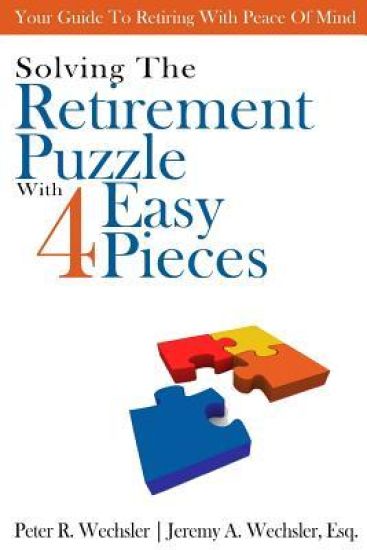
Solving The Retirement Puzzle With Four Easy Pieces
Jeremy a. Wechsler Esq; Peter R. Wechsler
Createspace Independent Publishing Platform
2015
nidottu
Since its first printing many years ago Solving The Retirement Puzzle With 4 Easy Pieces has become a guidebook for soon to be and recent retirees alike. Coauthored by Peter Wechsler, retirement & income planning specialist, and Jeremy A. Wechsler, Esq., Your Estate Planning and Asset Protection Attorney, Solving The Retirement Puzzle leads you through the potential minefields of both retirement and estate planning. Having focused exclusively on retiree issues for the past 18 years, Peter and Jeremy know the importance of having a solid, secure plan for your nonwork years to ensure reliable income and peace of mind, even amidst up and down markets. As a retirement & income planner, Peter explains how he helps folks navigate the many challenges involved in retirement planning. Using their "Four Step Discovery Review Process" as a guide, the pages of Solving The Retirement Puzzle start with Peter's exploration of Income and Tax Planning, along with Risk Exposure and Risk Comfort Level. Those principles established, Jeremy then tackles Estate and Elder Planning. You've worked hard to build your nest egg. You saved, you scrimped and you sacrificed - determined to retire comfortably and leave a lasting legacy for those you love. Now, you must strive to protect and preserve that nest egg while also using it for your future and the future of your kids and grandkids. But you can't do it alone. Peter and Jeremy, and Solving The Retirement Puzzle With 4 Easy Pieces, have the information and insight you need.


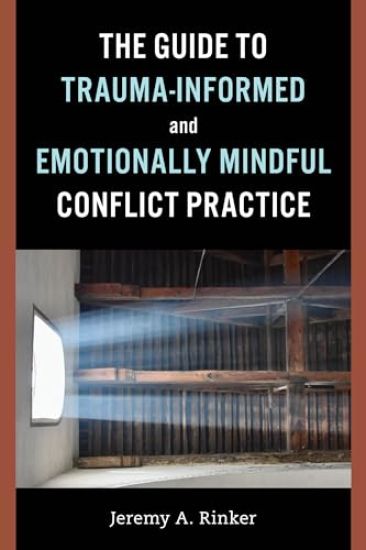
The Guide to Trauma-Informed and Emotionally Mindful Conflict Practice
Jeremy A. Rinker
BLOOMSBURY PUBLISHING PLC
2024
sidottu
Restoring social harmony requires both emotion and the difficult embrace of past felt traumas. Jeremy A. Rinker provides a clarion call for practitioners to bravely explore human emotions and past trauma. He interrogates current conflict intervention practice—moving past interest-based negotiation and needs-based conflict resolution—and provides a guide for more emotionally mindful and trauma-informed conflict intervention work. Trauma-Informed and Emotionally Mindful Conflict Practice addresses the underattended aspects of emotions and foregrounds historical harms in the work of resolving social conflict. It critically investigates trauma and human emotions as an underexplored resource in addressing local and entrenched community violence and integrates the theory and practice of trauma-informed approaches using cultural framing, storytelling, resilience, and emotional human connection to chart new ways toward peace. This refocusing of peace work is critical for not only conflict resolution but also for overcoming the ossification of polarized social identity formations.
The Guide to Trauma-Informed and Emotionally Mindful Conflict Practice
Jeremy A. Rinker
BLOOMSBURY PUBLISHING PLC
2024
nidottu
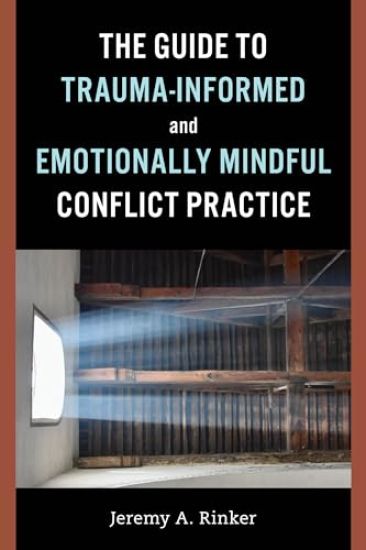
Restoring social harmony requires both emotion and the difficult embrace of past felt traumas. Jeremy A. Rinker provides a clarion call for practitioners to bravely explore human emotions and past trauma. He interrogates current conflict intervention practice—moving past interest-based negotiation and needs-based conflict resolution—and provides a guide for more emotionally mindful and trauma-informed conflict intervention work. Trauma-Informed and Emotionally Mindful Conflict Practice addresses the underattended aspects of emotions and foregrounds historical harms in the work of resolving social conflict. It critically investigates trauma and human emotions as an underexplored resource in addressing local and entrenched community violence and integrates the theory and practice of trauma-informed approaches using cultural framing, storytelling, resilience, and emotional human connection to chart new ways toward peace. This refocusing of peace work is critical for not only conflict resolution but also for overcoming the ossification of polarized social identity formations.
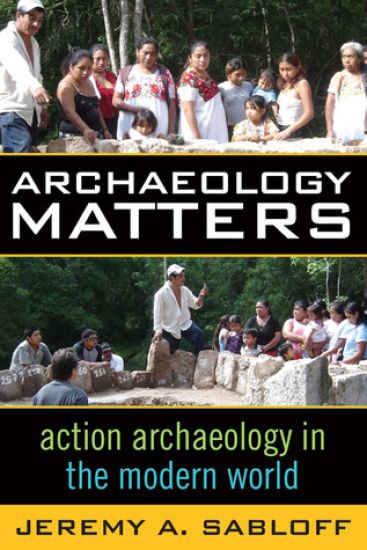
Archaeology is perceived to study the people of long ago and far away. How could archaeology matter in the modern world? Well-known archaeologist Jeremy Sabloff points to ways in which archaeology might be important to the understanding and amelioration of contemporary problems. Though archaeologists have commonly been associated with efforts to uncover cultural identity, to restore the past of underrepresented peoples, and to preserve historical sites, their knowledge and skills can be used in many other ways. Archaeologists help Peruvian farmers increase crop yields, aid city planners in reducing landfills, and guide local communities in tourism development and water management. This brief volume, aimed at students and other prospective archaeologists, challenges the field to go beyond merely understanding the past and actively engage in making a difference in the today’s world.
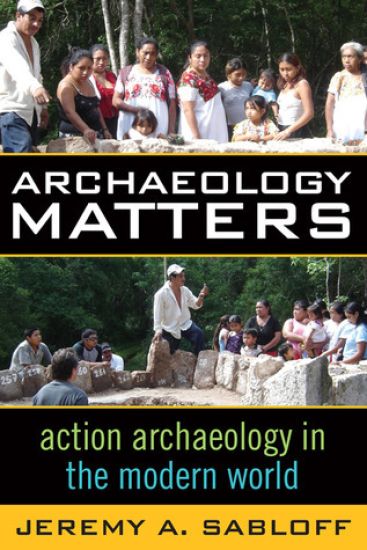
Archaeology is perceived to study the people of long ago and far away. How could archaeology matter in the modern world? Well-known archaeologist Jeremy Sabloff points to ways in which archaeology might be important to the understanding and amelioration of contemporary problems. Though archaeologists have commonly been associated with efforts to uncover cultural identity, to restore the past of underrepresented peoples, and to preserve historical sites, their knowledge and skills can be used in many other ways. Archaeologists help Peruvian farmers increase crop yields, aid city planners in reducing landfills, and guide local communities in tourism development and water management. This brief volume, aimed at students and other prospective archaeologists, challenges the field to go beyond merely understanding the past and actively engage in making a difference in the today’s world.