Kirjojen hintavertailu. Mukana 11 244 527 kirjaa ja 12 kauppaa.

Kirjahaku

Etsi kirjoja tekijän nimen, kirjan nimen tai ISBN:n perusteella.

1000 tulosta hakusanalla Krista Perry Dunn

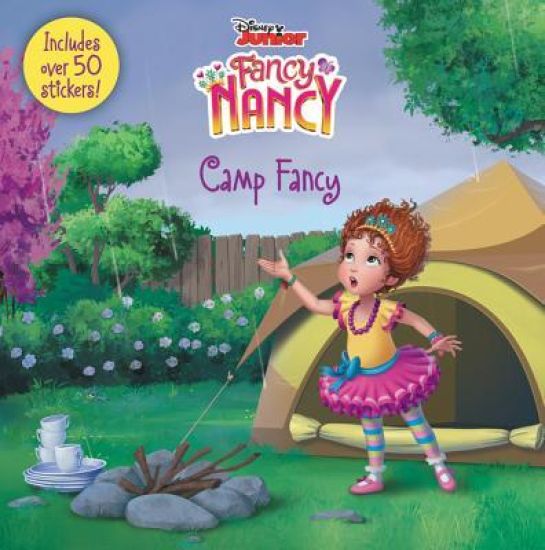
Disney Junior Fancy Nancy: Camp Fancy: Includes Over 50 Stickers!
An extra-fancy camping story that comes with over 50 stickers to keep kids engaged and entertained Based on the Disney Junior TV show and inspired by the classic picture book series, this storybook is perfect for sharing with the Fancy Nancy fan in your life Nancy is one happy camper when she decides to have a camping trip in the backyard. But when it begins to rain, Nancy will need to bring all the wonders of the great outdoors...indoors Disney Junior's Fancy Nancy is an animated family comedy starring six-year-old Nancy, a girl who is fancy in everything from her advanced vocabulary to her creative, elaborate attire. The show is based on the New York Times bestselling book series Fancy Nancy by Jane O'Connor and Robin Preiss Glasser.
Disney Junior Fancy Nancy: Nancy Goes to Work
Based on the Disney Junior TV show and inspired by the classic picture book series, this is a brand-new deluxe storybook that's perfect for sharing with the Fancy Nancy fan in your life When Dad works from home, Nancy is ready to get down to business--as Dad's new assistant But when Nancy tries to think outside the box, she accidentally creates an epic office disaster.Includes one sheet of stickers and two sheets of stationery so young readers can write a letter to dad or any special someone Disney Junior's Fancy Nancy is an animated children's series starring six-year-old Nancy, a girl who is fancy in everything from her advanced vocabulary to her creative, elaborate attire. The show is based on the New York Times bestselling book series Fancy Nancy by Jane O'Connor and illustrated by Robin Preiss Glasser.
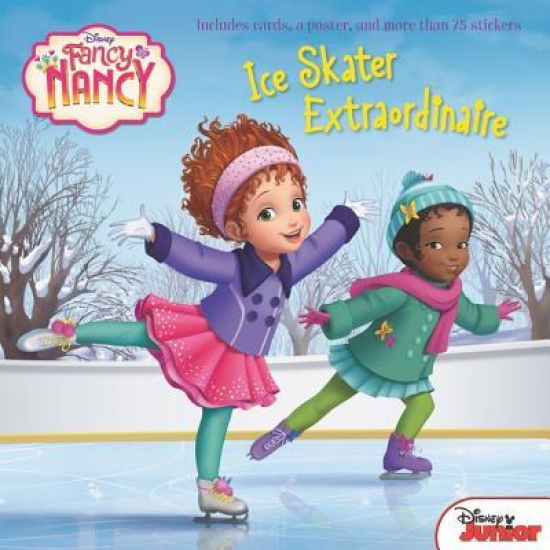
Disney Junior Fancy Nancy: Ice Skater Extraordinaire
Based on the Disney Junior TV show and inspired by the classic picture book series, this is a brand-new deluxe storybook that's perfect for the Fancy Nancy fan in your life Nancy is practically an expert at skating...while playing pretend in her living room When Nancy and Bree head out on the ice for real, Nancy is 100% positive she'll be an ice skater extraordinaire. But Nancy learns that ice-skating is slipperier business than she thought.This 8x8 storybook comes with stickers, cards, and a poster--as well as a checklist in the back of the book for your own tr s fancy day at the ice-skating rink. Don't forget, the most important thing to bring to the skating rink is your magnifique attitude Disney Junior's Fancy Nancy is an animated children's series starring six-year-old Nancy, a girl who is fancy in everything from her advanced vocabulary to her creative, elaborate attire. The show is based on the New York Times bestselling book series Fancy Nancy by Jane O'Connor and Robin Preiss Glasser.
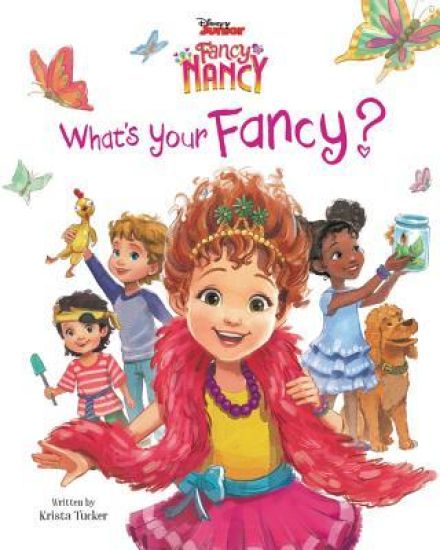
Disney Junior Fancy Nancy: What's Your Fancy?
Based on the Disney Junior TV show and inspired by the classic picture book series, this is a brand-new, beautifully illustrated picture book that's perfect for sharing with the Fancy Nancy fan in your life Nancy knows that everyone has his or her own way of being fancy. It's part of what makes us unique. But Nancy is curious to know what makes her family and friends feel fancy, so she goes to find out. Nancy is happy to know that--while she has her own way of being fancy--everyone else does too. These different expressions of fanciness are what make life so magnifique Disney Junior's Fancy Nancy is an animated children's series starring six-year-old Nancy, a girl who is fancy in everything from her advanced vocabulary to her creative, elaborate attire. The show is based on the New York Times bestselling book series Fancy Nancy by Jane O'Connor and illustrated by Robin Preiss Glasser
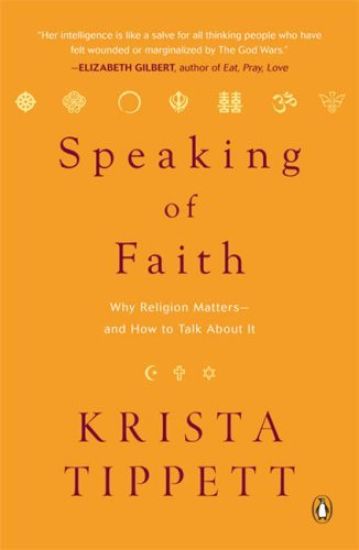
Speaking of Faith: Why Religion Matters--And How to Talk about It
A thought-provoking, original appraisal of the meaning of religion by the host of public radio's On Being Krista Tippett, widely becoming known as the Bill Moyers of radio, is one of the country's most intelligent and insightful commentators on religion, ethics, and the human spirit. With this book, she draws on her own life story and her intimate conversations with both ordinary and famous figures, including Elie Wiesel, Karen Armstrong, and Thich Nhat Hanh, to explore complex subjects like science, love, virtue, and violence within the context of spirituality and everyday life. Her way of speaking about the mysteries of life-and of listening with care to those who endeavor to understand those mysteries--is nothing short of revolutionary.
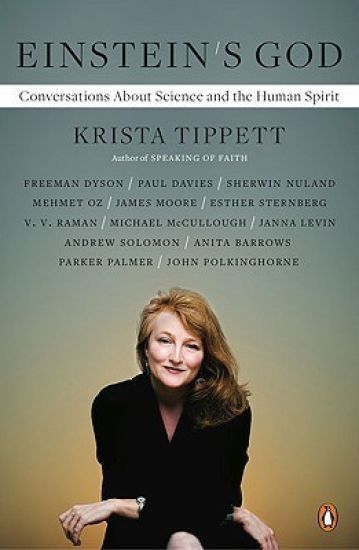
Einstein's God: Conversations about Science and the Human Spirit
A New York Times bestseller"An exhilirating exploration of the meaning of it all." --Robert Wright, author of The Evolution of God Drawn from Krista Tippett's Peabody Award-winning public radio program, the conversations in this profoundly illuminating book reach for a place too rarely explored in our ongoing exchange of ideas--the nexus of science and spirituality. In fascinating interviews with such luminaries as Freeman Dyson, Janna Levin, Parker Palmer, and John Polkinghorne, Krista Tippett draws out the connections between the two realms, showing how even those most wedded to hard truths find spiritual enlightenment in the life of experiment and, in turn, raise questions that are richly, theologically evocative. Whether she is speaking with celebrated surgeon and author Sherwin Nuland about the biology of the human spirit or questioning Drawin biographer James Moore about his subject's religious beliefs, Tippett offers a rare look at the way our best minds grapple with the questions for which we all seek answers.
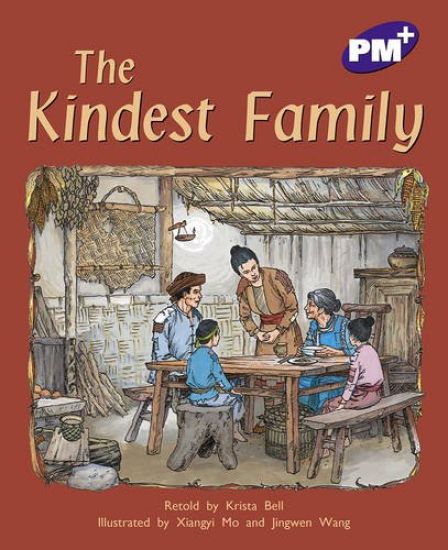
The Kindest Family

The Kindest Family

Krista Bell

Cengage Learning Australia
2001
nidottu
This is a retelling of a traditional tale from Veitnam. An old woman in ragged clothes arrives in the village. The tale centers upon the thoughtfulness shown towards her by a poor family.
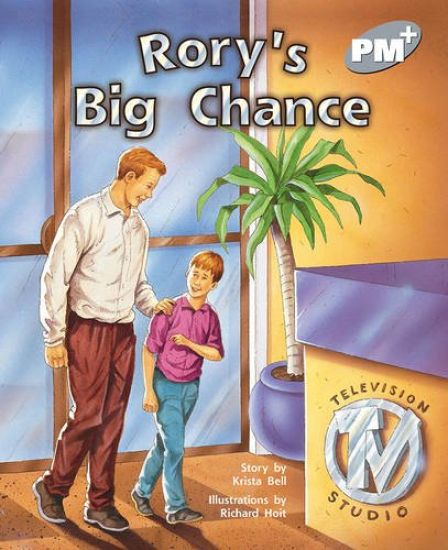
Rory's Big Chance

Rory's Big Chance

Krista Bell

Cengage Learning Australia
2001
nidottu
Rory loves to act in advertisements. Previously, he has been chosen to do small parts, but this is his chance to play a leading role. All goes well, until the day before filming, when Rory breaks his ankle!
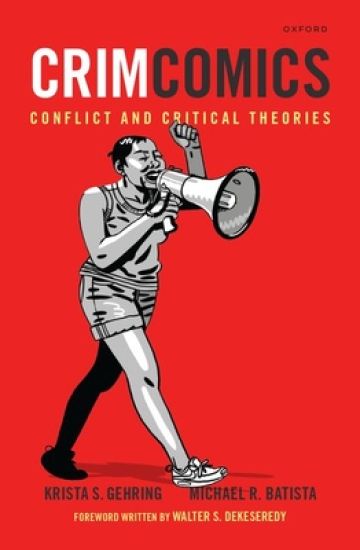
Crimcomics Issue 12: Conflict and Critical Theories

Crimcomics Issue 12: Conflict and Critical Theories

Krista S. Gehring; Michael R. Batista

Oxford University Press
2023
nidottu
CrimComics offers a new way to approach criminological theory by engaging students with impactful, highly visual illustrated texts. Each CrimComics Issue traces the development of the theory--placing it in social and political context--and demonstrates its application to the real world. The last page of each Issue features review questions and key terms.
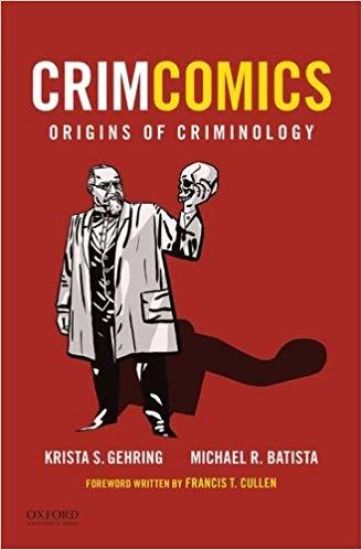
Crimcomics Issue 1: Origins of Criminology

Crimcomics Issue 1: Origins of Criminology

Krista S. Gehring; Michael R. Batista

Oxford University Press
2016
nidottu
CrimComics offers a new way to approach criminological theory by engaging students with impactful, highly visual illustrated texts. Each CrimComics Issue traces the development of the theory--placing it in social and political context--and demonstrates its application to the real world. The last page of each Issue features review questions and key terms. Issue 1, Origins of Criminology, introduces students to the two major schools of criminological thought: the Classical School and the Positivist School. This issue discusses the concepts developed by the major proponents of these schools: Cesare Beccaria, Jeremy Bentham, and Cesare Lombroso. Other issues include Issue 2: Biology and Criminality and Issue 3: Classical and Neoclassical Criminology.
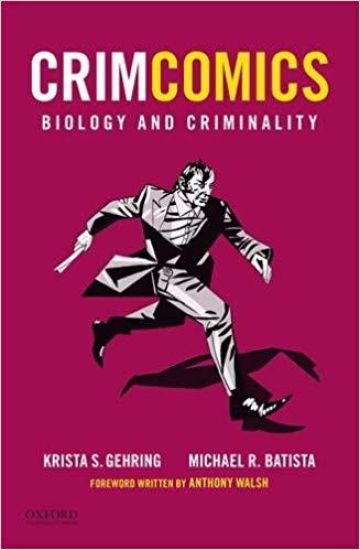
Crimcomics Issue 2: Biology and Criminality

Crimcomics Issue 2: Biology and Criminality

Krista S. Gehring; Michael R. Batista

Oxford University Press
2016
nidottu
CrimComics offers a new way to approach criminological theory by engaging students with impactful, highly visual illustrated texts. Each CrimComics Issue traces the development of the theory--placing it in social and political context--and demonstrates its application to the real world. The last page of each Issue features review questions and key terms. Issue 2, Biology and Criminology, introduces students to how biology has been used to explain criminal behavior. Part I of this issue traces early biological theories of crime and Part II discusses current biosocial approaches used to understand criminality. Other issues include Issue 1: Origins of Criminology and Issue 3: Classical and Neoclassical Criminology.
Crimcomics Issue 3: Classical and Neoclassical Criminology

Crimcomics Issue 3: Classical and Neoclassical Criminology

Krista S. Gehring; Michael R. Batista

Oxford University Press
2017
nidottu
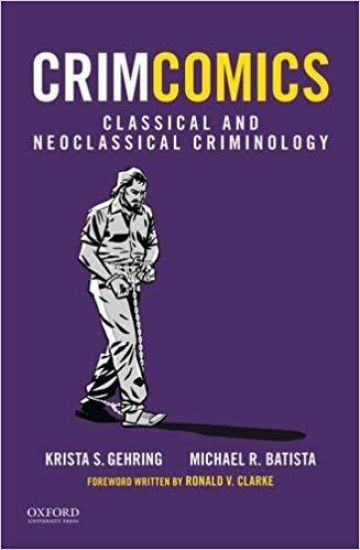
CrimComics offers a new way to approach criminological theory by engaging students with impactful, highly visual illustrated texts. Each CrimComics Issue traces the development of the theory--placing it in social and political context--and demonstrates its application to the real world. The last page of each Issue features review questions and key terms. Issue 3, Classical and Neoclassical Criminology, begins with introducing students to Cesare Beccaria and Jeremy Bentham, two of the main proponents of the Classical School of criminology. This issue then outlines changes in the United States that led to a resurgence of these ideas in the latter part of the twentieth century, which influenced the development of several neoclassical criminological theories. Other issues include Issue 1: Origins of Criminology and Issue 2: Biology and Criminality.
Crimcomics Issue 4: Social Disorganization Theory

Crimcomics Issue 4: Social Disorganization Theory

Krista S. Gehring; Michael R. Batista

Oxford University Press
2017
nidottu
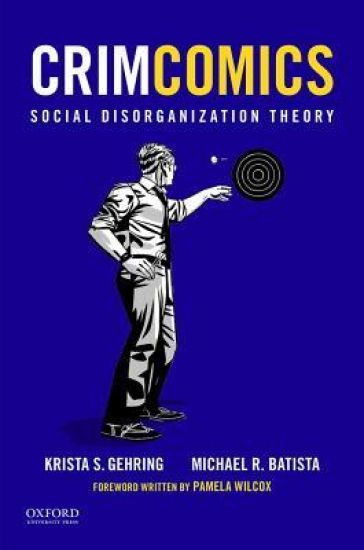
CrimComics offers a new way to approach criminological theory by engaging students with impactful, highly visual illustrated texts. Each CrimComics Issue traces the development of the theory--placing it in social and political context--and demonstrates its application to the real world. The last page of each Issue features review questions and key terms. Issue 4, Social Disorganization Theory, introduces students to sociological, community-based theories that analyze key aspects of neighborhood collectives like social disorganization, collective efficacy, and street culture in an effort to understand crime. Other issues include Issue 1: Origins of Criminology, Issue 2: Biology and Criminality, and Issue 3: Classical and Neoclassical Criminology.
Crimcomics Issue 5: Anomie and Strain Theories

Crimcomics Issue 5: Anomie and Strain Theories

Krista S. Gehring; Michael R. Batista

Oxford University Press
2018
nidottu
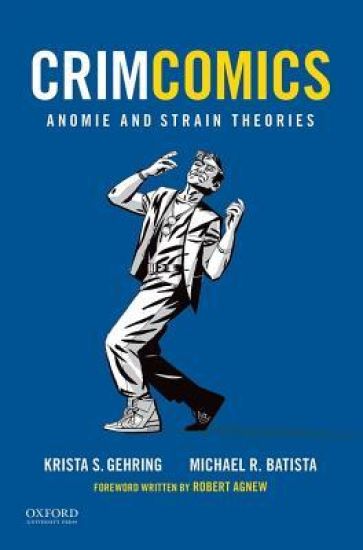
CrimComics offers a new way to approach criminological theory by engaging students with impactful, highly visual illustrated texts. Each CrimComics Issue traces the development of the theory--placing it in social and political context--and demonstrates its application to the real world. The last page of each Issue features review questions and key terms. Issue 5, Anomie and Strain Theories, introduces students to Robert Merton's Anomie Theory, which posits that the idea of the American dream is implicated in the social production of crime. It also discusses two extensions of his theory, General Strain Theory and Institutional-Anomie Theory. Other issues include Issue 1: Origins of Criminology, Issue 2: Biology and Criminality, Issue 3: Classical and Neoclassical Criminology, and Issue 4, Social Disorganization Theory.
Crimcomics Issue 6: Subcultural Theories

Crimcomics Issue 6: Subcultural Theories

Krista S. Gehring; Michael R. Batista

Oxford University Press
2018
nidottu
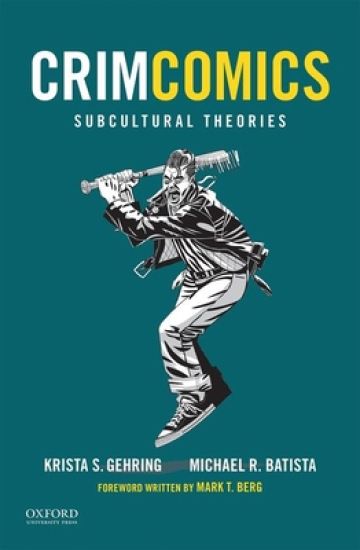
CrimComics offers a new way to approach criminological theory by engaging students with impactful, highly visual illustrated texts. Each CrimComics Issue traces the development of the theory--placing it in social and political context--and demonstrates its application to the real world. The last page of each Issue features review questions and key terms. Issue 6, Subcultural Theories, introduces students to theories that emerged after WWII that sought to explain delinquent subcultures found among lower-class youth, particularly juvenile gangs. Other issues include Issue 1: Origins of Criminology, Issue 2: Biology and Criminality, Issue 3: Classical and Neoclassical Criminology, Issue 4, Social Disorganization Theory, and Issue 5, Anomie and Strain Theories.
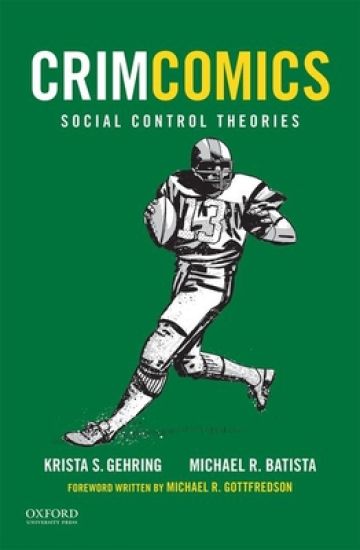
Crimcomics Issue 7: Social Control Theories

Crimcomics Issue 7: Social Control Theories

Krista S. Gehring; Michael R. Batista

Oxford University Press
2019
nidottu
CrimComics offers a new way to approach criminological theory by engaging students with impactful, highly visual illustrated texts. Each CrimComics Issue traces the development of the theory-placing it in social and political context-and demonstrates its application to the real world. The last page of each Issue features review questions and key terms. Issue 7, Social Control Theories, introduces students to Walter Reckless's containment theory and Gresham Syke's and David Matza's techniques of neutralization. It also discusses two major control perspectives: Travis Hirschi's social bond theory and Michael Gottfredson and Travis Hirschi's self-control theory.
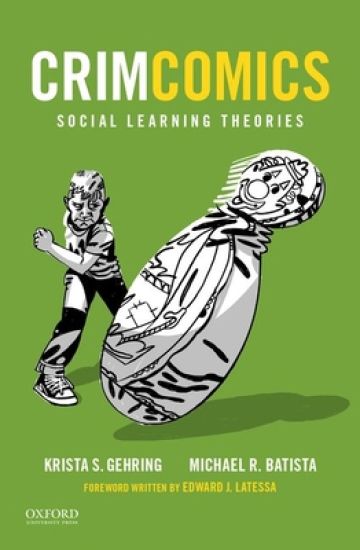
Crimcomics Issue 8: Social Learning Theories

Crimcomics Issue 8: Social Learning Theories

Krista S. Gehring; Michael R. Batista

Oxford University Press
2020
nidottu
CrimComics offers a new way to approach criminological theory by engaging students with impactful, highly visual illustrated texts. Each CrimComics Issue traces the development of the theory--placing it in social and political context--and demonstrates its application to the real world. The last page of each Issue features review questions and key terms. Issue 8: Social Learning Theories explores the development of social learning theories, including Edwin Sutherland's Differential Association Theory, Burgess and Akers's Differential Association-Reinforcement Theory, and Akers's Social Learning Theory.
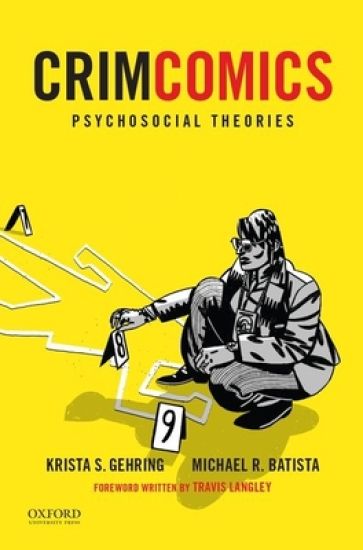
Crimcomics Issue 9: Psychosocial Theories

Crimcomics Issue 9: Psychosocial Theories

Krista S. Gehring; Michael R. Batista

Oxford University Press
2021
nidottu
CrimComics offers a new way to approach criminological theory by engaging students with impactful, highly visual illustrated texts. Each CrimComics Issue traces the development of the theory--placing it in social and political context--and demonstrates its application to the real world. The last page of each Issue features review questions and key terms. Using a fictional criminal investigation, Issue 9: Psychosocial Theories introduces the topics of IQ, personality, psychopathy, and mental illness and how they relate to criminal behavior.
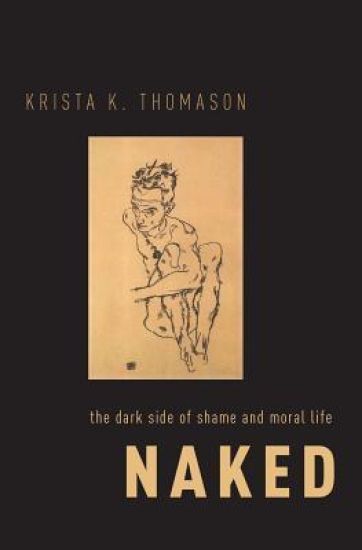
Naked

Naked

Krista K. Thomason

Oxford University Press Inc
2018
sidottu
We know shame can be a morally valuable emotion that helps us to realize when we fail to be the kinds of people we aspire to be. We feel shame when we fail to live up to the norms, standards, and ideals that we value as part of a virtuous life. But the lived reality of shame is far more complex and far darker than this -- the gut-level experience of shame that has little to do with failing to reach our ideals. We feel shame viscerally about nudity, sex, our bodies, and weaknesses or flaws that we can't control. Shame can cause self-destructive and violent behavior, and chronic shame can cause painful psychological damage. Is shame a valuable moral emotion, or would we be better off without it? In Naked, Krista K. Thomason takes a hard look at the reality of shame. The experience of it, she argues, involves a tension between identity and self-conception: namely, what causes me shame both overshadows me (my self-conception) and yet is me (my identity). We are liable to feelings of shame because we are not always who we take ourselves to be. Thomason extends her thought-provoking analysis to our current social and political landscape: shaming has increased dramatically because of the proliferation of social media platforms. And although these online shaming practices can be used in harmful ways, they can also root out those who express racist and sexist views, and enable marginalized groups to confront oppression. Is more and continued shaming therefore better, and is there moral promise in using shame in this way? Thomason grapples with these and numerous other questions. Her account of shame makes sense of its good and bad features, its numerous gradations and complexity, and ultimately of its essential place in our moral lives.
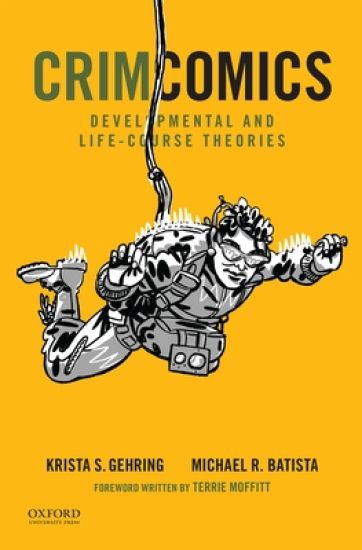
Crimcomics Issue 10: Developmental and Life-Course Theories

Crimcomics Issue 10: Developmental and Life-Course Theories

Krista S. Gehring

Oxford University Press
2021
nidottu
CrimComics offers a new way to approach criminological theory by engaging students with impactful, highly visual illustrated texts. Each CrimComics Issue traces the development of the theory--placing it in social and political context--and demonstrates its application to the real world. The last page of each Issue features review questions and key terms. This issue introduces students to developmental and life-course criminological theories, focusing on the works of Michael Gottfredson and Travis Hirschi, Robert Sampson and John Laub, and Terrie Moffitt. These theories focus on continuity and/or change in delinquent and criminal behavior by examining the onset, persistence, and desistence of offending.