
Kirjahaku
Etsi kirjoja tekijän nimen, kirjan nimen tai ISBN:n perusteella.
1000 tulosta hakusanalla Laurie J. Edwards

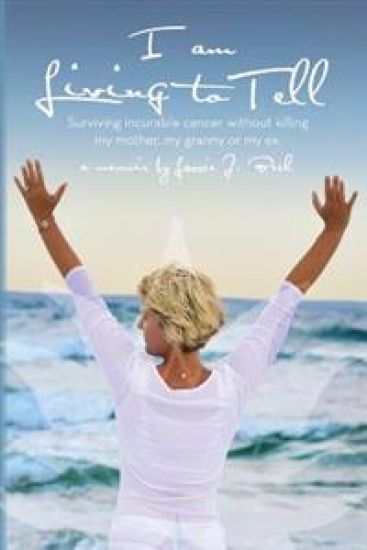
I am Living to Tell: Surviving an incurable cancer without killing my mother, my granny or my ex.
Laurie J. Beck
Createspace Independent Publishing Platform
2012
nidottu

Motivating Feedback: Getting The Most From Your Employees Without Tears
Laurie J. Leiker
Createspace Independent Publishing Platform
2012
nidottu
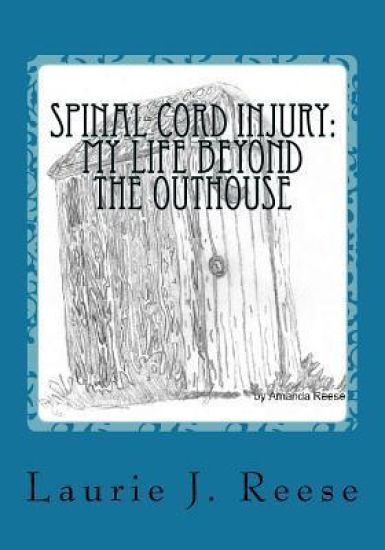
Spinal Cord Injury: My Life Beyond the Outhouse: The First Two Years
Laurie J. Reese
Createspace Independent Publishing Platform
2012
nidottu
I can hear the sirens, but where is the ambulance? Just how strong didI think I was? I cannot feel my legs, but I am too scared to look andsee if they can move. Pete is kneeling at my right side holding my handand reassuring me that I will walk again. Heather and Jessie are at myleft side holding my other hand. Mandy is inside the house tooterrified to face what had just happened. My head is spinning inconfusion. My completed manuscript titled "Spinal Cord Injury: My LifeBeyond the Outhouse" tells about a fateful autumn morning that wouldchange my life forever. It all started with journal entries I wrote when I was feeling sad ordiscouraged. Documenting my emotions seemed to help. The more I wrote, the easier it became to cope with the daily struggles and the easier itwas to talk about. I then thought maybe I could make things easier forothers by sharing what I've learned through my own experiences.I have been a medical secretary for five years and am currently workingfull time. I am a first time author who has spent over two yearsputting into words my journey as a paraplegic. The general guidelinefor a spinal cord injury is that the first two years are the mostcrucial for recovery; after two years the chances of recovery are muchlower. This is why I chose to focus on this timeframe for the book. Imyself did not regain any significant function, but I still hold on tothe hopes that there is something promising in the future and that thebody never stops trying to heal itself. In the meantime, I will live mylife to the fullest of my ability and share what I can to help others.
Frying Solo: Quick, Healthy Recipes For One
Laurie J. Leiker
Createspace Independent Publishing Platform
2012
nidottu
Recipes to Rave About: Outrageously Delicious Main Dishes for People on the RAVE Diet
Laurie J. Mauro
Createspace Independent Publishing Platform
2014
nidottu
The Personal and the Political in American Working-Class Literature, 1850–1939
Laurie J. C. Cella
Lexington Books
2019
sidottu
As working women invaded the public space of the factory in the nineteenth century, they challenged Victorian notions of female domesticity and chastity. With virtue at the forefront of discussions regarding working women, aspects of working-class women’s culture—fashion, fiction, and dance halls—become vivid signifiers for moral impropriety, and attempts to censure these activities become overt attempts to censure female sexuality in the workplace. The Personal and the Political in American Working-Class Literature, 1850–1939 argues that these informal and often ignored “trifles” of female community provided the building blocks for female solidarity in the workplace. While most critical approaches to working-class fiction emphasize female suffering rather than agency, this book argues that working women themselves viewed aspects of consumer culture and new avenues for courtship as extensions of their rights as breadwinners. The strike itself is an intense moment of political upheaval that lends itself to more extensive personal and sexual freedoms. Through its analysis of strike novels, this book provides a fuller picture of working-class women as they simultaneously navigate new identities as “working ladies” and enter the dramatic and sometimes violent world of labor activism. This book is recommended for scholars of literary studies, women’s studies, and US history.
Railroading in Ellis County
Laurie J Wilson; Peggy Holland Rankin
Arcadia Publishing Library Editions
2010
sidottu

Finding My Own Voice: A Story of Abuse, Addiction, and Freedom
Laurie J. Turner
Createspace Independent Publishing Platform
2016
nidottu
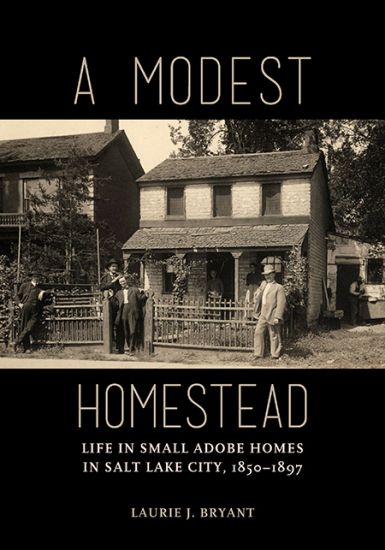
Stories of the ordinary people who helped build Salt Lake City emerge from a study of their often humble adobe houses. Rather than focusing on men and women in positions of power and influence, the emphasis here is on the lives of people who built their sturdy, simple homes from mud.A Modest Homestead provides architectural descriptions of ninety-four extant adobe houses. They are as basic as the people who built them—small tradesmen and farmers, laborers and domestics. Author Laurie Bryant discusses the neighbourhoods in Salt Lake City where adobe houses have survived, often much renovated and disguised, and she showcases the houses not just as they appear today but as they were originally built. Almost all the houses now have additions and improvements, and without some dissection they are not always recognisable, often being both more comfortable and pleasant than might have been the case in the nineteenth century. What emerges through Bryant’s research is an enlarged picture of the roughhewn life of many early Utahns. Includes 120 historic and contemporary photographs.