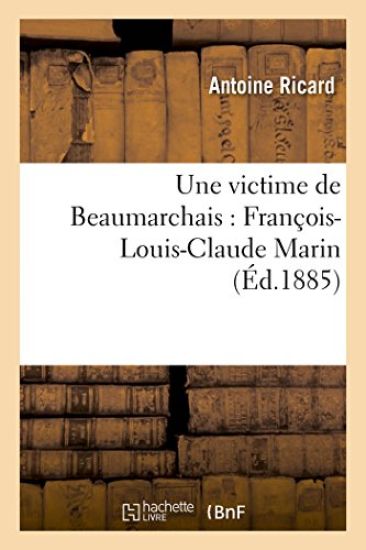
Voyage et aventures de Frondeabus, fils d'Herschell, dans la cinquieme partie du monde, ouvrage traduit de la langue herschellique, par L.-M. HenriquezDate de l'edition originale: 1800Ce livre est la reproduction fidele d'une oeuvre publiee avant 1920 et fait partie d'une collection de livres reimprimes a la demande editee par Hachette Livre, dans le cadre d'un partenariat avec la Bibliotheque nationale de France, offrant l'opportunite d'acceder a des ouvrages anciens et souvent rares issus des fonds patrimoniaux de la BnF.Les oeuvres faisant partie de cette collection ont ete numerisees par la BnF et sont presentes sur Gallica, sa bibliotheque numerique.En entreprenant de redonner vie a ces ouvrages au travers d'une collection de livres reimprimes a la demande, nous leur donnons la possibilite de rencontrer un public elargi et participons a la transmission de connaissances et de savoirs parfois difficilement accessibles.Nous avons cherche a concilier la reproduction fidele d'un livre ancien a partir de sa version numerisee avec le souci d'un confort de lecture optimal. Nous esperons que les ouvrages de cette nouvelle collection vous apporteront entiere satisfaction.Pour plus d'informations, rendez-vous sur www.hachettebnf.fr
Oriental Magic is a book written by Sayed Idries Shah, which explores the mystical traditions and practices of the East. The book delves into the history of magic and mysticism in the East, including the ancient practices of Egypt, Persia, and India. It also explores the influence of Sufism and other mystical traditions on the development of Eastern magic.The book covers a wide range of topics related to magic, including divination, talismans, amulets, and spells. It also explores the role of magic in healing, protection, and spiritual development. The author draws on a wide range of sources, including ancient texts, folk traditions, and personal experiences, to provide a comprehensive overview of Oriental magic.Throughout the book, the author emphasizes the importance of understanding the cultural and historical context of magical practices, and the need for caution and discernment when engaging in magical activities. He also explores the relationship between magic and religion, and the ways in which mystical traditions have influenced both.Overall, Oriental Magic is a fascinating exploration of Eastern magical traditions, offering insights and perspectives that are both informative and thought-provoking. The book is accessible to readers of all levels, from those with a casual interest in magic to serious students of mysticism and spirituality.This scarce antiquarian book is a facsimile reprint of the old original and may contain some imperfections such as library marks and notations. Because we believe this work is culturally important, we have made it available as part of our commitment for protecting, preserving, and promoting the world's literature in affordable, high quality, modern editions, that are true to their original work.
First published in 1975, this is a book of general intellectual interest about the role of the university in contemporary society and that of university teachers in relation to their subjects, their students, and their wider political commitments. Alan Montefiore offers preliminary analyses of the family of concepts most often invoked in discussions of these problems, taking the central dispute to be between those who hold a 'liberal' view of the university and those who regard this notion as illusory, dishonest or undesirable. Six academics, representing, discuss issues of substantive conflict in light of Montefiore's initial distinctions. The volume is of particular interest to students of political and social philosophy, and political and educational theory. It is also intended for a wider readership among those who care about the political status of the universities and recognize the importance and difficulty of the problems involved in this.
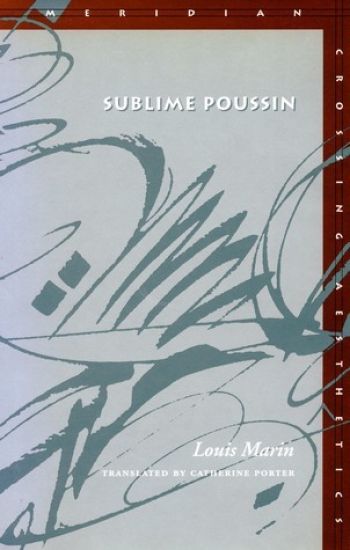
"Art history and art theory are inseparable. A history of art can be achieved only through the simultaneous construction of a theory of art." These words of the eminent scholar and critic Louis Marin suggest why he considered the paintings and the writings of Nicolas Poussin (1594-1665), painter and theoretician of painting, an enduring source of inspiration. Poussin was the artist to whom Marin returned most faithfully over the years. Since Marin did not live to write his proposed book on Poussin, the ten major essays in this volume will remain his definitive statement on the painter who inspired his most eloquent and probing commentary. At the center of Marins inquiry into Poussins art are the theory and practice of "reading" paintings. Rather than explicate Poussins work through systematic textual and iconographic analysis, he sets out to explore a cluster of speculative questions about the meaning of pictorial art: Can painting be a discourse? If so, how can that discourse be deciphered? Marins horizon for interpreting Poussin depends more on the concepts of aesthetic philosophy and the insights of cultural history than on an account of the painters career or his relationship with his artistic predecessors. For example, he positions several of Poussins best-known landscapes with respect both to French seventeenth-century debates on the question of the sublime and to the philosophical tradition of reflection on the sublime. Among the topics Marin studies are the tempest as a major figure of the sublime in Poussins work, the presence of ruins in the paintings, Poussins use of the concept of metamorphosis, and the frequent presence of sleeping bodies in the work. The Poussin who emerges in these essays is preeminently a philosopher-artist whose painterly discourse embodies the limits of thought and of representation.
"Art history and art theory are inseparable. A history of art can be achieved only through the simultaneous construction of a theory of art." These words of the eminent scholar and critic Louis Marin suggest why he considered the paintings and the writings of Nicolas Poussin (1594-1665), painter and theoretician of painting, an enduring source of inspiration. Poussin was the artist to whom Marin returned most faithfully over the years. Since Marin did not live to write his proposed book on Poussin, the ten major essays in this volume will remain his definitive statement on the painter who inspired his most eloquent and probing commentary. At the center of Marins inquiry into Poussins art are the theory and practice of "reading" paintings. Rather than explicate Poussins work through systematic textual and iconographic analysis, he sets out to explore a cluster of speculative questions about the meaning of pictorial art: Can painting be a discourse? If so, how can that discourse be deciphered? Marins horizon for interpreting Poussin depends more on the concepts of aesthetic philosophy and the insights of cultural history than on an account of the painters career or his relationship with his artistic predecessors. For example, he positions several of Poussins best-known landscapes with respect both to French seventeenth-century debates on the question of the sublime and to the philosophical tradition of reflection on the sublime. Among the topics Marin studies are the tempest as a major figure of the sublime in Poussins work, the presence of ruins in the paintings, Poussins use of the concept of metamorphosis, and the frequent presence of sleeping bodies in the work. The Poussin who emerges in these essays is preeminently a philosopher-artist whose painterly discourse embodies the limits of thought and of representation.