Volume I of a two-volume scholarly edition of the Meditations of the Emperor Marcus Antoninus by A.S.L. Farquharson. The edition presents an authoritative text, together with a translation, an introduction, commentary notes, and scholarly apparatus.
Volume II of a two-volume scholarly edition of the Meditations of the Emperor Marcus Antoninus by A.S.L. Farquharson. The edition presents an authoritative text, together with a translation, an introduction, commentary notes, and scholarly apparatus.
Besides his renowned prosecution of Gaius Verres, Cicero also appeared as defence counsel in a number of cases in which former governors were accused of misconduct in the provinces. This volume unites two such defences, both incompletely preserved, from an early phase of Cicero's career (ca. 69 BC) and from his maturity (54 BC). The first speech is on behalf of Marcus Fonteius. Fonteius was governor of Transalpine Gaul probably from 74 to 72 BC, a time when the Romans were consolidating their control of that province and simultaneously fighting a bitter war with rebels under Sertorius in the Iberian Peninsula. Cicero defends Fonteius with the argument that his measures, though severe, were in the state interest. The second speech is on behalf of Marcus Aemilius Scaurus, governor of Sardinia in 55, whose charges included not only peculation but also cruelty and hounding a woman to suicide through his unwanted attentions. In both cases Cicero seeks to stir Roman prejudice against the foreign witnesses testifying for the prosecution. The outcome of Fonteius' case is not clear from surviving evidence, but Scaurus was acquitted, only to be condemned and exiled on charges of corrupt electoral practices three years later. Dyck's volume provides a general introduction on the Roman extortion court and, for each speech, an introduction, English translation, and the first detailed commentary in English.
Besides his renowned prosecution of Gaius Verres, Cicero also appeared as defence counsel in a number of cases in which former governors were accused of misconduct in the provinces. This volume unites two such defences, both incompletely preserved, from an early phase of Cicero's career (ca. 69 BC) and from his maturity (54 BC). The first speech is on behalf of Marcus Fonteius. Fonteius was governor of Transalpine Gaul probably from 74 to 72 BC, a time when the Romans were consolidating their control of that province and simultaneously fighting a bitter war with rebels under Sertorius in the Iberian Peninsula. Cicero defends Fonteius with the argument that his measures, though severe, were in the state interest. The second speech is on behalf of Marcus Aemilius Scaurus, governor of Sardinia in 55, whose charges included not only peculation but also cruelty and hounding a woman to suicide through his unwanted attentions. In both cases Cicero seeks to stir Roman prejudice against the foreign witnesses testifying for the prosecution. The outcome of Fonteius' case is not clear from surviving evidence, but Scaurus was acquitted, only to be condemned and exiled on charges of corrupt electoral practices three years later. Dyck's volume provides a general introduction on the Roman extortion court and, for each speech, an introduction, English translation, and the first detailed commentary in English.
Christopher Gill provides a new translation and commentary on the first half of Marcus Aurelius' Meditations, and a full introduction to the Meditations as a whole. The Meditations constitute a unique and remarkable work, a reflective diary or notebook by a Roman emperor, that is based on Stoic philosophy but presented in a highly distinctive way. Gill focuses on the philosophical content of the work, especially the question of how far it is consistent with Stoic theory as we know this from other sources. He argues that the Meditations are largely consistent with Stoic theory--more than has been often supposed. The work draws closely on core themes in Stoic ethics and also reflects Stoic thinking on the links between ethics and psychology or the study of nature. To make sense of the Meditations, it is crucial to take into account its overall aim, which seems to be to help Marcus himself take forward his own ethical development by creating occasions for reflection on key Stoic themes that can help to guide his life. This new edition will help students and scholars of ancient philosophy make sense of a work whose intellectual content and status have often been found puzzling. Along with volumes in the Clarendon Later Ancient Philosophers series on Epictetus and Seneca, it will help to chart the history of Stoic philosophy in the first and second century AD. The translation is designed to be accessible to modern readers and all Greek and Latin are translated in the introduction and commentary.
In 1815 a manuscript containing one of the long-lost treasures of antiquity was discovered—the letters of Marcus Cornelius Fronto, reputed to have been one of the greatest Roman orators. But this find disappointed many nineteenth-century readers, who had hoped for the letters to convey all of the political drama of Cicero’s. That the collection included passionate love letters between Fronto and the future emperor Marcus Aurelius was politely ignored—or concealed. And for almost two hundred years these letters have lain hidden in plain sight.Marcus Aurelius in Love rescues these letters from obscurity and returns them to the public eye. The story of Marcus and Fronto began in 139 CE, when Fronto was selected to instruct Marcus in rhetoric. Marcus was eighteen then and by all appearances the pupil and teacher fell in love. Spanning the years in which the relationship flowered and died, these are the only love letters to survive from antiquity—homoerotic or otherwise. With a translation that reproduces the effusive, slangy style of the young prince and the rhetorical flourishes of his master, the letters between Marcus and Fronto will rightfully be reconsidered as key documents in the study of the history of sexuality and classics.
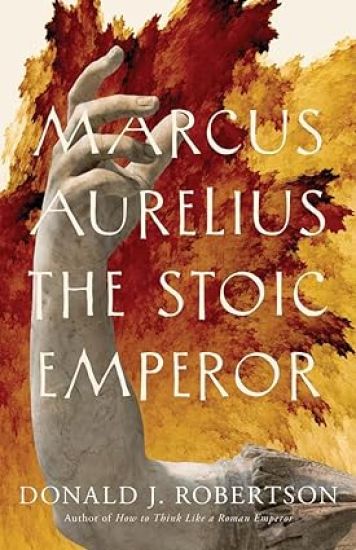
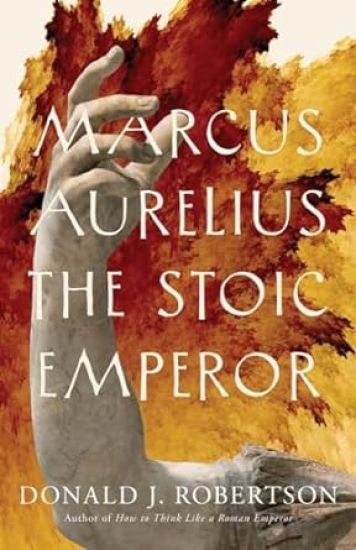
Experience the world of Roman emperor Marcus Aurelius and the tremendous challenges he faced and overcame with the help of Stoic philosophy “[Robertson] thoughtfully and readably capture[s] the essence of this great man and his great life. It’s a must read for any aspiring Stoic.”—Ryan Holiday, #1 New York Times bestselling author of The Daily Stoic This novel biography brings Marcus Aurelius (121–180 CE) to life for a new generation of readers by exploring the emperor’s fascinating psychological journey. Donald J. Robertson examines Marcus’s relationships with key figures in his life, such as his mother, Domitia Lucilla, and the emperor Hadrian, as well as his Stoic tutors. He draws extensively on Marcus’s own Meditations and correspondence, and he examines the emperor’s actions as detailed in the Augustan History and other ancient texts. Marcus Aurelius struggled to reconcile his philosophy and moral values with the political pressures he faced as emperor at the height of Roman power. Robertson examines Marcus’s attitude toward slavery and the moral dilemma posed by capturing enemies in warfare; his attitude toward women; the role of Stoicism in shaping his response to the threat of civil war; the treatment of Christians under his rule; and the naming of his notorious son Commodus as his successor. Throughout, the Meditations is used to shed light on the mind of the emperor—his character, values, and motives—as Robertson skillfully weaves together Marcus’s inner journey as a philosopher with the outer events of his life as a Roman emperor.
Experience the world of Roman emperor Marcus Aurelius and the tremendous challenges he faced and overcame with the help of Stoic philosophy “[Robertson] thoughtfully and readably capture[s] the essence of this great man and his great life. It’s a must read for any aspiring Stoic.”—Ryan Holiday, #1 New York Times bestselling author of The Daily Stoic This novel biography brings Marcus Aurelius (121–180 CE) to life for a new generation of readers by exploring the emperor’s fascinating psychological journey. Donald J. Robertson examines Marcus’s relationships with key figures in his life, such as his mother, Domitia Lucilla, and the emperor Hadrian, as well as his Stoic tutors. He draws extensively on Marcus’s own Meditations and correspondence, and he examines the emperor’s actions as detailed in the Augustan History and other ancient texts. Marcus Aurelius struggled to reconcile his philosophy and moral values with the political pressures he faced as emperor at the height of Roman power. Robertson examines Marcus’s attitude toward slavery and the moral dilemma posed by capturing enemies in warfare; his attitude toward women; the role of Stoicism in shaping his response to the threat of civil war; the treatment of Christians under his rule; and the naming of his notorious son Commodus as his successor. Throughout, the Meditations is used to shed light on the mind of the emperor—his character, values, and motives—as Robertson skillfully weaves together Marcus’s inner journey as a philosopher with the outer events of his life as a Roman emperor.
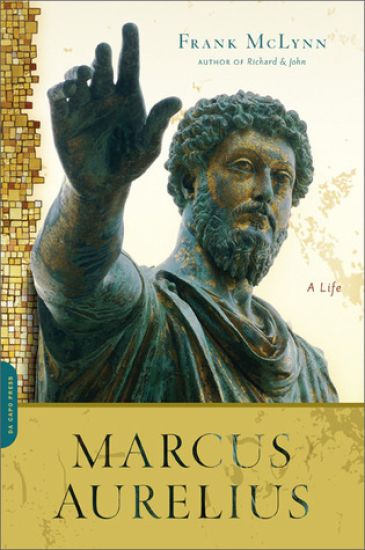
Marcus Aurelius (121-180 AD) is one of the great figures of antiquity whose life and words still speak to us today. His Meditations remains one of the most widely read books from the classical world, and his life represents the fulfillment of Plato's famous dictum that mankind will prosper only when philosophers are rulers. Based on all available original sources, Marcus Aurelius is the definitive biography to date of this monumental historical figure.
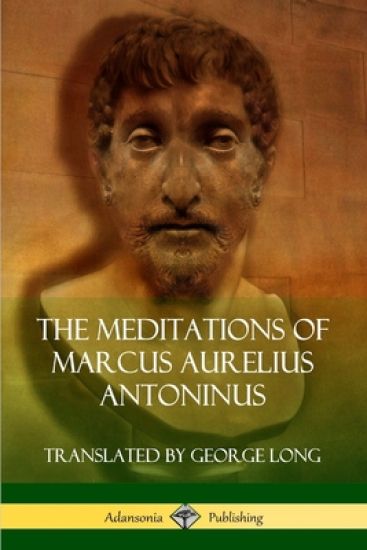
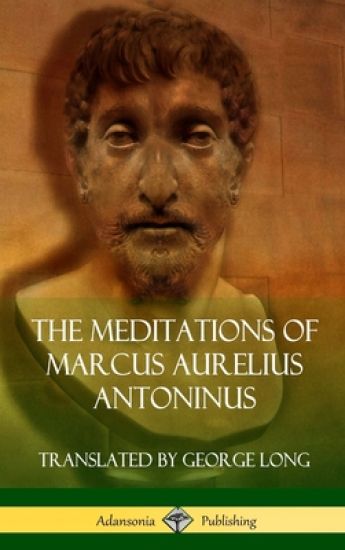
The philosophical thoughts of Emperor Marcus Aurelius are presented here in a superb reprint, brimming with the intellect and sincerity of the author.Known for his tolerance and benevolence, Marcus Aurelius was the only Emperor to tolerate satire of his own character. As a ruler he was renowned for sound judgment, respected for both his military successes and for his wise, measured governance. Such deeds were derived from his education; a lifelong admirer of the Greek philosophers, Aurelius developed his own, unique interpretation of Stoicism which is encapsulated in this text.Though Aurelius was the final of the `Five Good Emperors', the precepts of his Meditations would be consulted by rulers - Roman and otherwise - for millennia to follow. While Rome experienced decline and chaos, its historians and scholars remembered Marcus Aurelius as a pinnacle of competence.
The philosophical thoughts of Emperor Marcus Aurelius are presented here in a superb reprint, brimming with the intellect and sincerity of the author.Known for his tolerance and benevolence, Marcus Aurelius was the only Emperor to tolerate satire of his own character. As a ruler he was renowned for sound judgment, respected for both his military successes and for his wise, measured governance. Such deeds were derived from his education; a lifelong admirer of the Greek philosophers, Aurelius developed his own, unique interpretation of Stoicism which is encapsulated in this text.Though Aurelius was the final of the `Five Good Emperors', the precepts of his Meditations would be consulted by rulers - Roman and otherwise - for millennia to follow. While Rome experienced decline and chaos, its historians and scholars remembered Marcus Aurelius as a pinnacle of competence.
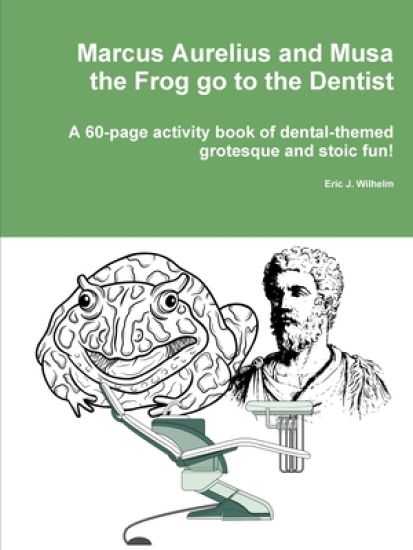
Marcus Aurelius was an emperor of Rome and a Stoic. Musa the Devil Frog is a giant amphibian who will eat anything. They are friends, and together go on adventures. In this activity book, they travel to the dentist for checkups. Marcus has good dental hygiene. Musa isn't sure what a dentist is or does, or if he even has teeth. What wisdom will Marcus share? How much will Musa eat?Help them by solving puzzles, coloring pictures, creating stories, drawing huge Musa-sized meals, and finding strength by realizing you have power over your mind - not outside events!60 pages of coloring, mazes, Sudoku puzzles, word searches, and other puzzles along with open-ended drawing, story-telling, and other creative activities inspire young stoics of all ages to have fun (and maybe occupy them while waiting for the dentist).
In this new study, John Sellars offers a fresh examination of Marcus Aurelius’ Meditations as a work of philosophy by placing it against the background of the tradition of Stoic philosophy to which Marcus was committed. The Meditations of Marcus Aurelius is a perennial bestseller, attracting countless readers drawn to its unique mix of philosophical reflection and practical advice. The emperor is usually placed alongside Seneca and Epictetus as one of three great Roman Stoic authors, but he wears his philosophy lightly, not feeling the need to state explicitly the ideas standing behind the reflections that he was writing for himself. As a consequence, his standing as a philosopher has often been questioned. Challenging claims that Marcus Aurelius was merely an eclectic thinker, that the Meditations do not fit the model of a work of philosophy, that there are no arguments in the work, and that it only contains superficial moral advice, Sellars shows that he was in constant dialogue with his Stoic predecessors, engaging with themes drawn from all three parts of Stoicism: logic, physics, and ethics. The image of Marcus Aurelius that emerges is of a committed Stoic, engaging with a wide range of philosophical topics, motivated by the desire to live a good life. This volume will be of interest to scholars and students of both Classics and Philosophy.
In this new study, John Sellars offers a fresh examination of Marcus Aurelius’ Meditations as a work of philosophy by placing it against the background of the tradition of Stoic philosophy to which Marcus was committed. The Meditations of Marcus Aurelius is a perennial bestseller, attracting countless readers drawn to its unique mix of philosophical reflection and practical advice. The emperor is usually placed alongside Seneca and Epictetus as one of three great Roman Stoic authors, but he wears his philosophy lightly, not feeling the need to state explicitly the ideas standing behind the reflections that he was writing for himself. As a consequence, his standing as a philosopher has often been questioned. Challenging claims that Marcus Aurelius was merely an eclectic thinker, that the Meditations do not fit the model of a work of philosophy, that there are no arguments in the work, and that it only contains superficial moral advice, Sellars shows that he was in constant dialogue with his Stoic predecessors, engaging with themes drawn from all three parts of Stoicism: logic, physics, and ethics. The image of Marcus Aurelius that emerges is of a committed Stoic, engaging with a wide range of philosophical topics, motivated by the desire to live a good life. This volume will be of interest to scholars and students of both Classics and Philosophy.
The regular dogs at the farmers market are appalled by the behavior of Marcus, a new dog at the market. Marcus doesn't appear to have a regular home, he doesn't have humans taking care of him, nor any idea about the rules for dogs at the market. He is a little dog with a big attitude. But the more Marcus reappears at the market, the better understanding the other farmers market dogs have about his life. He isn't a pampered pooch. He is a survivor of the perilous life of a dog without a regular home. Young readers and adults will learn about diversity, inclusion and acceptance of our differences. Enjoy the sights, sounds and aromas with Marcus, the Magnificent Margo and the other farmers market dogs.
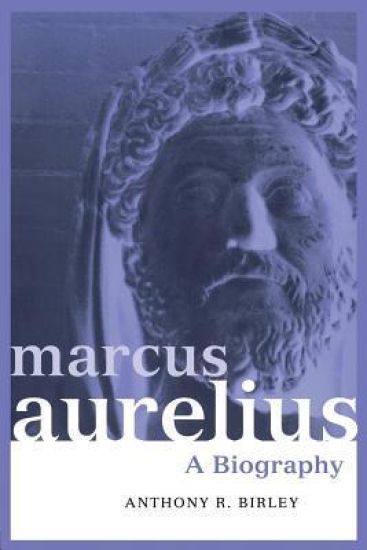
Marcus Aurelius, the philosopher-emperor who ruled the Roman Empire between AD 161 and 180, is one of the best recorded individuals from antiquity. Even his face became more than usually familiar: the imperial coinage displayed his portrait for over 40 years, from the clean-shaven young heir of Antonius to the war-weary, heavily bearded ruler who died at his post in his late fifties.His correspondence with his tutor Fronto, and even more the private notebook he kept for his last ten years, the Meditations, provides a unique series of vivid and revealing glimpses into the character and peoccupations of this emporer who spent many years in terrible wars against northern tribes.In this accessible and scholarly study, Professor Birley paints a portrait of an emporer who was human and just - an embodiment of the pagan virtues of Rome.
For two decades, Marcus Samuelsson has captivated food lovers with his brilliant culinary interpretations. Born in Ethiopia, raised in Sweden, and trained in European kitchens, he is a world citizen turned American success story. Not only was Samuelsson the youngest chef ever to receive three stars from the New York Times, he is also a five-time James Beard Award recipient, a winner of Top Chef Masters, and a judge on Chopped. Chosen by President Obama to cook the first state dinner, he is now a charismatic TV host. In this book, the chef who former President Bill Clinton says "has reinvigorated and reimagined what it means to be American" serves up the dishes he makes at his Harlem home for his wife and friends. The recipes blend a rainbow of the flavours he experienced in his travels - Ethiopian, Swedish, Mexican, Caribbean, Italian, and Southern soul. His eclectic, casual food includes dill-spiced salmon; coconut-lime curried chicken; mac, cheese, and greens; chocolate pie spiced with Indian garam masala; and for kids, peanut noodles with slaw. This is an inside glimpse into how one of the world's top chefs cooks in his home kitchen for those nearest and dearest to him.
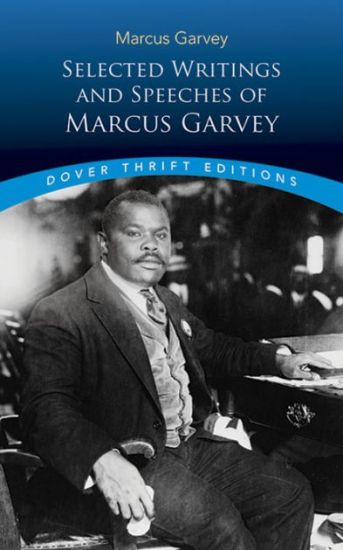
A controversial figure in the history of race relations around the world, Marcus Garvey amazed his enemies as much as he dazzled his admirers. This anthology contains some of the African-American rights advocate's most noted writings and speeches, including "Declaration of the Rights of the Negro Peoples of the World" and "Africa for the Africans."