""A Study of Judgment: A Factoring Analysis of the Anchoring Effects"" by Patrick J. Frawley is a book that delves into the psychological phenomenon of anchoring effects in decision-making. Anchoring refers to the tendency of people to rely heavily on the first piece of information they receive when making a decision, even if it is irrelevant or arbitrary. Frawley uses a factoring analysis to examine the different factors that influence anchoring effects, including the context in which the information is presented, the individual's cognitive processes, and the social and cultural factors that shape their decision-making. The book presents a comprehensive overview of the research on anchoring effects and provides practical insights for individuals and organizations looking to make better decisions. It is a valuable resource for psychologists, behavioral economists, and anyone interested in understanding the complex factors that shape human judgment.Studies In Psychology And Psychiatry. Catholic University Of America, Volume 7, Number 5, June, 1948.This scarce antiquarian book is a facsimile reprint of the old original and may contain some imperfections such as library marks and notations. Because we believe this work is culturally important, we have made it available as part of our commitment for protecting, preserving, and promoting the world's literature in affordable, high quality, modern editions, that are true to their original work.
The Epistle of James lies on a wisdom trajectory that extends from the Old Testament through to the New. It is among the earliest of the New Testament writings, providing valuable insight into the process of transmission of the sayings of Jesus. By examining textual similarities between James and the early Jesus traditions, such as Q, QMt and QLk, Hartin argues that the Epistle of James is an independent witness to the existence of the Q source, as well as to the way in which this source developed within the Matthaean community which produced QMt.
Jerusalem is currently the capital of Israel, although many do not recognize this city as Israel's capital. It is the holiest city in Israel and considered the third holiest city of Islam. There is such a deep history with many Biblical facts. Why do we want to explain this through the Bible? The main reason is that this is a spiritual city. Ask anyone whether Christian, Jew, or Muslim All would agree that this is not only a spiritual city, but more than that; it is an epicenter for all in this world and also in the next. The name Jerusalem means "Founded Peaceful". How ironic is that since peace is one thing that this city or territory is not having. But peace is the prophetic end to this city. Actually when the name of this city is broken down, it means (Jeruel); "Founded of God" or better yet established by God, and Salem meaning Peace.
ADHD & ADD in the Criminal Justice System. This is a must read for Police, Jail staff, Judges, Prosecutors, Defense Attorneys, Probation Officers. Prison Staff and Parole Boards and Parole Officers.
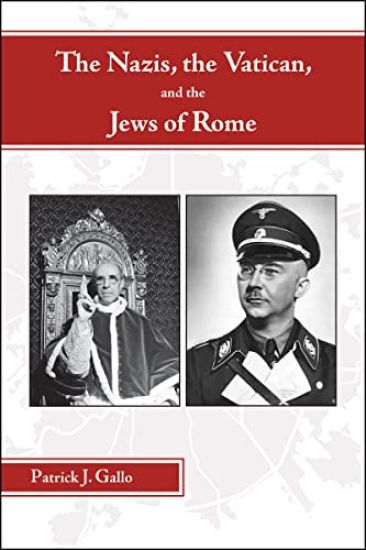
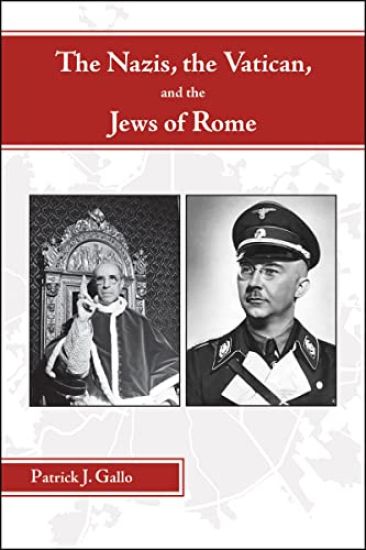
On October 16, 1943, the Jews of Rome were targeted for arrest and deportation. The Nazis, the Vatican, and the Jews of Rome examines why—and more importantly how—it could have been avoided, featuring new evidence and insight into the Vatican's involvement. At the time, Rome was within reach of the Allies, but the overwhelming force of the Wehrmacht, Gestapo, and SS in Rome precluded direct confrontation. Moral condemnations would not have worked, nor would direct confrontation by the Italians, Jewish leadership, or even the Vatican. Gallo underscores the necessity of determining what courses of actions most likely would have spared Italian Jews from the gas chambers. Examining the historical context and avoiding normative or counterfactual assertions, this book draws upon archival sources ranging from diaries to intelligence intercepts in English, Italian, and German. With antisemitism on the rise today and the last remaining witnesses passing away, it is essential to understand what happened in 1943. The Nazis, the Vatican, and the Jews of Rome grapples with this particular, awful episode within the larger, horrifying story of the Holocaust. Despite the inadequacy of memory, we must continue to attempt to make sense of the inexplicable.
On October 16, 1943, the Jews of Rome were targeted for arrest and deportation. The Nazis, the Vatican, and the Jews of Rome examines why—and more importantly how—it could have been avoided, featuring new evidence and insight into the Vatican's involvement. At the time, Rome was within reach of the Allies, but the overwhelming force of the Wehrmacht, Gestapo, and SS in Rome precluded direct confrontation. Moral condemnations would not have worked, nor would direct confrontation by the Italians, Jewish leadership, or even the Vatican. Gallo underscores the necessity of determining what courses of actions most likely would have spared Italian Jews from the gas chambers. Examining the historical context and avoiding normative or counterfactual assertions, this book draws upon archival sources ranging from diaries to intelligence intercepts in English, Italian, and German. With antisemitism on the rise today and the last remaining witnesses passing away, it is essential to understand what happened in 1943. The Nazis, the Vatican, and the Jews of Rome grapples with this particular, awful episode within the larger, horrifying story of the Holocaust. Despite the inadequacy of memory, we must continue to attempt to make sense of the inexplicable.
enters joysilencethe clock softly tickingsunflowers following the yellow arcI stand immersed my life beatingblood rushinglungs fillingI harvest tomatoes, squash, lettuce, zucchiniexperience the joy of sunshinewatering the plants I startedfrom tiny seedsas darkness comes earliereach nightI love the way it feelsso alive even when asleep
On a warm November evening in 1892, a Mrs Spink and Mrs Underwood, two residents of the Melbourne suburb of Hawthorne, were making their way home. As they proceeded down Manningtree Road, one of the ladies spotted a parcel lying in the middle of the footpath.Curiosity getting the better of them, they opened the hessian-cloth bag, and were horrified to discover two severed human legs. It was then that they noticed the note pinned to the outside of the bag... "Lot #1 - J. Ripper." Police investigations into the origins of the ghastly parcel gained little traction. Then, several days later, another parcel was discovered several miles away in Fawkner Park, South Yarra. This one contained a pair of arms, ascertained by the police to be from the same body as the previously discovered limbs. In 1898 and 1906, there were two more unsolved dismemberment murders in South Melbourne. Curiously, during the late 19th and early 20th centuries, with only one exception, these were the only unsolved dismemberment murders in the entire country, all occurring in one relatively small area of the same city. Three similar, ghastly, unsolved murders, all occurring in the same place, over a relatively short period of time, the like of which have not been seen in Australia since. What was going on in the southern suburbs of Melbourne...?