Kirjahaku
Etsi kirjoja tekijän nimen, kirjan nimen tai ISBN:n perusteella.
1000 tulosta hakusanalla Robin L Rask
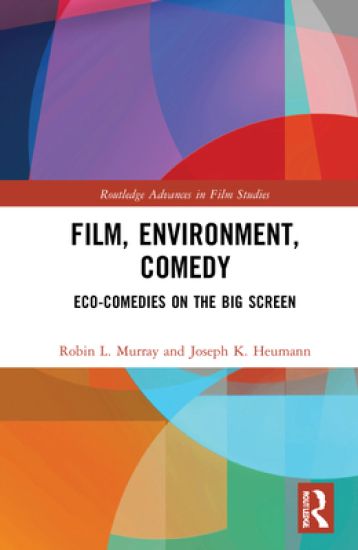
This book explores the transformative power of comedy to help connect a wider audience to films that explore environmental concerns and issues. This book offers a space in which to explore the complex ways environmental comedies present their eco-arguments. With an organizational structure that reveals the evolution of both eco-comedy films and theoretical approaches, this book project aims to fill a gap in ecocinema scholarship. It does so by exploring three sections arranged to highlight the breadth of eco-comedy: I. Comic Genres and the Green World: Pastoral, Anti-Pastoral, and Post-Pastoral Visions; II. Laughter, Eco-Heroes, and Evolutionary Narratives of Consumption; and III. Environmental Nostalgia, Fuel, and the Carnivalesque. Examining everything from Hollywood classics, Oscar winners, and animation to independent and international films, Murray and Heumann exemplify how the use of comedy can expose and amplify environmental issues to a wider audience than more traditional ecocinema genres and can help provide a path towards positive action and change.Ideal for students and scholars of film studies, ecocriticism, and environmental studies, especially those with a particular interest in ecocinema and/or ecocritical readings of popular films.
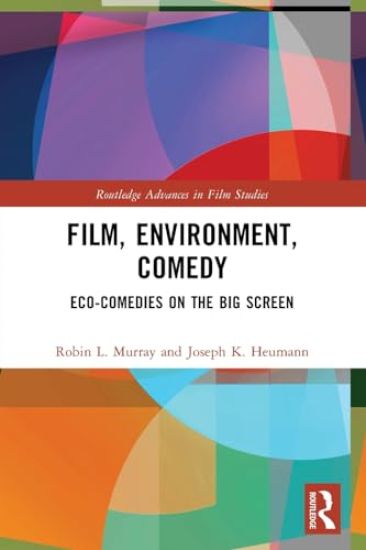
This book explores the transformative power of comedy to help connect a wider audience to films that explore environmental concerns and issues. This book offers a space in which to explore the complex ways environmental comedies present their eco-arguments. With an organizational structure that reveals the evolution of both eco-comedy films and theoretical approaches, this book project aims to fill a gap in ecocinema scholarship. It does so by exploring three sections arranged to highlight the breadth of eco-comedy: I. Comic Genres and the Green World: Pastoral, Anti-Pastoral, and Post-Pastoral Visions; II. Laughter, Eco-Heroes, and Evolutionary Narratives of Consumption; and III. Environmental Nostalgia, Fuel, and the Carnivalesque. Examining everything from Hollywood classics, Oscar winners, and animation to independent and international films, Murray and Heumann exemplify how the use of comedy can expose and amplify environmental issues to a wider audience than more traditional ecocinema genres and can help provide a path towards positive action and change.Ideal for students and scholars of film studies, ecocriticism, and environmental studies, especially those with a particular interest in ecocinema and/or ecocritical readings of popular films.
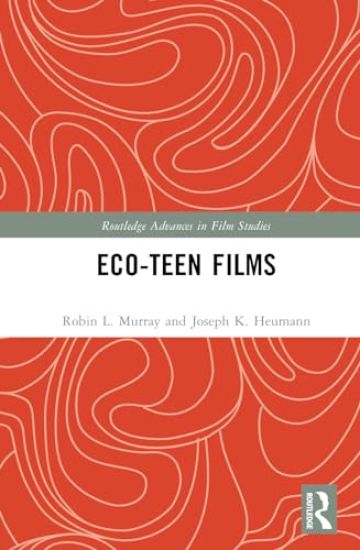
Illuminating the impacts of environmental disasters and climate crises globally, this book examines the experiences of teens grappling with eco-disasters and issues in films of the twenty-first century.With an emphasis on teen activism, international settings and filmmakers, and marginalized perspectives, this book showcases teens on film that are struggling with present and future everyday eco-disasters amplified by climate change. By highlighting and interrogating diverse genres of teen films in which young adults encounter, address, and battle environmental issues and calamities while also struggling with adolescent development, this book acknowledges the young adult point of view missing from most critical ecocinema research and underlines connections between the more complex ‘coming-of-age’ themes found in teen films with ecocinema themes and approaches. The films examined navigate increasingly realistic conditions, even in fantastical settings, as they showcase teens’ relationships with and responses to environmental issues and eco-disasters. Emphasizing teen activism and under-represented intersectional perspectives outside Hollywood, it establishes the eco-teen film as a notable subgenre.This book will be of interest to students and scholars of film studies, ecocriticism, and environmental studies, especially those with a particular interest in ecocinema and/or ecocritical readings of films.
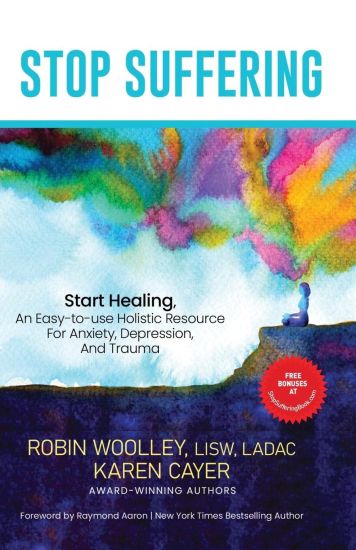
Did you know that your autonomic nervous system carries messages through your body several times faster than you can flip a light switch? Are you wondering why you haven't been able to shift your symptoms using just your mind? Did you know that when your autonomic nervous system is hijacked, it's hard to regulate your thoughts, emotions, and body responses? Stop Suffering Start Healing is an easy-to-use holistic resource for anxiety, depression, and trauma that gives you the cognitive and somatic tools to help reduce symptoms and take control of your healing process. You will find valuable information about the dysregulation of the autonomic nervous system (Polyvagal Theory). Learning how a stress response hijacks your body, you become empowered to make changes to regulate your emotions and autonomic nervous system responses. You will appreciate the tried-and-true tools that the authors have used to help thousands of people go from being stuck in suffering to finding freedom in healing.
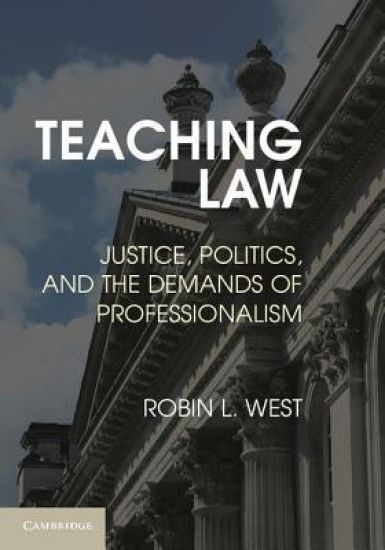
Teaching Law re-imagines law school teaching and scholarship by going beyond crises now besetting the legal academy and examining deeper and longer-lasting challenges. The book argues that the legal academy has long neglected the need to focus teaching and scholarship on the ideals of justice that law fitfully serves, the political origins of law, and the development of a respectful but critical relationship with the legal profession. It suggests reforms to improve the quality of legal education and responds to concerns that law schools eschew the study of justice, rendering students amoralist; that law schools slight the political sources of law, particularly in legislative action; and that law schools have ignored the profession entirely. These areas of neglect have impoverished legal teaching and scholarship as the academy is refashioned in response to current financial exigencies, and addressing them is long overdue.
All of us are entitled to the protections of law against violence, to a high quality education, to decent employment that respects our dignity, and to necessary assistance with our caregiving. Our civil rights are our rights to the protections of ordinary law - not constitutional law, and not only antidiscrimination law - that will ensure that we can participate in civil society, and hence lead flourishing lives. In this innovative work, Robin L. West looks back to nineteenth-century Civil Rights Acts to argue that the point of civil rights law is not only non-discrimination, but also to assure that all of us receive the protection of legal rights that promote human flourishing. Since the 1960s, Supreme Court decisions on civil rights issues have focused on non-discrimination and thus have 'hollowed out' this broader meaning of civil rights law. This book reconceives civil rights as a set of legal guarantees that all will be included in the legal, political, economic and social projects central to civil society.
All of us are entitled to the protections of law against violence, to a high quality education, to decent employment that respects our dignity, and to necessary assistance with our caregiving. Our civil rights are our rights to the protections of ordinary law - not constitutional law, and not only antidiscrimination law - that will ensure that we can participate in civil society, and hence lead flourishing lives. In this innovative work, Robin L. West looks back to nineteenth-century Civil Rights Acts to argue that the point of civil rights law is not only non-discrimination, but also to assure that all of us receive the protection of legal rights that promote human flourishing. Since the 1960s, Supreme Court decisions on civil rights issues have focused on non-discrimination and thus have 'hollowed out' this broader meaning of civil rights law. This book reconceives civil rights as a set of legal guarantees that all will be included in the legal, political, economic and social projects central to civil society.
In Ecocinema in the City, Murray and Heumann argue that urban ecocinema both reveals and critiques visions of urban environmentalism. The book emphasizes the increasingly transformative power of nature in urban settings, explored in both documentaries and fictional films such as Children Underground, White Dog, Hatari! and Lives Worth Living. The first two sections—"Evolutionary Myths Under the City" and "Urban Eco-trauma"—take more traditional ecocinema approaches and emphasize the city as a dangerous constructed space. The last two sections—"Urban Nature and Interdependence" and "The Sustainable City"—however, bring to life the vibrant relationships between human and nonhuman nature. Ecocinema in the City provides a space to explore these relationships, revealing how ecocinema shows that both human and nonhuman nature can interact sustainably and thrive.
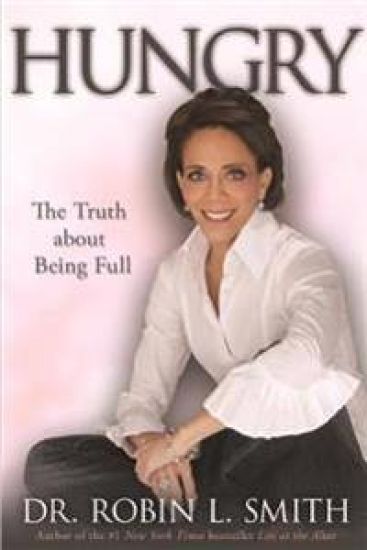
'Hungry isn't about the hunger for food, but the craving to reclaim and embrace our true identity. It's not about making a plan or signing up for a program to change our lives or relationships. It is about signing up to be a witness to our own lives and journeys.' In her latest book, Hungry, bestselling author Dr Robin L. Smith opens a window into her own experience in order to help readers find new insight into their own. Having battled emotional and spiritual starvation, Dr Robin understands where our hunger comes from, deep down and how we can experience a fullness of body, mind and spirit and reclaim our true selves. Hungry helps us get back in touch with our wants and needs and encourages us to approach them, with compassion, tenderness, and hope. Dr Robin shows us that what we're really hungry for is self-acceptance, love, appreciation and the confidence and freedom to embrace the lives we want in order to make our dreams a reality. Dr Robin lives and teaches that a person can't succeed in living someone else's life; they can only succeed in living their own life. That authenticity is the only true way to harness inner peace. Being real, being yourself full-time, is what creates a rich, meaningful, and fulfilling life.