

Kirjahaku
Etsi kirjoja tekijän nimen, kirjan nimen tai ISBN:n perusteella.
1000 tulosta hakusanalla Sandra a Sigfusson
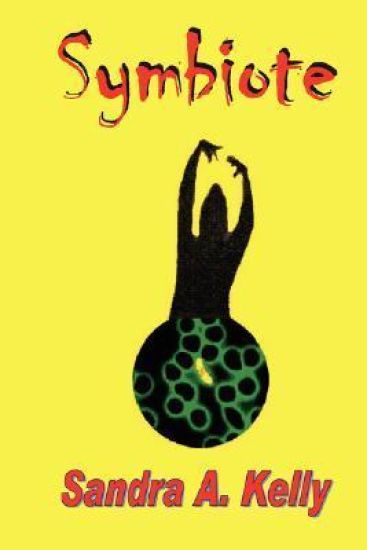
Sandra A. Kelly proudly describes SYMBIOTE as a "medical 'what-if' thriller/suspense novel" revolving around HIV mutations, research, and treatments. This book tells the story of a young Crime Scene Investigator who inadvertently contracts HIV. His story involves how the "parasite" affects his personal and professional life and the two medical researchers who have his best interest at heart, but have two different theories regarding his treatment. The amazing results will leave you wondering and hoping for what might be waiting just around the corner.that a cure may be at hand! She uses the term "parasite" because a parasite needs a host in order to survive, and HIV cannot survive outside the human body. Kelly takes the widely held premise of HIV infection and then stands it on its head with creative inventiveness in SYMBIOTE. Mature content involving medical concepts, romance, humor, and sexual situations is tastefully incorporated and not overdone.

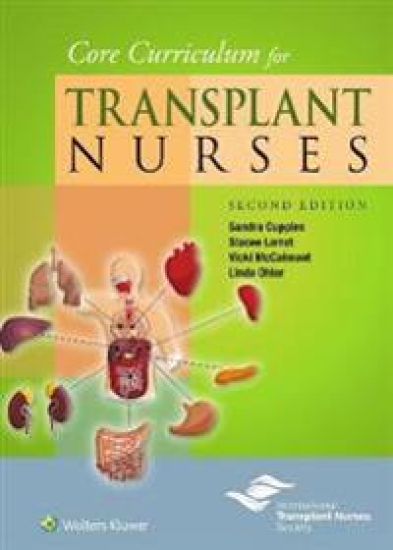
Core Curriculum for Transplant Nurses
Sandra A. Cupples; Stacee Lerret; Vicki McCalmont; Linda Ohler
Lippincott Williams and Wilkins
2016
pokkari
Selected as a Doody's Core Title for 2025! Face the complex challenges of transplant nursing with confidence, with the newly expanded and updated Core Curriculum for Transplant Nurses, 2nd Edition . This official publication of the International Transplant Nurses Society (ITNS) offers crucial, real-life direction on the science and skills required for every kind of solid organ transplant, from initial evaluation to long-term follow-up. Based on the Certified Clinical Transplant Nurse (CCTN) exam content, this is a must-have training and teaching guide for nursing educators, students, and all clinicians seeking CCTN certification or a transplant nursing practice.This unique resource offers the core knowledge needed for safe, effective transplant care, with …NEW chapter on quality assurance and performance improvement (QAPI) and regulatory issues NEW chapter on vascular composite allograft transplantation (VCA) NEW chapter on mechanical circulatory support (MCS) devices NEW United Network for Organ Sharing (UNOS) criteria for VCA procedures and other UNOS policies, including organ allocation policies NEW Centers for Medicare and Medicaid Services (CMS) guidelines for patient selection for destination therapy NEW evidence-based International Society for Heart and Lung Transplantation guidelines NEW patient discharge checklists, and examples of QAPI scorecards and regulator indicators More than 200 end-of-chapter sample test questions to aid CCTN exam study More than 200 new and updated charts and figures Outline format that supports on-the-spot reference , with detailed direction on: Transplant immunology and pharmacology; updated content on medications Psychosocial issues Ethical issues, such as living donations and procuring deceased donors Allocation systems for organs in the United States, Canada, Europe, and Australia Care of living donors Life-long posttransplant follow-up Organ-specific chapters offer comprehensive information on areas including: Initial organ-specific evaluation Pre- and postoperative adult and pediatric care Pathophysiology of end-stage organ failure Surgical techniques Immunosuppressive medications Posttransplant complications Discharge teaching and follow-up Essential study guide for the American Board for Transplant Certification (ABTC) Certified Clinical Transplant Nurse exam, the ABTC Certified Clinical Transplant Coordinators exam, and the CCTN certification exam.




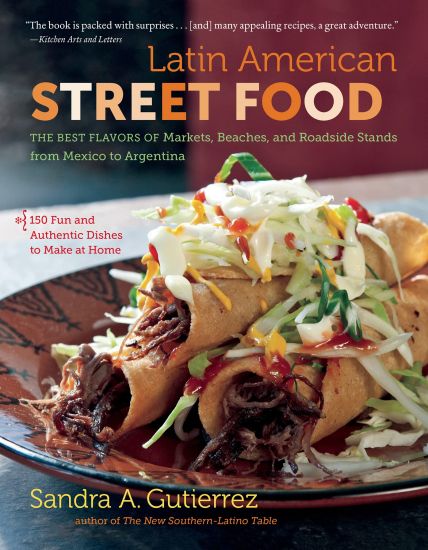
From tamales to tacos, food on a stick to ceviches, and empanadas to desserts, Sandra A. Gutierrez's Latin American Street Food takes cooks on a tasting tour of the most popular and delicious culinary finds of twenty Latin American countries, including Mexico, Cuba, Peru, and Brazil, translating them into 150 easy recipes for the home kitchen. These exciting, delectable, and accessible foods are sure to satisfy everyone.Sharing fascinating culinary history, fun personal stories, and how-to tips, Gutierrez showcases some of the most recognized and irresistible street foods, such as Mexican Tacos al Pastor, Guatemalan Christmas Tamales, Salvadorian Pupusas, and Cuban Sandwiches. She also presents succulent and unexpected dishes sure to become favorites, such as Costa Rican Tacos Ticos, Brazilian Avocado Ice Cream, and Peruvian Fried Ceviche. Beautifully illustrated, the book includes a list of sources for ingredients.

Robust and delicious, beans and field peas have graced the tables of southerners for generations, making daily appearances on vegetable plates, sideboards, and lunch counters throughout the region. Indeed, all over the world, people rich, poor, or in between rely on legumes, the comforting "culinary equalizer," as Sandra A. Gutierrez succinctly puts it. Her collection of fifty-one recipes shines a fresh light on this sustaining and infinitely varied staple of ordinary life, featuring classic southern, contemporary, and international dishes. Gutierrez, who delights with culinary history, cultural nuance, and entertaining stories, observes that what has long been a way of life for so many is now trendy. As the farm-to-fork movement has taken off, food lovers are revisiting the heirloom varieties of beans and peas, which are becoming the nutrition-packed darlings of regional farmers, chefs, and home cooks. Celebrating all manner of southern beans and field peas--and explaining the difference between the two--Gutierrez showcases their goodness in dishes as simple as Red Beans and Rice, as contemporary as Mean Bean Burgers with Chipotle Mayo, and as globally influenced as Butter Bean Risotto.
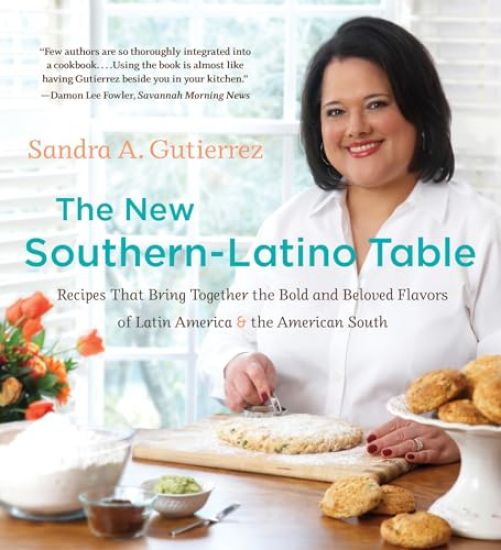
The New Southern-Latino Table
Sandra A. Gutierrez
THE UNIVERSITY OF NORTH CAROLINA PRESS
2025
pokkari
In this splendid cookbook, bicultural cook Sandra Gutierrez blends ingredients, traditions, and culinary techniques, creatively marrying the diverse and delicious cuisines of more than twenty Latin American countries with the beloved food of the American South. The New Southern-Latino Table features 5 original and delightfully tasty recipes that combine the best of both culinary cultures. Gutierrez, who has taught thousands of people how to cook, highlights the surprising affinities between the foodways of the Latin and Southern regions — including a wide variety of ethnic roots in each tradition and many shared basic ingredients — while embracing their flavorful contrasts and fascinating histories. These lively dishes — including Jalapeño Deviled Eggs, Cocktail Chiles Rellenos with Latin Pimiento Cheese, Two-Corn Summer Salad, Latin Fried Chicken with Smoky Ketchup, Macaroni con Queso, and Chile Chocolate Brownies — promise to spark the imaginations and the meals of home cooks, seasoned or novice, and of food lovers everywhere. Along with delectable appetizers, salads, entrées, side dishes, and desserts, Gutierrez also provides a handy glossary, a section on how to navigate a Latin tienda, and a guide to ingredient sources. The New Southern-Latino Table brings to your home innovative, vibrant dishes that meld Latin American and Southern palates.
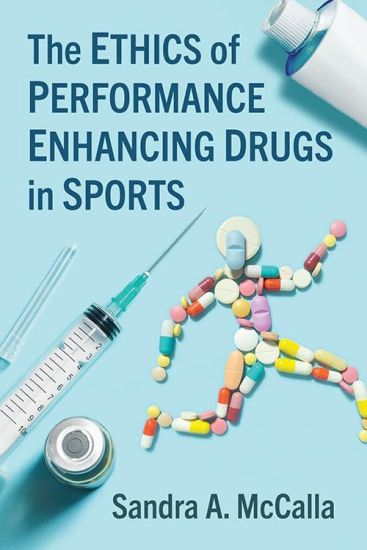
It may be a popular opinion that sports and ethics are incongruent or contradictory, but ethical principles in sports are in fact integral for its protection. Because of this invalid popular opinion, a new conversation on ethical principles and issues in sports is warranted. This should start here with a philosophical investigation into the areas of epistemology and autonomy with an effort to address ethical issues associated with the use of performance-enhancement drugs (doping) in sports, fair play, equity, and responsibility. Readers are introduced to a new theoretical approach to addressing ethical issues in sports. These issues are based on arguments advanced on responsible freedom, perspective knowledge, and duties that can be utilized by sports stakeholders (athletes, team doctors, fans, sporting organizations, coaches, etc.) as they strive for success and minimize unfair practices. Important questions are posed concerning respect for others, respect for rules, respect for the game, and respect for self. Also, an investigation into ethics and doping is conducted to unravel whether doping athletes impose undue limitations on their freedom. Thus, the idea of absolute freedom is questioned, and "privileged freedom" is looked into.

Juicy Work: Creating Fruitful Careers and Cultivating Nourishing Workplaces
Sandra a. Mobley
Createspace Independent Publishing Platform
2013
nidottu


Cultural Considerations in Intervention With Women and Children Exposed to Intimate Partner Violence
Sandra A. Graham-bermann
Nova Science Pub Inc
2018
sidottu

All Quiet on the Rappahannock Tonight: The Civil War Letters of Lt. Peter Hunt 1861-1864 1st Rhode Island Light Artillery
Sandra a. Turgeon
Createspace Independent Publishing Platform
2017
nidottu
Clinical Manual of Geriatric Psychopharmacology
Sandra A. Jacobson
American Psychiatric Association Publishing
2014
pokkari
In the 7 years since the first edition of Clinical Manual of Geriatric Psychopharmacology was published, dozens of new drugs have been released, and older medications have been marketed in different formulations. In addition, research on pharmacokinetics, pharmacodynamics and mechanism of action, potential interactions, and other critical topics has proceeded apace, rendering much of the information in existing guides obsolete. This new volume is both comprehensive and completely up to date, offering information unavailable elsewhere. • New drugs covered include asenapine, paliperidone, iloperidone, lurasidone, desvenlafaxine, vilazodone, long-acting trazodone, milnacipran, armodafinil, extended-release valproate, rotigotine transdermal, tetrabenazine, dextromethorphan, long-acting gabapentin, and transdermal buprenorphine.• Each chapter has a standardized format, with topics including pharmacokinetics, pharmacodynamics and mechanism of action, drug interactions, clinical use (which addresses choice of drug, alternative formulations/routes, pre-treatment evaluation, dose and dose titration, PRN use, monitoring treatment, drug levels, managing treatment resistance, switching drugs, duration of treatment, discontinuation, and overdose), adverse effects, and treatment of selected syndromes and disorders.• Dozens of tables, boxes, and figures organize and present complex material, such as practice guidelines, in a straightforward manner that is easy to understand and apply, and the concise, bulleted text facilitates reading and comprehension in the clinical setting.• "Specific Drug Summaries"—one-page summaries of prescribing information for individual drugs —provide fast access to critical information in a simple format. Designed for residents, fellows, and all clinicians in psychiatry and medicine who diagnose and treat psychiatric and neuropsychiatric conditions affecting geriatric patients, this clinical reference can be used across all treatment settings (inpatient, outpatient, day hospital, consultation, and nursing home). Meticulously referenced and grounded in the latest research, Clinical Manual of Geriatric Psychopharmacology, Second Edition, is the definitive guide to psychotropic use in elderly patients. Clinicians can rely confidently on its up-to-date coverage and authoritative counsel.

Clinical Laboratory Medicine for Mental Health Professionals
Sandra A. Jacobson
American Psychiatric Association Publishing
2016
nidottu
A revised, abridged version of the seminal work, Laboratory Medicine in Psychiatry and Behavioral Science, Clinical Laboratory Medicine for Mental Health Professionals more directly addresses the needs of general psychiatrists and their mental health colleagues in clinical practice. Sections on laboratory tests, diseases and conditions, and psychotropic medications include alphabetically arranged entries, making it easy for busy clinicians to reference the updated information. For each laboratory test, the following information is provided:• The type of test (e.g., blood, urine, etc.)• An explanation of the test• The test’s relevance to psychiatry• Patient preparation• Medical and psychiatric indications for the test• Numerical reference ranges• Critical values for test results• The potential meaning of abnormal results (e.g., factors that lead to increased or decreased levels)• Interfering factors• Cross-references to other tests or conditions Information on clinical diagnosis and laboratory testing is provided for diseases and conditions, and psychotropic medications are examined from both a screening and a monitoring standpoint.Extensively indexed, this guide also includes an appendix that features at-a-glance information on therapeutic and psychotropic levels, 10 rules for deciding whether an ECG is normal, and several figures covering topics relevant to tests, such as ECG waves and intervals, cholestatic injury, bilirubin cycle, and SIADH secretion. Years of clinical practice and research inform both the choice of tests included and the rationale for their use, making Clinical Laboratory Medicine for Mental Health Professionals the definitive, authoritative reference for psychiatrists and other behavioral health clinicians.