

Kirjahaku
Etsi kirjoja tekijän nimen, kirjan nimen tai ISBN:n perusteella.
930 tulosta hakusanalla Sari Airola


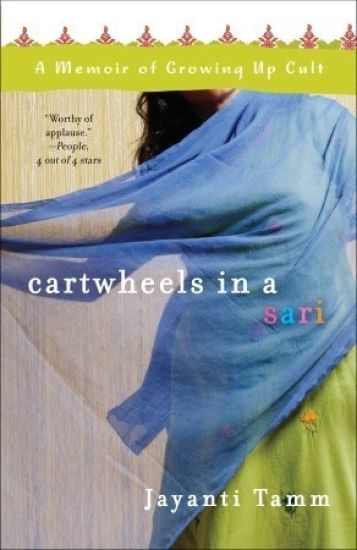
In this colorful, eye-opening memoir, Jayanti Tamm offers an unforgettable glimpse into the hidden world of growing up "cult" in mainstream America. Through Jayanti's fascinating story-the first book to chronicle Sri Chinmoy-she unmasks a leader who convinces thousands of disciples to follow him, scores of nations to dedicate monuments to him, and throngs of celebrities (Sting, Pope John Paul II, Nelson Mandela) to extol him. When the short, bald man in flowing robes prophesizes Jayanti to be the "Chosen One," her life is forever entwined with the charismatic guru Sri Chinmoy, who declares himself a living god. A god who performs sit-ups and push-ups in front of thousands as holy ritual, protects himself with a platoon of bodyguards, and bans books, TV, and sex. Jayanti's unusual and increasingly bizarre childhood is spent shuttling between the ashram in Queens, New York, and her family's outpost as "Connecticut missionaries." On the path to enlightenment decreed by Guru, Jayanti scrubs animal cages in his illegal basement zoo, cheerleads as he weight lifts an elephant in her front yard, and trails him around the world as he pursues celebrities such as Princess Diana and Mother Teresa. But, when her need for enlightenment is derailed by her need for boys, Jayanti risks losing everything that she has ever known, including the person that she was ordained to be. With tenderness, insight, and humor, Jayanti explores the triumphs and trauma of an insider who longs to be an outsider, her hard-won decision to finally break free, and the unique challenges she confronts as she builds a new life.
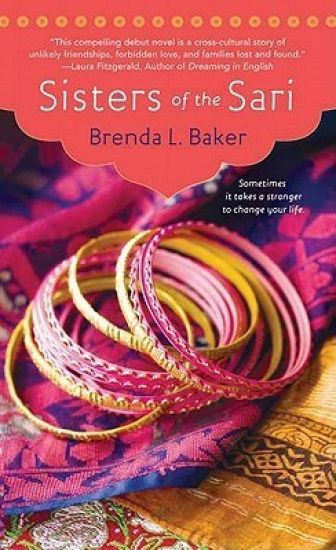
A debut novel about an American woman and an Indian woman who are about to dramatically change each other's lives-along with the lives of those around them. While vacationing in India, Kiria Langdon, the opinionated and driven CEO of a major company, meets Santoshi, a former slave who now works as a cleaning lady and lives in a shelter for homeless women in Chennai. Appalled by the conditions in the shelter, Kiria becomes obsessed with the idea of building decent housing for poor working women in India. Santoshi reluctantly agrees to help, even though she thinks Kiria's ideas are too crazy to succeed. Embarking on a rich journey of personal discovery, both women will learn invaluable lessons about themselves as they forge a powerful bond of sisterhood across the barriers of language and culture-a bond that makes anything possible.
1896, Bombay. As a prequel to A Patient Obsession, The Fuchsia Sari tells the backstory to Patience's family heritage.At the turn of the twentieth century, Mangal (Frank) grows up an orphan in a Bombay wadi. His mathematical prowess enables him to gain a scholarship to study at Manchester University, England where he encounters prejudice, friendship and eventually love.Maree, a Lancashire lass, working as a milliner's apprentice, one of five daughters, wishes to be a princess. After a chance meeting with Frank and their ensuing relationship she follows him and sets sail to India on her own, away from everything she knew. Once there, they try to make a life for themselves but as a mixed-race couple they are accepted by neither Indian society nor the colonial British.Death, heartbreak and the inability to feel completely at home on either continent follow the couple. Can they overcome racism, overt or hidden, and lead happy fulfilled lives?

Bloodshed. Confinement. Forced submission. Torture. Rape. Did these atrocities occur in a medieval prison? In a World War Two concentration camp? Was the victim a helpless prisoner of war? No, this suffering and conflict did not take place on a battlefield. For Kamal Dhillon, the battlefield was her home, and the enemy was lying in bed beside her.Black and Blue Sari is the riveting autobiography of a young girl, traditionally raised in India and married at the age of 18 in Vancouver, Canada. What followed was years of severe and sadistic abuse at the hands of her husband, in both India and Canada. The abuse included beatings, sexual torture, being tied up for long periods of time, being doused with kerosene (and then being given the matches), being hanged, and even being forced to jump into an ocean. Through it all, Kamal hung on to life because of her four precious children and her dream of what could be. When the sadistic abuse was most severe, fantasizing about a better future became her coping mechanism. Seizing her last chance to escape, she left her husband's family home in India, but without her children. In the midst of her flight, a stranger at an airport heard her cries of despair and shared the gospel of Jesus Christ with her. Entering a personal relationship with Jesus was the first step in a challenging journey that eventually led to Kamal getting her children back, while still experiencing stalking and harassment from her husband. In the end, forgiveness freed her from the despair and fear of the past. This true story is a testament of a young girl's desire to survive and to not let an abusive husband and his family destroy her. This book is an encouragement for those in the terrible grip of abuse to not give up and to get help. It is also an inspiration for others to not ignore the evil of abuse but to let God work through them to free those suffering such terrible bondage.
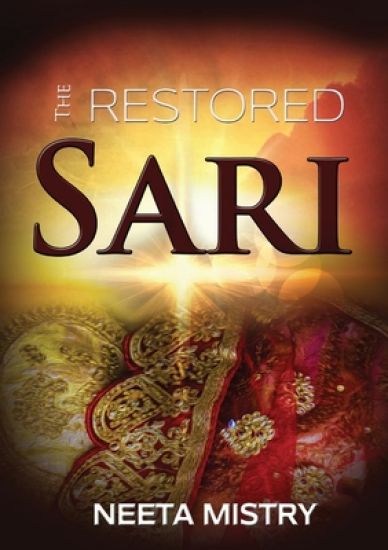
That face again. Something cold and small slithered into me. Dark, unearthly eyes stared with malignity, thin lips curving into a cruel smile. "I have you now," the twisted mouth seemed to mock. The face was moving, I could feel an icy draught as it awoke and the animal grunt drew closer and closer. My heart thudded uncontrollably, and my limbs became numb. The entity hooked a nail in my heart and began to pull me into a dark hollow dungeon. I can't fall, I thought frantically. I refuse to give in. For a Hindu it was seen as an honour to be possessed by a spirit of a benevolent deity. The spirit which possessed Preeti was far from benevolent. The entity took over her body, mind and spirit, unleashing terror to all around her. Based on a true story, we are left with the impression that suffering and heartache are painfully real in our modern day world, and in a Western European country. Preeti tells her fascinating story of years of pain and then glorious triumph.


Sparkling with voice and charm, this picture book about a fashionable kid out to prove she’s not as small as everyone thinks is perfect for kids eager to grow up, and for those who love to play dress-up.Being a little kid isn’t always fun and games. Sometimes, it’s downright annoying. When a little girl tires of being treated like she’s TOO little, she sets out to prove to her family that she can do ANYTHING she puts her mind to . . . . . . including putting on a colorful, twinkly, silky sari. Sure, they’re long and unwieldy—but that only means her family will be even more impressed when she puts it on all by herself. Naturally, there are some hiccups along the way, but she discovers that she’s not the only one in her family who has set out with something to prove, with hilariously chaotic results. That’s what photo albums are for!
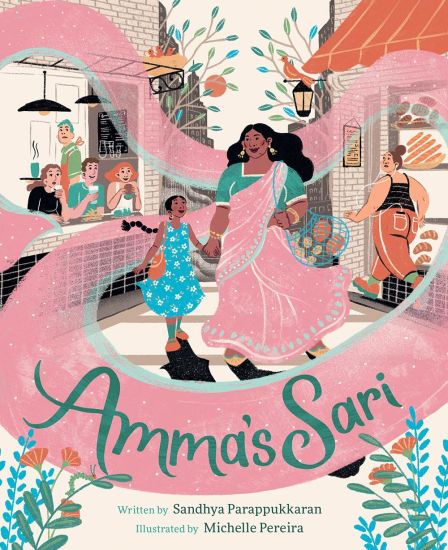
From author Sandhya Parappukkaran and illustrator Michelle Pereira--the creators of The Boy Who Tried to Shrink His Name--comes Amma's Sari, a tender and endearing picture book about family history, culture, and enduring love My sari is a memory of love. Shreya admires her mother's saris, whose silky swirls embrace her every morning. But her spirits plummet at the stares and whispers that the sari attracts. When Sherya asks her mother why she wears a sari, Amma answers the question with family stories brimming with generations of love. In this gentle and empowering picture book with vibrant full-color art, Shreya moves from embarrassment to pride as she learns that Amma's sari is much more than a beautiful piece of clothing. It is also a connection to their shared past and the love and care woven into their family history and heritage.



A little girl holds lessons learned in her grandfather’s sari-sari store close while adjusting to a new home in this sweet picture book about the joy of community, connection, and Filipino culture. For one girl, summers used to mean helping Lolo run his sari-sari store, which was always brimming with goods for the neighborhood: shampoo packets for Ate Jane, rice and eggs for Tonton, and a sympathetic ear for anyone who needed it. “Sari-sari means a good variety—just look around and you’ll see. What help can you give your community?” Lolo would say, as he filled his shelves with what people would need. Now that she’s far from the Philippines, she misses Lolo and the friendly faces that surrounded his sari-sari store. But when she remembers her grandfather’s words, her heart keeps Lolo close, and she starts to see opportunities for connection and community in her new home.
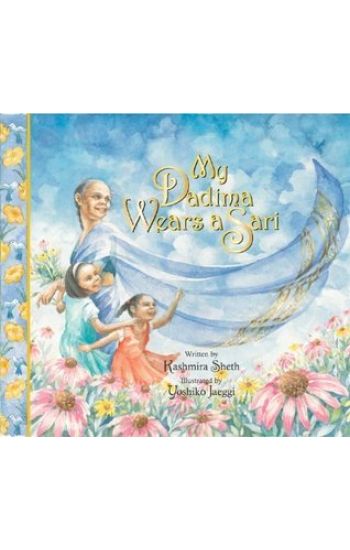
An Indian grandmother and her American granddaughter explore culture, imagination, and individuality through a collection of saris. Every day, Rupa's grandmother wears a beautiful Indian sari. Each is brightly colored and very pretty. "Don't you ever want to wear a gray skirt and red blouse with round buttons like Mommy or a green dress like me?" Rupa asks. But Dadima prefers to wear her traditional saris. Dadima shares all the wonderful things that saris can do--from becoming an umbrella in a rainstorm to providing a deep pouch to carry seashells. Soon Rupa's own imagination is sparked as she envisions saris protecting her in the scary Gir Jungle, bandaging up an injured knee, and holding a special secret for her and Dadima to share. Kashmira Sheth provides a warm, unique peek into Indian culture in this sensitive portrait of a grandmother and her American granddaughter. Hindi words defined and sprinkled throughout the text further add to the story's authenticity. Yoshiko Jaeggi's sweeping, colorful, and fanciful watercolor illustrations capture the extraordinary bond of love that unites families across generations and cultures. A note from the author and instructions for wrapping a sari are included.

The braid and the sari are the quintessential hairstyle and garment that women in India don every day. They are both texture and text. The braid-often kept long and styled with flowers (especially in South India) or lengthened with extensions (as in North India)-is a prized possession with both aesthetic and spiritual meanings. The sari is a length of untailored cloth material that has been the traditional everyday garb of Indian women for millennia. Using the braid and sari as the framework and defining tropes that unify the collection, the poems of Memory Braids and Sari Texts: Weaving Migration Journeys carry the memory of independent India, which turned seventy-five in 2022. These verses draw from poet Pushpa Naidu Parekh's distinct and entangled memories of migrant and diaspora experiences of journeying from India to the United States, the space of one homeland to another, spanning the inexplicable accruing of physical, emotional, and spiritual self and their many iterations. The braid and the sari both embody the draping of oneself and the unraveling of many selves. Richly layered and textured, this poetry collection explores one woman's vivid and sometimes muted memories of her life in India, her move to the US, and her diaspora experiences there.

An Indian grandmother and her American granddaughter explore culture, imagination, and individuality through a sari. Every day, Rupa's grandmother wears a beautiful Indian sari. Some are made of cotton and others of fine silk. Each is brightly colored and very pretty. Don't you ever want to wear a green dress like me? Rupa asks. But Dadima prefers to wear her traditional saris. Dadima shares all the wonderful things that saris can do--from becoming an umbrella in a rainstorm to providing a deep pouch to carry seashells. Soon Rupa's own imagination is sparked as she envisions saris protecting her in the scary Gir Jungle, bandaging up an injured knee, and holding a special secret for her and Dadima to share. Inspired by Kashmira Sheth's American-born daughters' curiosity, My Dadima Wears a Sari introduces readers to this wardrobe staple from the Indian subcontinent, the different styles and ways it can be worn, and its beauty and benefits. Yoshiko Jaeggi's graceful, fabric-inspired watercolor illustrations offer readers a glimpse into the culture and customs of India, while reinforcing universal themes of love and the importance of family. An author's note explores Sheth's childhood memories of wearing her first saris and back matter photos display the process of wrapping and wearing one.
Amma's Sari is a powerful reflection on connection with family, the acceptance of difference, and the celebration of cultural heritage