Kirjojen hintavertailu. Mukana 11 244 527 kirjaa ja 12 kauppaa.

Kirjahaku

Etsi kirjoja tekijän nimen, kirjan nimen tai ISBN:n perusteella.

1000 tulosta hakusanalla Seth Neblett

Eva Abigail Smith, a Child of the Nebraska Frontier, by Her Husband, Seth Herbert Buell
Step back in time with the story of Eva Abigail Smith, a child of the Nebraska frontier. Authored by her husband Seth Herbert Buell, this book provides a rare glimpse into life on the western frontier in the late 19th and early 20th centuries. With personal stories and rich historical detail, this compelling narrative offers a unique perspective on American history.This work has been selected by scholars as being culturally important, and is part of the knowledge base of civilization as we know it.This work is in the "public domain in the United States of America, and possibly other nations. Within the United States, you may freely copy and distribute this work, as no entity (individual or corporate) has a copyright on the body of the work.Scholars believe, and we concur, that this work is important enough to be preserved, reproduced, and made generally available to the public. We appreciate your support of the preservation process, and thank you for being an important part of keeping this knowledge alive and relevant.
Seth Blodgett (of Brooksville, Maine) 1747-1817; His Ancestors and His Descendants / by Grace Limeburner.
This comprehensive family genealogy traces the descendants of Seth Blodgett and his wife Phoebe Lester, who settled in Brooksville, Maine in the 18th century. Drawing on primary sources and family lore, Grace Limeburner weaves a rich and fascinating tale of a family's growth and legacy over seven generations.This work has been selected by scholars as being culturally important, and is part of the knowledge base of civilization as we know it.This work is in the "public domain in the United States of America, and possibly other nations. Within the United States, you may freely copy and distribute this work, as no entity (individual or corporate) has a copyright on the body of the work.Scholars believe, and we concur, that this work is important enough to be preserved, reproduced, and made generally available to the public. We appreciate your support of the preservation process, and thank you for being an important part of keeping this knowledge alive and relevant.
Coming To The Cross: Poems by Seth Irving

Coming To The Cross: Poems by Seth Irving

Seth Irving

Independently Published
2019
nidottu
The riveting journey of author and poet Seth Irving as he delves deep into life's mysteries turning over every rock to find out the enigmas of God. Along this epic journey Seth discovers much about the world around him as well as himself and the God that is making him new each day. His journey to manhood symbolic to man's journey to God, in poetic rhythm Seth confounds himself and readers everywhere with a kinetic soul search that brings all things full circle as he himself comes ever so inquisitively to the cross of Jesus Christ. "As the testing of a boy, life will take a man through changes, as the forming of a man, in his image, God will shape us."
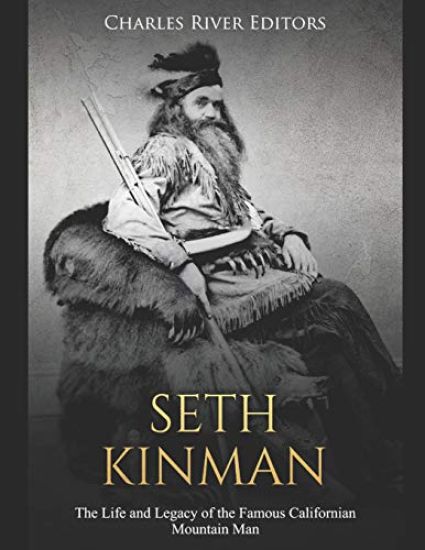
Seth Kinman: The Life and Legacy of the Famous Californian Mountain Man
*Includes pictures*Includes online resources and a bibliography for further readingBy the golden age of the mountain man in the mid-19th-century, there were perhaps only 3,000 living in the West. Their origins were disparate, although they included many Anglo-Americans. A good number hailed from wilderness regions of Kentucky and Virginia and throughout the newly purchased Louisiana Territory, which occupied the entire central section of the continent. French Canadians traveled from the north to work in the fur trade, while Creole-Europeans represented approximately 15% of the men known to be living the isolated mountain life. Others were of M tis, Spanish, American, Black, Indian, and mixed-blood origin, most often Iroquois or Delaware. Most came to the West in their late adolescent years, the oldest learning the trade in their 30s. Many roamed the west for as long as their constitutions would hold up under constant attacks on their health and personal safety. Some stayed too long and failed to survive the experience. Among the most famous, Jim Bridger arrived at the age of 16, while Edward Robinson was eventually killed in his 60s by what were known as "bad snakes," a reference to the Snake tribe in Idaho country. Jim Beckwourth left the mountains at 68 and Old Bill Williams died at the age of 62 when a band of Utes "made him to come." In the same vein, Americans have always shared an ongoing fascination with what was for them the realm of the "exotic" in the collective imagination. Such a preoccupation with alternative experience extends to a preoccupation with pre-recorded history, as it did in the furor over the discovery of extinct dinosaurs' first fossils. Similarly, stepping out of the familiar could satisfy the urge for both danger and wonder by contemplating the future, and the question of what might or might not exist. To this day, such a powerful imaginative force has underpinned the abundant science fiction and horror genres of modern films, including dramatic attempts at reviving and dominating massive and ancient beasts. Among the people who aimed to thrive in this deadly business, few became as famous or acclaimed as Seth Kinman. A tendency toward the eccentric is evident in many of the famous frontiersmen. The dangerous and solitary nature of such a life calling appears to require it, and the months of hardship between islands of human communication frequently creates it. Kinman, a notable early settler in Humboldt County, California, stands among the most diverse in his unorthodox frontier life. While most northern trappers were occupied almost solely with furnishing products to the European fur trade, Kinman, a more social person with eclectic skills, reveled in his associations with four American presidents and adoring crowds on the East Coast. In his time as a hunter supporting the forts and sawmills of his isolated region of Humboldt County, he also served as innkeeper, saloon owner, and a highly regarded musician. Most extraordinary of all was his work as a craftsman, fashioning novel furniture items taken from the bones, hides, and heads of his region's most exotic creatures, most notably elk and grizzly bear. To the non-explorer, Kinman and his creations came to symbolize the grandeur and impetus of western expansion, and such a status served as the perfect engine for the federal government's agenda and for the presidents for whom the West was an increasingly weighty issue. In his career, Kinman is believed to have personally killed over 800 grizzly bears and an untold number of elk. In what is now seen to be an environmental and social catastrophe, his prodigious "accomplishments" included the decimation of the national wildlife in his region and the wholesale abuse of the indigenous tribes in northern California.
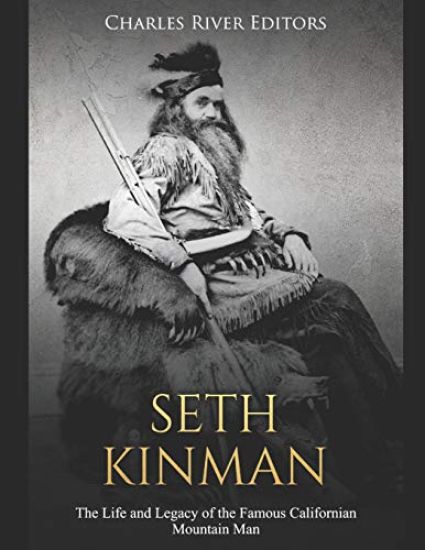
Seth Kinman: The Life and Legacy of the Famous Californian Mountain Man
*Includes pictures*Includes online resources and a bibliography for further readingBy the golden age of the mountain man in the mid-19th-century, there were perhaps only 3,000 living in the West. Their origins were disparate, although they included many Anglo-Americans. A good number hailed from wilderness regions of Kentucky and Virginia and throughout the newly purchased Louisiana Territory, which occupied the entire central section of the continent. French Canadians traveled from the north to work in the fur trade, while Creole-Europeans represented approximately 15% of the men known to be living the isolated mountain life. Others were of M tis, Spanish, American, Black, Indian, and mixed-blood origin, most often Iroquois or Delaware. Most came to the West in their late adolescent years, the oldest learning the trade in their 30s. Many roamed the west for as long as their constitutions would hold up under constant attacks on their health and personal safety. Some stayed too long and failed to survive the experience. Among the most famous, Jim Bridger arrived at the age of 16, while Edward Robinson was eventually killed in his 60s by what were known as "bad snakes," a reference to the Snake tribe in Idaho country. Jim Beckwourth left the mountains at 68 and Old Bill Williams died at the age of 62 when a band of Utes "made him to come." In the same vein, Americans have always shared an ongoing fascination with what was for them the realm of the "exotic" in the collective imagination. Such a preoccupation with alternative experience extends to a preoccupation with pre-recorded history, as it did in the furor over the discovery of extinct dinosaurs' first fossils. Similarly, stepping out of the familiar could satisfy the urge for both danger and wonder by contemplating the future, and the question of what might or might not exist. To this day, such a powerful imaginative force has underpinned the abundant science fiction and horror genres of modern films, including dramatic attempts at reviving and dominating massive and ancient beasts. Among the people who aimed to thrive in this deadly business, few became as famous or acclaimed as Seth Kinman. A tendency toward the eccentric is evident in many of the famous frontiersmen. The dangerous and solitary nature of such a life calling appears to require it, and the months of hardship between islands of human communication frequently creates it. Kinman, a notable early settler in Humboldt County, California, stands among the most diverse in his unorthodox frontier life. While most northern trappers were occupied almost solely with furnishing products to the European fur trade, Kinman, a more social person with eclectic skills, reveled in his associations with four American presidents and adoring crowds on the East Coast. In his time as a hunter supporting the forts and sawmills of his isolated region of Humboldt County, he also served as innkeeper, saloon owner, and a highly regarded musician. Most extraordinary of all was his work as a craftsman, fashioning novel furniture items taken from the bones, hides, and heads of his region's most exotic creatures, most notably elk and grizzly bear. To the non-explorer, Kinman and his creations came to symbolize the grandeur and impetus of western expansion, and such a status served as the perfect engine for the federal government's agenda and for the presidents for whom the West was an increasingly weighty issue. In his career, Kinman is believed to have personally killed over 800 grizzly bears and an untold number of elk. In what is now seen to be an environmental and social catastrophe, his prodigious "accomplishments" included the decimation of the national wildlife in his region and the wholesale abuse of the indigenous tribes in northern California.