Kirjahaku
Etsi kirjoja tekijän nimen, kirjan nimen tai ISBN:n perusteella.
1000 tulosta hakusanalla Stephen N. Rowan
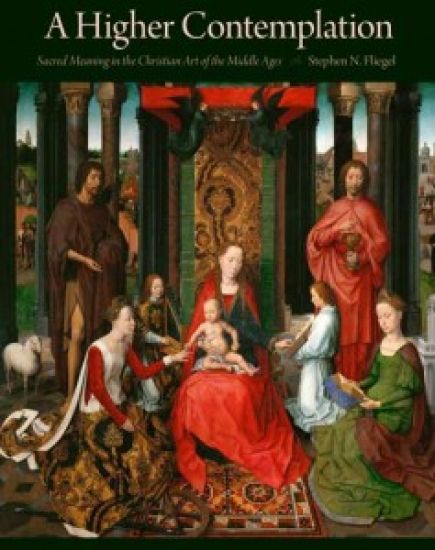
Understanding Christian art of the Middle Ages During the Middle Ages, religious art had a variety of functions and was prevalent in churches, public spaces, and private homes. Sculptures and paintings were used as altarpieces, movable images, choir screens, piers or niches, and reliquaries. They were placed behind, above, or near altars as well as on pulpits, lecterns, building exteriors, holy water fonts, tombs, and roadside shrines. They were also used for private devotion in the home. In addition to the obvious didactic function of religious images in medieval art, they filled other needs of both the beholder and the church: veneration. Candles were lit and censed before the sacred images; offerings were made in the name of the figures who were honored and cherished in a very direct way. Sacred images, served to remind Christians of the pious and virtuous lives of the saints and of their sacrifices and were an aid to meditation,. They embellished sacred spaces, giving them an otherworldly luster. Sacred art was an important ingredient in the formative power and energy of medieval piety.Some of the most profound and enduring works of art in Western civilization were produced for private devotion and public worship. Indeed, many of the most significant artists of the Middle Ages and Renaissance earned their livelihoods producing religious art in the service of the church. To access and understand this art today, we must be aware of its context, its intended audience, and its functions in the public or private space. In A Higher Contemplation, author Stephen N. Fliegel introduces medieval Christian iconography and its forms, meaning, function, context, and symbolism to twenty-first-century audiences. Serving as a guide to the subtleties, complexities, richness, range, and antiquity of medieval Christian artistic traditions and the multiple levels in which they can be understood, this book will aid the reader in a journey of discovery and understanding of those sacred images. Beautifully designed will full-color illustrations, A Higher Contemplation will appeal to students, teachers, travelers, art lovers, and those with an aspiring interest in the culture of the Middle Ages and the history of religion."Works of this quality and breadth are a diminishing resource. Stephen Fliegel effortlessly conveys the complexity of medieval visual culture with a fluency that reflects his consummate command of the subject. He combines an understanding of the medieval past with a flair for modern communication that will establish this publication as a standard text for students, scholars and the general public alike." – James Robinson, Senior Curator of Late Medieval Collections, The British Museum"In A Higher Contemplation, Stephen Fliegel reads the contemplative soul of the Middle Ages as if anticipating the contemporary turn in present day America to contemplative living. This rich, beautiful book reveals the hidden meanings of medieval sacred art to a postmodern age hungry for a sense of the sacred and a path to contemplative living." – Rev. Donald Cozzens, Writer in Residence, John Carroll University and author of The Changing Face of the Priesthood
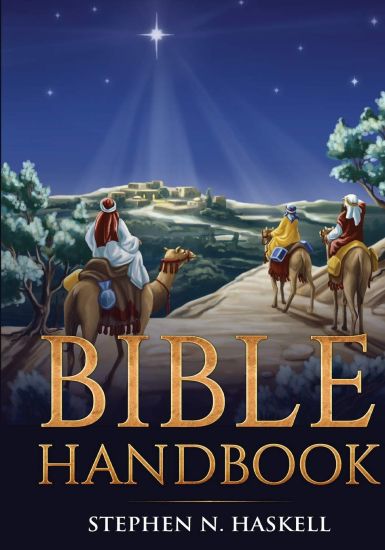
This classic Bible Handbook, compiled by Stephen N. Haskell, contains more than 220 Bible studies organized by topic. Haskell, who recognized the call of God early in life and responded with all his heart, gave himself particularly to the study of God's word. During the 1800's and early 1900's, Haskell served as a preacher, author, publisher and ultimately, as a soul winner--leading hundreds, if not thousands, to know Jesus Christ as their personal Savior.The solid biblical foundation of Haskell's four books reflect his lifelong pursuit of understanding the Scriptures. In "The Cross and Its Shadow," Haskell addressed the Jewish sanctuary service and the meaning behind it, in an easy-to-understand, Bible-based manner. In "The Story of the Seer of Patmos", Haskell delved deeply into the life of John the Beloved, as well as the book of Revelation. "The Story of Daniel the Prophet," like the book about John the Revelator, is built around the biblical story of a prophet, together with the prophecies in the book that bear his name.In the Bible Handbook, Haskell presents a wide range of biblical subjects arranged in a topical manner. Topics such as the ministry of angels, reliability of the Word of God, the Second Coming, signs of the times, modesty in dress, the law of God, temperance in diet, and biblical business principles are each addressed with a list of summarized Bible texts. The result of years of immersion in God's Holy Word, Haskell's book is a "must have" for any serious Bible student. Containing outlines for numerous Bible studies, it offers a serious "leg up" on a number of important topics that are relevant--even critical--to living as a Christian today.
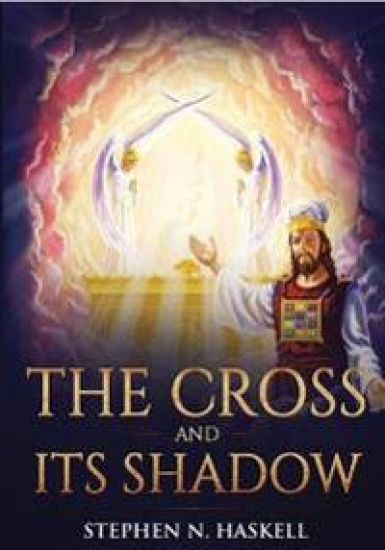
An in-depth study of the Old Testament tabernacle or sanctuary, "The Cross and It's Shadow" delves into what author Stephen N. Haskell calls "the most wonderful object lesson ever given to mankind." Drawing solely from Scripture, Haskell provides a clear, concise understanding of how the Old Testament sanctuary captures the entire theme of the gospel. Readers will learn each facet of the sanctuary and its services, the different offerings and feasts, and the work of the High Priest, which directly illustrates the gospel of salvation through Jesus Christ. As the book so clearly points out, "in the sanctuary, the cross of Christ is the great center of the whole scheme of human redemption. Around it clusters every truth of the Bible."Scripture references abound in this book, which covers types versus antitypes, the Biblical feasts, the priesthood, Levitical laws and ceremonies, and the use of the urim and thummim to discover God's will. The twelve tribes, the significance of Jacob's son's names, the prophecies of Jacob, and even the 144,000 all come within the purview of this Scripture-based book."The Cross and It's Shadow" presents a clear contrast between the earthly sanctuary and the heavenly sanctuary, as well as an enlightening overview of both the daily and annual responsibilities of the priests. Ellen G. White, a contemporary and personal friend of Stephen Haskell's, encouraged him to write this book, which lives up to her endorsement. This book is an absolute must for any Bible student desiring a better understanding of the Old Testament sanctuary and the meaning of the its symbols, ordinances, and services.
An in-depth study of the Old Testament tabernacle or sanctuary, "The Cross and It's Shadow" delves into what author Stephen N. Haskell calls "the most wonderful object lesson ever given to mankind." Drawing solely from Scripture, Haskell provides a clear, concise understanding of how the Old Testament sanctuary captures the entire theme of the gospel. Readers will learn each facet of the sanctuary and its services, the different offerings and feasts, and the work of the High Priest, which directly illustrates the gospel of salvation through Jesus Christ. As the book so clearly points out, "in the sanctuary, the cross of Christ is the great center of the whole scheme of human redemption. Around it clusters every truth of the Bible."Scripture references abound in this book, which covers types versus antitypes, the Biblical feasts, the priesthood, Levitical laws and ceremonies, and the use of the urim and thummim to discover God's will. The twelve tribes, the significance of Jacob's son's names, the prophecies of Jacob, and even the 144,000 all come within the purview of this Scripture-based book."The Cross and It's Shadow" presents a clear contrast between the earthly sanctuary and the heavenly sanctuary, as well as an enlightening overview of both the daily and annual responsibilities of the priests. Ellen G. White, a contemporary and personal friend of Stephen Haskell's, encouraged him to write this book, which lives up to her endorsement. This book is an absolute must for any Bible student desiring a better understanding of the Old Testament sanctuary and the meaning of the its symbols, ordinances, and services.
This classic Bible Handbook, compiled by Stephen N. Haskell, contains more than 220 Bible studies organized by topic. Haskell, who recognized the call of God early in life and responded with all his heart, gave himself particularly to the study of God's word. During the 1800's and early 1900's, Haskell served as a preacher, author, publisher and ultimately, as a soul winner--leading hundreds, if not thousands, to know Jesus Christ as their personal Savior.The solid biblical foundation of Haskell's four books reflect his lifelong pursuit of understanding the Scriptures. In "The Cross and Its Shadow," Haskell addressed the Jewish sanctuary service and the meaning behind it, in an easy-to-understand, Bible-based manner. In "The Story of the Seer of Patmos", Haskell delved deeply into the life of John the Beloved, as well as the book of Revelation. "The Story of Daniel the Prophet," like the book about John the Revelator, is built around the biblical story of a prophet, together with the prophecies in the book that bear his name.In the Bible Handbook, Haskell presents a wide range of biblical subjects arranged in a topical manner. Topics such as the ministry of angels, reliability of the Word of God, the Second Coming, signs of the times, modesty in dress, the law of God, temperance in diet, and biblical business principles are each addressed with a list of summarized Bible texts. The result of years of immersion in God's Holy Word, Haskell's book is a "must have" for any serious Bible student. Containing outlines for numerous Bible studies, it offers a serious "leg up" on a number of important topics that are relevant--even critical--to living as a Christian today.

The Story of Daniel the Prophet is both a history and prophetic revelation of events that, as revealed to Daniel in vision, took place, have taken place, and are about to take place in the earth. While history bears witness to the veracity of Daniel's account, the last day events transpiring at this time confirm it as well. Stephen N. Haskell, author of this timeless book, had a depth of understanding and Scriptural knowledge that few could rival today. With skillful pen, Haskell wove the story of the prophet Daniel into a study of his prophecies, connecting the dots with world history as he wrote. Haskell concluded with an explanation of the last chapter of Daniel, which shows the great triumphal climax of the "great controversy" with the Second Coming of Jesus Christ. Though written in 1904, this book remains accurate--and relevant--in our day. Its spiritual content and scope never fail to challenge, inspire, and amaze. This book is highly recommended for any serious student of Bible prophecy, or anyone who simply wants to understand more fully what the Bible predicts for these tumultuous times.
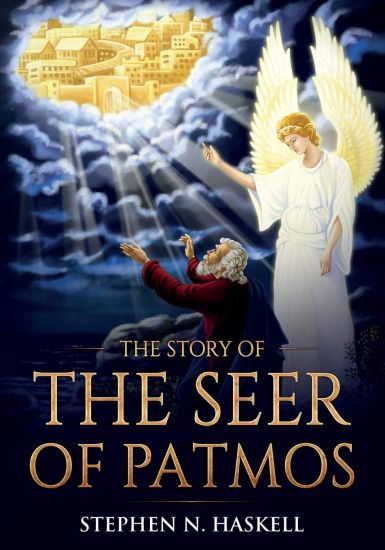
In "The Story of the Seer of Patmos," author Stephen Haskell walks readers right into the life of John the Beloved, explaining in great detail the closeness of John to God, and how, because of that closeness, John was shown many future events in vision. So much more than a story, the book delves so deeply into Revelation that it can serve as a verse-by-verse, step-by-step guide. Chock full of spiritual and historical gems, Haskell's book opens the Bible's last book up in an easily read, narrative style that explains the various symbols within John's visions and their meaning to us today.The study of prophecy is considered uninteresting by many. Much that is written upon this subject is given in an argumentative style, which is unattractive to many minds. Stephen Haskell changes all that in "The Story of the Seer of Patmos," presenting Bible prophecy, together with details of last day events and the life of John, in a fresh way that will be interesting to young and old.From the seven churches, to the seven seals, from fearsome beasts to the riders of the apocalypse, Haskell covers it all. His explanation of the "signs of the times" in the last 1700's and early 1800's, which included a spectacular meteor shower, the Lisbon earthquake, and the day the sky turned dark at noon, is particularly fascinating. Haskell points out that these very signs were predicted in no less than eight different books of the Bible (four in the Old Testament and four in the New), with thirteen identifying characteristics making them truly unmistakable as harbingers of the end.When published, this classic book was "sent forth on its mission of love with earnest prayer to God that it may point all who read to the Lamb of God that taketh away the sin of the world." It was the earnest hope of the author that, within these pages, the Bible student would find treasure, the skeptics ground for faith, and the thoughtless become acquainted with the very thoughts of God."Blessed is he that readeth, and they that hear the words of this prophecy, and keep those things which are written therein: for the time is at hand." (Revelation 1:3)

In "The Story of the Seer of Patmos," author Stephen Haskell walks readers right into the life of John the Beloved, explaining in great detail the closeness of John to God, and how, because of that closeness, John was shown many future events in vision. So much more than a story, the book delves so deeply into Revelation that it can serve as a verse-by-verse, step-by-step guide. Chock full of spiritual and historical gems, Haskell's book opens the Bible's last book up in an easily read, narrative style that explains the various symbols within John's visions and their meaning to us today.The study of prophecy is considered uninteresting by many. Much that is written upon this subject is given in an argumentative style, which is unattractive to many minds. Stephen Haskell changes all that in "The Story of the Seer of Patmos," presenting Bible prophecy, together with details of last day events and the life of John, in a fresh way that will be interesting to young and old.From the seven churches, to the seven seals, from fearsome beasts to the riders of the apocalypse, Haskell covers it all. His explanation of the "signs of the times" in the last 1700's and early 1800's, which included a spectacular meteor shower, the Lisbon earthquake, and the day the sky turned dark at noon, is particularly fascinating. Haskell points out that these very signs were predicted in no less than eight different books of the Bible (four in the Old Testament and four in the New), with thirteen identifying characteristics making them truly unmistakable as harbingers of the end.When published, this classic book was "sent forth on its mission of love with earnest prayer to God that it may point all who read to the Lamb of God that taketh away the sin of the world." It was the earnest hope of the author that, within these pages, the Bible student would find treasure, the skeptics ground for faith, and the thoughtless become acquainted with the very thoughts of God."Blessed is he that readeth, and they that hear the words of this prophecy, and keep those things which are written therein: for the time is at hand." (Revelation 1:3)

The Arizona Trail: Passages in Poetry celebrates the American wilderness, wildland travel, and the glorious outdoors in recreation and re-creation through the eyes of a poet. Each poem in this book was inspired by sections of the eight-hundred-mile trail that winds its way through some of the most picturesque wilds of Arizona. Through the power of poetic verse, readers will explore the trail's natural wonders, see glimpses of Arizona history, and have some unforgettable chance encounters with like-minded trekkers who push daylight from dawn to dusk. Each happy voyager will be forever changed.
The Procrastination Cure (It's Not Eat That Frog!)
Stephen N Murphy
Aprilis Publishing LLC
2024
pokkari
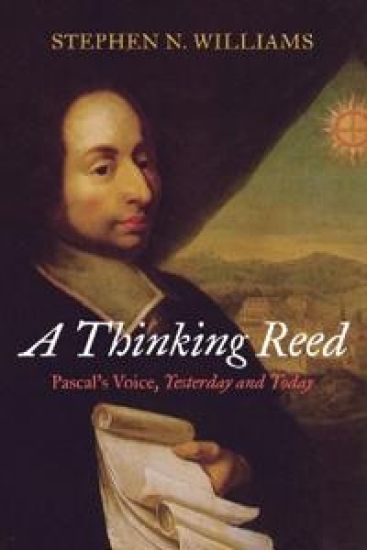
Blaise Pascal (1623-62) was a provocative and important thinker. Both the range and the influence of his work is immense. His Pensees ("Thoughts"), unfinished and composed of fragments, is widely regarded as a classic of Christian apologetics. In this volume, the reader is introduced to this work, with a view to both describing what Pascal says and assessing its present value. After introducing the man and his life, Pascal's views on reason and the heart, and on human wretchedness and greatness, are discussed before asking in a final chapter, "Would you bet on God?" An appendix treats Pascal and modernity. Four hundred years on, Pascal's voice can still be heard. Four hundred years on, we still need to heed it. Pascal does not simply speak from the mind to the mind. He speaks as a person to persons.
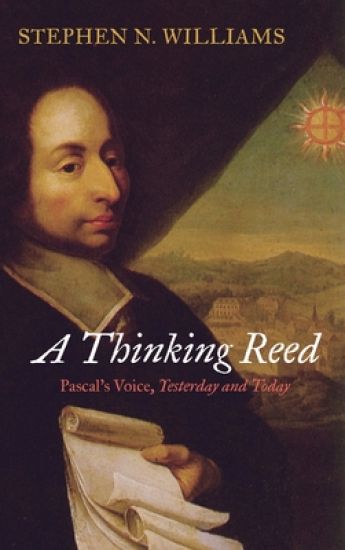
Blaise Pascal (1623-62) was a provocative and important thinker. Both the range and the influence of his work is immense. His Pensees ("Thoughts"), unfinished and composed of fragments, is widely regarded as a classic of Christian apologetics. In this volume, the reader is introduced to this work, with a view to both describing what Pascal says and assessing its present value. After introducing the man and his life, Pascal's views on reason and the heart, and on human wretchedness and greatness, are discussed before asking in a final chapter, "Would you bet on God?" An appendix treats Pascal and modernity. Four hundred years on, Pascal's voice can still be heard. Four hundred years on, we still need to heed it. Pascal does not simply speak from the mind to the mind. He speaks as a person to persons.
How you can support survivors with the hope of Christ. Chances are that you know someone who has experienced trauma--or you've experienced it yourself. So how can you respond wisely, carefully, and helpfully? In How Can We Help Victims of Trauma and Abuse?, Stephen N. Williams and Susan L. Williams draw on their expertise in theology and counseling to equip you. Ignorant helpfulness can be damaging; a truly fruitful response must be informed, not just well--intentioned. Before we can aid in recovery, we must gain a deeper understanding of trauma's emotional and spiritual implications. Moreover, we need a Christian perspective on trauma. Discover how Christ is the light and life that defeats darkness and death. The Questions for Restless Minds series applies God's word to today's issues. Each short book faces tough questions honestly and clearly, so you can think wisely, act with conviction, and become more like Christ.
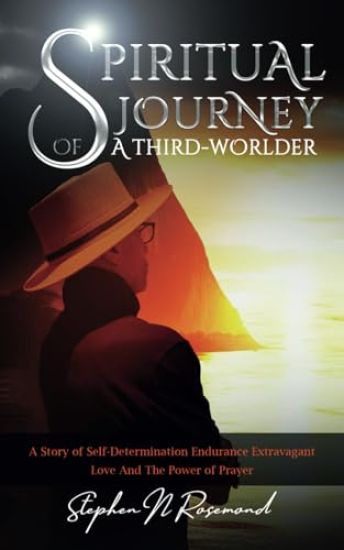
Born into the tenets of faith but tormented by ungodly acts on the Caribbean Island of St Lucia, Stephen's unwavering belief in the power of the Supreme Being through prayer, while tapping into his inner strength to navigate a maze of affliction throughout his journey was the essence of averting comprehensive defeat. His voyage to England in 1979 presented his best chance to elude sorcery. Still, his share of new challenges was served-namely, racism. While it was harrowing to experience in his profession, his recital of the appropriate psalms ensured his overcoming every hurdle. The hierarchical control system his mother had instilled in the family many years prior followed the older siblings who had travelled before him to the UK. This system gave rise to a power struggle as Stephen clung to more progressive ideals. His marriage to Rose was a turning point as he adapted to his unfamiliar environment. Stephen's return to Saint Lucia permanently in 2002 was precipitated by moments of utter despair. Conquering the unending obstacles along his path would be impossible without invoking the power of his Creator and his unyielding determination to succeed.


Myth and Mystique: Cleveland's Gothic Table Fountain
Stephen N Fliegel; Elina Gertsman
D Giles Ltd
2016
sidottu
The Cleveland table fountain, dated c. 1320?40, is the only version of its kind to have survived in its complete form from the Middle Ages. A superb example of French Gothic goldsmithing, it is an exquisite structure and a unique example of courtly taste and princely fashion. In its full working glory, it was designed not for any religious purpose, but purely as an indulgence; the delicate bells would have created a gentle tinkling sound as the perfumed water trickled down into the basin beneath. Acquired by the Cleveland Museum of Art in 1924, the uncertain history of the fountain has added to its charm, and many questions remain worthy of re-examination. Stephen N. Fliegel assesses the fountain in the context of similar luxury objects, discussing its history, use, materials and style. Elina Gertsman elucidates the significance of fountains in the medieval imagination. Once one of many, the Cleveland table fountain is the last of its kind; a fantastic piece of craftsmanship designed to appeal to all the senses. AUTHOR: Stephen N. Fliegel is curator of medieval art at the Cleveland Museum of Art. Elina Gertsman is associate professor, Department of Art History and Art, Case Western Reserve University. SELLING POINTS: . Focuses on one of the most remarkable examples of gothic art to have survived, a unique functioning table decoration. . Will appeal to academics, students, and museum professionals interested in medieval decorative arts, especially goldsmith works and enamels, and automata