Kirjojen hintavertailu. Mukana 11 342 296 kirjaa ja 12 kauppaa.

Kirjahaku

Etsi kirjoja tekijän nimen, kirjan nimen tai ISBN:n perusteella.

1000 tulosta hakusanalla Warren Beck

Reduktionsformen der Sprache und Kommunikationsproblematik in Samuel Becketts "Warten auf Godot" (1952) und "Das letzte Band" (1958)
Studienarbeit aus dem Jahr 2010 im Fachbereich Anglistik - Literatur, Ruhr-Universit t Bochum, Sprache: Deutsch, Abstract: "Every word is like an unnecessary stain on silence and nothingness." 1 Dieses Zitat ist ein gutes Beispiel, um Samuel Becketts Zweifel und sein Misstrauen gegen ber der Sprache im Allgemeinen zu beschreiben. Diese Abneigung hat er nicht nur sehr oft deutlich in Interviews ausgedr ckt, sondern auch stark in seine Werke einflie en lassen. In dieser Hausarbeit m chte ich die Auswirkungen eben dieser Sprachzweifel genauer betrachten und zwar beispielhaft an Becketts St cken Warten auf Godot und Das letzte Band. Letzteres mag in diesem Fall zun chst nur marginal geeignet sein. Allerdings lohnt es sich, zum einen aufgrund der ungew hnlichen Monologsituation, auch dieses St ck hinsichtlich seiner Sprach- und Kommunikationsstruktur genauer zu beleuchten. Zum anderen ist in Das letzte Band das totale Verstummen (ganze 73 Mal kommt das Wort "Pause," bzw. "lange Pause" im St ck vor) geradezu beispielhaft veranschaulicht. Aus kommunikativer Hinsicht findet Becketts Sprachreduktion hier also einen ihrer H hepunkte. Daher m chte ich den Versuch anstellen, Das letzte Band, auch wenn es auf den ersten Blick ungew hnlich erscheinen mag, hinsichtlich seiner Sprache und Kommunikation genauer zu betrachten. Ziel soll es folglich sein, das allgemein bekannte Misstrauen Becketts gegen die (Ausdrucks-) M glichkeiten der Sprache in zwei seiner Werke wiederzufinden und weitergehend zu analysieren. Zu Beginn m chte ich mich kursorisch mit der Sprachkritik Theodor W. Adornos besch ftigen, da sie neben der - in dieser Hausarbeit nat rlich essentiellen Sprachkritik Becketts, wesentliche Thesen zum Thema behandelt. Dar ber hinaus geh rten Beckett (* 1906) und Adorno (* 1903) einer Generation an, sodass gemeinsame Einfl sse und Motive nicht ausgeschlossen werden k nnen. Des Weiteren ist Adorno bekannt f r seine Bewunderung Becketts, den er zum "S ulenheiligen des Postexisten

Warten auf Godot

Warten auf Godot

Samuel Beckett

SUHRKAMP VERLAG
2006
pokkari
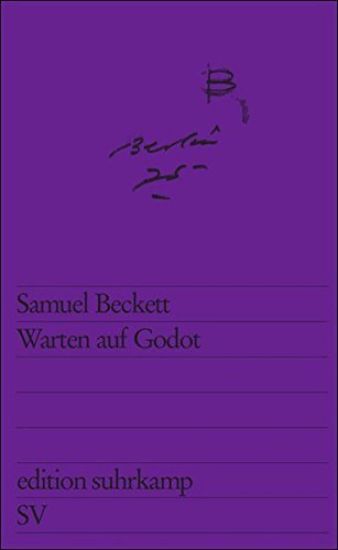
Als Samuel Beckett 1975 Warten auf Godot, das bereits zu dem Theaterstück des 20. Jahrhunderts geworden war, im Berliner Schillertheater inszenierte, benutzte er zur Vorbereitung auch ein Bändchen mit Elmar Tophovens Übersetzung, in das er mit seiner charakteristischen Schrift vor allem Textveränderungen und - varianten eintrug. Becketts Handexemplar, das der Suhrkamp Verlag zum 100. Geburtstag des Autors als Faksimile publiziert, ist sinnfälliges Beispiel der glücklichen Engführung, die im Verhältnis von Becketts Werk und dessen deutscher Aufnahme stattfand. Hier der französisch schreibende Ire, der auch die deutsche Sprache beherrschte und seine eigenen Werke mit großer Sicherheit in deutschen Theatern und Fernsehstudios inszenierte. Dort das deutsche Publikum, das sich - unter tätiger Mitwirkung von Übersetzern, Verlag und Kritik - diesem wie wenigen anderen Werken zeitgenössischer fremdsprachiger Autoren öffnete. Das Exemplar aus dem Besitz der Beckett International Foundation an der Universität Reading ist Seite für Seite getreu des 1963 gedruckten Exemplars (21.-35. Tausend) reproduziert, inklusive Verlagsanzeigen, und originalgetreu präsentiert sich auch der Buchkörper, ein grau broschiertes Bändchen mitsamt lila Schutzumschlag
Obermoschel Im Zeitalter Der Franzosischen Revolution: 'Wahrend Dem Wir Franzosisch Waren, Hat Man Gute Geschafte Machen Konnen'
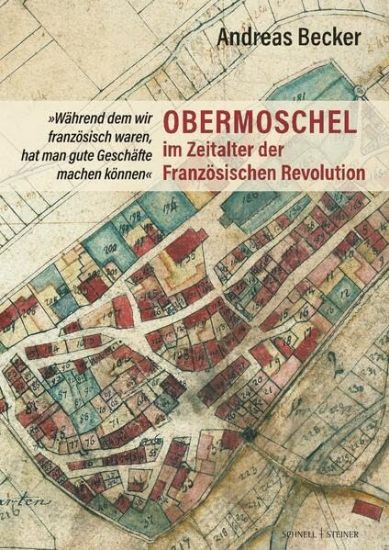
Zum 675-jahrigen Jubilaum prasentiert sich eine faszinierende Ortsgeschichte der kleinsten Stadt der Pfalz. Dieses Werk ist das Ergebnis langjahriger Recherchen und basiert auf einer umfangreichen Quellenbasis. Der Verfasser zeichnet ein lebhaftes Bild dieses vom Bergbau gepragten Ortes in der Nordpfalz. In den Jahren zwischen 1770 und 1815, die von grosser Bedeutung fur die Stadtentwicklung waren, erlebte die Landstadt auch einen ausseren Wandel zur Stadt. Diese Phase war von den Auswirkungen der Revolutionskriege, standigen Reformen und Neuerungen gepragt, die das Leben der Bewohner beeinflussten. In dieser Ortsgeschichte wird die faszinierende Entwicklung der Gesellschaft von der Ara des Ancien Regime hin zu den Anfangen des burgerlichen Zeitalters auf lokaler Ebene beleuchtet. Die Leser werden in eine vergangene Zeit entfuhrt, in der sich Tradition und Wandel vereinten, und erhalten Einblicke in die facettenreiche Geschichte der Stadt. Diese Publikation richtet sich an jeden, der an der Geschichte und Entwicklung der Nordpfalz interessiert ist.
Warren

Warren

Josh Nativio; Meghan Reed

Arcadia Publishing Library Editions
2019
sidottu
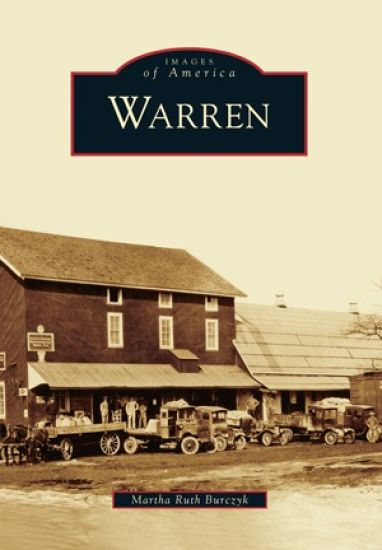
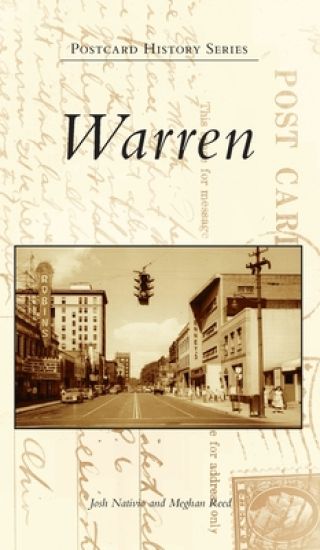
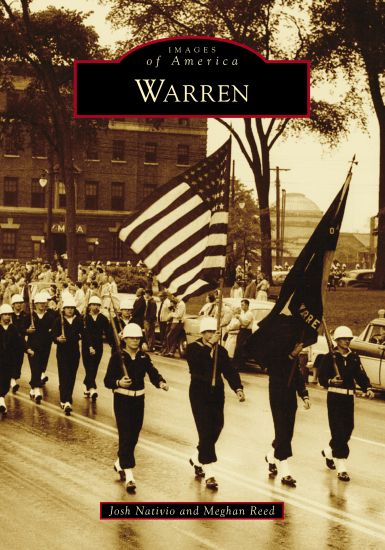
Founded in 1798 as the capital of the Connecticut Western Reserve, Warren, Ohio, began its storied history as a small village of Connecticut settlers along the banks of the Mahoning River. Rapid economic growth over the next 200 years saw Warren transform into a cutting-edge manufacturing powerhouse of steel mills, automobile producers, and electric companies, creating a community of industry and innovation that led to Warren's motto, "The City of Modern Methods." From hosting the headquarters for the National Woman Suffrage Association to boasting the largest steel blast furnace in the world, Warren's illustrious legacy is chronicled in this book through images that showcase its landscapes and businesses and the people who created them.
Warren

Warren

Josh Nativio; Meghan Reed

Arcadia Publishing (SC)
2019
nidottu
Founded in 1798 as the capital of the Connecticut Western Reserve, Warren, Ohio, began its storied history as a small village of Connecticut settlers along the banks of the Mahoning River. Rapid economic growth over the next 200 years saw Warren transform into a cutting-edge manufacturing powerhouse of steel mills, automobile producers, and electric companies, creating a community of industry and innovation that led to Warren's motto, "The City of Modern Methods." From hosting the headquarters for the National Woman Suffrage Association to boasting the largest steel blast furnace in the world, Warren's illustrious legacy is chronicled in this book through images that showcase its landscapes and businesses and the people who created them.
Warren Buffett Invests Like a Girl

Warren Buffett Invests Like a Girl

The Motley Fool; LouAnn Lofton

HarperBusiness
2012
nidottu
Investing isn't a man's world anymore - and that's a good thing for individual portfolios, "Wall Street", and the world's financial system. Compared to their male counterparts, women have scientifically been show to be more patient and wiser when it comes to making decisions - characteristics that epitomize the Foolish investment philosophy, as well as the investment temperament of the most successful investor in history, Warren Buffett. While men may be brash, compulsive, and overly daring, women tend to be more studious, skeptical, and reasonable. ""Warren Buffett Invests Like a Girl" empowers and educates women - and the men smart enough to embrace a "feminine" investing style - on how to strengthen their portfolios and find success in the market. You'll have to read her book to see the criteria she used, but I'd say I probably plead guilty". (Warren Buffett).
Warren Buffett's Ground Rules: Words of Wisdom from the Partnership Letters of the World's Greatest Investor
Using the letters Warren Buffett wrote to his partners between 1956 and 1970, a veteran financial advisor presents the renowned guru's "ground rules" for investing--guidelines that remain startlingly relevant today.In the fourteen years between his time in New York with value-investing guru Benjamin Graham and his start as chairman of Berkshire Hathaway, Warren Buffett managed Buffett Partnership Limited, his first professional investing partnership. Over the course of that time--a period in which he experienced an unprecedented record of success--Buffett wrote semiannual letters to his small but growing group of partners, sharing his thoughts, approaches, and reflections.Compiled for the first time and with Buffett's permission, the letters spotlight his contrarian diversification strategy, his almost religious celebration of compounding interest, his preference for conservative rather than conventional decision making, and his goal and tactics for bettering market results by at least 10% annually. Demonstrating Buffett's intellectual rigor, they provide a framework to the craft of investing that had not existed before: Buffett built upon the quantitative contributions made by his famous teacher, Benjamin Graham, demonstrating how they could be applied and improved.Jeremy Miller reveals how these letters offer us a rare look into Buffett's mind and offer accessible lessons in control and discipline--effective in bull and bear markets alike, and in all types of investing climates--that are the bedrock of his success. Warren Buffett's Ground Rules paints a portrait of the sage as a young investor during a time when he developed the long-term value-oriented strategy that helped him build the foundation of his wealth--rules for success every investor needs today.
Warren and Bill: Gates, Buffett, and the Friendship That Changed the World
From the Academy Award-nominated screenwriter of The Theory of Everything, Darkest Hour, and The Two Popes comes the fascinating account of Bill Gates and Warren Buffett's friendship--one of the most impactful relationships in history, and the basis of an upcoming play and film.Few friendships have had such far-reaching implications for the world--from finance to technology to philanthropy--than that between Bill Gates and Warren Buffett. After meeting at a party in 1991, the two played cards and golf, shared jokes, swapped trade secrets, ate junk food, talked and listened. Their growing friendship would impact each man and lead to change on a grander scale, culminating in the development of the Bill and Melinda Gates Foundation, which holds nearly $50 billion in assets.How did such an unusual union blossom? In what ways specifically did each man begin to influence the other? How did these two avid wealth accumulators jointly decide to address some of the world's most critical problems--poverty, disease, inequality--by giving their wealth away? And what, finally, does their giga-wealthy partnership mean for the rest of us in an age of great wealth--and great inequality? This book gives the fullest account yet of this extraordinary relationship and explores how it has transformed these two men--and is changing the world for the better for all of us.