Kirjahaku
Etsi kirjoja tekijän nimen, kirjan nimen tai ISBN:n perusteella.
1000 tulosta hakusanalla Werner Seim
Werner, R: Vollendete Und Ringende Dichter Und Dichtungen De
Richard Maria Werner
KESSINGER PUBLISHING, LLC
2010
nidottu

Werner, K: Beda Der Ehrwurdige Und Seine Zeit (1881)
Karl Werner
KESSINGER PUBLISHING, LLC
2010
nidottu

Werner, F: Cunegunde, Die Heilige, Romisch-Deutsche Kaiserin
Friedrich Ludwig Zacharias Werner
KESSINGER PUBLISHING, LLC
2010
nidottu
Werner, A: Bonifacius, Der Apostel Der Deutschen
August Werner
KESSINGER PUBLISHING, LLC
2010
nidottu

Werner, G: Anleitung Zum Uebersetzen Aus Der Deutschen In Di
Georg Andreas Werner
KESSINGER PUBLISHING, LLC
2010
nidottu
Werner, H: Bestimmung Der Grossten Untergruppen Derjenigen P
Hermann Werner
KESSINGER PUBLISHING, LLC
2010
nidottu
Werner, A: Festtage Wiens Vom 22 Bis 30 April 1854 (1854)
Anton Werner
KESSINGER PUBLISHING, LLC
2010
nidottu
Werner, F: Mutter Der Makkabaer (1820)
Friedrich Ludwig Zacharias Werner
KESSINGER PUBLISHING, LLC
2010
nidottu
Werner, K: Scholastik Des Spateren Mittelalters V2
Karl Werner
KESSINGER PUBLISHING, LLC
2010
nidottu
Werner, U: Sonntagsruhe In Industrie Und Handwerk (1895)
Ulrich Werner
KESSINGER PUBLISHING, LLC
2010
nidottu
Werner, R: Erinnerungen Und Bilder Aus Dem Seeleben (1898)
Reinhold Werner
KESSINGER PUBLISHING, LLC
2010
nidottu
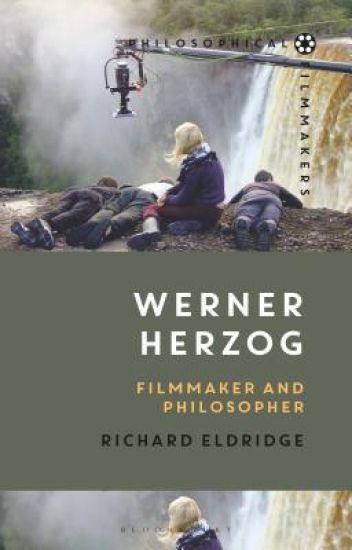
Werner Herzog has produced some of the most powerful, haunting, and memorable images ever captured on film. Both his fiction films and his documentaries address fundamental issues about nature, selfhood, and history in ways that engage with but also criticize and qualify the best philosophical thinking about these topics. In focusing on figures from Aguirre, Kasper Hauser, and Stroszek to Timothy Treadwell, Graham Dorrington, Dieter Dengler, and Walter Steiner, among many others, Herzog investigates the nature of human life in time and the possibilities of meaning that might be available within it. His films demonstrate the importance of the image in coming to terms with the plights of contemporary industrial and commercial culture. Eldridge unpacks and develops Herzog's achievement by bringing his work into engagement with the thinking of Freud, Merleau-Ponty, Nietzsche, Hegel, Cavell, and Benjamin, but more importantly also by attending closely to the logic and development of the films themselves and to Herzog's own extensive writings about filmmaking.