Kirjojen hintavertailu. Mukana 12 083 983 kirjaa ja 12 kauppaa.

Kirjahaku

Etsi kirjoja tekijän nimen, kirjan nimen tai ISBN:n perusteella.

1000 tulosta hakusanalla Dide

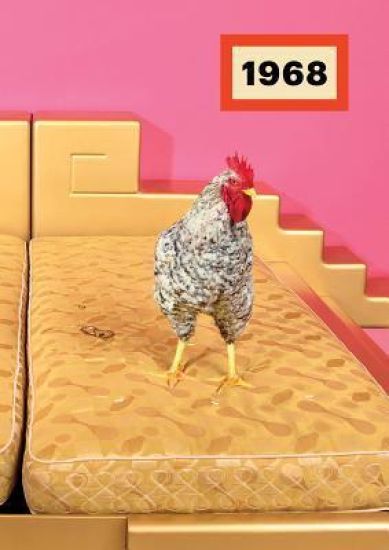
1968: Radical Italian Furniture

1968: Radical Italian Furniture

Didero Maria Cristina

Verlag der Buchhandlung Walther Konig
2014
sidottu
"1968: Radical Italian Design," the newest project from Maurizio Cattelan and Pierpaolo Ferrari's "Toilet Paper" in collaboration with the Deste Foundation in Athens, offers an unorthodox, kaleidoscopic walk through the Dakis Joannou collection of Italian Radical Design furniture. Led by avant-garde design firms such as Archizoom, Superstudio, Global Tools and 9999, Radical Design was firmly opposed to the ethics, and indeed the very notion of, "good design" or taste. "Toilet Paper"'s bold, mischievous interpretation of Joannou's collection results in delightful, high-contrast photographs that merge the seductive lines of Radical Design furniture and objects with the curves of the modern-day nymphs cavorting among them. Published as a board book, and named after a year that was pivotal for architecture and design (and, of course, the world at large), "1968" is a collection of dreams and nightmares, an inspiring, eye-popping compendium of colorful, ironic objects and bodies. At once charmingly retro and alarmingly surreal, "1968" includes drawings by one of the Radical Design movement's foremost architects, Alessandro Mendini.
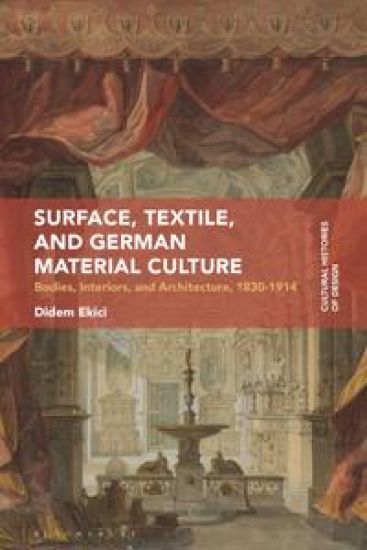
Surface, Textile, and German Material Culture

Surface, Textile, and German Material Culture

Didem Ekici

BLOOMSBURY PUBLISHING PLC
2026
sidottu
This volume explores the intersections between the body, textiles, clothes, soft furnishings and architectural surfaces in the German-speaking world from 1830 to 1914. While the continuum from bodies to clothing to architecture was present in popular culture across Europe and North America, it assumed a particularly influential role within German disciplines such as philosophy, cultural history, art history, linguistics, and hygiene. By bringing these disciplinary discourses into a dialogue with popular conceptions and practices surrounding fashion, fabrics, textile embellishments, and dress, the book offers a narrative of textile materiality that conflated bodies, interiors, and architecture. From architect Gottfried Semper to cultural historian Jacob von Falke, hygienist Max von Pettenkofer, designer Margarethe von Brauchitsch, and many others discussed in this book, the modern surface was largely conceived in terms of textile materiality. Different facets of this materiality—including textile fibers, tactility, crafting techniques, ornamentation, tailoring, and function—became central to modern art and architectural discourses, shaping debates on topics ranging from style, fashion, gender, and ornament to tectonics, health, mechanization, and abstraction. Drawing on a wealth of both well-known and unusual primary sources in architectural theory, design criticism, costume histories, art history, hygiene, as well as decorative arts journals, women’s and humor magazines, domestic advice manuals, fabric sample books, letter correspondence, memoirs, travelogues, this longue durée weaves the materiality of textile and dress into the genealogies of modernism.
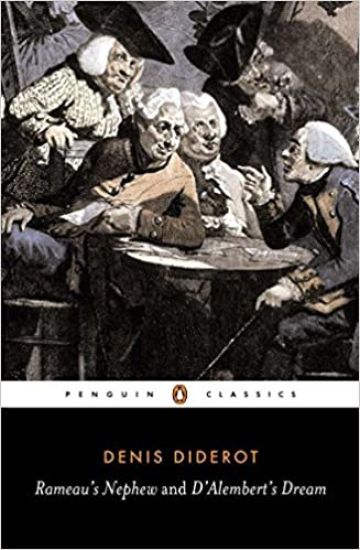
Rameau's Nephew / D'alembert's Dream

Rameau's Nephew / D'alembert's Dream

Denis Diderot

Penguin Classics
1976
pokkari
One of the key figures of the French Enlightenment, Denis Diderot was a passionate critic of conventional morality, society and religion. Among his greatest and most well-known works, these two dialogues are dazzling examples of his radical scientific and philosophical beliefs. In Rameau's Nephew, the eccentric and foolish nephew of the great composer Jean-Philippe Rameau meets Diderot by chance, and the two embark on a hilarious consideration of society, music, literature, politics, morality and philosophy. Its companion-piece, D'Alembert's Dream, outlines a material, atheistic view of the universe, expressed through the fevered dreams of Diderot's friend D'Alembert. Unpublished during his lifetime, both of these powerfully controversial works show Diderot to be one of the most advanced thinkers of his age, and serve as fascinating testament to the philosopher's wayward genius.
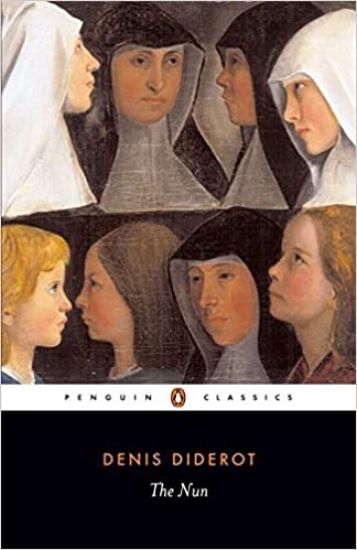
The Nun

The Nun

Denis Diderot

Penguin Classics
1974
isokokoinen pokkari
In 1758 Diderot's friend the Marquis de Croismare became interested in the cause celebre of a nun who was appealing to be allowed to leave a Paris convent. Less than a year later, in an affectionate attempt to trick his friend, Diderot created this masterpiece - a fictitious set of desperate and pleading letters to the Marquis from a teenage girl forced into the nunnery because she is illegitimate. In these letters, the impressionable and innocent Suzanne Simonin describes the cruelty and abuse she has suffered in an institution poisoned by vicious gossip, intrigues, persecutions and deviance. Considered too subversive during Diderot's lifetime, The Nun first appeared in print in 1796 following the Revolution. Part gripping novel, part licentious portrayal of sexual fervour and part damning attack on oppressive religious institutions, it remains one of the most utterly original works of the many eighteenth-century.
Jacques the Fatalist

Jacques the Fatalist

Denis Diderot

Penguin Classics
1986
isokokoinen pokkari
Denis Diderot (1713-1784) was among the greatest writers of the Enlightenment, and in Jacques the Fatalist he brilliantly challenged the artificialities of conventional French fiction of his age. Riding through France with his master, the servant Jacques appears to act as though he is truly free in a world of dizzying variety and unpredictability. Characters emerge and disappear as the pair travel across the country, and tales begin and are submerged by greater stories, to reveal a panoramic view of eighteenth-century society. But while Jacques seems to choose his own path, he remains convinced of one philosophical belief: that every decision he makes, however whimsical, is wholly predetermined. Playful, picaresque and comic, Diderot's novelis a compelling exploration of Enlightment philosophy. Brilliantly original in style, it is one of the greatest precursors to post-modern literature.