Kirjojen hintavertailu. Mukana 12 016 292 kirjaa ja 12 kauppaa.

Kirjahaku

Etsi kirjoja tekijän nimen, kirjan nimen tai ISBN:n perusteella.

1000 tulosta hakusanalla Erica Schultz

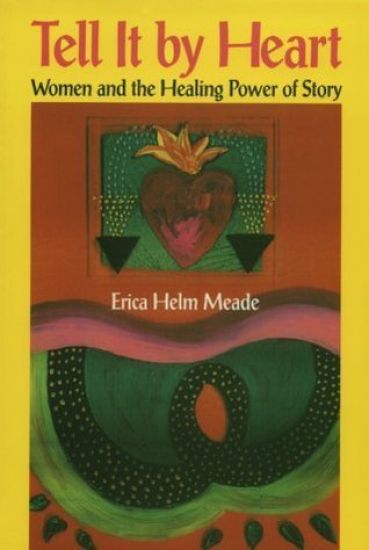
Tell It By Heart

Tell It By Heart

Erica Helm Meade

Open Court Publishing Co ,U.S.
1999
pokkari
'Tell It by Heart' is a collection of stories about contemporary women of various ages and ethnic backgrounds who have one thing in common: each embraces a pertinent myth as her guide through a difficult passage. Narrated by therapist Erica Helm Meade, these fictionalized case studies carry us along with all the intrigue of good short stories while at the same time instructing us in the use of healing lore."Clean, crisp, startling, intelligent and fun, these fictionalized case studies show that life imitates art -- and that art tells the stronger truths". -- James Hillman Author of A Blue Fire
The Moon in the Well

The Moon in the Well

Erica Helm Meade; David Abram

Open Court Publishing Co ,U.S.
2001
pokkari
The Moon in the Well is a collection of 65 tales from many cultures, followed by interpretive comments, suggested uses, and true-life examples of what can happen when a nourishing story is taken to heart. Erica Meade's musings and suggestions are intended to pique readers' interest in story and guide them in weaving wisdom tales into their everyday dialogues.
Navigating Interracial Borders

Navigating Interracial Borders

Erica Chito Childs

Rutgers University Press
2005
nidottu
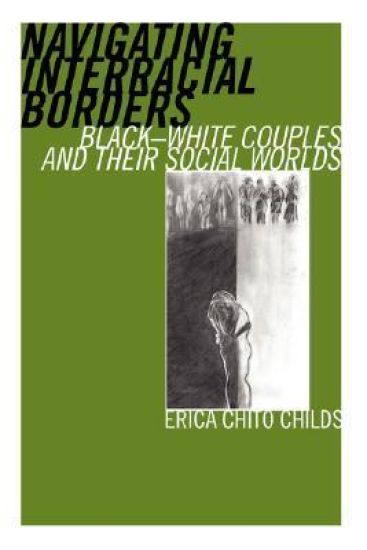
Is love color-blind, or at least becoming increasingly so? Today’s popular rhetoric and evidence of more interracial couples than ever might suggest that it is. But is it the idea of racially mixed relationships that we are growing to accept or is it the reality? What is the actual experience of individuals in these partnerships as they navigate their way through public spheres and intermingle in small, close-knit communities? In Navigating Interracial Borders, Erica Chito Childs explores the social worlds of black-white interracial couples and examines the ways that collective attitudes shape private relationships. Drawing on personal accounts, in-depth interviews, focus group responses, and cultural analysis of media sources, she provides compelling evidence that sizable opposition still exists toward black-white unions. Disapproval is merely being expressed in more subtle, color-blind terms. Childs reveals that frequently the same individuals who attest in surveys that they approve of interracial dating will also list various reasons why they and their families wouldn’t, shouldn’t, and couldn’t marry someone of another race. Even college students, who are heralded as racially tolerant and open-minded, do not view interracial couples as acceptable when those partnerships move beyond the point of casual dating. Popular films, Internet images, and pornography also continue to reinforce the idea that sexual relations between blacks and whites are deviant. Well-researched, candidly written, and enriched with personal narratives, Navigating Interracial Borders offers important new insights into the still fraught racial hierarchies of contemporary society in the United States.
Prophetic Remembrance

Prophetic Remembrance

Erica Still

University of Virginia Press
2014
sidottu
Using the term “prophetic remembrance” to articulate the expression of a constituent faith in the performative capacity of language, Erica Still shows how black subjectivity is born of and interprets cultural trauma. She brings together African American neo-slave narratives and black South African postapartheid narratives to reveal the processes by which black subjectivity accounts for its traumatic origins, names the therapeutic work of the present, and inscribes the possibility of the future.The author draws on trauma studies, black theology, and literary criticism as she considers how writers such as Toni Morrison, Charles Johnson, John Edgar Wideman, David Bradley, Sindiwe Magona, K. Sello Duiker, and Zakes Mda explore the possibilities for rehearsing a traumatic past without being overcome by it. Although both African American and South African literary studies have addressed questions of memory, narrative, and trauma, little comparative work has been done. Prophetic Remembrance offers this comparative focus in reading these literatures together to address the question of what it means to remember and to recover from racial oppression.
Prophetic Remembrance

Prophetic Remembrance

Erica Still

University of Virginia Press
2014
nidottu
Using the term “prophetic remembrance” to articulate the expression of a constituent faith in the performative capacity of language, Erica Still shows how black subjectivity is born of and interprets cultural trauma. She brings together African American neo-slave narratives and black South African postapartheid narratives to reveal the processes by which black subjectivity accounts for its traumatic origins, names the therapeutic work of the present, and inscribes the possibility of the future.The author draws on trauma studies, black theology, and literary criticism as she considers how writers such as Toni Morrison, Charles Johnson, John Edgar Wideman, David Bradley, Sindiwe Magona, K. Sello Duiker, and Zakes Mda explore the possibilities for rehearsing a traumatic past without being overcome by it. Although both African American and South African literary studies have addressed questions of memory, narrative, and trauma, little comparative work has been done. Prophetic Remembrance offers this comparative focus in reading these literatures together to address the question of what it means to remember and to recover from racial oppression.
The Bear Tree and Other Stories from Cazenovia's History

The Bear Tree and Other Stories from Cazenovia's History

Erica Barnes; Jason Emerson

Syracuse University Press
2021
nidottu
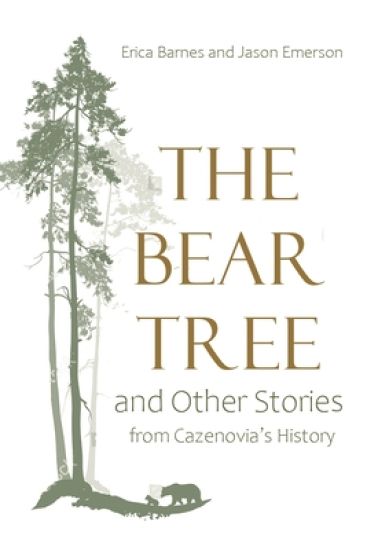
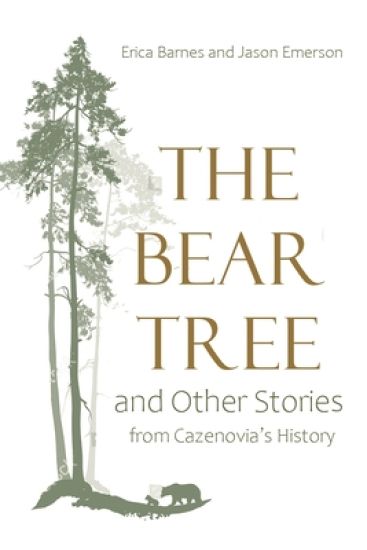
The historic lakeside village of Cazenovia in the scenic Finger Lakes region is one of the jewels of Central New York, and yet very few books have told its story. Cazenovia is a town founded by wealthy men, and much of what has been written about it has focused on the elite and the grand lakeshore mansions in which they lived. In contrast, Barnes and Emerson's new book chronicles the story of everyday Cazenovia: the fascinating people, places, and history of this 225-year-old community.The Bear Tree and Other Stories from Cazenovia's History explores the unheralded, inaccurately told, and long-forgotten tales of the town. Readers will encounter historical characters such as elephant and lion tamer Lucia Zora Card, "The Bravest Woman in the World"; educator Susan Blow, "The Mother of American Kindergarten"; and World War I soldier Cecil Donovan, whose letters home vividly depicted the experience of war for those awaiting his return in Cazenovia.
The Bear Tree and Other Stories from Cazenovia's History

The Bear Tree and Other Stories from Cazenovia's History

Erica Barnes; Jason Emerson

Syracuse University Press
2021
sidottu
The historic lakeside village of Cazenovia in the scenic Finger Lakes region is one of the jewels of Central New York, and yet very few books have told its story. Cazenovia is a town founded by wealthy men, and much of what has been written about it has focused on the elite and the grand lakeshore mansions in which they lived. In contrast, Barnes and Emerson's new book chronicles the story of everyday Cazenovia: the fascinating people, places, and history of this 225-year-old community.The Bear Tree and Other Stories from Cazenovia's History explores the unheralded, inaccurately told, and long-forgotten tales of the town. Readers will encounter historical characters such as elephant and lion tamer Lucia Zora Card, "The Bravest Woman in the World"; educator Susan Blow, "The Mother of American Kindergarten"; and World War I soldier Cecil Donovan, whose letters home vividly depicted the experience of war for those awaiting his return in Cazenovia.
White Man's Water

White Man's Water

Erica Prussing

University of Arizona Press
2011
sidottu
In recent years, efforts to recognize and accommodate cultural diversity have gained some traction in the politics of US health care. But to date, anthropological perspectives have figured unevenly in efforts to define and address mental health problems. Particularly challenging are examinations of Native peoples' experiences with alcohol. Erica Prussing provides the first in-depth assessment of the politics of Native sobriety by focusing on the Northern Cheyenne community in southeastern Montana, where for many decades the federally funded health care system has relied on the Twelve Step program of Alcoholics Anonymous. White Man's Water provides a thoughtful and careful analysis of Cheyenne views of sobriety and the politics that surround the selective appeal of Twelve Step approaches despite wide-ranging local critiques. Narratives from participants in these programs debunk long-standing stereotypes about "Indian drinking" and offer insight into the diversity of experiences with alcohol that actually occur among Native North Americans. This critical ethnography employs vivid accounts of the Northern Cheyenne people to depict how problems with alcohol are culturally constructed, showing how differences in age, gender, and other social features can affect involvement with both drinking and sobriety. These testimonies reveal the key role that gender plays in how Twelve Step program participants engage in a selective and creative process of appropriation at Northern Cheyenne, adapting the program to accommodate local cultural priorities and spiritual resources. The testimonies also illuminate community reactions to these adaptations, inspiring deeper inquiry into how federally funded health services are provided on the reservation. This book will appeal to readers with an interest in Native studies, ethnography, women's studies, and medical anthropology. With its critical consideration of how cultural context shapes drinking and sobriety, White Man's Water offers a multivocal perspective on alcohol's impact on health and the cultural complexities of sobriety.
Charisma and the Fictions of Black Leadership

Charisma and the Fictions of Black Leadership

Erica R. Edwards

University of Minnesota Press
2012
nidottu
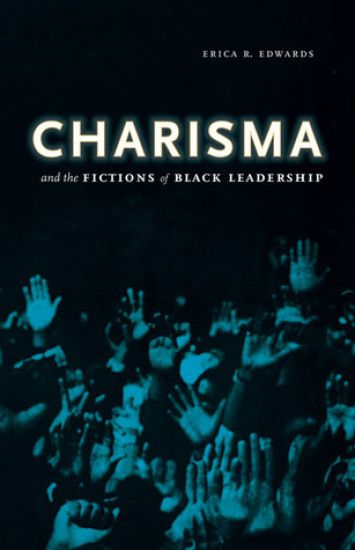
Social and political change is impossible in the absence of gifted male charismatic leadership-this is the fiction that shaped African American culture throughout the twentieth century. If we understand this, Erica R. Edwards tells us, we will better appreciate the dramatic variations within both the modern black freedom struggle and the black literary tradition.By considering leaders such as Marcus Garvey, Martin Luther King Jr., Malcolm X, and Barack Obama as both historical personages and narrative inventions of contemporary American culture, Edwards brings to the study of black politics the tools of intertextual narrative analysis as well as deconstruction and close reading. Examining a number of literary restagings of black leadership in African American fiction by W. E. B. Du Bois, George Schuyler, Zora Neale Hurston, William Melvin Kelley, Paul Beatty, and Toni Morrison, Edwards demonstrates how African American literature has contested charisma as a structuring fiction of modern black politics. Though recent scholarship has challenged top-down accounts of historical change, the presumption that history is made by gifted men continues to hold sway in American letters and life. This may be, Edwards shows us, because while charisma is a transformative historical phenomenon, it carries an even stronger seductive narrative power that obscures the people and methods that have created social and political shifts.
For the Children?

For the Children?

Erica R. Meiners

University of Minnesota Press
2016
nidottu
Childhood has never been available to all.In her opening chapter of For the Children?, Erica R. Meiners stakes the claim that childhood is a racial category often unavailable to communities of color. According to Meiners, this is glaringly evident in the U.S. criminal justice system, where the differentiation between child and adult often equates to access to stark disparities. And what is constructed as child protection often does not benefit many young people or their communities. Placing the child at the heart of the targeted criminalization debate, For the Children? considers how perceptions of innocence, the safe child, and the future operate in service of the prison industrial complex. The United States has the largest prison population in the world, with incarceration and policing being key economic tools to maintain white supremacist ideologies. Meiners examines the school-to-prison pipeline and the broader prison industrial complex in the United States, arguing that unpacking child protection is vital to reducing the nations reliance on its criminal justice system as well as building authentic modes of public safety. Rethinking the meanings and beliefs attached to the child represent a significant and intimate thread of the work to dismantle facets of the U.S. carceral state. Taking an interdisciplinary approach and building from a scholarly and activist platform, For the Children? engages fresh questions in the struggle to build sustainable and flourishing worlds without prisons.
mahogany

mahogany

erica lewis

WESLEYAN UNIVERSITY PRESS
2024
sidottu
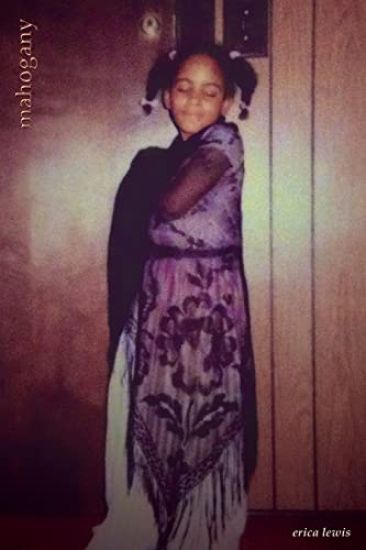
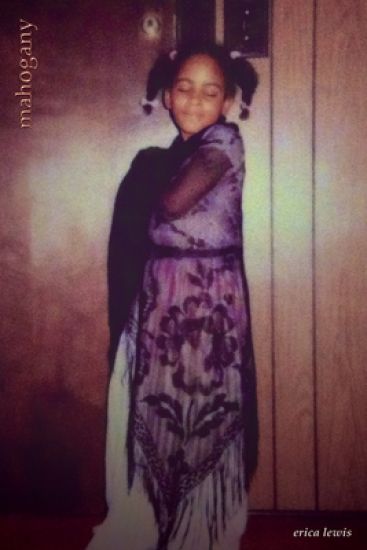
mahogany is about the passing of time and unimaginable loss, strength, humor, and love mahogany takes its name from the dark wood prized for its durability, workability, and elegant look, and from the Diana Ross movie, whose theme song asks if what lies ahead is what you really want. This book is the third in a trilogy, and like the first two books it is steeped in pop music. Each poem here takes its title from a line of a Diana Ross and The Supremes song, as well as songs from Diana Ross' solo career. Short lines flow down the page like postmodern psalms, connecting dailyness to timelessness, merging the historical and the beloved through reverence for family, music, and the life we actually live. mahogany is a lament for the passing of time and unimaginable loss, and at the same time it models the daily search for joy, and the deep shine that can arise from the darkest times.
mahogany

mahogany

erica lewis

WESLEYAN UNIVERSITY PRESS
2024
nidottu
_mahogany_ takes its name from the dark wood prized for its durability, workability, and elegant look, and from the Diana Ross movie, whose theme song asks if what lies ahead is what you really want. This book is the third in a trilogy, and like the first two books it is steeped in pop music. Each poem here takes its title from a line of a Diana Ross and The Supremes song, as well as songs from Diana Ross' solo career. Short lines flow down the page like postmodern psalms, connecting dailyness to timelessness, merging the historical and the beloved through reverence for family, music, and the life we actually live. _mahogany_ is a lament for the passing of time and unimaginable loss, and at the same time it models the daily search for joy, and the deep shine that can arise from the darkest times. [sample poem] _i'm like a woman who once knew splendor*_ sometimes i feel like the pink panther all naked and pink lost in the morass of do the best you can today and nigga heal thy self our end of winter spirits break like old tibetan snow i remember you was conflicted and i found myself alone here on my ancient hurt the disquieting hum of living history dear god, please put my head above my heart we can only be together if the stories are told plain face same instrument just a couple of coke bottles full of gasoline like god and rain is a waste of time my mother used to clean houses as a child some days i can barely get out of bed in my mind she's like diana ross scrubbing the white lady's stairs in lady sings the blues except prettier and with green eyes i've just been living off of cough drops and water and anger just sitting in the whole foods parking lot eating pineapple i am literally the definition of "hot mess" pain changes everything somebody come and pick up my limp body off the ground i am dying a slow ohio death we miss you starman it's our first sunrise of the burn *"dark side of the world" erica lewis
To Live an Antislavery Life

To Live an Antislavery Life

Erica L. Ball

University of Georgia Press
2012
sidottu
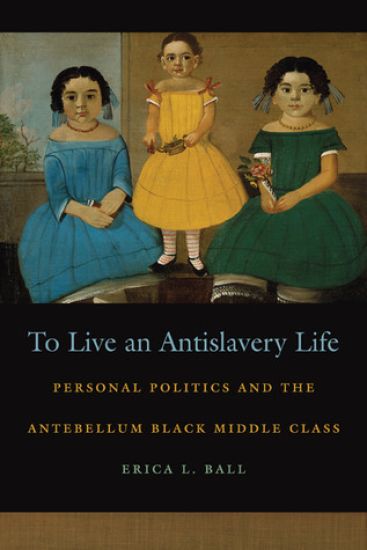
In this study of antebellum African American print culture in transnational perspective, Erica L. Ball explores the relationship between antislavery discourse and the emergence of the northern black middle class.Through innovative readings of slave narratives, sermons, fiction, convention proceedings, and the advice literature printed in forums like Freedom’s Journal, the North Star, and the Anglo-African Magazine, Ball demonstrates that black figures such as Susan Paul, Frederick Douglass, and Martin Delany consistently urged readers to internalize their political principles and to interpret all their personal ambitions, private familial roles, and domestic responsibilities in light of the freedom struggle. Ultimately, they were admonished to embody the abolitionist agenda by living what the fugitive Samuel Ringgold Ward called an “antislavery life.”Far more than calls for northern free blacks to engage in what scholars call “the politics of respectability,” African American writers characterized true antislavery living as an oppositional stance rife with radical possibilities, a deeply personal politics that required free blacks to transform themselves into model husbands and wives, mothers and fathers, self-made men, and transnational freedom fighters in the mold of revolutionary figures from Haiti to Hungary. In the process, Ball argues, antebellum black writers crafted a set of ideals—simultaneously respectable and subversive—for their elite and aspiring African American readers to embrace in the decades before the Civil War.Published in association with the Library Company of Philadelphia’s Program in African American History. A Sarah Mills Hodge Fund Publication.
To Live an Antislavery Life

To Live an Antislavery Life

Erica L. Ball

University of Georgia Press
2012
pokkari
In this study of antebellum African American print culture in transnational perspective, Erica L. Ball explores the relationship between antislavery discourse and the emergence of the northern black middle class.Through innovative readings of slave narratives, sermons, fiction, convention proceedings, and the advice literature printed in forums like Freedom’s Journal, the North Star, and the Anglo-African Magazine, Ball demonstrates that black figures such as Susan Paul, Frederick Douglass, and Martin Delany consistently urged readers to internalize their political principles and to interpret all their personal ambitions, private familial roles, and domestic responsibilities in light of the freedom struggle. Ultimately, they were admonished to embody the abolitionist agenda by living what the fugitive Samuel Ringgold Ward called an “antislavery life.”Far more than calls for northern free blacks to engage in what scholars call “the politics of respectability,” African American writers characterized true antislavery living as an oppositional stance rife with radical possibilities, a deeply personal politics that required free blacks to transform themselves into model husbands and wives, mothers and fathers, self-made men, and transnational freedom fighters in the mold of revolutionary figures from Haiti to Hungary. In the process, Ball argues, antebellum black writers crafted a set of ideals—simultaneously respectable and subversive—for their elite and aspiring African American readers to embrace in the decades before the Civil War.Published in association with the Library Company of Philadelphia’s Program in African American History. A Sarah Mills Hodge Fund Publication.
Appalachia on the Table

Appalachia on the Table

Erica Abrams Locklear

UNIVERSITY OF GEORGIA PRESS
2023
pokkari
When her mother passed along a cookbook made and assembled by her grandmother, Erica Abrams Locklear thought she knew what to expect. But rather than finding a homemade cookbook full of apple stack cake, leather britches, pickled watermelon, or other “traditional” mountain recipes, Locklear discovered recipes for devil’s food cake with coconut icing, grape catsup, and fig pickles. Some recipes even relied on food products like Bisquick, Swans Down flour, and Calumet baking powder. Where, Locklear wondered, did her Appalachian food script come from? And what implicit judgments had she made about her grandmother based on the foods she imagined she would have been interested in cooking? Appalachia on the Table argues, in part, that since the conception of Appalachia as a distinctly different region from the rest of the South and the United States, the foods associated with the region and its people have often been used to socially categorize and stigmatize mountain people. Rather than investigate the actual foods consumed in Appalachia, Locklear instead focuses on the representations of foods consumed, implied moral judgments about those foods, and how those judgments shape reader perceptions of those depicted. The question at the core of Locklear’s analysis asks, How did the dominant culinary narrative of the region come into existence and what consequences has that narrative had for people in the mountains?
Appalachia on the Table

Appalachia on the Table

Erica Abrams Locklear

UNIVERSITY OF GEORGIA PRESS
2023
sidottu
When her mother passed along a cookbook made and assembled by her grandmother, Erica Abrams Locklear thought she knew what to expect. But rather than finding a homemade cookbook full of apple stack cake, leather britches, pickled watermelon, or other “traditional” mountain recipes, Locklear discovered recipes for devil’s food cake with coconut icing, grape catsup, and fig pickles. Some recipes even relied on food products like Bisquick, Swans Down flour, and Calumet baking powder. Where, Locklear wondered, did her Appalachian food script come from? And what implicit judgments had she made about her grandmother based on the foods she imagined she would have been interested in cooking? Appalachia on the Table argues, in part, that since the conception of Appalachia as a distinctly different region from the rest of the South and the United States, the foods associated with the region and its people have often been used to socially categorize and stigmatize mountain people. Rather than investigate the actual foods consumed in Appalachia, Locklear instead focuses on the representations of foods consumed, implied moral judgments about those foods, and how those judgments shape reader perceptions of those depicted. The question at the core of Locklear’s analysis asks, How did the dominant culinary narrative of the region come into existence and what consequences has that narrative had for people in the mountains?
Pedagogy, Technology, and the Body

Pedagogy, Technology, and the Body

Erica McWilliam; Peter G. Taylor

Peter Lang Publishing Inc
1996
nidottu
This collection of essays is a genuinely interdisciplinary exploration of the changing relationship of pedagogy, technology, and human beings in contemporary educational and cultural settings. The authors draw upon the most recent theoretical developments in education, the arts, the human body, and technology to interrogate changing pedagogical practices both inside and beyond educational institutions. Their focus on new forms of cultural exchange constitutes a radical re-thinking of the nature of pedagogical events beyond the boundaries of the traditional educational disciplines.
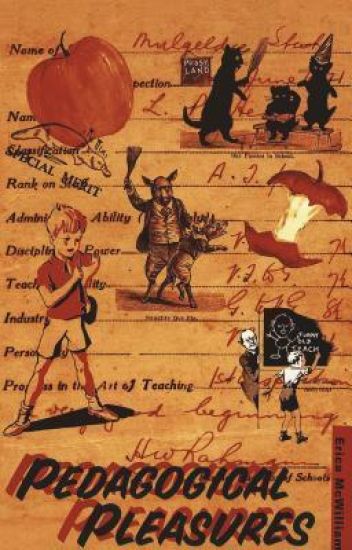
Pedagogical Pleasures

Pedagogical Pleasures

Erica McWilliam

Peter Lang Publishing Inc
1999
nidottu
"Pedagogical Pleasures" inquires into pleasure (understood as enjoyment, delight, and/or gratification) as a crucial but neglected aspect of teachers' lives and work. Pleasure is examined as an historically contingent and unstable product of language use, rather than as a spontaneous, personal, and psychological-feeling.- This book is a departure from conventional accounts of pedagogy in "two ways": It is unashamedly about "teachers" rather than "students," and it does not offer any "solution" to pedagogical "problems." Instead, it seeks to extend pedagogical knowledge by inquiring into the sorts of pleasure that are available to teachers at this historical time."
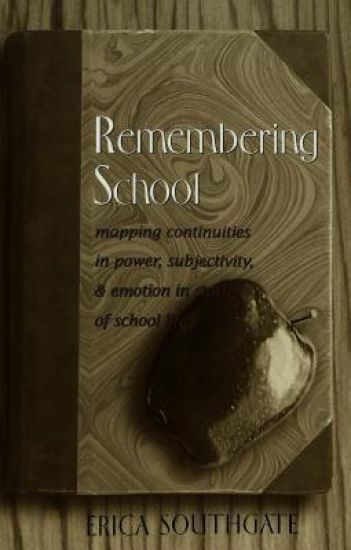
Remembering School

Remembering School

Erica Southgate

Peter Lang Publishing Inc
2003
nidottu
What do people remember about their school experience? What do the memories of generations of ex-students have in common? What do these memories tell us about the power relations and emotions produced by the institution of school? What effect does school have on the formation of the -self-? "Remembering School" uses a unique theoretical and methodological framework constructed from the theories of Michel Foucault and post-structural feminism to explore the collective memory of school. This book draws on a wide range of stories to explore memories of punishment, bullying, gender and race relations, and pleasure. Erica Southgate uses a clear, often witty, writing style to provide a provocative account of the enduring power relations of schooling and their lasting impact on people."
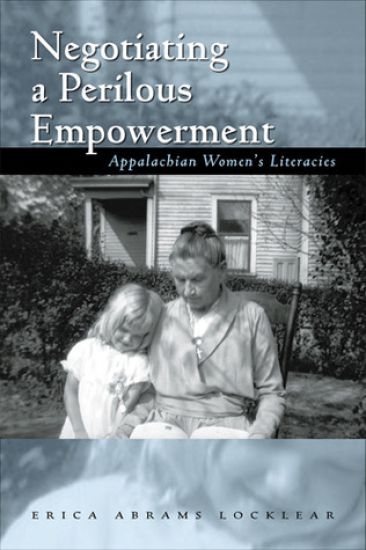
Negotiating a Perilous Empowerment

Negotiating a Perilous Empowerment

Erica Abrams Locklear

Ohio University Press
2011
sidottu
In many parts of Appalachia, family ties run deep, constituting an important part of an individual's sense of self. In some cases, when Appalachian learners seek new forms of knowledge, those family ties can be challenged by the accusation that they have gotten above their raisings, a charge that can have a lasting impact on family and community acceptance. Those who advocate literacy sometimes ignore an important fact — although empowering, newly acquired literacies can create identity conflicts for learners, especially Appalachian women. In Negotiating a Perilous Empowerment, Erica Abrams Locklear explores these literacy-initiated conflicts, analyzing how authors from the region portray them in their fiction and creative nonfiction. Abrams Locklear blends literacy studies with literary criticism to analyze the central female characters in the works of Harriette Simpson Arnow, Linda Scott DeRosier, Denise Giardina, and Lee Smith. She shows how these authors deftly overturn stereotypes of an illiterate Appalachia by creating highly literate characters, women who not only cherish the power of words but also push the boundaries of what literacy means. Negotiating a Perilous Empowerment includes in-depth interviews with Linda Scott DeRosier and Lee Smith, making this an insightful study of an important literary genre.