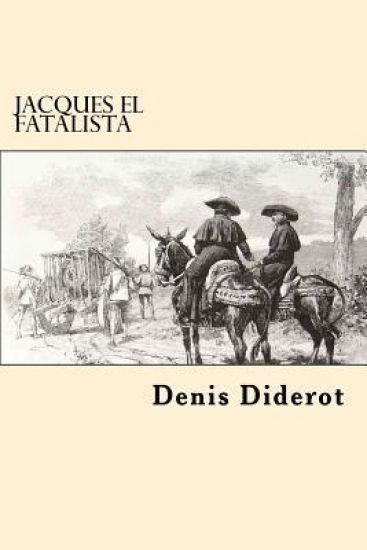
Jacques le fataliste et son ma tre est un dialogue philosophique (entre Jacques et son ma tre) de Denis Diderot dont l' criture s' tend de 1765 jusqu' la mort de ce dernier en 1784. Multipliant les rebondissements invraisemblables, tout comme les interruptions oiseuses d'un narrateur exasp rant et omnipr sent, le roman raille ouvertement les poncifs du genre, quitte irriter son lecteur dont les attentes semblent sans cesse d ues. L'incipit du roman, demeur c l bre, donne le ton: Comment s' taient-ils rencontr s? Par hasard, comme tout le monde. Comment s'appelaient-ils? Que vous importe? D'o venaient-ils? Du lieu le plus prochain. O allaient-ils? Est-ce que l'on sait o l'on va? Que disaient-ils? Le ma tre ne disait rien; et Jacques disait que son capitaine disait que tout ce qui nous arrive de bien et de mal ici-bas tait crit l -haut. Jacques, qui voyage en compagnie de son ma tre, poss de une personnalit plus complexe que celle d'un valet de com die: il est bavard mais aussi quelque peu philosophe ( une esp ce de philosophe ) et c'est son fatalisme qu'il doit son surnom. Pour combler l'ennui, il promet son ma tre de lui raconter la suite de ses aventures amoureuses. Mais ce r cit est sans cesse interrompu soit par son ma tre, soit par des interventions ou incidents ext rieurs, soit par des histoires autonomes venant se substituer au r cit initial, soit par des discussions entre le narrateur et le lecteur.
En 1710, Port-Royal fut pris par les Anglais, qui le nomm rent Annapolis. C' tait le centre de l' tablissement le plus consid rable des Fran ais en Am rique, l'un des appuis importants de leur puissance et le point qui avait toujours le plus menac les colonies britanniques. En 1711, toute la presqu' le acadienne subit le sort de Port-Royal: la France l'abandonna par le trait d'Utrecht. Ce trait laissait une latitude de deux ans aux anciens habitants pour disposer de leurs biens et rentrer dans les domaines de leur patrie; il ne sp cifiait rien pour ceux qui voudraient rester sous le sceptre des nouveaux ma tres.
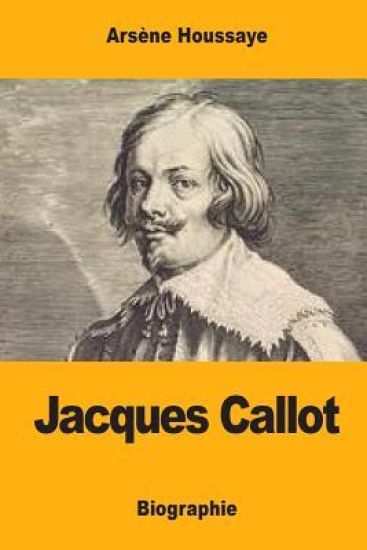
" Nancy est une ancienne ville qui sommeille nonchalamment, dans un doux et joli paysage, avec le songe de plus en plus effac de ses splendides souvenirs. A voir Nancy et son paysage, ses chaumi res qui se suspendent dans les touffes bocag res comme des nids d'oiseaux, ses vignes parsem es de cerisiers, l'ombre de ses grands bois, o le murmure de l'eau se perd dans le murmure du vent; voir de toutes parts cette nature coquette qui a recherch pour sa parure l' meraude des prairies, le panache ondoyant des for ts, la rivi re tincelante au soleil, l' tang et le ruisseau, le pampre bleu tre l'horizon, la petite roche moussue, la haie fleurie, les champs diapr s, enfin le ciel, qui, pour couronner tout cet heureux tableau, a des caprices charmants, on se souvient aussit t que Claude Lorrain est n dans ce pays, mais on se demande si c'est bien l le berceau de Jacques Callot. La nature o nous respirons est aussi notre m re; le plus souvent notre me se forme son image. Si nous sommes peintre ou po te, si Dieu nous a permis de reproduire son oeuvre, c'est la nature du pays natal qui est notre premi re inspiration. L' me de tout homme de g nie est un miroir qu'il prom ne le long du chemin. On peut donc s' tonner de prime-abord de trouver le berceau et la tombe de Jacques Callot dans cette nature douce et souriante. Est-ce donc l qu'il voyait ses capitans, ses matamores, ses sorciers, ses boh miens, toute cette galerie splendide des curiosit s humaines ? En tudiant la vie de Jacques Callot d s son enfance, je vais d couvrir coup s r quel heureux hasard il a d son g nie..."
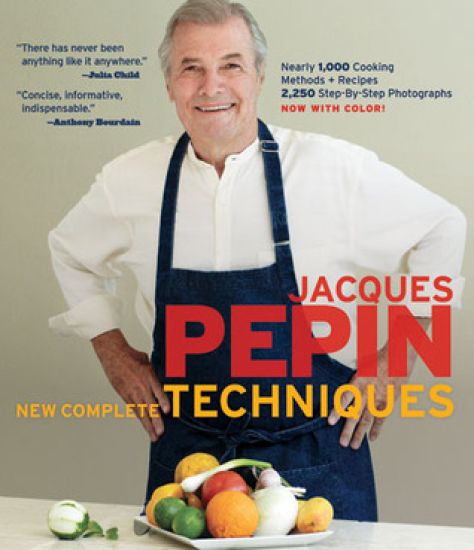
Jacques P?pin is universally hailed by professional chefs and home cooks as the grand master of cooking skills and methods. Now, his classic seminal work, Jacques P?pin?s Complete Techniques, is completely revised and updated with more than 1,000 color photographs and 30% new techniques. Based on P?pin?s 1978 and 1979 archetypal works La M?thode and La Technique,Jacques P?pin'sComplete Techniques has become a cookbook classic in its own right, selling more than 140,000 copies. Comprehensive and authoritative, New Complete Techniques includes more than 600 techniques and methods and 160 recipes that are demonstrated by P?pin in thousand of step-by-step photographs. It is a culinary course on every aspect of classic cooking, from the basics (how to sharpen a knit or peel an onion) and the practical (how to properly bone a chicken (to the whimsical (how to make decorative swans and flowers out of fruits and vegetables) and the complex (how to use an old refrigerator as a smoker for trout). The time-tested recipes show everyone, from the greenest home cook to the seasoned professional, how to put techniques into practice. This completely revised edition includes thousands of color and black-and-white photographs throughout and is redesigned to make it even easier to follow the step-by-step techniques.
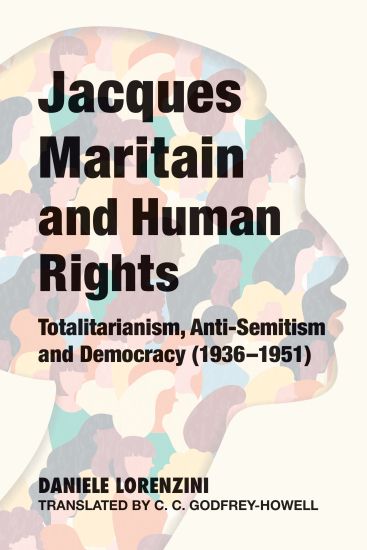
The influence of Jacques Maritain in the post-war era's embrace of human rights is undeniable. Scholars, however, overlook a major shift in his use of language. Daniele Lorenzini argues the turn from Maritain's use of the expression "rights of the person" to "the rights of man" is packed with meaning. Reconstructing the historical context in which this shift occurred is key to fully grasping what Maritain accomplished. It is also essential if one seeks to defend Maritain against accusation that he enacted a victory of the American and French modern revolutionary spirit over ecclesiastical teaching when he legitimized "the rights of man." The notion that Maritain may have taken up the cause of the civic-secular citizen when these secularly articulated rights were consciously never embraced by Catholic magisterium (that instead promulgated the rights of the person) merits serious attention. Lorenzini reconstructs Maritain's historical context and theoretical trajectory shaped by particular circumstances--most evidently World War II, but also his time in the United States and his work with the Committee of Catholics for Human Rights. Lorenzini is not suggesting that Maritain staged a siege of Catholic thought, but that he did in fact lay the foundations for turning the conversation away from the tenets upheld by ecclesiastical authority on the concept of rights toward an articulation that more pointedly connects such rights to the actual possession and protection. How and why this happens, Lorenzini demonstrates, is "grasped only if critically situated in the union of history of history and biography that makes this possible and encourages it, as does Maritain's residency in the United States--an exile that obliged the French philosopher to render a deep seated account of the unbelievable (and tragic) political and intellectual panorama." In short, Maritain set in motion the innovative redefinition of the elements that would soon be known as the human rights. But to Maritain these elements were always proper to the new ideal of the "vitally Christian" political city, the city "founded essentially on the two 'pillars' of democracy and the safeguarding of the rights of man." What originally began as a purely linguistic investigation of Maritain's use of terminology has led Lorenzini to ask whether Maritain himself was won over from the act of conversing of rights associated with personhood to the real-time struggle for these rights, an evolution not just of Maritain's language but of the man himself. Lorenzini's work is a formidable contribution to the literature pertaining to the period of post-war thought and Maritain on human rights. In his labors to carefully digest the full span of Maritain's intellectual trajectory on rights, Lorenzini brings Jacques Maritain alive both as a man of vision but also fervent action, and defends him from critics and historians that accuse him of spurning Church teaching and papal authority. As Lorenzini's study shows, the human rights of the secular-civic world--whose lineage scholars attribute in large part to Maritain--were always derived from Catholic teaching and intended for use in constructing the truly Christian city. This work stands out in a vast repertoire of work on the subject of Jacques Maritain, and accomplishes both high level philosophical and historical sleuthing. It is of particular interest to American readers who may not fully realize the depth of Maritain's maturation of thought during his residency in the United States. This is an astounding read for historians, scholars of political philosophy, and students of Jacques Maritain.
The influence of Jacques Maritain in the post-war era's embrace of human rights is undeniable. Scholars, however, overlook a major shift in his use of language. Daniele Lorenzini argues the turn from Maritain's use of the expression "rights of the person" to "the rights of man" is packed with meaning. Reconstructing the historical context in which this shift occurred is key to fully grasping what Maritain accomplished. It is also essential if one seeks to defend Maritain against accusation that he enacted a victory of the American and French modern revolutionary spirit over ecclesiastical teaching when he legitimized "the rights of man." The notion that Maritain may have taken up the cause of the civic-secular citizen when these secularly articulated rights were consciously never embraced by Catholic magisterium (that instead promulgated the rights of the person) merits serious attention. Lorenzini reconstructs Maritain's historical context and theoretical trajectory shaped by particular circumstances--most evidently World War II, but also his time in the United States and his work with the Committee of Catholics for Human Rights. Lorenzini is not suggesting that Maritain staged a siege of Catholic thought, but that he did in fact lay the foundations for turning the conversation away from the tenets upheld by ecclesiastical authority on the concept of rights toward an articulation that more pointedly connects such rights to the actual possession and protection. How and why this happens, Lorenzini demonstrates, is "grasped only if critically situated in the union of history of history and biography that makes this possible and encourages it, as does Maritain's residency in the United States--an exile that obliged the French philosopher to render a deep seated account of the unbelievable (and tragic) political and intellectual panorama." In short, Maritain set in motion the innovative redefinition of the elements that would soon be known as the human rights. But to Maritain these elements were always proper to the new ideal of the "vitally Christian" political city, the city "founded essentially on the two 'pillars' of democracy and the safeguarding of the rights of man." What originally began as a purely linguistic investigation of Maritain's use of terminology has led Lorenzini to ask whether Maritain himself was won over from the act of conversing of rights associated with personhood to the real-time struggle for these rights, an evolution not just of Maritain's language but of the man himself. Lorenzini's work is a formidable contribution to the literature pertaining to the period of post-war thought and Maritain on human rights. In his labors to carefully digest the full span of Maritain's intellectual trajectory on rights, Lorenzini brings Jacques Maritain alive both as a man of vision but also fervent action, and defends him from critics and historians that accuse him of spurning Church teaching and papal authority. As Lorenzini's study shows, the human rights of the secular-civic world--whose lineage scholars attribute in large part to Maritain--were always derived from Catholic teaching and intended for use in constructing the truly Christian city. This work stands out in a vast repertoire of work on the subject of Jacques Maritain, and accomplishes both high level philosophical and historical sleuthing. It is of particular interest to American readers who may not fully realize the depth of Maritain's maturation of thought during his residency in the United States. This is an astounding read for historians, scholars of political philosophy, and students of Jacques Maritain.
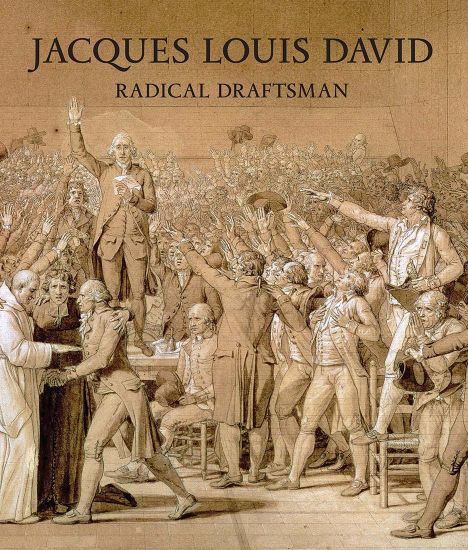
The first major exhibition catalogue to focus on Jacques Louis David’s drawings and their crucial role in his iconic history paintings made before, during, and after the French Revolution “A superb survey . . . a first-rate catalog . . . [a] cornucopia of masterworks.”—Colin B. Bailey, New York Review of Books Jacques Louis David’s (1748–1825) paintings are among the most iconic in the history of Western art, but comparatively little is known about the artist’s nearly 2,000 drawings—from quick chalk sketches scribbled in notebooks to exquisite ink compositions enlivened with oil paint—that formed the basis of beloved masterpieces such as The Oath of the Horatii and The Death of Socrates. Jacques Louis David: Radical Draftsman is the first major publication to focus on the often years-long process of trial and experimentation that progressed from initial idea to finished canvas. Including several recently discovered drawings published here for the first time, this book provides a new perspective on the celebrated master. Essays by international experts on the artist explore how David’s preparatory works on paper reveal the development of his creative process, while also bearing witness to the tumultuous years before, during, and after the French Revolution. As both a participant and an observer, David helped establish the new French society while documenting the drama, violence, and triumphs of modern history-in-the-making. Published by The Metropolitan Museum of Art/Distributed by Yale University PressExhibition Schedule:The Metropolitan Museum of Art, New York (February 17–May 15, 2022)
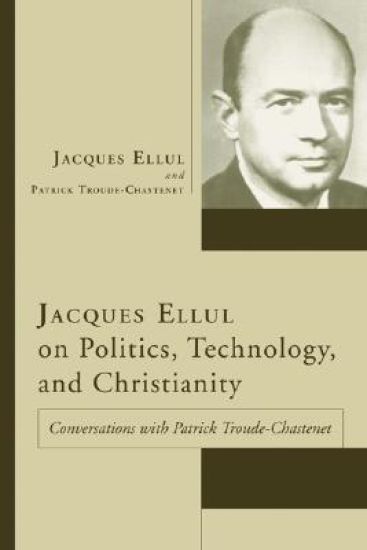
The Final Interviews Before Jacques Ellul Died Jacques Ellul on Politics, Technology, and Christianity is the best and most satisfying set of interviews ever carried out with Jacques Ellul and we are most fortunate to have this rich legacy of thought now available to a broader audience. Patrick Chastenet knew Ellul personally as well as intellectually. His questions display a rare balance of respect, boldness and insight that perhaps no one else could have achieved. Chastenet elicits Ellul's thoughts in Ellul's voice and refuses to edit or re-organize the text in any way that would diminish the realism and authenticity of the conversation. Chastenet truly takes the reader into Ellul's salon for a rare and wonderful experience. David W. Gill, President of the International Jacques Ellul Society Patrick Chastenet's interviews are a ""must read"" for anyone interested in Jacques Ellul or in issues pertaining to modern France. This book is full of important insights into an impressive range of issues, from technology and ecology to theology. Professor Joyce Hanks, University of Scranton Jacques Ellul (1912-1994) was Professor of the History of Institutions at the University of Bordeaux, France, from the end of World War II until his retirement in 1980. He is best known for his brilliant, path-finding analysis of our world in The Technological Society (original French edition, 1954) and many other writings, such as The Technological System, The Technological Bluff, and The Political Illusion. Ellul was also a powerful lay voice for a renewed and reformed Christian theology and ethics. Many of his Christian writings, such as Presence of the Kingdom, Living Faith, and Hope in Time of Abandonment continue to challenge and inspire. For more information, visit www.ellul.org, the web site of the International Jacques Ellul Society. Patrick Troude-Chastenet is Professor of Political Science at the University of Poitiers. He studied with Professor Ellul at the Institute for Political Studies, University of Bordeaux, 1974-76. He is author of an introduction to Ellul's thought, Lire Ellul: Introduction a l'oeuvre socio-politique de Jacques Ellul (1992) and editor of two anthologies on Ellul's thought: Sur Jacques Ellul: Un penseur de notre temps (1994) and a forthcoming collection from the international colloquium at Poitiers, October 2004, entitled Jacques Ellul: Libre examen d'une pensee sans frontieres. Chastenet is the founding president of L'Association Internationale Jacques Ellul (www.jacques-ellul.org) and founding editor of the annual Cahiers Jacques Ellul. The interviews in the present volume were conducted over a fourteen-year period, 1981-1994, and were originally published as Entretiens avec Jacques Ellul (1994).
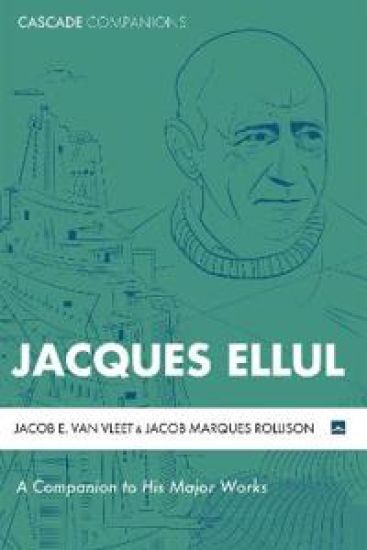
Jacques Ellul (1912-1994) was Professor of the History and Sociology of Institutions at the University of Bordeaux. A sociologist, historian, and Protestant lay theologian, Ellul is primarily known for his writings on technology, propaganda, and Christian anarchism. He influenced a wide array of thinkers including Ivan Illich, William Stringfellow, Thomas Merton, Paul Virilio, and Neil Postman. In this book, Jacob Van Vleet and Jacob Marques Rollison guide readers through Ellul's most influential theological and sociological writings. By understanding Ellul's primary works, readers will be able to clearly grasp his social theory and theological ethics, profiting from his deep insight and prophetic wisdom.
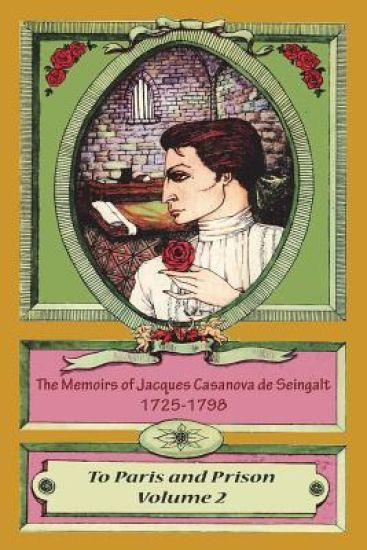
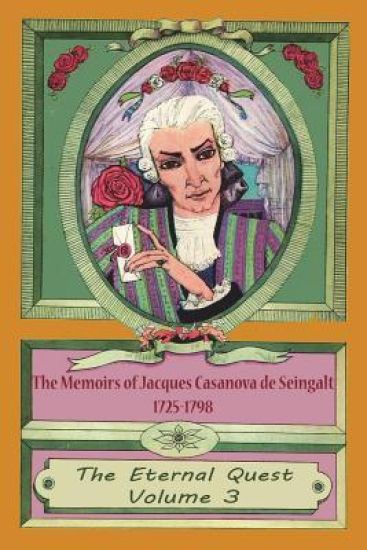
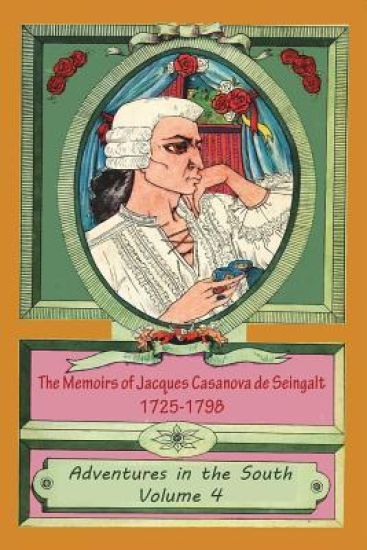
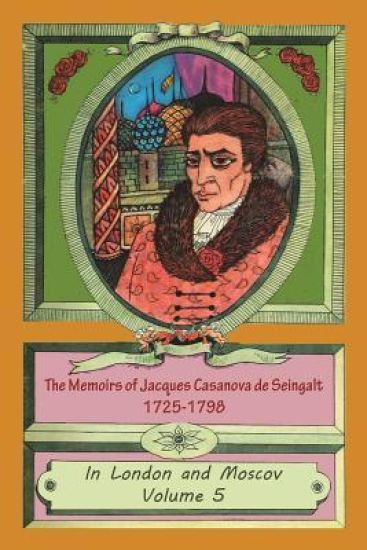
Rare edition with unique illustrations and elegant classic cream paper. According to Wikipedia: "Giacomo Girolamo Casanova de Seingalt (1725-1798) was a Venteitian adveturers and author. His main book Histoire de ma vie (History of My Life), part autobiography and part memoir, is regarded as one of the most authentic sources of the customs and norms of European social life during the 18th century. So famous a womanizer was the Italian-born libertine Giacomo Casanova that, a full two centuries after his death, his name remains synonymous with the art of seduction. But for the years he spent in the employ of Count Waldstein of Bohemia as a librarian, Casanova, "the world's greatest lover" at one time the company of European royalty, popes and cardinals, and man known to the likes of Voltaire, Goethe and Mozart would have been consigned to obscurity." Includes unique illustrations.
Rare edition with unique illustrations and elegant classic cream paper. According to Wikipedia: "Giacomo Girolamo Casanova de Seingalt (1725-1798) was a Venteitian adveturers and author. His main book Histoire de ma vie (History of My Life), part autobiography and part memoir, is regarded as one of the most authentic sources of the customs and norms of European social life during the 18th century. So famous a womanizer was the Italian-born libertine Giacomo Casanova that, a full two centuries after his death, his name remains synonymous with the art of seduction. But for the years he spent in the employ of Count Waldstein of Bohemia as a librarian, Casanova, "the world's greatest lover" at one time the company of European royalty, popes and cardinals, and man known to the likes of Voltaire, Goethe and Mozart would have been consigned to obscurity." Includes unique illustrations.
Rare edition with unique illustrations and elegant classic cream paper. According to Wikipedia: "Giacomo Girolamo Casanova de Seingalt (1725-1798) was a Venteitian adveturers and author. His main book Histoire de ma vie (History of My Life), part autobiography and part memoir, is regarded as one of the most authentic sources of the customs and norms of European social life during the 18th century. So famous a womanizer was the Italian-born libertine Giacomo Casanova that, a full two centuries after his death, his name remains synonymous with the art of seduction. But for the years he spent in the employ of Count Waldstein of Bohemia as a librarian, Casanova, "the world's greatest lover" at one time the company of European royalty, popes and cardinals, and man known to the likes of Voltaire, Goethe and Mozart would have been consigned to obscurity." Includes unique illustrations.
Rare edition with unique illustrations and elegant classic cream paper. According to Wikipedia: "Giacomo Girolamo Casanova de Seingalt (1725-1798) was a Venteitian adveturers and author. His main book Histoire de ma vie (History of My Life), part autobiography and part memoir, is regarded as one of the most authentic sources of the customs and norms of European social life during the 18th century. So famous a womanizer was the Italian-born libertine Giacomo Casanova that, a full two centuries after his death, his name remains synonymous with the art of seduction. But for the years he spent in the employ of Count Waldstein of Bohemia as a librarian, Casanova, "the world's greatest lover" at one time the company of European royalty, popes and cardinals, and man known to the likes of Voltaire, Goethe and Mozart would have been consigned to obscurity." Includes unique illustrations.
Rare edition with unique illustrations and elegant classic cream paper. According to Wikipedia: "Giacomo Girolamo Casanova de Seingalt (1725-1798) was a Venteitian adveturers and author. His main book Histoire de ma vie (History of My Life), part autobiography and part memoir, is regarded as one of the most authentic sources of the customs and norms of European social life during the 18th century. So famous a womanizer was the Italian-born libertine Giacomo Casanova that, a full two centuries after his death, his name remains synonymous with the art of seduction. But for the years he spent in the employ of Count Waldstein of Bohemia as a librarian, Casanova, "the world's greatest lover" at one time the company of European royalty, popes and cardinals, and man known to the likes of Voltaire, Goethe and Mozart would have been consigned to obscurity." Includes unique illustrations.