Kirjojen hintavertailu. Mukana 12 016 292 kirjaa ja 12 kauppaa.

Kirjahaku

Etsi kirjoja tekijän nimen, kirjan nimen tai ISBN:n perusteella.

1000 tulosta hakusanalla Kenneth Neill Cameron

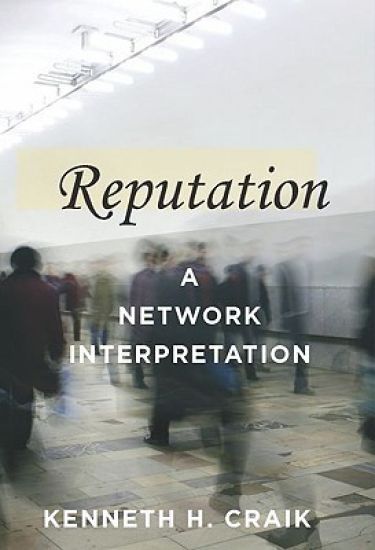
Reputation

Reputation

Kenneth H. Craik

Oxford University Press Inc
2009
sidottu
This book argues that a network interpretation of reputation advances our understanding of an essential and inescapable feature of social life and integrates many of its' varied facets. Reputation is a dispersed phenomenon that is to be found in the beliefs and assertions of an extensive number of other individuals. Reputation is part of the environment but uniquely referenced to a specific person. Discussions concerning reputation are often vague with regard to who are those others holding beliefs or making assertions about a person and thereby contributing to that person's reputation, with reference perhaps to 'people in general' or 'society at large.' A network model of reputation generates conceptual innovations that have systematic implications for such diverse disciplines as network theory and social network analysis, gossip research, person perception and cognition, social representation research, personality theory and assessment, publicity and public relations, libel law, biographical studies, and cultural history. Craik argues that reputation is not simply a central topic for the study of social life. Rather, it holds the potential to sustain an interdisciplinary field of inquiry in its own right.
Linking to the Past: A Brief Introduction to Archaeology [With CDROM] [With CDROM]
This thoroughly revised Second Edition of Linking to the Past features: * A completely reorganized structure that ensures all students take the same pathway to learning the material traditionally covered in an archaeology course* An expanded focus that covers the whole of the archaeological experience (including ceramics, theory, and human burials) and integrates examples from around the globe* Updated material on such cutting-edge technology and theory as transformation processes, GIS, Total Station, glacial dating, and aerial photography* Discussions of current issues facing archaeology, including federal legislation that protects archaeological sites* More in-depth coverage of the scientific method; the history and development of archaeology; various theoretical approaches; and the archaeology of social inequality, race, gender, and the sacred* An in-text CD with interactive student exercises and slide shows Written in a conversational style, Linking to the Past: A Brief Introduction to Archaeology, Second Edition, offers students a concise and entertaining introduction to archaeological methods. Author Kenneth L. Feder helps students relate to the study of the past and learn what it means to think like an archaeologist by using accessible examples drawn from daily life; he examines the evolution of the beer and soda can to teach about seriation, demonstrates how technology changes over time with an iPod, and introduces dendrochronology by discussing a tree that fell on his property during a storm. Employing an "ask-and-answer" approach, Feder leads students through a wide-ranging series of questions about how archaeologists find, recover, study, and interpret the material culture left behind by earlier peoples. To give students an opportunity to think like archaeologists, the author offers interactive student exercises and slide shows (provided on the in-text CD). Linked to chapters in the text, the exercises on the CD include exploring a topographic map to see what features might support human habitation, translating radiocarbon dates into calendar years, and calculating the age at death of a sample of human beings by examining their skeletal features. The text is also enriched by additional pedagogical features including detailed study questions at the end of each chapter, an extensive glossary of more than 200 key terms, and suggestions for further reading. An Instructor's Manual on CD is also available.
Emotions in Child Psychotherapy

Emotions in Child Psychotherapy

Kenneth Barish

Oxford University Press Inc
2010
sidottu
Emotions are the common ground of child psychotherapy and a therapist's essential means of communication with children. Improved emotional resilience must be the shared therapeutic goal of all those who work with children and families. In Emotions in Child Psychotherapy, Kenneth Barish presents an integrative framework for child therapy, based on a contemporary understanding of the child's emotional experience. Barish begins with a concise review of recent advances in the psychology and neuroscience of emotions and an analysis of several emotions-interest, shame and pride, anxiety, anger, and sadness-that are essential, but often underappreciated, in therapeutic work with children. Offering an emotion-based perspective on optimal and pathological development in childhood, Barish argues that in pathological development, negative emotions have become malignant and children are locked in vicious cycles of interaction that perpetuate defiance and withdrawal. Based on these principles, Barish presents a comprehensive model for therapeutic work with children and families. He demonstrates how a systematic focus on the child's emotions provides new understandings of all phases of the therapeutic process and effective means of solving persistent clinical problems: how to engage more children in treatment, mitigate the child's resistance, and provide the kind of understanding to children that promotes openness, initiative, and pro-social character development. Finally, Barish offers a set of active therapeutic strategies that will help repair family relationships damaged by frequent anger and resentment, as well as specific techniques to help parents resolve many of the most common challenges of childrearing. Emotions in Child Psychotherapy includes extensive clinical illustrations and addresses many of the problems faced, at some time, by every child therapist. Both richly informative and highly practical, this book will be value to all students of child therapy and to practicing clinicians of differing theoretical orientations.
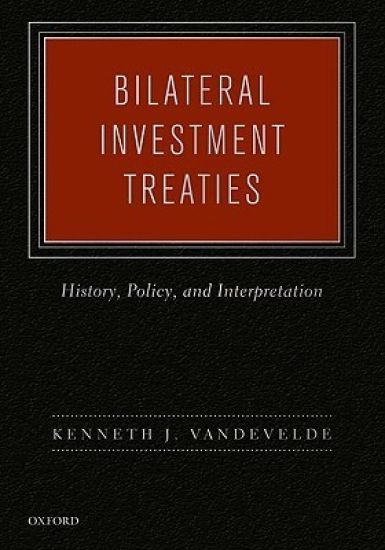
Bilateral Investment Treaties

Bilateral Investment Treaties

Kenneth J. Vandevelde

Oxford University Press Inc
2010
sidottu
Bilateral Investment Treaties: History, Policy, and Interpretation organizes, summarizes and comments upon the arbitral awards interpreting and applying BIT provisions. Policymakers and practitioners will find a thorough introduction to the operation of the BITs, including the principal arguments and case authorities on both sides of the major issues in international investment law. The book is intended to be a single-volume reference covering every important development in the 50 years of BIT programs worldwide, from 1959 until 2009. Author Kenneth Vandevelde argues that the primary purpose of the BITs is to promote the application of the rule of law to foreign investment, while a secondary purpose is to create a liberal investment regime. He further argues that BITs are based on six core principles: reasonableness, security, nondiscrimination, access, transparency and due process. The book explains each of these principles and analyzes the major BIT provisions based on them. Vandevelde addresses the host of complex questions that BITs engender: Do bilateral investment treaties attract foreign investment or otherwise contribute to economic development? Do BITs limit host state regulatory discretion too much? Why should countries continue to conclude BITs? What is meant by BIT guarantees of "fair and equitable treatment" and "full protection and security"? What is the scope of the BIT provision for most-favored-nation treatment? The book's expert analysis of these questions makes it useful to policy makers in the area of international economic relations, attorneys representing multinational companies, and anyone interested in the process of economic globalization.
U.S. International Investment Agreements

U.S. International Investment Agreements

Kenneth J Vandevelde

Oxford University Press Inc
2009
sidottu
U.S. International Investment Agreements is the definitive interpretative guide to the United States' bilateral investment treaties (BITs) and free trade agreements (FTAs) with investment chapters. Providing an authoritative look at the development of the BIT program, treatment provisions, expropriation, and other provisions, Kenneth J. Vandevelde draws on his years of investment treaty and agreement expertise as both a former practitioner and a scholar. This unique and well-organized book analyzes the development of U.S. international investment agreement language and strategy within their historical context. It also explains the newest changes to the model negotiating text (US Model BIT 2004) and additional treaties.
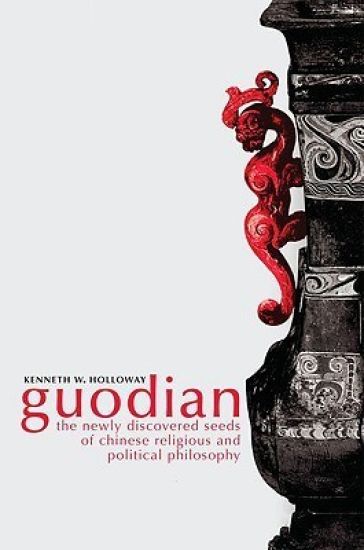
Guodian

Guodian

Kenneth Holloway

Oxford University Press Inc
2009
sidottu
Fourteen years ago, a corpus of bamboo-strip texts was found in a late-fourth-century-BCE tomb at Jingmen, Hubei province in central China. The discovery of the "Guodian" texts, together with other recently discovered Warring States manuscripts, has revolutionized the study of early Chinese intellectual history. Kenneth Holloway argues that the Guodian corpus puts forth a political philosophy based on the harmonious interconnection of individuals engaged in moral self cultivation. This unique worldview, says Holloway, cannot meaningfully be categorized as "Confucian" or "Daoist," because it shares important concepts and vocabulary with a number of different textual traditions that have anachronistically been characterized as competing or incompatible "schools" of thought. He finds that within the Guodian corpus familiar philosophical concepts and texts are applied in distinctive ways, presenting a worldview that is quite different from the received textual traditions. In addition to contributing to our understanding of this particular body of texts, Holloway proposes a methodology for assessing a corpus of texts without relying on assumptions and definitions that derive from two millennia of scholarship.
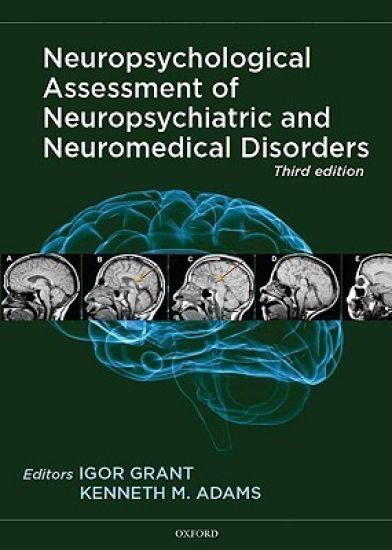
Neuropsychological Assessment of Neuropsychiatric and Neuromedical Disorders
This is a major revision of a standard reference work for neuropsychologists, psychiatrists, and neurologists. About one-half of the book contains entirely new work by new contributors. New topics not covered in the previous editions include consideration of common sources of neurocognitive morbidity, such as multiple sclerosis, diabetes, and exposure to heavy metals; psychiatric and behavioral disorders associated wtih traumatic brain injury; neuropsychology in relation to everyday functioning; the effects of cognitive impairment on driving skills, and adherence to medical treatments. The Third Edition aims to reflect the enormous developments in neuropsychology in terms of research, clinical applications, and growth of new talent during the past decade. At one time focused on mapping the cognitive and related consequences of brain injuries, research in neuropsychology has now expanded to much broader considerations of the effects of systemic disease, infection, medications, and inflammatory processes on neurocognition and emotion. The Third Edition attemtps to capture these developments while continuing to adhere to the objective of presenting them in a concise manner in a single volume.
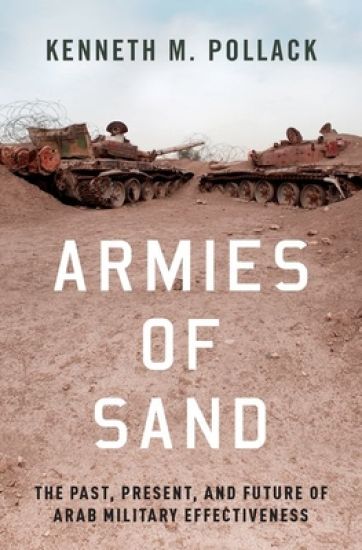
Armies of Sand

Armies of Sand

Kenneth Pollack

Oxford University Press Inc
2020
nidottu
Since the Second World War, Arab armed forces have consistently punched below their weight. They have lost many wars that by all rights they should have won, and in their best performances only ever achieved quite modest accomplishments. Over time, soldiers, scholars, and military experts have offered various explanations for this pattern. Reliance on Soviet military methods, the poor civil-military relations of the Arab world, the underdevelopment of the Arab states, and patterns of behavior derived from the wider Arab culture, have all been suggested as the ultimate source of Arab military difficulties. In Armies of Sand, Kenneth M. Pollack assesses these differing explanations and isolates the most important causes. Over the course of the book, he examines the combat performance of fifteen Arab armies and air forces in virtually every Middle Eastern war, from the Jordanians and Syrians in 1948 to Hizballah in 2006 and the Iraqis and ISIS in 2014-2017. The book ultimately concludes that reliance on Soviet doctrine was more of a help than a hindrance to the Arabs. In contrast, politicization and underdevelopment were both important factors limiting Arab military effectiveness, but patterns of behavior derived from the dominant Arab culture was the most important factor of all. Pollack closes with a discussion of the rapid changes occurring across the Arab world, and suggests that because both Arab society and warfare are changing, the problems that have bedeviled Arab armed forces in the past could dissipate or even vanish in the future, with potentially dramatic consequences for the Middle East military balance. Sweeping in its coverage, this will be the go-to reference for anyone interested in the history of warfare in the Middle East since 1945.
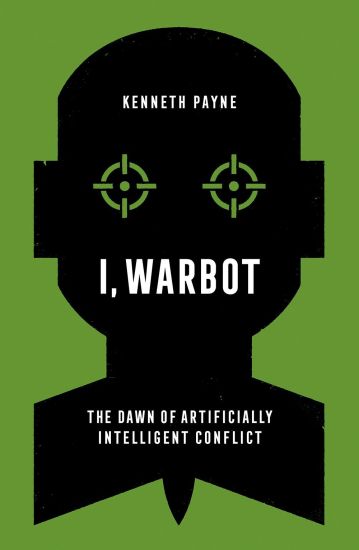
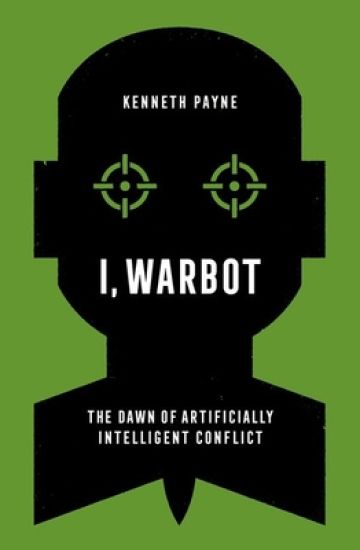
I, Warbot: The Dawn of Artificially Intelligent Conflict

I, Warbot: The Dawn of Artificially Intelligent Conflict

Kenneth Payne

Oxford University Press, USA
2021
sidottu
Artificial Intelligence is going to war. Intelligent weapon systems are here today, and many more are on the way tomorrow. Already, they're reshaping conflict--from the chaos of battle, with pilotless drones, robot tanks and unmanned submersibles, to the headquarters far from the action, where generals and politicians use technology to weigh up what to do. AI changes how we fight, and even how likely it is that we will. In battle, warbots will be faster, more agile and more deadly than today's crewed weapons. New tactics and concepts will emerge, with spoofing and swarming to fool and overwhelm enemies. Strategies are changing too. When will an intelligent machine escalate, and how can it be deterred? Can robots predict the future? And what happens to the 'art of war' as machines themselves become creative? Autonomous warfare makes many people uneasy. An international campaign against 'killer robots' hopes to ban AI from conflict. But the genie is out--AI weapons are too useful for states to outlaw. Still, crafting sensible rules for warbots is possible. This fascinating book shows how it might be done.
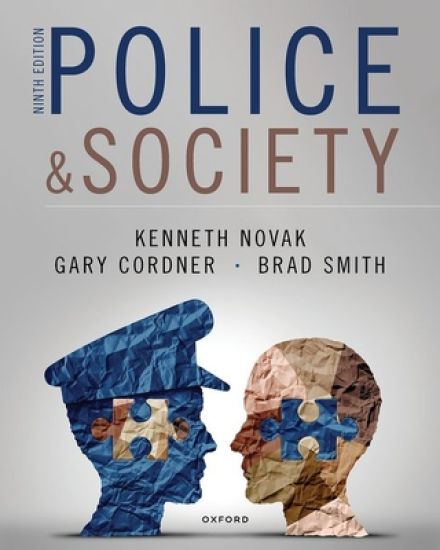
Police and Society

Police and Society

Kenneth Novak; Gary Cordner; Brad Smith; Roy Roberg

OXFORD UNIVERSITY PRESS INC
2023
nidottu
Police & Society, Ninth Edition, offers an in-depth and analytical look at policing, from police behavior and organization to operations and historical perspectives. Focusing on the relationship between the police and the community and how it has changed throughout the years, the authors explore the most important theoretical foundations and incisive research on contemporary policing and show how that research is put into practice. The text is enhanced by extensive pedagogy and a unique chapter on higher education and policing.
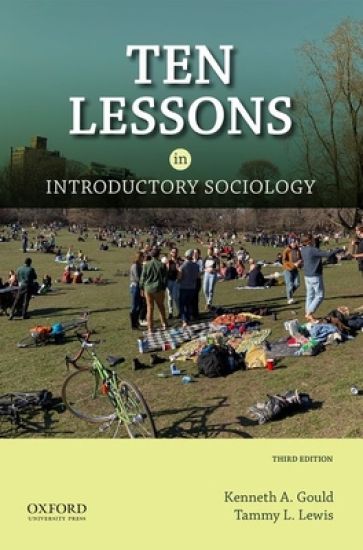
Ten Lessons in Introductory Sociology

Ten Lessons in Introductory Sociology

Kenneth A. Gould; Tammy L. Lewis

OXFORD UNIVERSITY PRESS INC
2022
nidottu
Designed to introduce students to key concepts and methods in sociology and to engage them in critical thinking, Ten Lessons in Introductory Sociology provides a brief and valuable overview to four major questions that guide the discipline: * Why sociology? * What unites us? * What divides us? * How do societies change? Deftly balancing breadth and depth, the book makes the study of sociology accessible, relevant, and meaningful. Contextualizing the most important issues, Ten Lessons helps students discover "the sociological imagination" and what it means to be part of an engaged public discourse.
The Maya and Climate Change

The Maya and Climate Change

Kenneth E. Seligson

OXFORD UNIVERSITY PRESS INC
2023
sidottu
The Classic Maya civilization, which thrived between 200-950 CE in eastern Mesoamerica, faced many environmental challenges, including those wrought by climate change. The ability of Maya communities to adapt their resource conservation practices played a crucial role in allowing them to survive for as long as they did. Researchers today understand that the breakdown of Classic Maya society was the result of many long-term processes. Yet the story that continues to grip the public imagination is that the Maya civilization mysteriously "collapsed". The Maya and Climate Change draws on archaeological, environmental, and historical datasets to provide a comprehensive, yet accessible, overview of Classic Maya human-environment relationships, including how communities addressed the challenges of climatic and demographic changes. It works to shift the focus from the Classic Maya "collapse" to the multiple examples of adaptive flexibility that allowed Pre-Colonial Maya communities to thrive in a challenging natural environment for over seven centuries. Although the Classic Maya civilization did not leave behind much in the way of secret environmental knowledge for us to rediscover, one of the critical lessons that can be learned from studying the Classic Maya is the importance of socio-ecological adaptability--the ability and willingness to change cultural practices to address long-term challenges.
The Past in Perspective: An Introduction to Human Prehistory
Winner of the Textbook & Academic Authors Association's McGuffey Longevity Award The Past in Perspective: An Introduction to Human Prehistory, Ninth Edition, is an engaging and up-to-date chronological overview of human prehistory. Kenneth L. Feder introduces students to "the big picture"--the grand sweep of human evolutionary history--presenting the human past within the context of fundamental themes of cultural evolution. Feder's unique, refreshing, and accessible narrative personalizes the past and makes it relevant to today's students. Using a consistent chapter format, Feder helps students master both what we know and what is still debated about the complex story of the human past.
I, Warbot: The Dawn of Artificially Intelligent Conflict
Artificial Intelligence is going to war. Intelligent weapon systems are here today, and many more are on the way tomorrow. Already, they're reshaping conflict--from the chaos of battle, with pilotless drones, robot tanks and unmanned submersibles, to the headquarters far from the action, where generals and politicians use technology to weigh up what to do. AI changes how we fight, and even how likely it is that we will. In battle, warbots will be faster, more agile and more deadly than today's crewed weapons. New tactics and concepts will emerge, with spoofing and swarming to fool and overwhelm enemies. Strategies are changing too. When will an intelligent machine escalate, and how can it be deterred? Can robots predict the future? And what happens to the 'art of war' as machines themselves become creative? Autonomous warfare makes many people uneasy. An international campaign against 'killer robots' hopes to ban AI from conflict. But the genie is out--AI weapons are too useful for states to outlaw. Still, crafting sensible rules for warbots is possible. This fascinating book shows how it might be done.
Epidemiology

Epidemiology

Kenneth J. Rothman; Krista F. Huybrechts; Eleanor J. Murray

OXFORD UNIVERSITY PRESS INC
2024
nidottu
Across the last fifty years, epidemiology has developed into a vibrant scientific discipline that brings together the social and biological sciences, incorporating everything from statistics to the philosophy of science in its aim to study and track the distribution and determinants of health events. A now-classic text, the third edition of this essential introductory textbook gives an overview of the core concepts that form the underpinnings of epidemiology and epidemiologic research. Rather than focusing on statistics or formulas, Epidemiology presents the underlying epidemiologic principles and concepts in a coherent and straightforward exposition. This core content is supplemented with historical notes, a discussion of scientific inference, details about infectious disease epidemiology, and some advanced topics--including how to deal with missing data, the use of causal diagrams, and quantitative bias analysis techniques--that serve as an on-ramp into further study for those who elect to pursue it. By emphasizing a unifying set of ideas, students will develop a strong foundation for understanding the principles of epidemiologic research.
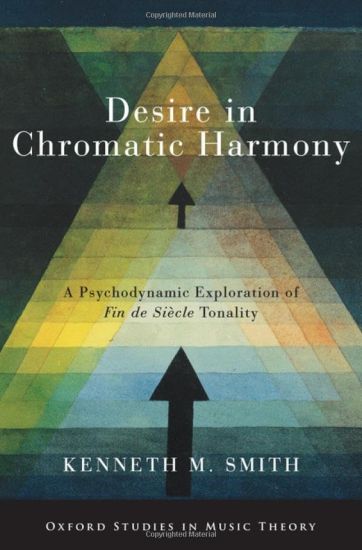
Desire in Chromatic Harmony

Desire in Chromatic Harmony

Kenneth M. Smith

OXFORD UNIVERSITY PRESS INC
2023
nidottu
How does musical harmony engage listeners in relations of desire? Where does this desire come from? Author Kenneth Smith seeks to answer these questions by analyzing works from the turn of the twentieth- century that are both harmonically enriched and psychologically complex. Desire in Chromatic Harmony yields a new theory of how chromatic chord progressions direct the listener on intricate journeys through harmonic space, mirroring the tensions of the psyche found in Schopenhauer, Freud, Lacan, Lyotard, and Deleuze. Smith extends this mode of enquiry into sophisticated music theory, while exploring philosophically engaged European and American composers such as Richard Strauss, Alexander Skryabin, Josef Suk, Charles Ives, and Aaron Copland. Focusing on harmony and chord progression, the book drills down into the diatonic undercurrent beneath densely chromatic and dissonant surfaces. From the obsession with death and mourning in Suk's asrael Symphony to an exploration of "perversion" in Strauss's elektra; from the Sufi mysticism of Szymanowski's Song of the Night to the failed fantasy of the American dream in Copland's The Tender Land, Desire in Chromatic Harmony cuts a path through the dense forests of chromatic complexity, revealing the psychological make-up of post-Wagnerian psychodynamic music.
Frauds, Myths, and Mysteries

Frauds, Myths, and Mysteries

Kenneth Feder

OXFORD UNIVERSITY PRESS INC
2025
nidottu
A common goal in virtually all social science courses is to teach students to think critically. Most students who sign up for this "fun" archaeology course have not been asked to think deeply about how we know what we know. Clearly, it is important for anyone interested in the human past to know, for example, that there is no evidence for a race of giant human beings, and no broken shards of alien's laser guns under Egyptian pyramids. Debunking such nonsense is fun and useful in its own way, but of much greater importance is the process we employ to determine that such claims are nonsense. Frauds, Myths, and Mysteries uses archaeological hoaxes, myths, and mysteries to show how we can truly know things about the human past through science. Frauds is not just a book about how we know what isn't true about the human past; it's also about how we know what is true.