Kirjojen hintavertailu. Mukana 12 017 167 kirjaa ja 12 kauppaa.

Kirjahaku

Etsi kirjoja tekijän nimen, kirjan nimen tai ISBN:n perusteella.

1000 tulosta hakusanalla Norbert Wolf

Studien zu germanischen Schilden der Spätlatène - und der römischen Kaiserzeit im freien Germanien, Teil ii
Dieses Volume ist Teil eines Sets mit drei Volumes: ISBN 9781407392356 (Band I); ISBN 9781407392363 (Band II); ISBN 9781407392370 (Band III); ISBN 9780860546467 (Bands I, II und II).This volume is part of a three volume set: ISBN 9781407392356 (Volume I); ISBN 9781407392363 (Volume II); ISBN 9781407392370 (Volume III); ISBN 9780860546467 (Volume set).

Studien zu germanischen Schilden der Spätlatène - und der römischen Kaiserzeit im freien Germanien, Teil iii
Dieses Volume ist Teil eines Sets mit drei Volumes: ISBN 9781407392356 (Band I); ISBN 9781407392363 (Band II); ISBN 9781407392370 (Band III); ISBN 9780860546467 (Bands I, II und II).This volume is part of a three volume set: ISBN 9781407392356 (Volume I); ISBN 9781407392363 (Volume II); ISBN 9781407392370 (Volume III); ISBN 9780860546467 (Volume set).
Individualisation at Work

Individualisation at Work

Norbert Ebert

Ashgate Publishing Limited
2012
sidottu
Individualisation has become an ambiguous, but defining feature of late modern societies and while it is in part characterised by an increase in individual autonomy and a sense of liberation, individuals are equally required to negotiate a fragmented, pluralised and ambiguous social order by themselves. This book sheds light on the processes and nature of contemporary individualisation, specifically exploring the manner in which it unfolds under conditions of contemporary network capitalism. With attention to the modern workplace, where the individual and the organisation meet directly, but also in the wider community, Individualisation at Work reveals individualisation to become an ideological and ambiguous process of liberation, as conditions of marketisation and corporatisation transform the emancipatory qualities and motivations that define individualisation into a means for the coordination and reproduction of systemic imperatives, which are realised by individuals' qualities and capacities for self-realisation. A rigorous theoretical study, illustrated with interview material gathered amongst managers from internationally operating corporations, this book will appeal to sociologists with interests in work and organisations and the theory of contemporary modernity.
1001 Word Rebuses

1001 Word Rebuses

Norbert Weissinger

AuthorHouse
2005
pokkari
1001 Word Rebuses is a collection of puzzles based on an old theme: the word rebus. A word rebus is a mixture of text and graphics that contains a hidden word, phrase, or idiom. Word rebuses have been popular for hundreds of years and a TV game show was even based on them. This book contains enough rebuses to keep young and old entertained for many hours.
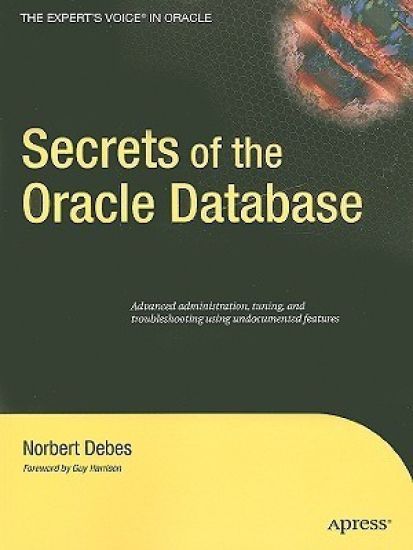
Secrets of the Oracle Database
Secrets of the Oracle Database is the definitive guide to undocumented and partially-documented features of the Oracle Database server. Covering useful but little-known features from Oracle Database 9 through Oracle Database 11, this book will improve your efficiency as an Oracle database administrator or developer. Norbert Debes shines the light of day on features that help you master more difficult administrative, tuning, and troubleshooting tasks than you ever thought possible. Finally, in one place, you have at your fingertips knowledge that previously had to be acquired through years of experience and word of mouth through knowing the right people. What Norbert writes is accurate, well-tested, well-illustrated by clear examples, and sure to improve your ability to make an impact on your day-to-day work with Oracle.
Henry Chauncey

Henry Chauncey

Norbert Elliot

Peter Lang Publishing Inc
2014
sidottu
A leader in twentieth-century education, Henry Chauncey (1905–2002) introduced large-scale assessment into the lives of individual Americans. This first full-length educational biography examines Chauncey’s education at Groton School, Ohio State University, and Harvard College, his position as a teacher at William Penn Charter School, and his role as founding president of the Educational Testing Service. Documenting a career extending from the Great Depression through the end of the Cold War, this book provides an interpretative history of educational measurement through the careers of Chauncey and his contemporaries. As researcher, administrator, and writer, Chauncey dealt with topics central to the history of schools and schooling: the role of accountability in education; the value of individual difference; the identification of talent; the necessity of international perspectives; the resonance between technology and learning; and the impulse for social justice. This biography provides insight into the multidisciplinary factors that shaped the social enterprise of American education.
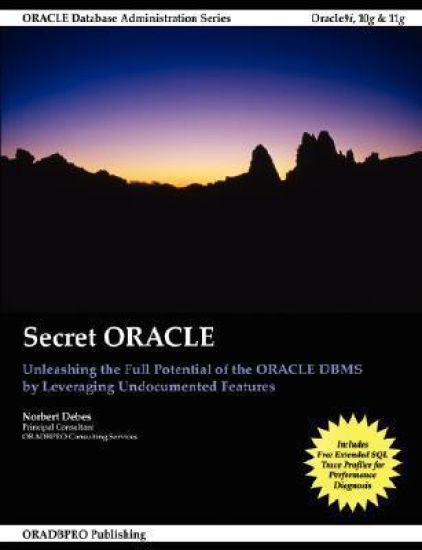
Secret Oracle -- Unleashing the Full Potential of the Oracle Dbms by Leveraging Undocumented Features
Secret ORACLE is the definitive guide to undocumented and partially documented features of the ORACLE database server. This book will improve your efficiency as an ORACLE database administrator and enable you to master more difficult administrative, tuning, and troubleshooting tasks than you ever thought possible. Topics covered include: The MERITS performance optimization method, which extends the state-of-the-art wait event tuning paradigm. Controlling processes of an ORACLE instance with the fragmentarily documented ORADEBUG command to trace SQL statements as well as wait events and dump process state, call stack, and hang analysis information. Tracing the cost based optimizer to understand its cost calculations and decisions. Understanding hidden parameters that govern Automatic PGA Memory Management. Leveraging undocumented features of the Oracle10g/11g scheduler and other partially or fully undocumented PL/SQL packages, such as DBMS_SYSTEM, DBMS_SUPPORT, and DBMS_UTILITY.
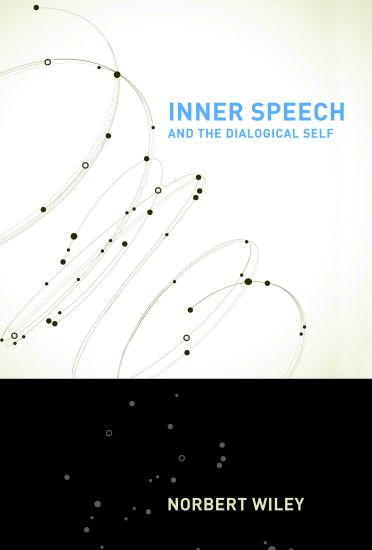
Inner Speech and the Dialogical Self

Inner Speech and the Dialogical Self

Norbert Wiley

Temple University Press,U.S.
2016
sidottu
Inner speech, also known as self-talk, is distinct from ordinary language. It has several functions and structures, from everyday thinking and self-regulation to stream of consciousness and daydreaming. Inner Speech and the Dialogical Self provides a comprehensive analysis of this internal conversation that people have with themselves to think about problems, clarify goals, and guide their way through life. Norbert Wiley shrewdly emphasizes the semiotic and dialogical features of the inner speech, rather than the biological and neurological issues. He also examines people who lack control of their inner speech-such as some autistics and many emotionally disturbed people who use trial and error rather than self-control-to show the power and effectiveness of inner speech. Inner Speech and the Dialogical Self takes a humanistic social theorist approach to its topic. Wiley acknowledges the contributions of inner speech theorists, Lev Vygotsky and Mikhail Bakhtin, and addresses the classical pragmatism of Charles Sanders Peirce, John Dewey, William James, and George Herbert Mead to show the range and depth of this largely unexplored field.
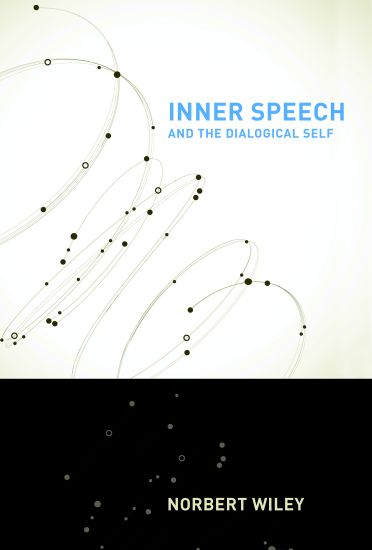
Inner Speech and the Dialogical Self

Inner Speech and the Dialogical Self

Norbert Wiley

Temple University Press,U.S.
2016
pokkari
Inner speech, also known as self-talk, is distinct from ordinary language. It has several functions and structures, from everyday thinking and self-regulation to stream of consciousness and daydreaming. Inner Speech and the Dialogical Self provides a comprehensive analysis of this internal conversation that people have with themselves to think about problems, clarify goals, and guide their way through life. Norbert Wiley shrewdly emphasizes the semiotic and dialogical features of the inner speech, rather than the biological and neurological issues. He also examines people who lack control of their inner speech-such as some autistics and many emotionally disturbed people who use trial and error rather than self-control-to show the power and effectiveness of inner speech. Inner Speech and the Dialogical Self takes a humanistic social theorist approach to its topic. Wiley acknowledges the contributions of inner speech theorists, Lev Vygotsky and Mikhail Bakhtin, and addresses the classical pragmatism of Charles Sanders Peirce, John Dewey, William James, and George Herbert Mead to show the range and depth of this largely unexplored field.