Robert J. Currie; Donald K. Piragoff; Gillian MacNeil; Joseph Rikhof; Michael Nesbitt; Christopher Ram; Leah West; Robin Parker; Peter M. German; James Cohen; Sanaa Ahmed; Michelle Gallant; Joanna Harrington; W. Michael G. Osborne; Kathryn Zedde; Stephen Schneider; Frédéric Mégret; Jeffrey G. Johnston; Amélie Aubut; Adelina Iftene; Olivia Genge; Fraser M. Kelly; Elizabeth Bennett
The time of globalization has seen an onslaught of criminal activity that crosses borders. The legal suppression and prosecution of transnational and cross-border crime raise unique and complex legal issues, and law enforcement, lawyers, and judges have struggled to keep up. Transnational & Cross-Border Criminal Law: Canadian Perspectives fills a pronounced gap in Canadian legal literature. Written by subject matter experts, each chapter exposes and analyzes a current and pressing issue in this realm and is designed both to serve as a resource for researchers and to provide cutting-edge insight on front-burner issues. The group of authors -- made up of prosecutors, defence lawyers, government counsel, academics, and civil society advocates -- take on a variety of subjects, including terrorism, financial crime and corruption, jurisdiction, extradition, money laundering, trafficking, maritime enforcement, cross-border evidence-gathering, and the international transfer of prisoners. This unique collection will help to advance general understanding of one of the most pressing public policy issues of our time.
Meir Soloveichik; Grace Hamman; Peter Gray; Claude Wilkinson; Alex Sosler; Brit Frazier; Phil Christman; Stephanie Ebert; Patrick Tomassi; Benjamin Crosby; Marianne Wright; Frederick K. S. Leung; Paul Coleman
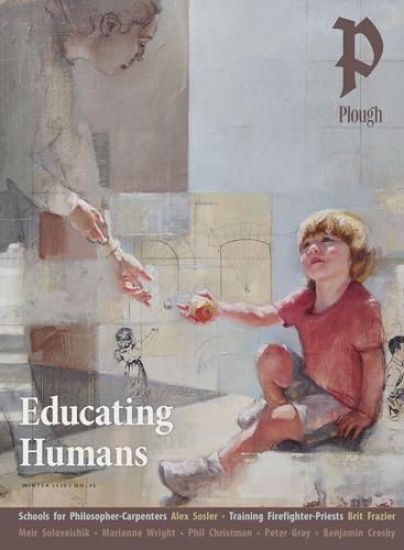
Education has become too narrowly focused on academic success and future earning potential. But creative schools and individual teachers are finding ways, new and old, to reverse this trend. From kindergarten to university, writers in this issue of Plough step back to look at education as the holistic task of forming healthy, responsible, passionate humans, and share success stories from the front lines. On this theme: Alex Sosler on innovative schools where students learn a trade and study the humanities. Brit Frazier on becoming a local volunteer firefighter. Peter Gray on why free play is essential. Anthony Garces-Foley on why he chose to teach in a public school. Stephanie Ebert on reading children scary fairy tales. Patrick Tomassi on Lernvergnugenstag, when teachers get to teach what inspires them. Tim Maendel on a public high school that raises deer and fish. Phil Christmas on why everyone still needs literature. Benjamin Crosby on how Christian teaching gets passed on. Frederick K. S. Leung on why math is not merely instrumental. Also in this issue: Rabbi Meir Soloveichik on hearing God in the subway. Grace Hamman on Sister Penelope, mentor to C. S. Lewis. Paul Coleman on religious persecution in Nicaragua and Finland. Reviews of Edwidge Danticat’s We’re Alone, John Inazu’s Learning to Disagree, and H. G. Parry’s The Magician’s Daughter. New poems by Claude Wilkinson. Plough Quarterly features stories, ideas, and culture for people eager to apply their faith to the challenges we face. Each issue includes in-depth articles, interviews, poetry, book reviews, and art.
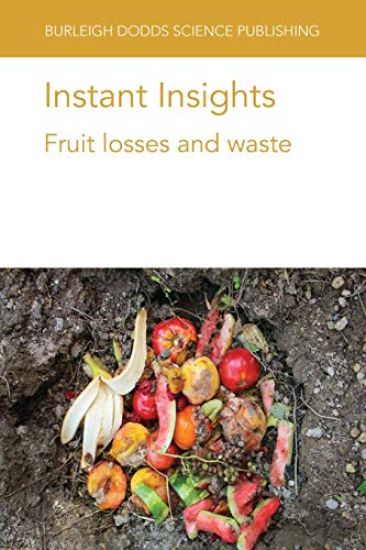
This specially curated collection features five reviews of current and key research on fruit losses and waste.The first chapter reviews the magnitude of losses and waste of fruit and vegetables as well as key issues in estimating losses. It provides a detailed assessment of the main causes of losses and waste together with strategies for their prevention.The second chapter assesses the adoption of new, non-destructive technologies as a way of measuring harvest maturity and improving sorting operations to minimise the risk of product loss and waste.The third chapter outlines the importance of harvest management of apples and considers the importance of various factors associated with fruit physiology, maturation and ripening to reduce losses.The fourth chapter reviews existing research in the preservation of fruit quality and reduction of post-harvest damage and loss by adopting suitable technologies and knowledge during post-harvest operation, storage management, transportation and marketing of mango fruit.The final chapter explores the advantages and disadvantages of cultivating ripening-impaired tomato mutants. It describes how controlling tomato diseases in both pre- and postharvest operations can help avoid fruit losses.
Tom J. Humphrey; Lisa K. Williams; Raveendra R. Kulkarni; Khaled Taha-Abdelaziz; Bahram Shojadoost; Jake Astill; Shayan Sharif; Peter Groves; Jean-Pierre Vaillancourt; Manon Racicot; Mattias Delpont; Steven C. Ricke; A.V.S. Perumalla; Navam S. Hettiarachchy
This collection features five peer-reviewed reviews on managing bacterial diseases of poultry.The first chapter provides a brief overview of Campylobacter in poultry production and the routes of transmission from bird to human. It considers current and future challenges in controlling Campylobacter, as well as the control measures implemented to reduce the occurrence of infection in poultry flocks. The second chapter discusses economically-important enteric diseases and disorders of poultry. The chapter highlights the aetiology of these diseases and explores more sustainable alternatives to promote gastrointestinal health, such as plant-derived extracts, organic acids, prebiotics and probiotics.The third chapter provides an overview of best practices to manage disease outbreaks in poultry. It reviews current disease preventative measures, health monitoring procedures, as well as disease investigation techniques. The fourth chapter reviews the emergence and re-emergence of several infectious pathogens in poultry production and the consequent need to improve current biosecurity measures in poultry flocks to ensure optimal animal health and welfare. The final chapter considers the main alternatives to antibiotics in preventing zoonoses and other major pathogens in poultry. The chapter reviews the sector’s use of prebiotics and related compounds, as well as the beneficial effects of their use.
Welsh Language Edition. Comprehensively revised and updated, this 2nd Edition of the Student Book is endorsed by WJEC offering high quality support you can trust. // Straightforward and concise coverage of the specification, so students can be confident they are covering what's needed for exam success. // New 'Test Yourself' section at the end of each chapter to reinforce knowledge with answers provided in the book. // New section on 'Answering exam questions' at the end of each unit gives guidance on command words and how to approach each question. // New 'Exam Practice questions' at the end of each unit are taken from actual WJEC past papers with answers provided in the book. // Enhanced support for practical skills enable you to embed your understanding of practical work. // Increased maths support throughout with maths skills and techniques regularly tested throughout. // Clear explanations and diagrams throughout. // Includes the Periodic Table.
The 'Precautionary Principle' has sparked the central controversy over European and U.S. risk regulation. The Reality of Precaution is the most comprehensive study to go beyond precaution as an abstract principle and test its reality in practice. This groundbreaking resource combines detailed case studies of a wide array of risks to health, safety, environment and security; a broad quantitative analysis; and cross-cutting chapters on politics, law, and perceptions. The authors rebut the rhetoric of conflicting European and American approaches to risk, and show that the reality has been the selective application of precaution to particular risks on both sides of the Atlantic, as well as a constructive exchange of policy ideas toward 'better regulation.' The book offers a new view of precaution, regulatory reform, comparative analysis, and transatlantic relations.
Since the last edition of this book, there have been a number of advances in the fields of glaucoma, corneal disease, medical retina and genetics. This new edition discusses these developments while also providing an introduction to the specialty of clinical ophthalmology for medical students, trainee ophthalmologists, optometrists, general practitioners, and anyone with a special interest in the subject. Common Eye Diseases and their Management, 5th Edition contains a brief introduction and outline of the anatomy of the eye and orbit, with emphasis placed on the efficacy of modern treatments in later chapters. References are deliberately kept to a minimum to engage readers with a conversational approach and each chapter ends with a concise summary to assist the reader with remembering the key points for each topic.
Since the last edition of this book, there have been a number of advances in the fields of glaucoma, corneal disease, medical retina and genetics. This new edition discusses these developments while also providing an introduction to the specialty of clinical ophthalmology for medical students, trainee ophthalmologists, optometrists, general practitioners, and anyone with a special interest in the subject.Each chapter contains a brief introduction and an outline of the anatomy of the eye and orbit, and utilises an “answering problems” format. Emphasis is placed on the efficacy of modern treatments in ophthalmology and brief historical information is provided where needed. Most chapters remain in the original format of keeping a dialogue to maintain interest rather than a purely didactic approach with bullet points. References are deliberately kept to a minimum and the chapters end with a concise summary to assist the reader with remembering the key points for each topic.
Dieser Buchtitel ist Teil des Digitalisierungsprojekts Springer Book Archives mit Publikationen, die seit den Anfängen des Verlags von 1842 erschienen sind. Der Verlag stellt mit diesem Archiv Quellen für die historische wie auch die disziplingeschichtliche Forschung zur Verfügung, die jeweils im historischen Kontext betrachtet werden müssen. Dieser Titel erschien in der Zeit vor 1945 und wird daher in seiner zeittypischen politisch-ideologischen Ausrichtung vom Verlag nicht beworben.
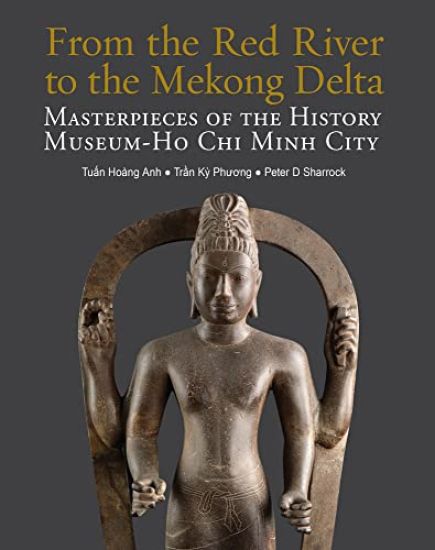
From the 2nd century CE to the 19th century, the people of the fertile estuary of the great Mekong River created treasures of sacred art, architecture and accomplished feats of water engineering that are coming to light in Vietnam’s vigorous new archaeological research programmes. The large stilted wooden houses of Oc Eo, the early Venice of the maritime routes of the East in the earliest centuries of the first millennium, drew in ships with precious cargoes from Rome, India and China to trade while waiting for the change of the monsoon wind to continue their voyages. Chinese annals record that the early polity they called 'Funan' ruled 1,000 km of coastline along the shipping route. Among the earliest Mekong Delta Buddhist icons are a breathtakingly elegant 2.7m tall Buddha carved in hardwood that has survived more than 1000 years in the delta mud and a 29cm bronze Buddha that arrived on a trading ship from the 6th century Chinese Northern Qi dynasty. Very early Vishnu statues wear high, floral mitres and clasp war conch-trumpets on their left hip, and Shiva's face stares out from stone lingas. The Ho Chi Minh Museum collection conserves diverse masterpieces of the art from Vietnam, from the prehistoric Dong Son drums of the Red River Delta in the north to the vibrant Hindu and Buddhist statuary of the former kingdoms of Champa in Central Vietnam. In addition, there is an immense array of art and imperial furnishings of the last Vietnamese dynasty, the Nguyen, which was founded in the Mekong Delta at the beginning of the 19th century. There are refined inlaid wooden cabinets, sets of the finest blue and white ceramics and embroidered silken court costumes worn by the royal family, as well as huge wooden and ceramic Buddha statues which played crucial social and political roles in establishing the dynasty and quelling its foes.
Anders Bergström; Katarina Dunér; Victor Edman; Hanna Enefalk; Eva Eriksson; Peter Gillgren; K. G. Hammar; Rickard Isaksson; Bengt O.H. Johansson; Emelie Karlsmo; Göran Kåring; Marko Lamberg; Jakob Lindblad; Suzanne Lindhagen; Ingrid Sjöström; Jan Svanberg; Anders Arborelius; Gabriel Bar-Sawme; Pia Bengtsson Melin; Carin Bergström; Lars Djerf; Olof Djurfeldt; Åke Hedström; Christian Laine; Carsten Malmberg; Kristina Ljunggren; Thomas Roth; Ingrid Schwanborg; Thomas Magnusson
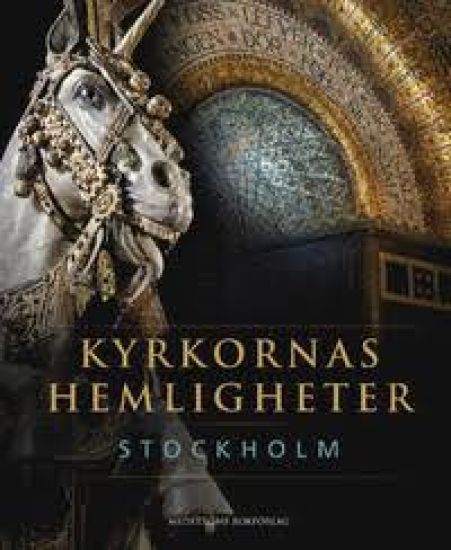
Ett nytt sätt att berätta om några av Stockholms mest märkvärdiga kulturskatter: stadens kyrkor. Med hisnande grafik och 600 bilder guidar boken till historien, till spåren av stockholmarnas liv under sekler, till de dolda tecknen och hemligheterna. Vad är det speciella med just den här kyrkan? Kyrkorna är stadens äldsta byggnader, de äldsta är till och med äldre än staden. De har använts i 800 år och de är öppna för alla. Boken vänder sig till stockholmare, både nya och gamla, som är intresserade av att upptäcka sin stad och dess historia. Även för mera långväga gäster är boken avsedd att vara en välkomnande guide.
Long recognized as an essential reference for therapists and surgeons treating the hand and the upper extremity, Rehabilitation of the Hand and Upper Extremity helps you return your patients to optimal function of the hand, wrist, elbow, arm, and shoulder. Leading hand surgeons and hand therapists detail the pathophysiology, diagnosis, and management of virtually any disorder you're likely to see, with a focus on evidence-based and efficient patient care. Extensively referenced and abundantly illustrated, the 7th Edition of this reference is a "must read" for surgeons interested in the upper extremity, hand therapists from physical therapy or occupational therapy backgrounds, anyone preparing for the CHT examination, and all hand therapy clinics. Offers comprehensive coverage of all aspects of hand and upper extremity disorders, forming a complete picture for all members of the hand team-surgeons and therapists alike. Provides multidisciplinary, global guidance from a Who's Who list of hand surgery and hand therapy editors and contributors. Includes many features new to this edition: considerations for pediatric therapy; a surgical management focus on the most commonly used techniques; new timing of therapeutic interventions relative to healing characteristics; and in-print references wherever possible. Features more than a dozen new chapters covering Platelet-Rich Protein Injections, Restoration of Function After Adult Brachial Plexus Injury, Acute Management of Upper Extremity Amputation, Medical Management for Pain, Proprioception in Hand Rehabilitation, Graded Motor Imagery, and more. Provides access to an extensive video library that covers common nerve injuries, hand and upper extremity transplantation, surgical and therapy management, and much more. Helps you keep up with the latest advances in arthroscopy, imaging, vascular disorders, tendon transfers, fingertip injuries, mobilization techniques, traumatic brachial plexus injuries, and pain management-all clearly depicted with full-color illustrations and photographs. Enhanced eBook version included with purchase. Your enhanced eBook allows you to access all of the text, figures, and references from the book on a variety of devices.
Andrey N. Petrov; Shauna BurnSilver; F. Stuart Chapin III; Gail Fondahl; Jessica K. Graybill; Kathrin Keil; Annika E. Nilsson; Rudolf Riedlsperger; Peter Schweitzer
The Arctic is one of the world’s regions most affected by cultural, socio-economic, environmental, and climatic changes. Over the last two decades, scholars, policymakers, extractive industries, governments, intergovernmental forums, and non-governmental organizations have turned their attention to the Arctic, its peoples, resources, and to the challenges and benefits of impending transformations. Arctic sustainability is an issue of increasing concern as well as the resilience and adaptation of Arctic societies to changing conditions. This book offers key insights into the history, current state of knowledge and the future of sustainability, and sustainable development research in the Arctic. Written by an international, interdisciplinary team of experts, it presents a comprehensive progress report on Arctic sustainability research. It identifies key knowledge gaps and provides salient recommendations for prioritizing research in the next decade. Arctic Sustainability Research will appeal to researchers, academics, and policymakers interested in sustainability science and the practices of sustainable development, as well as those working in polar studies, climate change, political geography, and the history of science.
Motion and Path Planning for Additive Manufacturing takes a deep dive into the concepts and computations behind slicing software – the software that uses 3D models to generate the commands required to control the motion of a 3D printer and ultimately construct objects. Starting with a brief review of the different types of motion in additive systems, this book walks through the steps of the path planning process and discusses the different types of toolpaths and their corresponding function in additive manufacturing. Planar, non-planar, and off-axis path planning are examined and explained. This book also presents pathing considerations for different types of 3D-printers, including extrusion, non-extrusion, and hybrid systems as well as 3- and 5-axis systems. Engineers, researchers, and designers in the additive manufacturing field can use this book as a reference for every step of the path planning process, as well as a guide that explains the computations underlying the creation and use of toolpaths.
This book contains the numerical methods, mathematical analysis, algorithms, software aspects and comparative results of a six year joint project of nine German University institutes, supported by the German National Science Foundation (DFG). It covers new progress for efficient and reliable error estimates mainly of the Finite Element Method for non-linear problems in solid mechanics, as well as efficient re-meshing techniques and solution algorithms. Topics covered include: *Elastoplastic deformations and contact problems *Shear localization of inelastic deformations *Thin-walled structures *Elastodynamics The authors, all experts in computational mechanics, provide a wealth of new ideas for the next generation of software for adaptive finite elements, which will be of great interest to industry. Each chapter includes the state of the art, comparisons between different methods and the mechanical and mathematical background of the methods addressed. Practising engineers, researchers and students in engineering, applied mathematicians and computer scientists will find new material for developing, maintaining and applying finite element algorithms which reach new heights of approximation quality.
• Written specifically with sufferers and carers in mind, to help them understand and apply the basic concepts of cognitive therapy for psychosis. • Illustrates what it is like to have common psychosis and how people's lives can be restored using therapy. • Increases understanding of how the psychosis started, and the factors that worsen symptoms or increase the likelihood of relapse. • Helps the sufferer learn how to control symptoms and delay or prevent relapse. • Includes features and exercises to help sufferers explore their own beliefs and feelings to reflect on the way they cope. • Helps carers know what to say and what to do. • Provides a resource for mental health professionals working with patients, to introduce the approach, support ongoing therapy and make the most efficient use of appointment time.